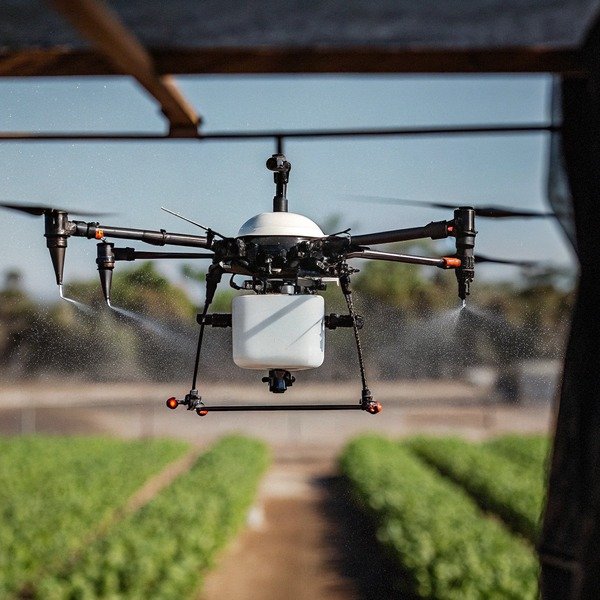
Moving heavy equipment between scattered plots drains efficiency and profits. heavy equipment 1 Our engineering team constantly refines frame designs to solve the headache of transporting bulky gear across rough terrain.
To ensure easy field-to-field movement, prioritize drones with quick-fold arms, lightweight carbon fiber frames, and modular components like detachable tanks. Look for tool-less assembly features and compact footprints that fit into standard vehicles, enabling a single operator to deploy the system rapidly without needing a trailer or assistant.
Below, we break down the critical portability features that define a truly mobile agricultural drone system.
Does the drone feature a quick-fold design that fits easily into a standard pickup truck?
We often see operators struggle with rigid frames that require trailers. When we export to the US, we ensure our designs fit standard truck beds to eliminate this logistical nightmare.
A robust quick-fold design is essential for frequent travel. Look for arms and propellers that collapse inward to reduce the footprint by at least 50%, enabling the unit to fit securely in a truck bed or compact hard case without requiring disassembly.
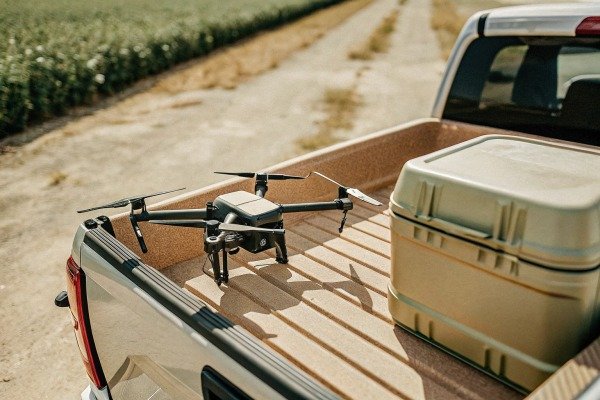
When evaluating portability, the folding mechanism is the first engineering hurdle we tackle. A drone that requires a flatbed trailer is not truly portable for a farmer managing scattered plots. The gold standard for design is a "tool-less" folding architecture. This means you should be able to collapse the arms, propellers, and antennas without reaching for a hex key or screwdriver.
Analyzing the Fold Ratio
The fold ratio refers to the difference in volume between the drone in flight mode versus transport mode. In our testing labs, we aim for a reduction of at least 50% to 60%. For example, a hexacopter with a 2-meter wingspan should fold down hexacopter with a 2-meter wingspan 2 to a compact square of roughly 80cm x 80cm. This drastic reduction allows the unit to sit flat in the bed of a Ford F-150 or even the trunk of a large SUV.
We also recommend looking for "inward-folding" arms rather than "downward-folding" ones. Inward folding protects the motors and propellers by tucking them into the center of the frame, shielding sensitive electronics from the inevitable bumps of a dirt road. Downward folding often leaves the motors exposed at the bottom, which increases the risk of damage during transit.
Vertical vs. Horizontal Space
Another aspect often overlooked is vertical clearance. Some drones fold their arms but leave the landing gear fixed and extended. This creates an awkward, tall shape that is top-heavy and hard to secure. A superior design features foldable or quick-release landing gear. By lowering the vertical profile, you can slide a hard-shell cover over the unit or stack other light equipment nearby without obstruction.
The table below outlines common folding styles and their impact on transport efficiency.
| Folding Style | Volume Reduction | Transport Suitability | Pros | Cons |
|---|---|---|---|---|
| Fixed Frame | 0% | Trailer Required | Maximum rigidity; no moving parts to wear out. | Impossible to transport in standard vehicles. |
| Downward Fold | 30-40% | Pickup Truck | Simple mechanism; fast to deploy. | Motors often exposed; requires tall vertical clearance. |
| Inward/Umbrella Fold | 50-70% | SUV / Pickup | Compact footprint; protects motors; fits standard cases. | Complex locking mechanisms; higher cost. |
| Removable Arms | 80% | Small Car | Extremely compact; fits in small boxes. | Slow setup; requires connecting wires/plugs every flight. |
Is the total weight of the frame and battery manageable for a single operator to handle?
Lifting 50kg drones all day leads to back injuries and slow operations. We focus on shaving grams off our carbon fiber molds carbon fiber molds 3 to keep units safe for solo pilots.
For single-operator use, the total weight should ideally remain under 25kg for heavy sprayers or 1kg for scouting models. Lightweight carbon fiber construction and modular battery systems help distribute the load, ensuring one person can lift and deploy the drone safely without assistance.
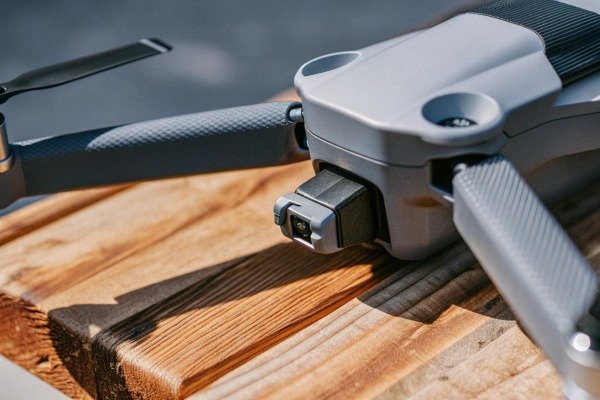
Weight is the silent killer of efficiency in agricultural operations. If a drone is too heavy, you need a second person to help you lift it out of the truck, which doubles your labor costs instantly. When we select materials for our SkyRover airframes, we exclusively use industrial-grade carbon fiber composites. carbon fiber composites 4 This material provides the tensile strength of steel at a fraction of the weight, allowing a single person to hoist the main frame.
The Physics of Solo Handling
For a single operator, the ergonomic limit for repetitive lifting 5 ergonomic limit for repetitive lifting is generally considered to be around 20-25kg (44-55 lbs). Many older agricultural drones exceed 40kg when the battery is installed. To mitigate this, look for a "modular weight distribution" design. This means the drone is designed to be carried in pieces. You place the frame on the ground first, then insert the battery, and finally slide in the spray tank. By breaking the total weight into three manageable components, a single operator can handle a heavy-duty machine without physical strain.
Integrated Handles and Grip Points
Beyond raw weight, the physical design of lift points matters. Smooth, aerodynamic plastic covers look sleek but are slippery and hard to grip, especially when your hands are sweaty or dusty. We advise buyers to check for integrated, textured handles located near the drone’s center of gravity. center of gravity 6 These handles allow you to carry the drone like a suitcase rather than awkwardly bear-hugging the fuselage. Proper handles reduce the torque on your lower back and prevent accidental drops during the transfer from truck bed to takeoff point.
Scouting vs. Application Drones
It is important to distinguish between the two main categories of agricultural drones regarding weight:
- Scouting/Mapping Drones: These should be ultra-light, ideally under 1kg (like the Mavic 3M). They need to be tossed in a backpack.
- Application/Spraying Drones: These are heavy lift aircraft. Portability here isn't about being featherlight; it's about being manageable.
If you are buying a sprayer, ensure the empty weight (without battery and liquid) is within your personal lifting capability. Never calculate portability based on the "max takeoff weight" because you will never transport a drone full of liquid.
How fast can I transition the drone from its transport case to flight-ready status?
Time wasted fumbling with screws is money lost during the spraying season. Our design philosophy centers on "snap-and-fly" mechanisms to minimize downtime between your arrival and takeoff.
You should aim for a transition time of under five minutes from case to air. Features like quick-release propellers, snap-on batteries, and tool-less tank attachments significantly reduce setup duration, allowing you to maximize flight time during tight operational windows.
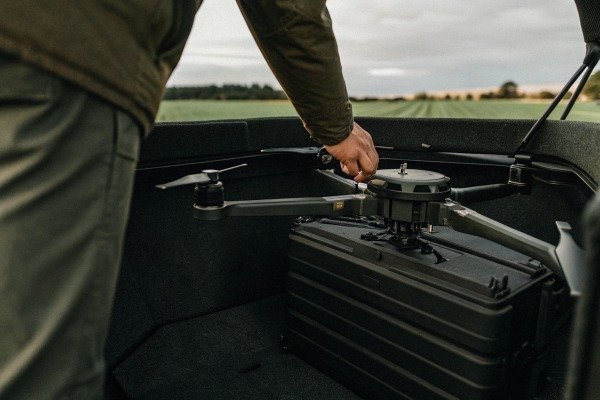
In the field, speed is everything. If you have ten small fields to spray in one day, saving ten minutes on setup at each site gives you nearly two extra hours of productive daylight. When we evaluate competitor models or refine our own, we use a stopwatch to measure the "Case-to-Air" time.
The "Tool-Less" Standard
The most critical feature for speed is a completely tool-less assembly. You should never need a screwdriver, wrench, or Allen key to get the drone flying.
- Propellers: Look for quick-release adapters. These use a spring-loaded twist-lock mechanism rather than screws. This allows you to snap propellers on or off in seconds.
- Batteries: Rail-sliding battery mounts with a positive "click" lock are superior to velcro straps or screw-down terminals.
- Tanks: For sprayers, the chemical tank should slide out effortlessly. This allows you to mix chemicals at your truck while the drone is flying with a second tank, doubling your efficiency.
Cable Management and Connectors
A hidden time-sink in portable designs is cable management. Some foldable drones require you to manually plug in motor cables or GPS antennas after unfolding the arms. This is a design flaw. High-quality portable drones use integrated contacts within the folding joint itself or routed internal cabling that does not pinch or disconnect when folded. When you unfold the arm, the electrical connection should be automatic and instant.
Impact on Daily Workflow
Consider the difference between a 15-minute setup and a 3-minute setup.
- Scenario A (Rigid/Bolted Drone): You arrive, unstrap the trailer, unscrew travel locks, bolt on propellers, screw in the battery. Total: 20 mins.
- Scenario B (Portable/Quick-Release): You open the case, unfold arms (click), snap in battery (click), slide in tank (click). Total: 3 mins.
Over a week, Scenario B allows for significantly more acreage coverage.
| Feature | Standard Setup Time | Optimized "Quick" Setup Time | Benefit |
|---|---|---|---|
| Propeller Install | 5 mins (Screws) | 30 secs (Quick-Release) | No tools lost in grass; rapid replacement. |
| Arm Deployment | 10 mins (Knobs/Bolts) | 1 min (Cam-Locks) | Instant structural rigidity. |
| Battery Install | 3 mins (Straps/Plugs) | 10 secs (Slide-in) | Hot-swapping allows continuous operation. |
| Tank Swapping | 10 mins (Hoses/Clamps) | 20 secs (Modular Cartridge) | Refill while flying; zero spill risk. |
Are the folding joints and locking mechanisms built to withstand daily wear and tear?
Cheap plastic latches fail quickly aerospace-grade aluminum 7 in dusty farm environments. We strictly source aerospace-grade aluminum for our joints to ensure they remain secure after thousands of cycles.
Durability in folding joints is non-negotiable for longevity. High-quality mechanisms feature aerospace-grade aluminum or steel reinforcement with tension-adjustable locks, ensuring they remain rigid during flight and resist loosening caused by repetitive folding and vibrations from rough transport.
The folding joint is the single most distinct point of failure on a portable agricultural drone. It takes the most abuse. Every time you pack up or set up, that joint grinds against itself. During flight, it supports the entire thrust of the motor. During transport, it rattles in the back of your truck.
Material Selection: Metal vs. Plastic
When browsing specs, pay close attention to the materials used in the folding knuckles.
- Plastic/Nylon: Common in hobby drones, but unacceptable for industrial ag drones. UV exposure makes them brittle, and the threads strip easily.
- Aluminum Alloy (CNC Machined): The industry standard for quality. It is light, resists corrosion, and handles high torque.
- Steel: Used for the actual hinge pins and locking clasps. Steel prevents the "slop" or looseness that develops over time.
The Importance of Locking Mechanisms
There are two main types of locks: Threaded Collars and Cam-Latches.
- Threaded Collars are incredibly strong. You screw a ring over the joint to lock it. However, they can vibrate loose if not tightened properly and are susceptible to sand grit jamming the threads.
- Cam-Latches (like on a bicycle wheel) are faster and provide visual confirmation that the arm is locked. However, they must be tension-adjustable. Over time, the clamp will loosen. A high-quality drone will have a small adjustment screw to retighten the clamp, extending the lifespan of the frame.
Vibration Dampening in Transport
Portability isn't just about the fold; it's about the journey. Agricultural roads are bumpy. If the folding joints are loose during transport metal fatigue 8, the arms will bounce, causing metal fatigue before you even take off. Top-tier designs include "Gimbal Locks" and "Arm Clips" integrated into the fuselage. These clips snap the folded arms tightly against the body, turning the folded drone into a solid brick that doesn't rattle.
Maintenance of Moving Parts
We always advise our customers that portable drones require more maintenance than fixed ones. The joints need to be blown out with compressed air to remove fertilizer dust and occasionally lubricated. A design that is "easy to clean" (open joint architecture) is preferable to enclosed joints where grit gets trapped inside and grinds away the material unseen.
| Joint Component | Ideal Material | Why it matters for portability |
|---|---|---|
| Arm Tube | Carbon Fiber | High strength tensile strength of steel 9 tensile strength of steel 10-to-weight ratio; easy to carry. |
| Folding Knuckle | 7075 Aluminum | Resists cracking under repetitive folding stress. |
| Hinge Pin | Stainless Steel | Prevents the joint from becoming "wobbly" over time. |
| Locking Lever | Anodized Aluminum | Plastic levers snap off in cold weather or rough handling. |
Conclusion
To maximize efficiency across scattered fields, prioritize portability features like tool-less quick-fold arms, modular weight distribution, and rugged metal locking mechanisms. Investing in these design elements ensures safe single-operator handling and rapid deployment, ultimately boosting your daily acreage coverage.
Footnotes
1. Federal safety guidelines for ergonomic handling of heavy equipment to prevent workplace injuries. ↩︎
2. General background on hexacopter configurations and their typical structural design. ↩︎
3. Product documentation from a leading global manufacturer of carbon fiber materials used in drone frames. ↩︎
4. ISO standard for testing and specifications of carbon fiber reinforced plastics and composites. ↩︎
5. Cites NIOSH standards for safe manual lifting limits. ↩︎
6. Scientific explanation of center of mass and gravity, essential for ergonomic equipment design. ↩︎
7. Industry standard definition for high-grade aluminum alloys. ↩︎
8. Scientific explanation of the structural failure mode mentioned. ↩︎
9. Academic comparison of the mechanical properties of carbon fiber versus traditional steel. ↩︎
10. Authoritative comparison of carbon fiber properties versus steel. ↩︎

 English
  Español de México
  Deutsch
  Français
  Русский
  العربية
