In our factory, we often see frantic emails from farm owners who bought “new” drones elsewhere, only to have them fall from the sky on the first flight. It is frustrating to witness how easily dishonest suppliers disguise worn-out components as fresh stock.
To verify if an agricultural drone uses refurbished parts, cross-check serial numbers with the manufacturer’s database for activation history and match firmware versions to production dates. Inspect physical components for tool marks or wear, analyze internal flight logs for pre-existing hours, and demand a non-prorated OEM warranty that explicitly covers all core systems.
Here is exactly how you can inspect a unit before signing the final acceptance document.
What are the visual signs that an agricultural drone might be built with refurbished components?
When our quality control team inspects raw materials arriving at our Chengdu facility, we know exactly what fresh manufacturing looks like. You should be able to spot the difference between factory-fresh and “re-conditioned” too.
Visual signs of refurbished components include mismatched screw heads, faint scratches on landing gear or motor housings, and faded serial number stickers. Additionally, look for residual dust inside sensor ports or signs of re-painting on the frame arms, which often indicate a crash-repaired unit disguised as new stock.

The Importance of Micro-Inspection
When you receive a new agricultural drone, the excitement can often overshadow the need for a thorough inspection. thorough inspection 1 However, refurbished drones are a growing problem in the global market. These units are often cobbled together from crashed drones or test units that have logged hundreds of hours. The first place these secrets are revealed is on the physical surface of the hardware.
You do not need an engineering degree to spot these red flags. You simply need a good flashlight and a magnifying glass. We always tell our clients to look at the "unseen" areas. Suppliers who refurbish drones often clean the main body shell perfectly but forget the nooks and crannies where field dust accumulates.
Critical Visual Checkpoints
There are specific areas on a drone that are nearly impossible to restore to factory condition once they have been used. Focusing your inspection here will give you the highest chance of catching a second-hand part.
1. The Motor Mounts and Screws
Factory assembly robots use precise torque. They do not leave marks. Humans using hand tools often leave tiny scratches or "tool marks" on the screw heads. If the screws look stripped, or if the black anodized paint on the bolts is silver at the edges, that part has been removed and replaced. anodized paint 2
2. Underside of Propellers and Arms
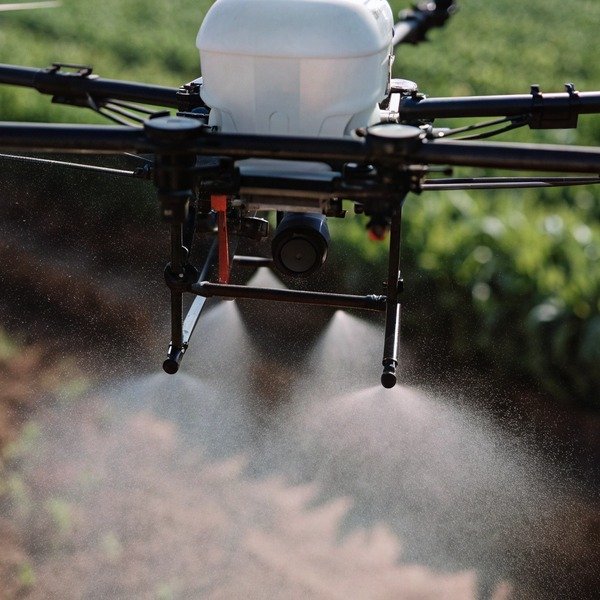
Agricultural drones fly through clouds of pesticides and fertilizer. pesticides and fertilizer 3 These chemicals are corrosive. Even after cleaning, microscopic residue often remains in the textured plastic on the underside of the motor arms. Run a white cotton swab along the seams of the frame. If it comes back with a yellowish or greenish tint, that drone has sprayed crops before.
3. Connector Pins
Inspect the battery Battery Management System 4 connectors and the data ports. Gold-plated pins on a brand-new drone should be flawless. If you see vertical scratch lines on the metal pins, it means a plug has been inserted and removed multiple times. This is a clear sign of usage.
Visual Inspection Checklist
Use this table to guide your initial physical inspection of the drone shipment.
| Inspection Area | Signs of New Condition | Signs of Refurbished/Used | Risk Level |
|---|---|---|---|
| Screw Heads | Pristine paint, no deformation | Silver edges, stripped heads, mismatched types | High |
| Landing Gear | Smooth finish, uniform color | Scuff marks on the bottom, fresh paint over scratches | Medium |
| Sensor Ports | Clean, dust-free inside | Dust in corners, worn gold plating on pins | High |
| Stickers/Labels | Sharp text, strong adhesion | Faded text, peeling corners, bubbles under sticker | Low |
| Wiring | Clean insulation, factory zip-ties | Discolored insulation, non-standard cable management | High |
How do I verify the battery cycle count and motor health to ensure the power system is brand new?
Our engineers rigorously test every power unit before assembly because agricultural payloads demand absolute peak performance. A battery that has already lived half its life will cost you money in lost efficiency immediately.
Verify the power system by connecting the battery to the flight management software to read the internal cycle count, which must be zero or near-zero. For motors, use vibration analysis tools to detect bearing wear and inspect the windings for discoloration caused by previous heat stress.

Analyzing Battery Health Data
The battery is the heart of your agricultural drone. In the industry, we use "smart batteries" that contain an internal Battery Management System (BMS). This chip records Battery Management System (BMS) 5 the history of the battery. Unscrupulous suppliers might polish the plastic casing of a battery, but it is much harder to wipe the memory of the BMS chip without specialized hacking tools.
When you receive the drone, connect it to the manufacturer’s assistant software on a PC or the remote controller. Navigate to the battery settings. You are looking for the "Cycle Count."
- New Battery: 0 to 3 cycles (allowed for factory QA testing).
- Used Battery: Anything above 5 cycles is suspicious for a "new" product.
However, be aware that some sophisticated refurbishers can reset the cycle count. Therefore, you must also look at "Cell Voltage Deviation." Charge the battery to 100% and let it hover for 2 minutes. If the voltage difference between cell 1 and cell 12 is large (e.g., >0.1V), the battery chemistry is old, regardless of what the cycle count says.
Motor and ESC Health Checks
Motors are the second most critical component. Agricultural drones carry heavy liquid tanks, putting immense stress on the bearings. A motor that has flown 50 hours is significantly more likely to fail than a new one.
Vibration Analysis
You do not need a laboratory for this. Turn on the motors (without propellers) and place your hand gently on the arm. It should feel like a smooth hum. If you feel grinding or rhythmic clicking, the bearings are worn. For a more technical approach, use a smartphone accelerometer app placed on the arm. High vibration spikes indicate internal wear.
Coil Discoloration
Look through the ventilation holes of the motor. You will see copper windings.
- New Copper: Bright, shiny, orange-gold color.
- Overheated/Used Copper: Dark red, brown, or black spots.
This discoloration comes from heat. If the windings are dark, that motor has worked hard in a previous life.
Power System Diagnostics Table
Refer to this guide when testing the electrical components of your new drone.
| Component | Test Method | Acceptable New Result | Reject If |
|---|---|---|---|
| Battery BMS | Software Check | 0-3 Cycles | >5 Cycles or "Communication Error" |
| Battery Cells | Voltage Check (Full Charge) | Deviation < 0.03V | Deviation > 0.05V |
| Motor Bearings | Physical/Audio Check | Smooth hum, no heat | Grinding noise, excessive heat after 1 min |
| Motor Windings | Visual Inspection | Bright Copper | Dark/Burnt appearance |
| ESC Status | Software Log | No Error History | "Overcurrent" or "Overheat" logs present |
Can I request specific serial number tracking to confirm the manufacturing date of key drone parts?
We track every component batch in our factory system to ensure traceability, so valid suppliers should never hesitate to share this data. If a supplier refuses to provide serial numbers before shipment, they are hiding something. provide serial numbers 6
Yes, you can and should request a component traceability report listing serial numbers for the airframe, flight controller, and payload. Cross-reference these numbers with the manufacturer’s production date codes to ensure they match the drone’s assembly date and have not been previously activated or registered.

The "Frankenstein" Drone Problem
One of the most common scams in the drone export export market 7 market is the creation of "Frankenstein" drones. This happens when a supplier buys a brand-new outer shell (which is cheap) and stuffs it with old electronics from crashed units (which are expensive). To the naked eye, the drone looks perfect. But internally, the flight controller might be three years old.
The only way to catch this is through Serial Number (SN) verification. Every major component—the Flight Controller, the Radar, the Remote Controller, and the Airframe—has its own unique SN.
How to Decode the Data
When you are negotiating the purchase, ask the supplier for a "Bill of Materials" or a "Packing List with Serial Numbers." Legitimate manufacturers and authorized dealers can generate this easily. Once you have the list, follow these steps:
- Check Activation Status: Go to the manufacturer’s official website (most major brands like DJI, XAG, or even our own OEM systems have a verification portal). major brands like DJI 8 Input the SN. It should say "Not Activated." If it says "Activated on [Date 2 years ago]," you are being sold a used unit.
- Date Code Consistency: Serial numbers often contain date codes. For example, the 5th and 6th digits might represent the year and month. If the drone frame was made in October 2024, but the Flight Controller SN indicates it was made in January 2021, that is a massive red flag. Electronic components in a new drone usually have production dates within 6 months of the assembly date.
What to Demand from the Supplier
Do not just ask "Is it new?" Ask for proof. Write this requirement into your purchase order. If the supplier claims they cannot provide SNs until the box is opened, they are likely acting as a middleman for grey-market goods. grey-market goods 9
Component Traceability Matrix
Use this table to track the consistency of the parts in your potential purchase.
| Component | Serial Number Location | Critical Check | Warning Sign |
|---|---|---|---|
| Flight Controller | Inside software "About" tab | Activation Date | Active date is months/years prior to purchase |
| Airframe/Chassis | Sticker on main body | Manufacturing Date | Date is significantly older than other parts |
| Spray Tank | Bottom or side label | Batch Number | Mismatch with pump production batch |
| Remote Controller | Back of the controller | Firmware Version | Loaded with very old firmware (e.g., v1.0 from 3 years ago) |
What warranty terms should I demand from the supplier to guarantee no second-hand materials are used?
In our export contracts, we define “new” explicitly to protect our brand reputation, but many resellers use vague language to avoid liability. You need legal protection that holds the supplier financially accountable for the quality of the hardware.
Demand a written guarantee stating that “all components are Original Equipment Manufacturer (OEM) new stock” rather than just “fully functional.” Ensure the warranty covers 100% of parts and labor for at least 12 months, without exclusion clauses for “wear and tear” that might disguise pre-existing usage.

The Trap of "Functional" vs. "New"
There is a legal loophole that many shady suppliers use. They will sell you a drone guaranteed to be "fully functional." A refurbished drone is functional—until it isn't. You must ensure your contract uses the specific term "Brand New, OEM Origin."
If a supplier refuses to put the word "New" or "OEM" in the contract and insists on "A-Stock" or "Open Box," walk away. These are industry terms for returned or repaired items.
Warranty Length and Scope
A standard warranty for a new industrial drone is typically 12 months for the airframe and electronics, and 6 months or a specific cycle count (e.g., 300 cycles) for batteries.
- Refurbished Warranty: Often only 3 months, or "repair only" (no replacement).
- New Warranty: 12 months, includes replacement of defective parts.
You must also check where the warranty is valid. A "China-only warranty" is useless to you in the United States if shipping the drone back costs $1,000. Demand a warranty that includes shipping costs for defective-on-arrival (DOA) units or supports local repair centers.
The "No-Lemon" Clause
We recommend adding a clause to your purchase agreement that protects you purchase agreement 10 against immediate failure. For example:
"If any core component (Motor, ESC, Flight Controller) fails within the first 10 flight hours due to non-pilot error, the Supplier agrees to replace the entire unit, not just the part."
Refurbished parts often fail early under the stress of a full liquid payload. This clause forces the supplier to think twice before sending you second-hand junk.
Red Flag Warranty Terms
Be very careful if you see these phrases in the fine print:
- "Warranty valid for parts only, labor excluded."
- "Cosmetic imperfections are not covered." (This allows them to send scratched, used frames).
- "Warranty void if seals are broken." (This prevents you from inspecting the internals, though you should negotiate the right to inspect).
- "Prorated refund." (You want a full replacement, not a partial refund based on 'use').
Conclusion
Purchasing agricultural drones is a significant capital investment, and avoiding refurbished traps requires vigilance. By inspecting physical wear, verifying battery cycles via software, cross-referencing serial numbers, and securing a strict OEM warranty, you can protect your business. Do not trust verbal promises; trust the data and the documentation.
Footnotes
1. FAA regulations regarding remote identification for unmanned aircraft systems. ↩︎
2. General background on the anodizing process for metal components. ↩︎
3. Official EPA guidance on pesticide use and safety in agriculture. ↩︎
4. IEEE standards for battery management systems in power applications. ↩︎
5. Technical definition of the electronic system managing rechargeable battery cells. ↩︎
6. Importance of serial number tracking for product verification and authenticity. ↩︎
7. News coverage of the global aerospace and drone export market trends. ↩︎
8. Official DJI warranty and service policy for agricultural drone products. ↩︎
9. Official US Customs definition regarding unauthorized parallel import goods. ↩︎
10. Legal definition of the contract required to enforce warranty terms. ↩︎

 English
  Español de México
  Deutsch
  Français
  Русский
  العربية
