
When our engineering team ships a firefighting drone overseas, we often hear the same concern from fire departments: “We have the equipment, but how do we get certified to fly it legally?” This gap between owning advanced rescue technology and being authorized to deploy it creates real frustration for first responders who need every tool available.
You should ask your firefighting drone supplier for FAA Part 107 exam preparation materials, IACRA registration guidance, COA application support, technical documentation for certification submissions, hands-on flight training programs, and ongoing compliance tracking services to ensure your operators meet all regulatory requirements.
The certification process involves multiple agencies, complex paperwork, and strict timelines FAA Part 107 exam 1. Without proper supplier support, departments waste months navigating bureaucracy instead of saving lives. Let me walk you through exactly what assistance you should demand from your drone supplier.
Fire departments face a maze of federal regulations before their first legal flight NFPA 2400 compliance 2. In our experience exporting to US fire agencies, we see many procurement managers underestimate the complexity of FAA compliance until they receive their equipment and realize they cannot deploy it.
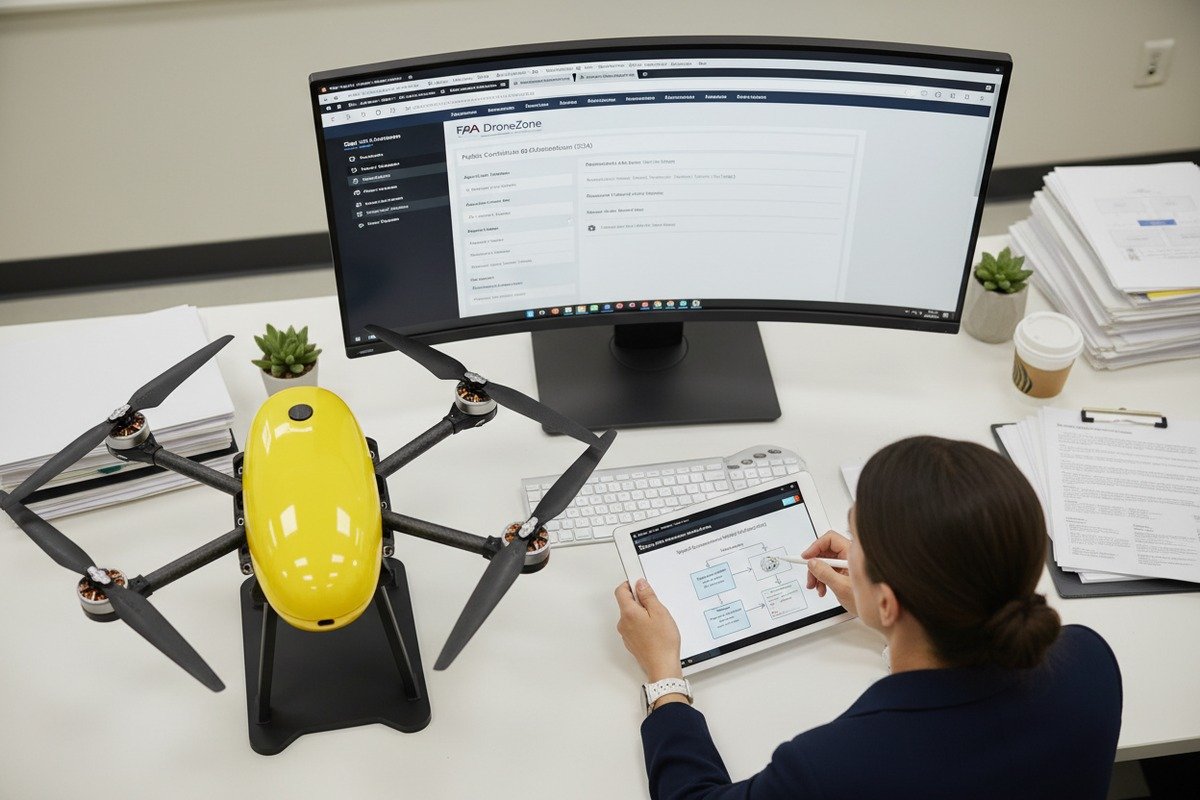
Your supplier should guide you through choosing between FAA Part 107 certification and Public Certificate of Authorization (COA), help you understand operational limitations, assist with DroneZone Portal applications, and explain the Special Governmental Interest process that expedites first responder approvals.
Understanding Your Two Main Certification Pathways
Fire departments have two distinct routes to legal drone operations airspace integration planning 3. Part 107 requires each pilot to pass an individual knowledge exam and obtain a Remote Pilot Certificate. The COA pathway allows departments to self-certify pilots under their own training programs. Public Certificate of Authorization (COA) 4
Your supplier should help you evaluate which pathway fits your department's needs. Part 107 works well for small departments with one or two pilots. COA makes more sense for larger agencies deploying multiple operators.
| Certification Pathway | Best For | Key Requirements | Typical Timeline |
|---|---|---|---|
| FAA Part 107 | Small departments, 1-3 pilots | Individual exam, TSA background check | 2-4 weeks per pilot |
| Public COA | Large departments, 4+ pilots | Internal training program, detailed SOPs | 4-8 weeks for approval |
| COA with Waivers | Advanced operations | Additional documentation, safety case | 8-12 weeks |
What Your Supplier Should Provide for Part 107
A good supplier offers study materials for the Unmanned Aircraft General knowledge exam. They should point you toward the Remote Pilot Study Guide and sample test questions. Some suppliers, including our team at SkyRover, provide training sessions specifically designed for fire service operations.
The supplier should also explain IACRA registration 5. This FAA system requires creating a profile and obtaining an FTN number before scheduling your exam. Many first-time applicants make errors that delay their applications by weeks.
DroneZone Portal and SGI Expedited Processing
The FAA created the DroneZone Portal 6 specifically to help first responders. Your supplier should be familiar with the Special Governmental Interest designation 7. This process can significantly reduce approval times for fire departments.
When we prepare documentation for customers, we include all technical specifications in formats that match DroneZone requirements. This prevents rejection for formatting errors or missing information.
Operational Limitations You Must Understand
Part 107 comes with strict operational constraints. Drones must weigh under 55 pounds, fly only in daylight, stay within visual line of sight, and remain below 400 feet. Your supplier should explain how these rules affect firefighting missions.
For night operations or beyond-visual-line-of-sight flights, you need waivers. Your supplier should help you understand whether COA offers more flexibility for your specific use cases.
What technical documentation and flight manuals should I expect for my team's certification?
Our quality control team reviews documentation packages before every shipment leaves our facility. We have learned that incomplete or poorly organized technical documents cause certification delays and safety concerns for fire departments.
Expect your supplier to provide comprehensive flight manuals, detailed equipment specifications with serial numbers, performance characteristic data, maintenance schedules, emergency procedure guides, and all technical documentation formatted for COA applications and internal training program development.

Essential Documentation Categories
Technical documentation serves two purposes. First, it trains your operators to fly safely. Second, it provides evidence for certification applications. Your supplier should understand both needs.
| Document Type | Purpose | Key Contents |
|---|---|---|
| Flight Manual | Daily operations | Pre-flight checklist, control functions, flight modes |
| Technical Specifications | COA applications | Weight, dimensions, battery capacity, flight time |
| Maintenance Guide | Long-term reliability | Inspection schedules, component replacement, storage |
| Emergency Procedures | Safety compliance | Failure responses, emergency landing protocols |
| Training Curriculum | Internal certification | Learning objectives, skill assessments, proficiency standards |
What Flight Manuals Must Include
A proper flight manual covers every aspect of drone operation. It should start with pre-flight inspection checklists. Our manuals include step-by-step procedures for checking motors, propellers, batteries, and payload systems.
The manual must explain all flight modes. For firefighting drones, this includes thermal imaging operation, autonomous flight patterns, and return-to-home functions. Each mode should have clear activation instructions and use-case explanations.
Emergency procedures deserve their own section. What happens if a motor fails? How does the pilot respond to signal loss? Your operators need written protocols for every failure scenario.
Equipment Specifications for COA Applications
When applying for a Public COA, you must submit detailed equipment information. This includes drone serial numbers, weight specifications, maximum flight speeds, and battery endurance data.
Your supplier should provide these specifications in formats that match FAA requirements. We prepare specification sheets specifically designed for DroneZone submissions. This saves our customers from reformatting technical data.
Training Program Documentation
If you pursue the COA pathway, you need documented training programs. Your supplier should help you develop these materials. They know the equipment best and can create curriculum that addresses specific operational characteristics.
Training documentation should include learning objectives, skill assessments, and proficiency standards. The FAA wants to see that your internal certification process produces competent pilots.
Maintenance and Inspection Records
Ongoing compliance requires proper record-keeping. Your supplier should provide templates for logging flights, tracking maintenance, and documenting inspections. These records demonstrate responsible program management to regulatory authorities.
Can my supplier provide the engineering support I need to meet local aviation safety standards?
When we calibrate flight controllers at our facility, we configure systems for specific regulatory environments. The engineering choices made during manufacturing directly affect your ability to meet safety standards. A supplier without engineering depth cannot provide meaningful compliance support.
Your supplier should offer engineering assistance for NFPA 2400 compliance, help with airspace integration planning, provide technical data for waiver applications, support modifications needed for local requirements, and deliver ongoing firmware updates that maintain regulatory compliance as standards evolve.
NFPA 2400 and Public Safety Standards
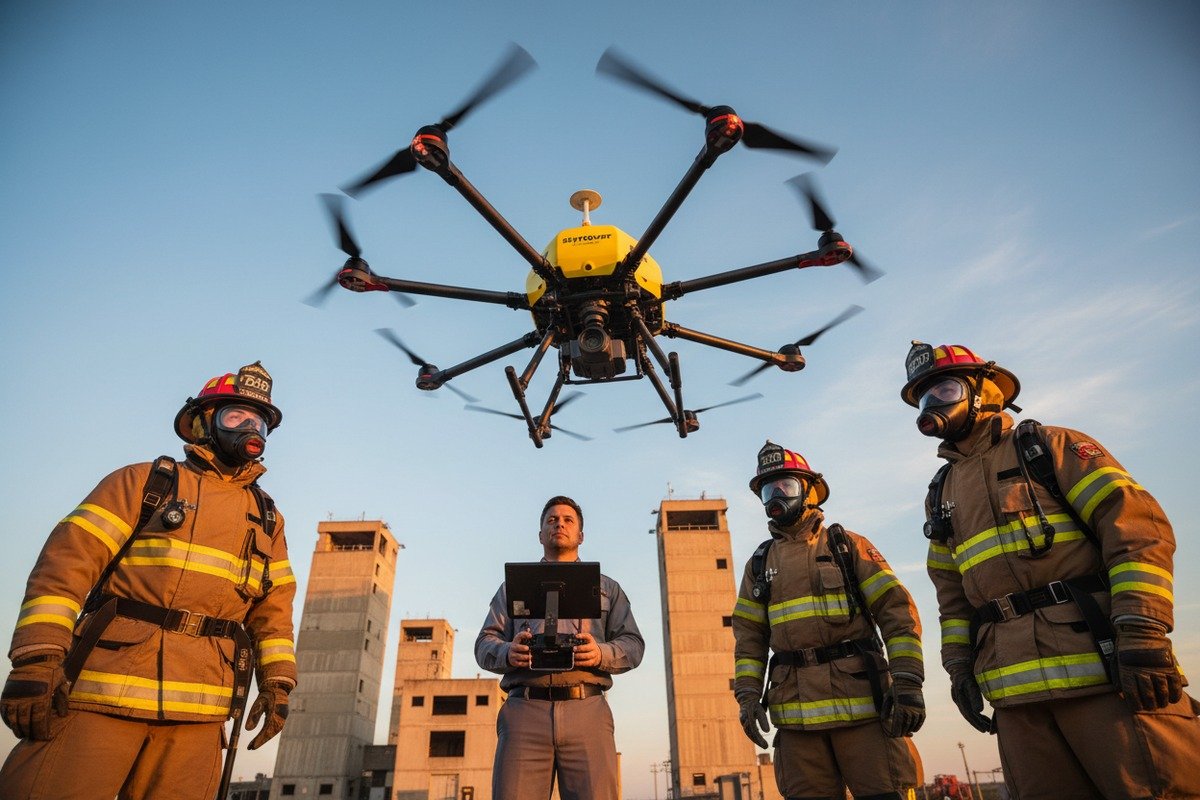
NFPA 2400 establishes operational and training requirements specifically for public safety drone programs. These standards go beyond FAA regulations. Your supplier should understand these requirements and provide equipment that meets them.
Our engineering team reviews NFPA 2400 updates regularly. We design systems that align with both FAA requirements and NFPA standards. This dual compliance approach protects our customers from regulatory conflicts.
Engineering Support for Waiver Applications
Advanced firefighting operations often require FAA waivers. Night operations, beyond-visual-line-of-sight flights, and operations in restricted airspace all need special authorization. Your supplier should provide technical data supporting these waiver requests.
| Waiver Type | Technical Data Needed | Supplier Support Role |
|---|---|---|
| Night Operations | Lighting specifications, visibility data | Anti-collision light certification, reflectivity measurements |
| BVLOS | Detect-and-avoid capabilities, communication range | System capability documentation, range test data |
| Altitude Waiver | Climb rate, altitude hold accuracy | Performance verification, safety case data |
| Airspace Access | ADS-B compliance, geofencing capabilities | Transponder integration, airspace awareness documentation |
Firmware and Software Compliance
Aviation regulations change. Your drone's software must keep pace. A responsible supplier provides firmware updates 8 that address new requirements. They should also notify you when regulatory changes affect your operations.
We maintain ongoing relationships with our customers specifically for this reason. When the FAA updates requirements, we develop corresponding firmware updates and distribute them with clear installation instructions.
Customization for Local Requirements
Different jurisdictions may have additional requirements beyond federal regulations. Some states have privacy laws affecting aerial surveillance. Some municipalities restrict drone operations in specific areas. Your supplier should help you configure systems for your specific operational environment.
Our software team can implement custom geofencing, flight logging, and operational restrictions based on local requirements. This flexibility ensures compliance across all applicable regulations.
Integration with Emergency Response Systems
Modern firefighting requires integration between drone data and existing command systems. Your supplier should provide engineering support for connecting drone feeds to your incident command system. This integration must meet data security standards relevant to emergency response.
We work with customers to ensure our thermal imaging and video feeds integrate with common ICS platforms. This technical support goes beyond basic equipment delivery.
How will my supplier assist with the hands-on training required for my operators to fly safely?
Our test pilots spend weeks evaluating each drone model before we finalize designs. Through this process, we develop deep understanding of flight characteristics that we pass on to customers through training programs. Equipment knowledge and training quality are inseparable.
Your supplier should provide structured hands-on flight training covering basic controls, emergency procedures, payload operations, scenario-based firefighting exercises, and proficiency assessments that satisfy both FAA requirements and NFPA 2400 standards for public safety operations.
Basic Flight Training Components
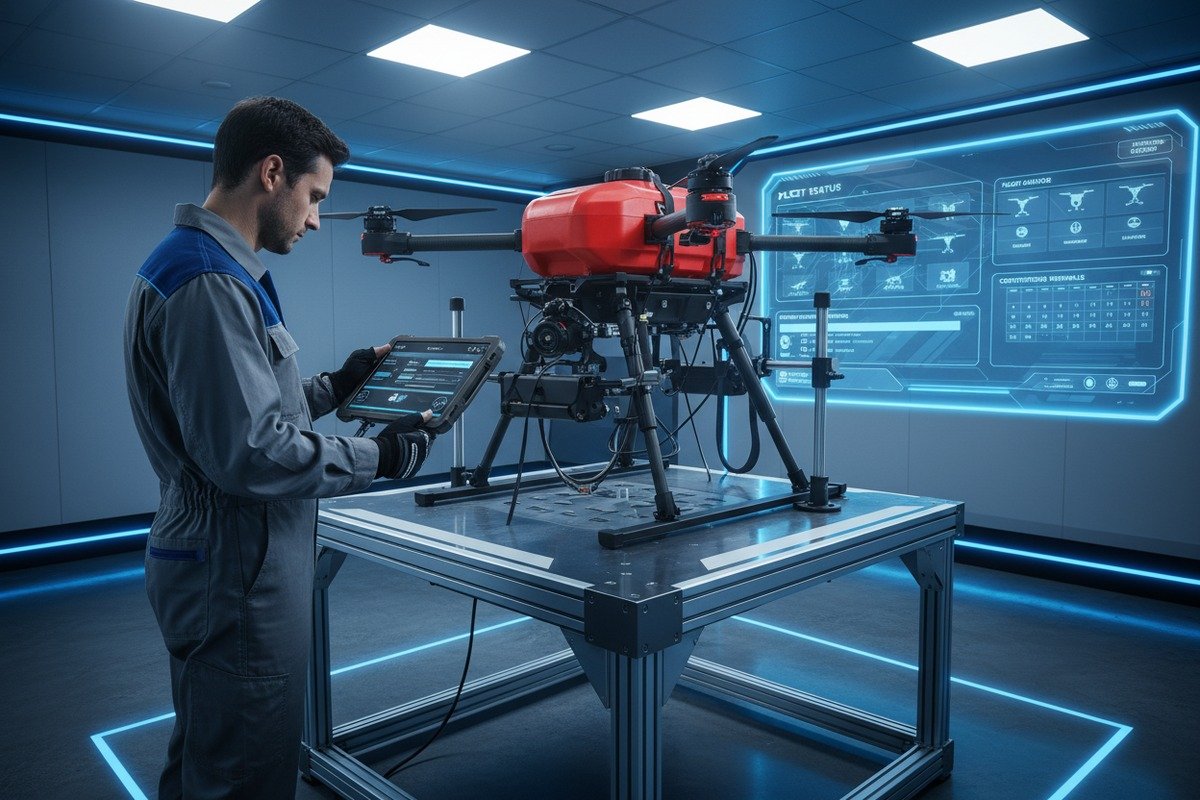
Hands-on training must start with fundamentals. Pilots need muscle memory for basic controls before attempting complex maneuvers. Your supplier should provide structured progression from hovering exercises to mission-specific operations.
A comprehensive basic training program includes takeoff and landing procedures, hovering stability, directional control, and altitude management. Each skill should have clear performance standards.
Scenario-Based Firefighting Exercises
General drone training is not enough for fire departments. Your operators need practice with realistic firefighting scenarios. Your supplier should develop exercises that replicate actual emergency conditions.
| Training Scenario | Skills Developed | Assessment Criteria |
|---|---|---|
| Structure Fire Reconnaissance | Thermal imaging, safe distance maintenance | Accurate hot spot identification, proper standoff |
| Search and Rescue Grid | Systematic coverage, communication protocols | Complete area coverage, clear victim marking |
| Wildfire Perimeter Mapping | Extended flight planning, battery management | Accurate boundary mapping, safe swap procedures |
| Night Operations | Limited visibility navigation, lighting use | Obstacle avoidance, orientation maintenance |
| Heavy Smoke Navigation | Instrument reliance, situational awareness | Safe flight path, accurate positioning |
Emergency Procedure Training
Every pilot must know how to handle equipment failures. Your supplier should provide hands-on practice with emergency scenarios. This includes motor failures, signal loss, battery warnings, and payload malfunctions.
We conduct forced emergency landing exercises with every training program. Pilots practice bringing the drone down safely when something goes wrong. This training can prevent injuries and equipment damage during real emergencies.
Proficiency Standards and Recurrent Training
Initial training is only the beginning. Your supplier should help you establish ongoing proficiency standards. The FAA requires recurrent training 9 every 24 months for Part 107 certificate holders. Your internal standards should be even more rigorous.
We recommend quarterly proficiency checks for firefighting drone operators. These assessments ensure skills remain sharp and identify areas needing additional practice.
Night and Low-Visibility Operations
Firefighting often happens at night or in heavy smoke. Your supplier should provide specialized training for these challenging conditions. Night operations require different techniques than daytime flying.
Our training programs include exercises with reduced visibility. Pilots learn to rely on instruments and thermal imaging when visual references are limited. This preparation is essential for realistic firefighting deployment.
Integration with Incident Command
Drone operators must work within the incident command structure. Your supplier should provide training on communication protocols, chain of command, and mission coordination. Technical flying skill means nothing without proper operational integration.
We teach pilots how to receive mission assignments, report findings, and coordinate with ground personnel. This operational training complements technical flight skills.
Conclusion
Operator certification involves far more than passing an exam. The right supplier provides comprehensive support from initial FAA guidance through ongoing proficiency training. Ask detailed questions about certification assistance before purchasing. Your supplier's expertise directly affects how quickly and safely your department can deploy drone technology.
Footnotes
1. Official FAA information on the Part 107 remote pilot certification process. ↩︎
2. Official NFPA standard for small unmanned aircraft systems used in public safety operations. ↩︎
3. FAA roadmap for safely integrating unmanned aircraft systems into the national airspace. ↩︎
4. Replaced with the FAA DroneZone portal, which now handles COA applications. ↩︎
5. Official FAA explanation of the Integrated Airman Certification and Rating Application system. ↩︎
6. Replaced with the correct and active FAA DroneZone portal. ↩︎
7. Official FAA process for expedited drone approvals in emergency situations for public safety. ↩︎
8. Replaced with a reputable article emphasizing the importance and safety aspects of drone firmware updates, as no direct authoritative .gov or .edu link was found for general drone firmware safety guidelines. ↩︎
9. Official FAA requirements for maintaining a Part 107 remote pilot certificate through recurrent training. ↩︎

 English
  Español de México
  Deutsch
  Français
  Русский
  العربية
