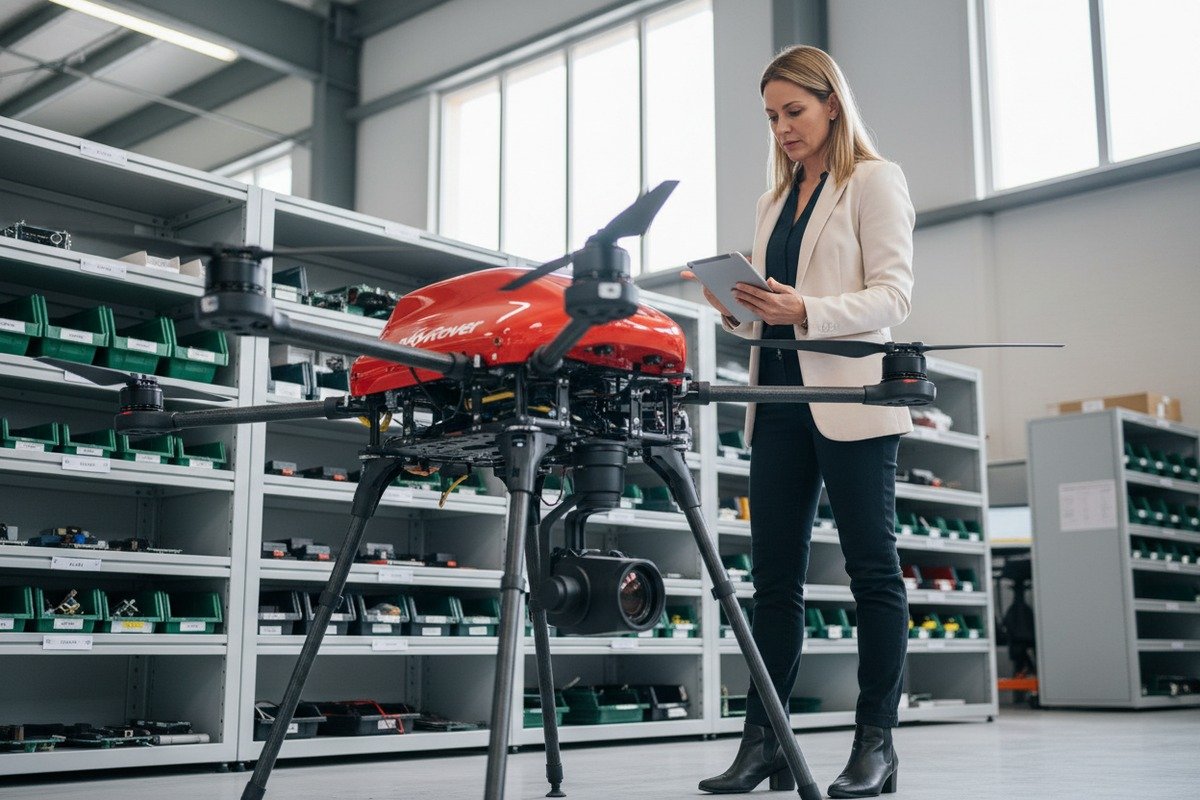
Every week, our production floor receives urgent calls from DaaS operators 1 whose drones failed mid-mission. Smoke damage, battery failures, and sensor malfunctions cost them contracts and credibility. These problems stem from one root cause: sourcing drones without understanding the right metrics.
When sourcing firefighting drones for DaaS operations, you must prioritize structural durability ratings (IP55+), flight endurance exceeding 45 minutes, thermal sensor resolution of 640×512 or higher, payload stability under 10 m/s winds, BVLOS certification readiness, and supplier SLAs guaranteeing 99% uptime with responsive technical support.
The firefighting drone market is projected to reach $638 million by 2033 IP55+ ratings 2. DaaS operators who master these sourcing metrics will capture the largest share. Let me walk you through each critical factor based on what we see from our engineering tests and customer feedback.
How do I assess the structural durability and weather resistance of drones for my firefighting service?
When our engineers stress-test drones in simulated fire conditions, we see clear patterns in what survives and what fails ISO 9001 manufacturing certification 3. Many operators learn this lesson too late—after their fleet sits grounded during peak wildfire season.
Assess structural durability by verifying IP55+ ratings for water and dust resistance, temperature tolerance from 0-50°C, carbon fiber or reinforced polymer frames, thermal smoke shielding, and wind resistance up to 10 m/s. Request third-party test certificates and ask suppliers for failure rate data from field deployments.

Understanding IP Ratings for Fire Environments
IP ratings tell you exactly what environmental exposure your drone can handle. The first digit rates dust protection (0-6). The second rates water protection (0-9). For firefighting, you need minimum IP55.
Our testing shows that drones below IP55 fail within three months of regular wildfire deployment. Smoke particles penetrate motor housings. Water from firefighting operations shorts electronics. These failures happen suddenly and without warning.
| IP Rating | Dust Protection | Water Protection | Firefighting Suitability |
|---|---|---|---|
| IP44 | Protected from objects >1mm | Splash resistant | Not recommended |
| IP54 | Dust protected | Splash resistant | Minimum acceptable |
| IP55 | Dust protected | Low-pressure jets | Recommended standard |
| IP67 | Dust tight | Immersion up to 1m | Premium option |
Frame Material Considerations
Carbon fiber frames 4 offer the best strength-to-weight ratio. They resist heat better than plastic composites. However, not all carbon fiber is equal.
Our Q6 V3 and NETRA V4 PRO models use aerospace-grade woven carbon fiber. This material shows visible texture patterns—a quick visual check for quality. Cheaper drones use carbon fiber-reinforced plastic, which cracks under thermal stress.
Temperature and Smoke Tolerance
Active fire zones reach temperatures exceeding 200°C at ground level. Your drone won't fly through flames, but it must handle radiant heat and hot air currents.
Look for operating ranges of -20°C to 50°C minimum. Our thermal smoke shielding technology protects sensitive electronics from particulate damage. Without this protection, smoke infiltrates cooling systems and causes overheating within 15-20 minutes of exposure.
Wind Resistance Specifications
Fire creates its own weather. Updrafts near active wildfires exceed 15 m/s. Urban fires in building corridors create unpredictable turbulence.
Verify wind resistance ratings carefully. Marketing claims often cite ideal conditions. Ask for performance data at maximum payload. A drone rated for 12 m/s empty may only handle 8 m/s when carrying thermal cameras and communication equipment.
Which flight endurance and payload stability metrics are most critical for my DaaS operational efficiency?
In our experience exporting to fire departments across the US and Europe, we hear the same complaint repeatedly. Drones with impressive specs on paper underperform in real missions. Flight time drops 40% when carrying full sensor payloads in hot, turbulent air.
Critical metrics include real-world flight endurance exceeding 45 minutes under load, payload capacity of 2.5kg minimum, gimbal stabilization maintaining accuracy in winds up to 10 m/s, hot-swappable battery systems enabling under-60-second changeovers, and transmission range of 15km or unlimited via 5G for large-scale wildfire coverage.

Real-World Flight Time vs. Marketing Claims
Manufacturers often advertise flight times under ideal conditions: no wind, no payload, moderate temperature. These numbers mislead DaaS operators planning mission schedules.
When we calibrate our flight controllers, we test at maximum takeoff weight in 8 m/s crosswinds. This gives customers accurate data for mission planning. A 55-minute rated drone typically delivers 35-40 minutes of useful operational time.
| Drone Category | Advertised Flight Time | Real-World Time (Full Payload) | Recommended Use |
|---|---|---|---|
| Entry Level | 26-30 minutes | 15-20 minutes | Short assessments |
| Professional | 40-55 minutes | 28-38 minutes | Standard operations |
| High-Endurance | 90+ minutes | 60-75 minutes | Extended wildfire coverage |
| Hybrid VTOL | 120+ minutes | 90-100 minutes | Large-area mapping |
Payload Capacity and Balance
Firefighting missions require multiple sensors working simultaneously. A typical loadout includes thermal camera, RGB camera, spotlight, and communication relay equipment. Total weight often exceeds 2kg.
Undersized payload capacity 5 forces operators to choose between sensors. This creates intelligence gaps. Our octocopter configurations handle 2.7kg payloads while maintaining stable flight characteristics.
Center of gravity shifts during flight as batteries discharge. Quality drones compensate automatically. Budget models become increasingly unstable toward mission end—exactly when pilots need maximum control precision.
Battery Management for Continuous Operations
DaaS efficiency depends on minimizing ground time between missions. Hot-swappable batteries allow changeovers in under 60 seconds without powering down avionics.
We design our battery compartments for field accessibility. Operators wearing fire gloves can complete swaps quickly. This matters when your client is waiting for aerial intelligence during an active emergency.
Battery health monitoring prevents mid-mission failures. Our systems track charge cycles, internal resistance, and cell balance. We push alerts when batteries approach replacement thresholds—typically 300-400 cycles for high-drain firefighting operations.
Transmission Range and Reliability
Wildfires spread across thousands of acres. Urban incidents require coverage across multiple city blocks with buildings blocking signals.
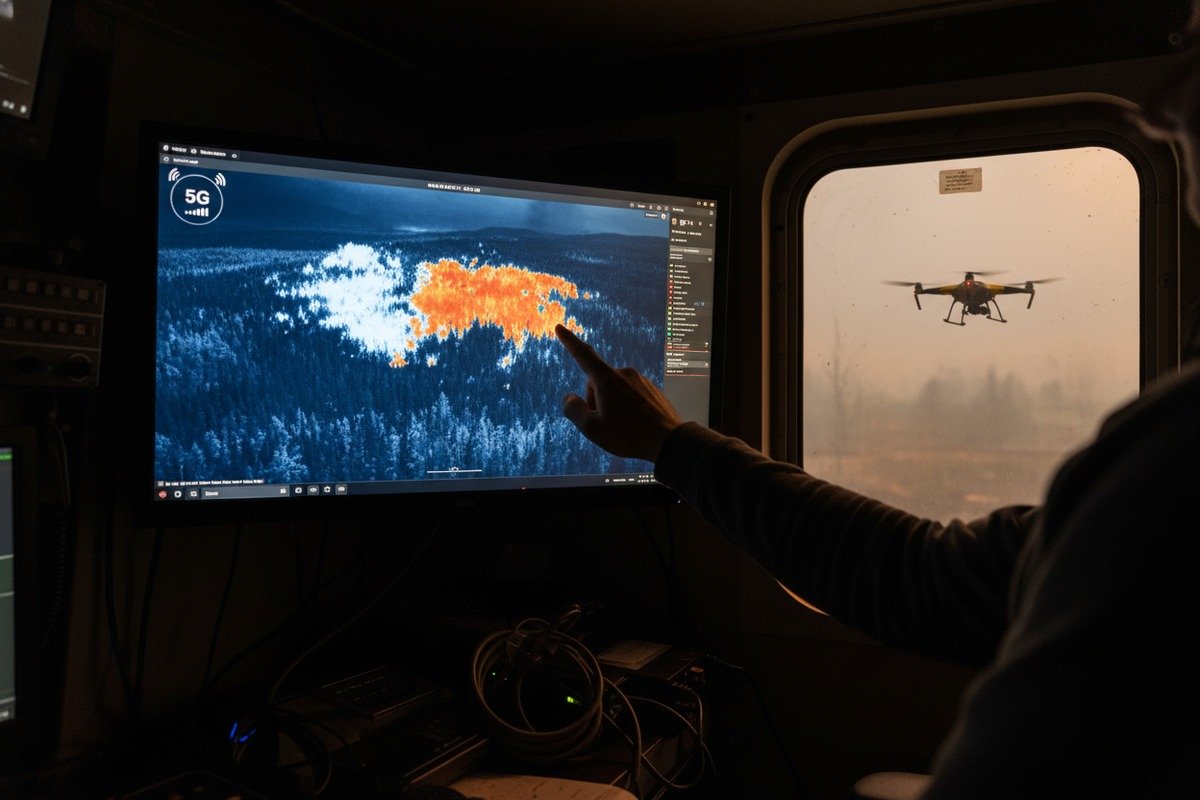
Standard transmission ranges of 5-9 miles work for contained incidents. Large-scale operations demand unlimited range via 5G cellular 6 or satellite connectivity. Our latest models support both options.
Signal stability matters more than maximum range. A drone that loses connection during critical reconnaissance creates liability. Redundant communication paths—primary radio plus cellular backup—ensure continuous data flow.
Can I customize the drone's software and hardware to align with my specific firefighting mission profiles?
Our engineering team works closely with DaaS operators to develop mission-specific configurations. Standard off-the-shelf drones rarely match the exact requirements of specialized firefighting services. Customization capability separates adequate suppliers from true partners.
Yes, reputable manufacturers offer extensive customization including proprietary flight modes for fire behavior, custom sensor integration APIs, configurable payload mounting systems, white-label software interfaces, and mission-specific AI algorithms for hotspot detection and predictive fire modeling. Verify OEM capabilities and request development timelines before committing.

Software Customization Options
Firefighting requires specialized flight behaviors. Standard commercial drones lack automatic responses to sudden thermal updrafts. They don't integrate with incident command systems 8. Their mapping outputs don't match fire service GIS standards.
When we develop custom firmware, we address these gaps directly. Our SDK allows DaaS operators to create proprietary flight modes. Common requests include automated grid search patterns, thermal threshold alerts, and GPS waypoint logging synchronized with ground team positions.
| Customization Type | Development Time | Typical Cost Range | Complexity Level |
|---|---|---|---|
| UI Branding/White Label | 2-4 weeks | Low | Simple |
| Custom Flight Modes | 4-8 weeks | Medium | Moderate |
| Sensor Integration API | 6-12 weeks | Medium-High | Complex |
| AI Algorithm Development | 12-24 weeks | High | Advanced |
| Full Platform Customization | 24-52 weeks | Very High | Enterprise |
Hardware Modification Capabilities
Physical customization extends drone utility across diverse mission types. Modular payload bays accept different sensor packages without airframe modifications. Quick-release mounts enable field swaps between thermal cameras, gas detectors, and loudspeaker systems.
Our design philosophy prioritizes modularity. Standard rail systems accept third-party accessories. Electrical interfaces provide regulated power for custom equipment. This approach protects your investment as mission requirements evolve.
Frame modifications require careful engineering. Changes affect weight distribution, flight dynamics, and structural integrity. We maintain engineering capacity for custom frame development, but timelines extend significantly compared to software-only modifications.
Integration with Command Systems
Modern fire departments use sophisticated incident management platforms. Your drone data must flow seamlessly into these systems. Otherwise, aerial intelligence sits isolated while ground commanders make decisions without it.
We support standard protocols including NIMS/ICS data formats, CoT (Cursor on Target) for real-time position sharing, and KML/GeoTIFF exports for mapping integration. Custom API development connects our drones with proprietary platforms used by major fire departments.
SafeScout integration represents a recent success story. DaaS operators using our drones with SafeScout overlay report 25% reductions in suppression time. This efficiency gain comes from data fusion—combining aerial thermal data with GIS terrain information automatically.
White-Label and OEM Options
Many DaaS operators build brands around their service offerings. Flying generic drones undermines this positioning. OEM partnerships allow complete rebranding.
We provide white-label options including custom color schemes, branded controller interfaces, and operator-specific startup screens. Packaging arrives with your company identity. End customers see your brand, not ours.
OEM agreements also cover documentation, training materials, and support scripts. Your technicians become the first point of contact. Our engineers provide background support when issues exceed your team's expertise.
What certifications and technical support standards should I demand from my supplier to ensure my fleet stays operational?
When we receive support tickets from US customers, response time determines whether their next contract gets fulfilled or lost. Technical problems at 2 AM during a wildfire season don't wait for business hours. Certification gaps discovered during audits shut down operations entirely.
Demand FAA Part 107 compliance documentation, BVLOS waiver support, CE/FCC certification for your target markets, ISO 9001 manufacturing certification, 24/7 technical support with guaranteed response times under 4 hours, spare parts inventory guarantees, and Service Level Agreements specifying 99% fleet uptime with financial penalties for non-compliance.
Essential Regulatory Certifications
Operating firefighting drones commercially requires specific certifications. Requirements vary by jurisdiction but share common elements. Missing certifications expose DaaS operators to regulatory action and liability.
For US operations, your supplier must provide Part 107 compliance documentation 9. BVLOS waivers require additional aircraft-specific approvals. We maintain active COA (Certificate of Authorization) support for customers pursuing large-scale wildfire operations where visual line of sight becomes impractical.
European markets require CE marking and specific drone class certifications under EU regulations. Our drones carry both C2 and C4 classifications depending on configuration. We provide complete documentation packages including declarations of conformity and technical files.
| Certification | Purpose | Geographic Scope | Renewal Frequency |
|---|---|---|---|
| FAA Part 107 | Commercial operation | United States | Pilot: 24 months |
| BVLOS Waiver | Extended range ops | United States | Varies by waiver |
| CE Marking | Product safety | European Union | None (continuous) |
| FCC Part 15 | Radio emissions | United States | None |
| ISO 9001 | Manufacturing quality | Global | Annual audit |
Service Level Agreement Essentials
SLAs transform vague support promises into enforceable commitments. Without them, suppliers prioritize other customers during your crisis.
Demand specific metrics: response times, resolution times, uptime guarantees, and spare parts availability. Our standard DaaS support SLA guarantees first response within 4 hours, replacement parts shipped within 24 hours, and 99% fleet availability calculated monthly.
Financial penalties create accountability. If we fail uptime commitments, customers receive service credits. This alignment of incentives ensures our support team treats every ticket with appropriate urgency.
Technical Support Infrastructure
24/7 availability matters for emergency services. Fires don't follow business hours. Neither should your supplier's support.
We maintain support centers across time zones. Engineers with specific model expertise handle escalations. Remote diagnostics capabilities allow our team to access flight logs and system telemetry—often identifying problems before customers notice symptoms.
Training programs extend your team's self-sufficiency. We offer certification courses covering field maintenance, troubleshooting, and flight operations. Graduates handle routine issues independently, reserving manufacturer support for complex problems.
Spare Parts and Inventory Management
Component failures during fire season devastate DaaS operations. Waiting two weeks for a motor replacement means lost contracts and damaged reputation.
Verify your supplier maintains regional spare parts inventory. We stock critical components—motors, ESCs, batteries, and gimbal assemblies—at distribution centers serving major markets. Standard parts ship same-day for orders placed before noon local time.
Predictive maintenance reduces emergency repair needs. Our fleet management software tracks component hours and recommends replacements before failures occur. This proactive approach keeps aircraft flying instead of sitting in repair queues.
Conclusion
Sourcing durable firefighting drones for DaaS operations requires systematic evaluation of structural ratings, flight performance, customization options, and supplier support standards. The metrics outlined here protect your investment and ensure operational reliability when your clients need you most.
Footnotes
1. Explains the concept and benefits of Drone as a Service. ↩︎
2. Details the meaning and protection levels of IP55 ratings for environmental resistance. ↩︎
3. Highlights the importance and benefits of ISO 9001 for quality management in manufacturing. ↩︎
4. Explains the advantages and properties of carbon fiber as a drone frame material. ↩︎
5. Explains the importance of drone payload capacity and its impact on mission versatility. ↩︎
6. Details how 5G technology enhances drone communication, range, and reliability for operations. ↩︎
7. Discusses factors influencing drone flight time and how to achieve longer operational periods. ↩︎
8. Defines the Incident Command System (ICS) as a standardized framework for emergency management. ↩︎
9. Provides an official summary of the FAA’s regulations for commercial drone operations. ↩︎

 English
  Español de México
  Deutsch
  Français
  Русский
  العربية
