
When our engineering team first started adapting our agricultural drones for European markets, we quickly realized that the regulatory landscape was unlike anything else in the world EASA Regulations 2019/947 1. Buyers often feel lost navigating the patchwork of EU-wide bans, national derogations, and evolving standards.
European pesticide spraying effectiveness standards for agricultural drones primarily focus on drift minimization, EASA aviation compliance, national derogation requirements, and pesticide authorization under Directive 2009/128/EC. No single EU-wide efficacy benchmark exists; instead, buyers must verify equipment meets SPISE inspection criteria and member state-specific approvals.
Understanding these regulations before purchasing can save you months of delays and costly modifications Regulation EC 1107/2009 2. Let us walk through the key standards and practical steps you need to know.
How do I verify that my imported agricultural drone complies with EU pesticide application and drift standards?
Our experience exporting to European distributors has shown us that compliance verification is the single biggest concern for buyers Geo-Fencing for Environmental Protection 3. Many assume that a drone legal in one country will work everywhere in the EU, but this is rarely true.
To verify compliance, confirm your drone meets EASA Regulations 2019/947 and 2019/945 for aviation, check that pesticides are authorized for aerial use under Regulation EC 1107/2009, obtain drift test results from your manufacturer, and secure the specific derogation required by your target member state.
Understanding the EU-Wide Prohibition Framework
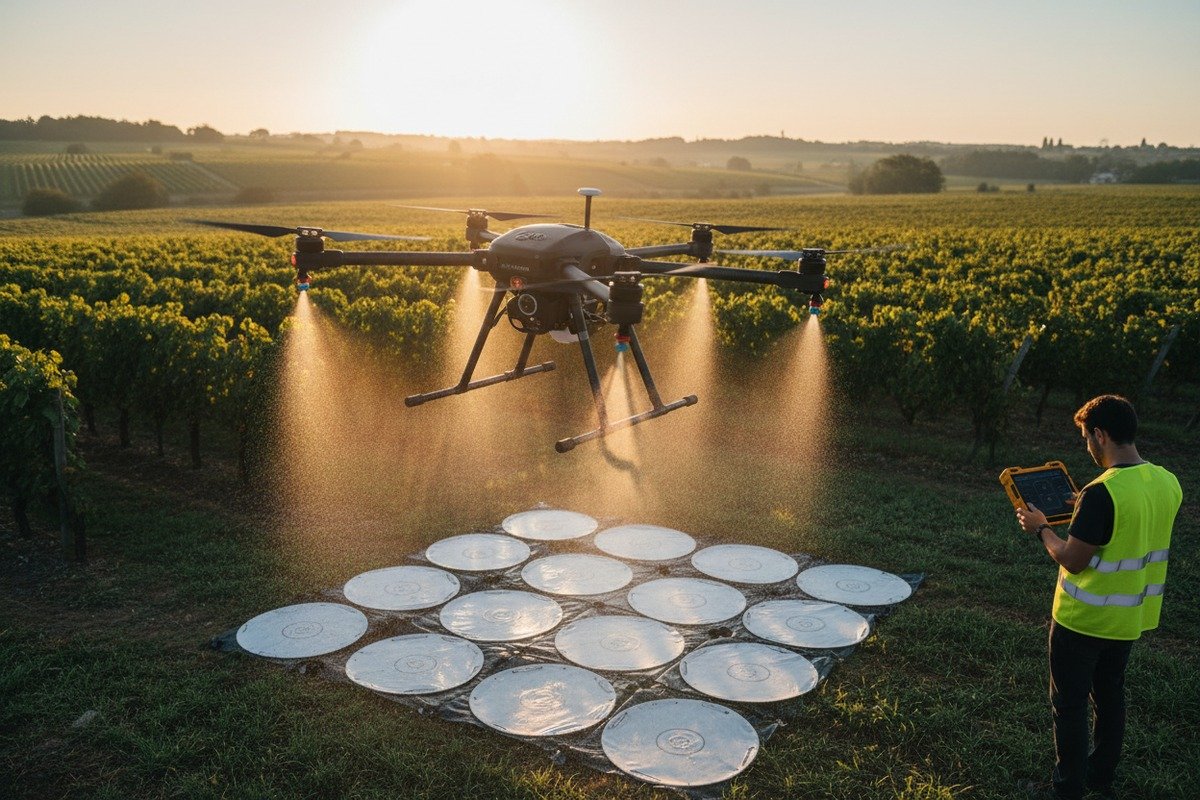
Aerial spraying of pesticides is generally prohibited across the EU under Directive 2009/128/EC 4. This includes drone-based applications. The ban exists because spray drift 5 poses risks to human health, biodiversity, and water sources.
However, derogations are possible. Member states can permit drone spraying under strict conditions:
- No viable ground-based alternative exists
- The pesticide is approved for aerial application
- Operators hold required certifications
- Equipment meets specific drift-reduction standards
Aviation Category Requirements
When your drone carries or drops pesticides, it typically shifts from the OPEN category to SPECIFIC or CERTIFIED categories under EASA rules. This has major implications:
| EASA Category | Requirements | Typical Use Case |
|---|---|---|
| OPEN | Basic pilot certification, visual line of sight | Monitoring, mapping |
| SPECIFIC | Operational authorization, risk assessment (PDRA) | Pesticide spraying |
| CERTIFIED | Full aircraft certification, licensed operator | Large-scale commercial operations |
Most agricultural spraying drones fall into the SPECIFIC category. You will need an Operational Authorization (OA) or operate under a Light UAS Operator Certificate (LUC).
Drift Testing Documentation
When we ship drones to European customers, we always include drift test documentation. This is critical because authorities require proof that your equipment minimizes spray drift.
Key parameters in drift testing include:
- Droplet size distribution
- Flight height restrictions (often 3-5 meters maximum)
- Flight speed limits
- Nozzle type and configuration
Our standard agricultural sprayers use anti-drift nozzles that produce larger droplets, reducing the chance of wind carrying chemicals off-target.
Country-Specific Derogation Examples
| Country | Status | Permitted Uses | Key Restrictions |
|---|---|---|---|
| Germany | Derogation granted | Fungicides in steep vineyards | Low flight height, restricted speed, anti-drift nozzles required |
| Ireland | Highly restricted | Fertilization, monitoring only | Herbicide use prohibited |
| Spain | Trial phase | GO PhytoDron and DRONSafe projects | Risk assessment ongoing |
| UK (post-Brexit) | Risk envelope approach | Case-by-case authorization | Similar to EU standards |
Before purchasing, contact the national plant protection authority in your target market. Request their current derogation requirements and approved equipment list.
What specific certifications should I look for to ensure my drone meets European spraying efficiency requirements?
During quality control at our production facility, we test every agricultural drone against the certification requirements our European partners have specified. Without the right certifications, your drone will sit in a warehouse instead of working in the field.
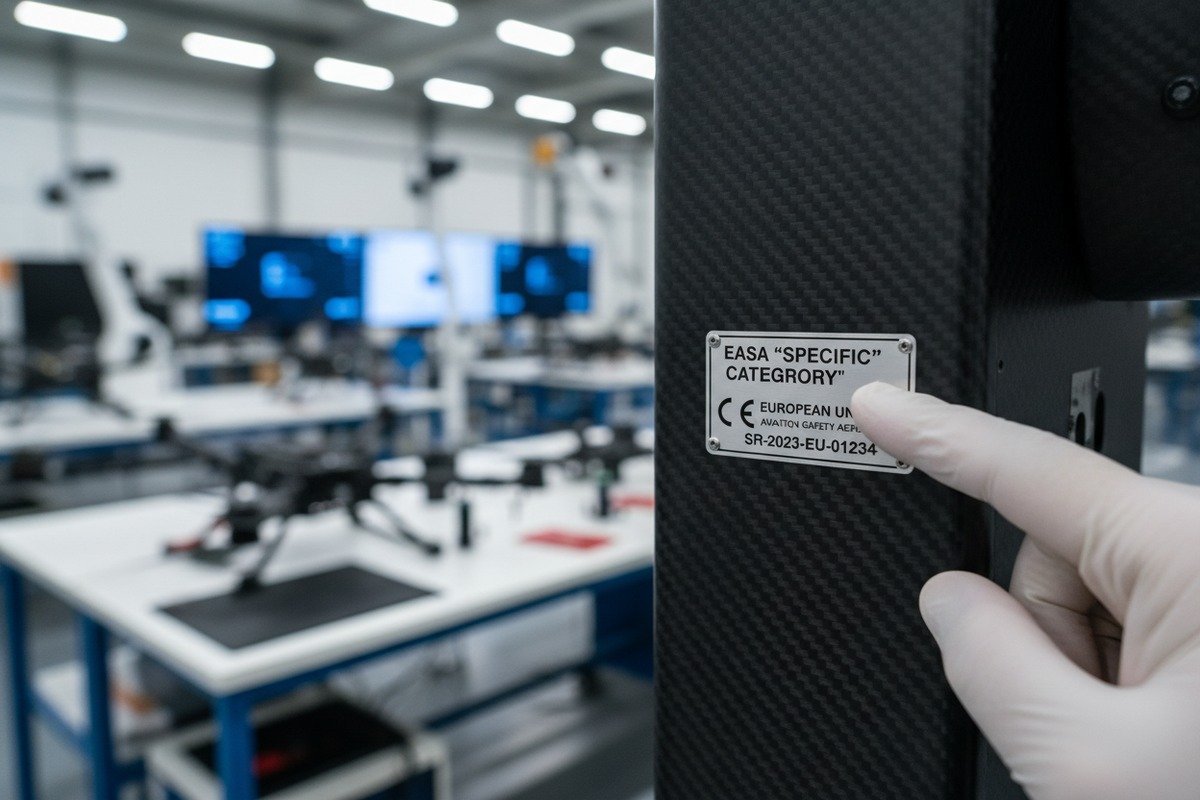
Key certifications include EASA compliance marks for the SPECIFIC category, CE marking for EU market access, SPISE (Standardised Procedure for the Inspection of Sprayers in Europe) compatibility documentation, and national operator certifications. Additionally, verify that your pesticides carry specific aerial application authorization.
EASA Compliance Documentation
Your drone manufacturer should provide documentation proving the aircraft meets EASA Regulations 2019/945 (technical standards) and 2019/947 (operational rules). For spraying operations, you need:
- C-class identification label (if applicable)
- Remote identification capability
- Geo-awareness system
- Technical specifications matching declared capabilities
Our drones come with complete EASA documentation packages. We work with European testing laboratories to ensure all technical claims are verified.
CE Marking Requirements
CE marking 6 demonstrates your drone meets EU health, safety, and environmental protection standards. For agricultural drones, this covers:
- Electromagnetic compatibility (EMC) 7
- Radio equipment directive compliance
- Machinery directive requirements (for spraying systems)
Without CE marking, customs authorities can refuse entry to your shipment.
SPISE Inspection Compatibility
The Standardised Procedure for the Inspection of Sprayers in Europe 8 (SPISE) provides a framework for testing spraying equipment. While originally designed for ground-based sprayers, these standards are increasingly applied to drones.
SPISE inspections evaluate:
| Parameter | What It Measures | Why It Matters |
|---|---|---|
| Nozzle output uniformity | Variation in spray volume across nozzles | Ensures even coverage |
| Pressure consistency | Stability of spraying pressure during operation | Prevents over/under application |
| Droplet size spectrum | Size distribution of spray droplets | Controls drift potential |
| Distribution pattern | Evenness of spray across swath width | Maximizes efficacy |
When we design our spraying systems, we use nozzle configurations that meet SPISE criteria. Ask your manufacturer for SPISE test results before purchasing.
Operator Certification Requirements
Even with a compliant drone, operators need proper certification. Requirements typically include:
- Drone pilot license for SPECIFIC category operations
- Plant protection specialist qualification
- Member state-specific aerial application permit
In many countries, the drone operator and a qualified plant protection advisor share joint responsibility for safe and effective application. This dual-responsibility model means your team needs training in both aviation and agricultural chemistry.
Future Certification Trends
The EUPAF (European Union Platform for Aerial Application of Fertilizers and Plant Protection Products) UAV subgroup is developing new standards. Expected developments include:
- Mandatory AI integration for real-time pest detection
- Cybersecurity protocols for mission planning software
- Drone-specific pesticide formulation approvals
- Post-application efficacy reporting requirements
We are already incorporating these anticipated requirements into our product development. This helps our customers stay ahead of regulatory changes.
Can I collaborate with my manufacturer to customize the spraying software for local European environmental regulations?
When we first began working with German vineyard operators, they needed specific flight parameter limits programmed directly into the drone software. This collaboration became the model for how we approach all European customization projects.
Yes, you can and should collaborate with your manufacturer to customize spraying software for local regulations. At our facility, we offer firmware modifications for flight height limits, speed restrictions, geo-fencing for sensitive areas, variable rate application algorithms, and integration with national pesticide databases. This customization ensures regulatory compliance and optimizes effectiveness.

Why Software Customization Matters
European regulations often specify exact operational parameters. Hard-coding these limits into your drone software provides several benefits:
- Prevents accidental regulatory violations
- Creates audit trails for inspections
- Enables precision application matching local conditions
- Demonstrates good faith compliance to authorities
Our engineering team can modify flight controller firmware, ground station software, and spraying system controls to meet your specific requirements.
Common Customization Requests
Based on our European projects, here are the most common software modifications we implement:
Flight Parameter Limits
- Maximum altitude (typically 3-5 meters for spraying)
- Maximum speed (often 5-7 m/s)
- Minimum distance from field boundaries
- Buffer zones around water bodies
Application Controls
- Variable rate application based on prescription maps
- Automatic shutoff when leaving designated spray zones
- Flow rate calibration for approved pesticide viscosities
- Droplet size adjustment for weather conditions
Data Recording
- GPS-tagged application logs
- Chemical usage tracking
- Weather condition recording
- Operator identification stamps
Integration with Precision Agriculture Platforms
Many European farms use precision agriculture software that generates variable rate application maps. precision agriculture platforms 9 Our drones can integrate with these systems through:
| Platform Type | Integration Method | Data Exchanged |
|---|---|---|
| Farm management software | API connection | Prescription maps, application records |
| Satellite imagery services | Direct import | NDVI maps, field boundaries |
| Soil sampling databases | CSV/Shapefile import | Nutrient requirement zones |
| Weather stations | Real-time feed | Wind speed, temperature, humidity |
This integration allows your drone to automatically adjust spraying patterns based on crop health data, applying more product where needed and less where sufficient coverage exists.
Geo-Fencing for Environmental Protection
European regulations often require buffer zones around sensitive areas. Our software can enforce:
- No-spray zones around water bodies
- Restricted areas near residential properties
- Protected habitat exclusion zones
- Property boundary limits
We program these restrictions using geo-fence coordinates provided by your local authority or environmental agency.
Collaborative Development Process
When you work with our team on software customization, the process typically follows these steps:
- Requirement gathering: You provide local regulatory documents and operational needs
- Technical review: Our engineers assess feasibility and timeline
- Development: We modify software and conduct internal testing
- Validation: You test the modified system in your environment
- Refinement: We make adjustments based on field feedback
- Documentation: We provide compliance documentation for authorities
This collaborative approach ensures your drone meets both regulatory requirements and practical operational needs.
What technical support will my supplier provide if I need to calibrate my drone for European precision agriculture standards?
Our service team has learned that technical support is just as important as the drone itself. When we calibrate flight controllers at our testing facility, we document every setting so our field support teams can reproduce that configuration anywhere in the world.
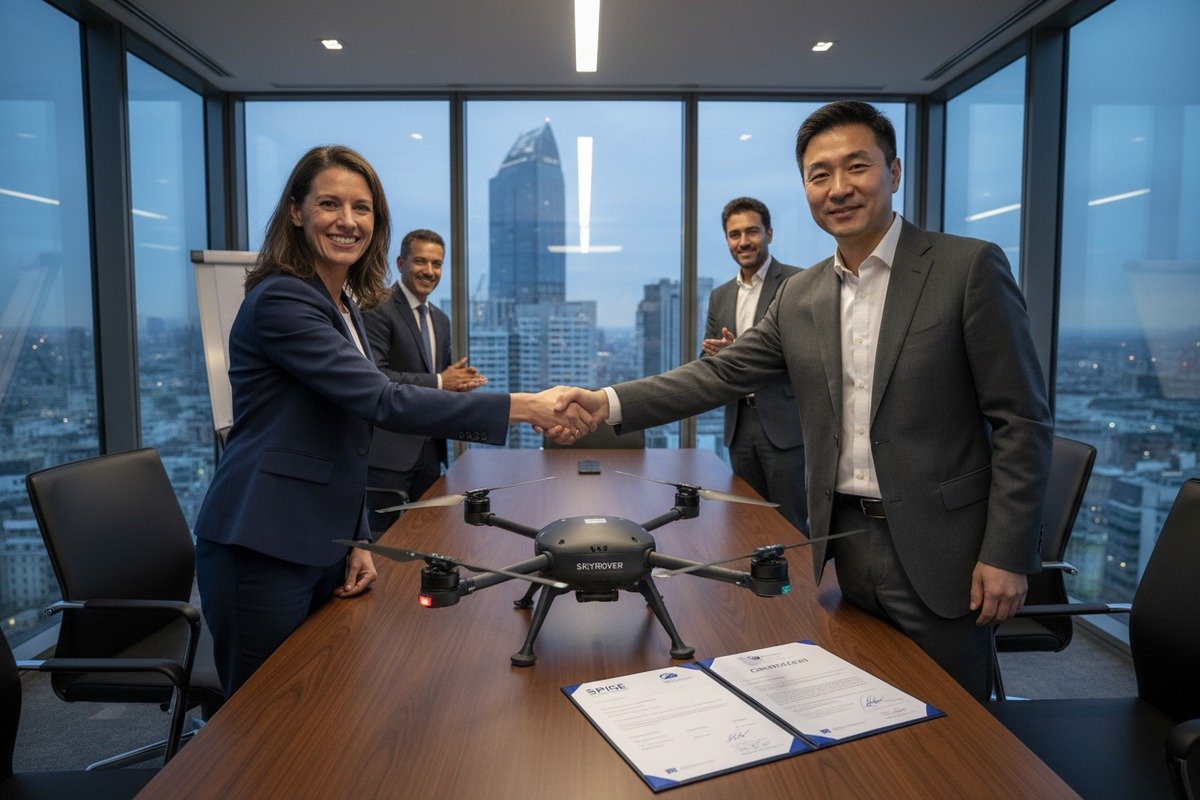
A quality supplier should provide pre-delivery calibration to European specifications, remote technical support via video call, detailed calibration documentation, firmware update services, on-site training options, spare parts availability, and ongoing compliance guidance as regulations evolve. Ask potential suppliers about their European-specific support capabilities before purchasing.
Pre-Delivery Calibration Services
Before shipping drones to European customers, we perform calibration specific to their requirements:
Spraying System Calibration
- Nozzle flow rate verification
- Pressure system testing
- Tank level sensor calibration
- Pump performance validation
Flight System Calibration
- GPS accuracy verification
- Altitude sensor calibration
- Speed limiter testing
- RTK positioning setup (if equipped)
Software Configuration
- Regulatory parameter programming
- Geo-fence boundary loading
- Application rate tables
- Weather compensation settings
We provide calibration certificates documenting all settings and test results.
Remote Support Capabilities
Distance should not prevent effective technical support. Our remote support includes:
| Support Type | Response Time | Method |
|---|---|---|
| Emergency troubleshooting | 4-24 hours | Video call with screen sharing |
| Routine questions | 24-48 hours | Email with documentation |
| Firmware updates | Scheduled | Secure file transfer |
| Calibration guidance | Appointment-based | Live video walkthrough |
We maintain support staff trained specifically on European regulatory requirements. They understand the technical implications of compliance rules and can guide you through adjustments.
Documentation Packages
Complete documentation supports both operations and regulatory compliance. Our standard packages include:
- User manuals in local languages
- Calibration certificates
- EASA compliance documentation
- CE marking certificates
- Maintenance schedules
- Troubleshooting guides
- Regulatory compliance summaries
For European customers, we add country-specific guidance documents explaining how our drone meets local derogation requirements.
Training Programs
Effective operation requires proper training. We offer:
Online Training
- Video tutorials for basic operation
- Webinars on calibration procedures
- Recorded sessions on European compliance
On-Site Training
- Initial setup and calibration
- Operator certification preparation
- Maintenance procedures
- Emergency response protocols
Our European partners often combine on-site training with their first equipment delivery.
Spare Parts and Maintenance
Downtime costs money. We maintain spare parts inventories and can ship to European destinations quickly. Common replacement items include:
- Spray nozzles and filters
- Pump assemblies
- Propellers and motors
- Battery packs
- Sensors and cables
We also provide maintenance kits containing consumables needed for routine service intervals.
Ongoing Compliance Support
European regulations evolve constantly. The 2024 SUR regulation proposal, though withdrawn, signaled future directions. We monitor regulatory developments and notify customers of relevant changes.
Our compliance support includes:
- Regulatory update newsletters
- Software patches for new requirements
- Guidance on upcoming standards
- Connection to local compliance consultants
This ongoing relationship ensures your equipment remains compliant as rules change.
Conclusion
Navigating European pesticide spraying standards requires understanding both aviation and agricultural regulations across multiple jurisdictions. Work with a manufacturer who knows these requirements and can support your compliance journey from purchase through ongoing operations.
Footnotes
1. EASA’s consolidated rules and procedures for unmanned aircraft operations in the EU. ↩︎
2. Official EU regulation concerning the placing of plant protection products on the market. ↩︎
3. EASA’s explanation of drone geographical zones and geo-fencing for safety and environmental protection. ↩︎
4. Official EU directive establishing a framework for sustainable pesticide use. ↩︎
5. Explains pesticide drift, its effects on health, environment, and crops. ↩︎
6. Official guide to CE marking, its requirements, and significance for EU market access. ↩︎
7. Official EU directive ensuring electrical and electronic equipment operates without electromagnetic disturbance. ↩︎
8. Provides technical instructions and procedures for harmonizing sprayer inspections in Europe. ↩︎
9. European Commission’s overview of digitalizing agriculture, including precision farming technologies. ↩︎

 English
  Español de México
  Deutsch
  Français
  Русский
  العربية
