
When our engineering team designs heavy-duty agricultural spraying drones, operator safety sits at the center of every decision. You face a real problem: navigating complex U.S. labor regulations while selecting the right drone for your farm operations. U.S. Department of Labor 1
The U.S. Department of Labor protects agricultural drone operators primarily through OSHA’s General Duty Clause, requiring employers to eliminate recognized hazards like chemical exposure, provide proper PPE, and ensure comprehensive training. No drone-specific DOL rules exist, but OSHA’s Hazard Communication Standard (29 CFR 1910.1200) and pesticide handling requirements apply directly to spraying operations.
This guide breaks down exactly what you need to know before purchasing agricultural drones for your U.S. operations. Let’s examine the specific requirements, training protocols, and safety documentation that will keep your workers protected and your business compliant.
How do I ensure my drone fleet complies with OSHA worker safety standards?
Our production facility ships hundreds of agricultural drones to American farms each year. We see firsthand how buyers struggle to match powerful spray equipment with strict workplace safety rules. The stakes are high—OSHA fines can reach thousands of dollars per violation.
To ensure OSHA compliance, your drone fleet must meet General Duty Clause requirements by eliminating recognized hazards, providing appropriate PPE for chemical handling, maintaining safety data sheets for all pesticides, implementing hazard communication programs, and documenting all safety training. Equipment must support these operational safety protocols.

Understanding the General Duty Clause
OSHA's General Duty Clause 2 under Section 5(a)(1) of the OSH Act requires you to provide a workplace free from recognized hazards. For agricultural drone operations, this means addressing chemical drift, inhalation risks, and skin contact dangers during spraying.
When we calibrate our spray systems at the factory, we test for drift patterns and droplet size. But the responsibility falls on you to implement safe operating distances and wind speed limits. Your written safety program should specify these parameters.
Key OSHA Standards for Drone Spraying Operations
| OSHA Standard | Requirement | Application to Drones |
|---|---|---|
| 29 CFR 1910.1200 | Hazard Communication | Labels, SDS, training for all chemicals |
| 29 CFR 1910.132 | PPE General Requirements | Gloves, respirators, eye protection |
| 29 CFR 1910.134 | Respiratory Protection | Program required for chemical exposure |
| 29 CFR 1928 | Agricultural Operations | Field sanitation, pesticide standards |
Building Your Compliance Checklist
Start with a hazard assessment. Identify every chemical your drones will apply. Obtain Safety Data Sheets 3 from manufacturers. These documents tell you exactly what protective equipment workers need.
Next, establish restricted zones during spraying. Our customers in Texas report that 100-foot buffer zones from occupied structures meet most state requirements. Check your local regulations for specific distances.
Document everything. OSHA inspectors want paper trails. Keep records of training dates, equipment inspections, and incident reports. We provide maintenance logs with every drone shipment that you can adapt for this purpose.
Equipment Features That Support Compliance
Modern agricultural drones should include features that make OSHA compliance easier. Look for sealed battery compartments that prevent chemical intrusion. Our hexacopter models feature enclosed motor systems that reduce contamination risks during maintenance.
GPS geofencing prevents drones from entering restricted areas. This technology creates invisible boundaries around schools, hospitals, and residential zones. Emergency return-to-home functions activate if signal is lost, reducing crash risks that could expose workers to chemical spills.
What specific operator training must I provide to meet Department of Labor requirements?
In our experience exporting to the U.S. market since 2018, training gaps cause most compliance problems. Buyers purchase capable equipment but fail to prepare their teams properly. This creates liability exposure that no insurance policy can fully cover.
Department of Labor requirements mandate training in hazard recognition, chemical handling procedures, PPE use, and emergency response. Operators need documented instruction on Safety Data Sheets, exposure symptoms, and first aid protocols. Training must occur before work begins and update annually or when new hazards are introduced.
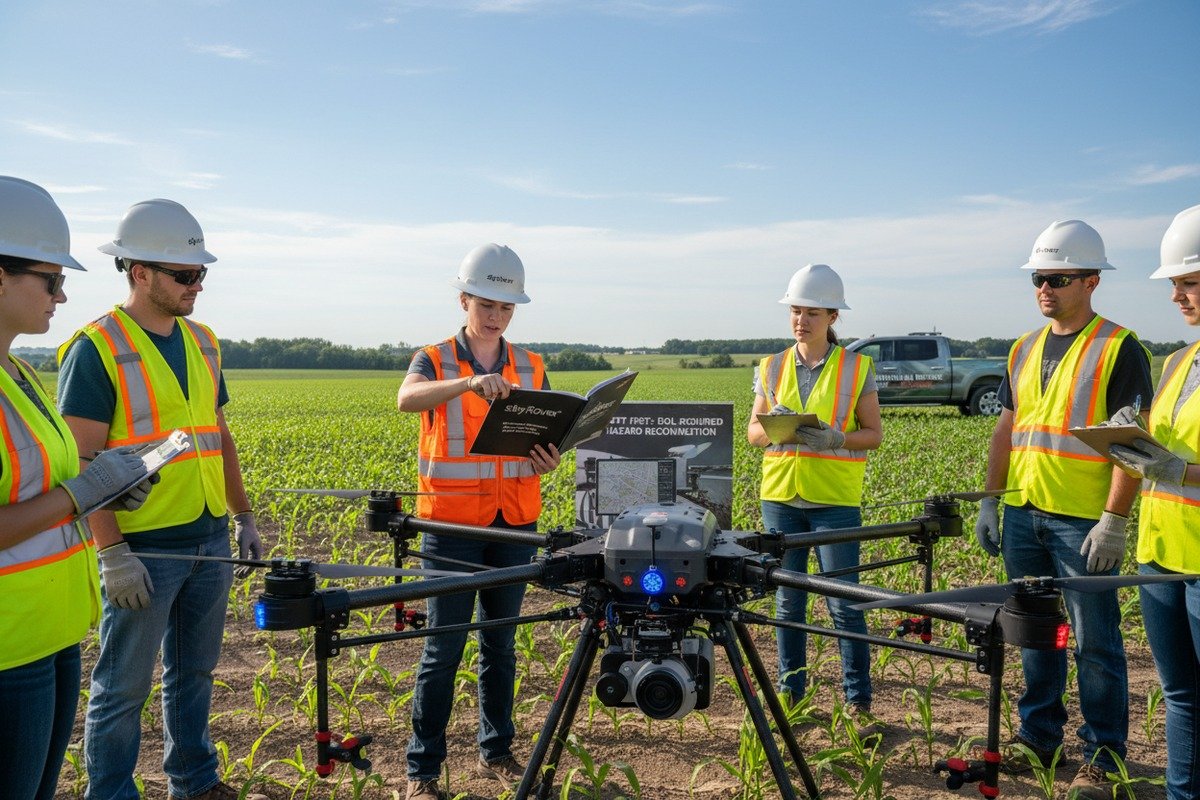
Core Training Components Under OSHA
The Hazard Communication Standard demands specific training elements. Workers must understand the physical and health hazards of chemicals they handle. They need to know where Safety Data Sheets are located and how to read them. Training must cover protective measures and emergency procedures.
Our technical support team provides video tutorials covering drone operation basics. But chemical handling training requires additional resources. Partner with your pesticide supplier or a certified training provider for this component.
Training Documentation Requirements
| Training Element | Frequency | Documentation Needed |
|---|---|---|
| Hazard Communication | Initial + annual | Signed attendance, test scores |
| PPE Proper Use | Initial + when equipment changes | Fit test records, demonstration logs |
| Emergency Response | Initial + annual drills | Drill dates, participant lists |
| Equipment Operation | Initial + new model introduction | Competency verification |
| Chemical Handling | Initial + new products | SDS review confirmation |
Building an Effective Training Program
Start with classroom instruction. Cover the basics of OSHA requirements and your company's safety policies. Explain the specific hazards of each chemical your operation uses. Show workers how to read container labels and Safety Data Sheets.
Move to hands-on practice. Workers should demonstrate proper PPE donning and doffing procedures. They need supervised practice mixing chemicals at correct concentrations. Include emergency drills for spill response and medical emergencies.
Remote Pilot Certification Integration
FAA Part 107 certification 5 provides foundational knowledge but doesn't address chemical hazards. Your training program must bridge this gap. Operators need both the FAA Remote Pilot Certificate and your company's safety training before working independently.
For spray operations under FAA Part 137, additional requirements apply. Pilots must demonstrate knowledge of agricultural practices, weather effects on spray patterns, and emergency procedures. We recommend documenting how your training program meets both FAA and OSHA expectations.
H-2A Worker Special Considerations
If you employ H-2A temporary agricultural workers 6, DOL imposes additional training obligations. These workers must receive instruction in a language they understand. Provide translated materials for Spanish-speaking crew members.
Training must occur during paid work hours. You cannot require workers to attend sessions on their own time. Keep records of interpreter use if needed. Immigration compliance audits often check training documentation.
How can I protect my employees from hazards when handling heavy-duty agricultural drones?
When we design our hexacopter frames using carbon fiber composites, weight distribution and lift capacity drive engineering decisions. Our agricultural models can weigh over 100 pounds fully loaded. This creates handling hazards that many buyers underestimate.
Protect employees by implementing proper lifting techniques, requiring two-person handling for drones over 50 pounds, providing mechanical lifting aids, establishing battery safety protocols, and creating designated maintenance areas with spill containment. Regular equipment inspections and ergonomic assessments prevent injuries from repetitive tasks.
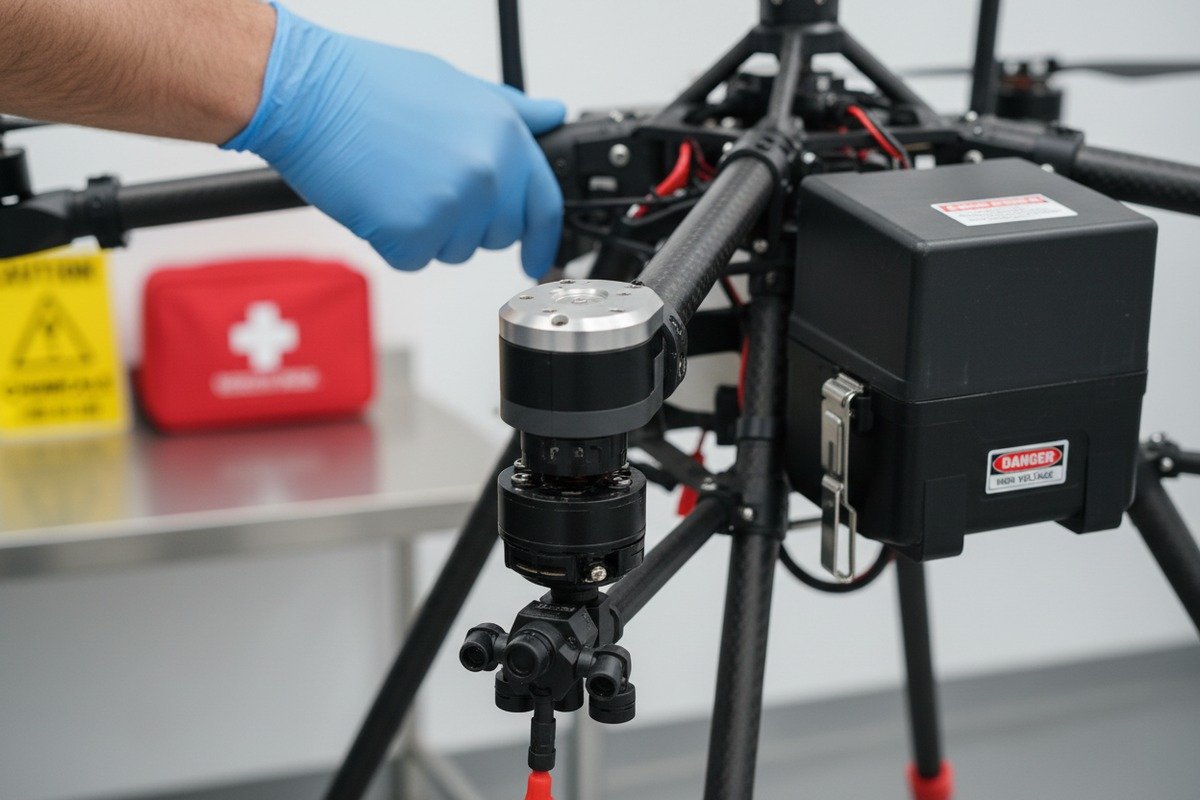
Physical Handling Hazards
Heavy agricultural drones pose musculoskeletal injury risks 7. Loading a 120-pound spray drone onto a truck bed strains backs, shoulders, and knees. Repetitive lifting during battery swaps accumulates damage over time.
Our customers report the best results using portable ramps and dollies. A $200 equipment cart prevents a $20,000 workers' compensation claim. Train workers on proper lifting mechanics—bend at the knees, keep loads close to the body, and avoid twisting while carrying.
Chemical Exposure Protection
| Hazard Type | Protective Measure | Equipment Needed |
|---|---|---|
| Skin contact | Chemical-resistant gloves | Nitrile or neoprene, rated for specific chemicals |
| Inhalation | Respiratory protection | N95 minimum; half-face respirator for concentrated mixing |
| Eye splash | Safety eyewear | Chemical splash goggles, not just safety glasses |
| Clothing contamination | Coveralls | Disposable Tyvek or washable chemical-resistant suits |
| Drift exposure | Buffer zones | GPS geofencing, wind speed monitoring |
Battery Safety Protocols
Lithium-polymer batteries 8 power most agricultural drones. These batteries can catch fire if damaged, overcharged, or stored improperly. Our quality control process includes individual cell testing, but field damage still occurs.
Establish a dedicated charging area away from flammable materials. Use fireproof charging bags or metal containers. Never charge batteries unattended. Inspect batteries before each use for swelling, damage, or unusual warmth.
Damaged batteries require special disposal. Never throw lithium batteries in regular trash. Many electronics retailers accept them for recycling. Document your disposal procedures for environmental compliance records.
Creating Safe Maintenance Areas
Designate specific locations for drone maintenance. These areas need adequate ventilation if you're cleaning spray equipment. Install chemical-resistant flooring or use containment mats to catch drips during tank cleaning.
Stock spill kits appropriate for the chemicals you use. Train workers on spill response procedures. Post emergency contact numbers and SDS locations prominently. Our assembly technicians follow similar protocols—it protects workers and equipment alike.
Noise and Ergonomic Considerations
Agricultural drones generate significant noise during operation. Extended exposure above 85 decibels requires hearing protection under OSHA standards. Our hexacopter models produce approximately 80-90 decibels at typical operating distances.
Controller ergonomics matter for repetitive use. Look for controllers with comfortable grip angles and responsive controls. Awkward hand positions during long spray sessions cause strain injuries. Consider seat-mounted controller systems for extended operations.
Will my drone manufacturer provide the safety documentation I need for U.S. labor compliance?
Our export documentation team prepares hundreds of shipment packages annually for American importers. We understand that customs clearance is only the first hurdle. Your real challenge begins when you need to prove regulatory compliance to OSHA inspectors and insurance auditors.
Reputable manufacturers provide operational manuals, maintenance schedules, safety warnings, and technical specifications. However, Safety Data Sheets for chemicals, site-specific hazard assessments, training curricula, and OSHA compliance programs remain your responsibility. Request manufacturer documentation in English and verify it addresses U.S. regulatory standards.

What Manufacturers Should Provide
| Document Type | Manufacturer Responsibility | Buyer Responsibility |
|---|---|---|
| Operating Manual | Full provision required | Translation verification |
| Maintenance Schedule | Provide intervals and procedures | Implementation and records |
| Safety Warnings | List known hazards | Post in workplace, train staff |
| Technical Specs | Weight, battery type, spray capacity | Incorporate into risk assessments |
| Chemical SDS | Not applicable | Obtain from chemical supplier |
| Training Program | May offer basic operation training | Develop comprehensive OSHA program |
| Hazard Assessment | Not applicable | Create site-specific document |
Evaluating Manufacturer Documentation Quality
Before purchasing, request sample documentation. Read the operating manual carefully. Does it address safety precautions clearly? Are warnings prominent and specific? Our manuals include dedicated safety chapters with hazard pictograms that meet international standards.
Check for English language availability. Machine-translated documents often contain errors that create liability. Ask if the manufacturer employs technical writers fluent in English. We maintain a documentation team specifically for our export markets.
The FCC and Regulatory Documentation Challenge
Recent FCC restrictions on foreign-made drones 9 complicate documentation requirements. New DJI models face authorization blocks after December 2025. If you're purchasing from overseas manufacturers, verify the equipment can receive firmware updates and technical support.
Our approach addresses these concerns directly. We provide full technical specifications that support FAA Part 137 applications. Our documentation packages include component sourcing information for customers pursuing "Buy American" compliance pathways.
Building Your Complete Compliance Package
Manufacturer documentation forms one piece of your compliance puzzle. You must add several elements to satisfy DOL requirements. Create a written hazard communication program specific to your operation. Develop training curricula that reference both equipment manuals and chemical Safety Data Sheets.
Document your PPE selection process. OSHA inspectors want to see that you evaluated hazards and chose appropriate protective equipment. Reference manufacturer warnings about chemical compatibility with drone components. Some pesticides damage seals and tubing if not properly specified.
Requesting Additional Support
Good manufacturers offer more than paper documentation. Ask about technical support availability. When our customers encounter operational questions, our engineering team provides guidance within 24 hours. This support helps you implement safety procedures correctly.
Inquire about training resources. Video tutorials, webinars, and on-site commissioning services help your team operate equipment safely. We offer remote training sessions that cover both equipment operation and maintenance safety protocols.
Some manufacturers provide compliance consultation connections. While we cannot give legal advice, we can recommend industry associations like NAAA that offer regulatory guidance. Building these relationships before you need them prevents compliance scrambles during audits.
Conclusion
Protecting your agricultural drone operators requires combining manufacturer documentation with your own OSHA compliance programs. Train workers thoroughly, provide proper PPE, and document everything. Your investment in safety protects both workers and your business.
Footnotes
1. Official website for the U.S. Department of Labor, providing federal labor law information. ↩︎
2. Direct link to the OSH Act Section 5(a)(1), outlining employer responsibility for workplace safety. ↩︎
3. Replaced with the official OSHA Hazard Communication Standard page, which covers Safety Data Sheets. ↩︎
4. Official OSHA page detailing the Hazard Communication Standard (29 CFR 1910.1200) for chemical safety. ↩︎
5. Official FAA page on requirements for commercial drone pilot certification (Part 107). ↩︎
6. Official DOL page explaining the H-2A program for temporary agricultural employment of foreign workers. ↩︎
7. OSHA’s page on ergonomics, addressing prevention of musculoskeletal disorders in the workplace. ↩︎
8. National Fire Protection Association guidance on safety for lithium-ion batteries. ↩︎
9. FCC’s page on securing communications supply chains, relevant to restrictions on foreign-made equipment. ↩︎

 English
  Español de México
  Deutsch
  Français
  Русский
  العربية
