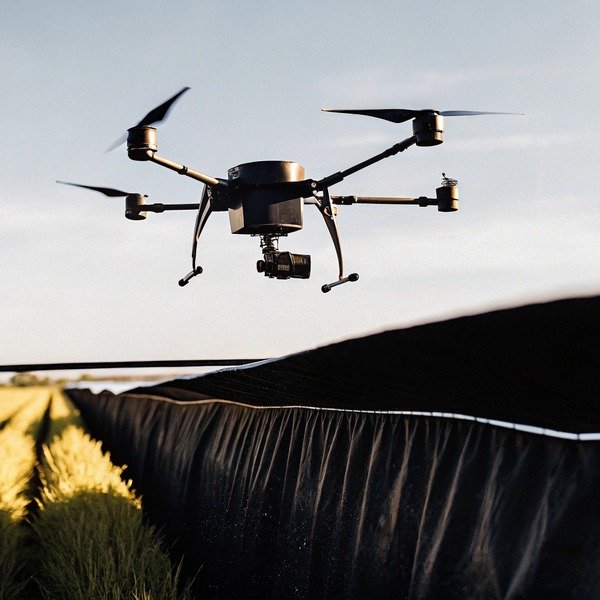
When our production line finishes a batch of drones, clients frequently struggle with the logistics trade-off. Your spraying season schedule is tight, and a delayed shipment could mean missed revenue.
Choose air freight for urgent needs under 200kg to receive drones in 3–7 days, despite higher costs of $8–12 per kg. Select sea freight for bulk orders over 200kg to save 50–75% per unit, accepting delivery times of 20–38 days to maximize profit margins on large fleets.
Let’s examine the specific costs, timelines, and regulations to help you make the right decision.
What is the cost difference between air and sea shipping for my agricultural drone order?
We often see purchase orders stalled because buyers underestimate the impact of freight on their landed cost. Overspending on shipping eats your margin, but cutting corners can risk your supply chain.
Sea freight is typically 50–75% cheaper per unit than air freight, costing roughly $40,000–$60,000 for a bulk order of 500 drones. In contrast, shipping the same volume by air can cost $80,000–$120,000, making ocean transport IATA (International Air Transport Association) regulations 1 the only financial viability for large-scale inventory restocking.
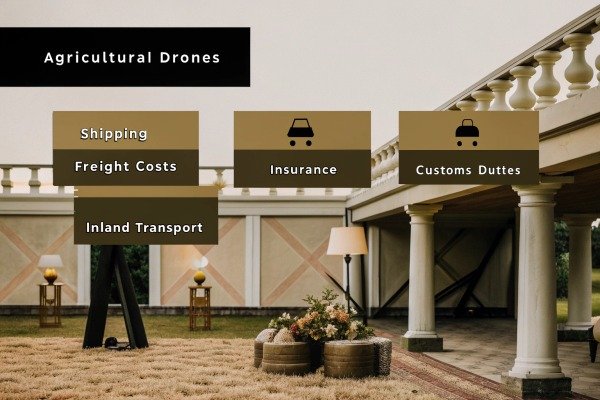
Understanding the true cost of ownership requires looking beyond the basic freight rate. At SkyRover, we help clients calculate the "total landed cost," which includes insurance, customs customs duties 2 duties, and inland transport. The price gap between air and sea freight widens significantly as your order volume increases.
The Mathematics of Bulk Shipping
For agricultural operations, the decision hinges on working capital. If you are ordering a full container of our heavy-lift sprayers, the weight quickly adds up. A shipment of 500 agricultural drones weighs approximately 5,000kg. agricultural drones 3 Based on current market rates, sending this via air freight commands a massive premium.
Air freight rates generally hover between USD 8 and USD 12 per kilogram. This pricing model is aggressive because you are paying for space on a limited cargo plane. Sea freight, however, is priced by volume (CBM) or container (TEU/FEU). When you fill a container, your per-unit shipping cost drops dramatically.
Hidden Costs in Air Freight
While the speed is attractive, air freight often triggers "dimensional weight" charges. Agricultural drones are large, even when folded. Carriers charge based on whichever is greater: actual weight or volumetric weight. actual weight or volumetric weight 4 This means you might pay for 200kg of weight even if the drone only weighs 100kg, simply because the box is bulky.
Conversely, sea freight allows for more efficient stacking. We can optimize pallet configurations to ensure you aren't paying for empty air. However, you must account for the inventory carrying cost—your capital is tied up on the water for over a month.
Cost Breakdown Scenario
To give you a clearer picture, here is a comparison based on a typical mid-sized order we process for US distributors.
| Expense Category | Air Freight (50 Units / ~500kg) | Sea Freight (50 Units / ~500kg) |
|---|---|---|
| Freight Cost | $4,000 – $6,000 | $800 – $1,500 (LCL) |
| Packaging Surcharge | High (Strict IATA Compliance) | Moderate (Standard Export Packing) |
| Destination Charges | $200 – $400 | $500 – $800 |
| Total Estimated Cost | $4,500 – $6,500 | $1,500 – $2,500 |
| Cost Per Drone | $90 – $130 | $30 – $50 |
Note: Prices are estimates and fluctuate based on fuel surcharges and seasonal demand.
How much faster will I receive my drones if I choose air freight over ocean transport?
Watching crops suffer while your equipment sits in a container is a nightmare for any service provider. Our logistics team tracks every shipment to ensure you meet your critical planting windows.
Air freight reduces total transit time by 2–3 weeks, delivering shipments in 3–7 days compared to 25–45 days for sea freight. This speed is critical for seasonal agricultural cycles, whereas sea freight delays can cause you to miss essential spraying or seeding windows.
Time is an asset, especially in agriculture where seasons do not wait. When we export to the US, the "door-to-door" timeline is the only metric that matters to your operations.
The Transit Time Gap
Air freight is remarkably consistent. Once your drones clear Chinese export customs, they are usually in the US within 3 to 7 days. This includes flight time and initial handling. For inland destinations, add another 2–3 days for trucking.
Sea freight is a different beast. A shipment to the West Coast (Los Angeles or Long Beach) takes about 20–25 days Los Angeles or Long Beach 5 on the water. However, if you are located on the East Coast, that transit time extends to 35–45 days.
Port Congestion and Bottlenecks
We often advise clients to consider potential bottlenecks.
- Airports like O'Hare or JFK process cargo relatively quickly.
- Seaports are prone to congestion, labor strikes, and chassis shortages. A container can sit at the port for 5–10 days just waiting to be unloaded.
If you are bringing in equipment for a specific pest control window pest control 6—say, a two-week period in late spring—sea freight is a gamble unless you plan months ahead. Air freight acts as an insurance policy against these delays.
Seasonality Factors
During the pre-planting season, demand for freight space spikes.
- Spring Rush: Everyone wants equipment now. Sea freight capacity tightens, and delays increase.
- Off-Season: If you are restocking for next year, the speed of air freight is unnecessary.
We recommend a hybrid approach for established distributors: use sea freight for your core inventory and air freight for emergency top-ups.
| Shipping Method | China to West Coast US | China to East Coast US | Customs Clearance Speed |
|---|---|---|---|
| Air Freight | 3 – 5 Days | 5 – 7 Days | 1 – 2 Days |
| Sea Freight | 20 – 30 Days | 35 – 45 Days | 3 – 7 Days |
Do lithium battery regulations make it harder for me to ship drones by air?
We pack thousands of high-capacity batteries annually, and a single documentation error can ground your shipment. Compliance is not optional; it is a major logistical hurdle that affects your timeline.
Yes, lithium batteries are Class 9 Dangerous Goods, requiring stricter packaging and IATA documentation for air transport. While sea freight also requires compliance, air regulations are more rigorous, often limiting battery states of charge and increasing shipping costs due to specialized handling requirements.
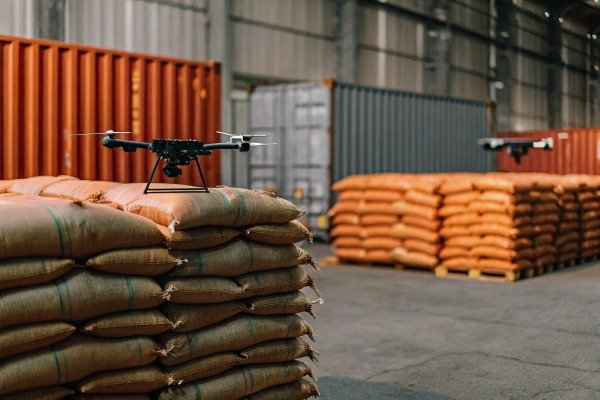
Importing agricultural drones involves navigating complex dangerous goods (DG) regulations. The high-capacity lithium polymer (LiPo) batteries used in our SkyRover drones are powerful, but they are also fire risks if mishandled.
IATA vs. IMDG Regulations
For air freight, we must adhere to IATA (International Air Transport Association) regulations. International Air Transport Association 7 These are incredibly strict.
- State of Charge (SoC): Batteries must often be shipped at a state of charge not exceeding 30%. This requires us to discharge batteries before shipping, adding time to our warehouse processing.
- Aircraft Restrictions: Large agricultural drone batteries often cannot fly on passenger aircraft (PAX) due to weight limits per package. They must go on Cargo Aircraft Only (CAO), which are fewer in number and more expensive.
For sea freight, we follow the IMDG (International Maritime IMDG (International Maritime Dangerous Goods) code 8 Dangerous Goods) code. While still strict, it allows for larger quantities and higher aggregate power limits per container.
Packaging Implications
When we prepare a shipment for air, we use specialized UN-certified boxes. Each battery is isolated to prevent short circuits.
- Labeling: Every box needs Class 9 hazard labels and specific UN numbers (e.g., UN3480 for batteries alone, UN3481 for batteries with equipment).
- Documentation: A Dangerous Goods Declaration (DGD) is mandatory. If a single digit is wrong on this paperwork, the airline will reject the cargo.
This regulatory burden adds a "DG Fee" to air freight quotes, often ranging from $50 to $150 per airway bill, plus higher handling rates per kg.
Why This Matters for You
If you choose air freight, you must ensure your US-based customs broker is experienced with Class 9 imports. Delays often happen not in the air, but on the ground when paperwork is missing. Sea freight is more forgiving regarding quantity, making it the preferred method for shipping replacement batteries in bulk.
Is air freight the right choice for my sample orders or small batches of drones?
When sending prototypes to potential distributors, speed often outweighs the higher shipping invoice. We know you need to demonstrate performance to your local buyers immediately to close deals.
Air freight is the ideal choice for sample orders or small batches under 100kg. The speed allows for faster market testing and equipment demos, and the lower risk of damage protects your investment in these high-value, initial units before you commit to bulk ocean shipments.

For many of our clients, the first order is a test. You might order one or two units to verify the spray width, software integration, or battery endurance. In this specific scenario, air freight is almost always the correct business decision.
The "Time-to-Value" Calculation
Imagine you have a potential client—a large vineyard owner—who wants a demo next week.
- Sea Freight: You save $300 on shipping, but the drone arrives in 35 days. The client loses interest or buys from a competitor.
- Air Freight: You pay the premium, the drone arrives in 5 days, and you close a deal worth $50,000.
For samples, the freight cost is a marketing expense, not just a logistics cost.
Damage Prevention
Air freight is generally smoother. Pallets are handled fewer times compared to LCL (Less than Container Load) sea shipments. In LCL sea freight, your drones share a container with other goods—heavy machinery, liquids, or raw materials. The risk of crushing, shifting, or "container sweat" (humidity damage) is higher.
For a high-value sample unit containing delicate gimbals and sensors, air transport minimizes the "time at risk."
Strategic Decision Matrix
We encourage you to use this simple framework when deciding on shipping for smaller orders.
| Factor | Choose Air Freight | Choose Sea Freight |
|---|---|---|
| Order Volume | 1 – 10 Units (< 100kg) | 20+ Units (> 200kg) |
| Urgency | Immediate demo/Field test required | Stock replenishment / Planned inventory |
| Budget Sensitivity | Low (Focus on speed/quality) | High (Focus on margin) |
| Risk Tolerance | Low (Need perfect condition) | Moderate (Standard commercial risk) |
Customs Clearance for Samples
Small air shipments often clear customs faster. In some cases, if the value is under a certain threshold (de minimis), the process is streamlined. de minimis 9 However, agricultural drones usually exceed these values ($800 in the US), so formal entry is still required. formal entry 10 But air cargo facilities are designed for speed, meaning your sample won't get stuck behind thousands of ocean containers.
Conclusion
Choosing between air and sea freight ultimately depends on your immediate business goals. If you need speed for samples or urgent seasonal demands, pay the premium for air freight. For maximizing profit on bulk fleet orders, sea freight is the only logical choice.
Footnotes
1. Official IATA page regarding regulations for shipping lithium batteries by air. ↩︎
2. Official U.S. Customs and Border Protection page explaining how duty rates are determined. ↩︎
3. Provides general background on the technology and use cases for agricultural drones. ↩︎
4. Major logistics industry leader explaining the standard calculation for chargeable weight in air freight. ↩︎
5. Official website of the Port of Los Angeles, a major US gateway mentioned in the text. ↩︎
6. Official FAA resources for commercial drone operations, including agricultural applications. ↩︎
7. The primary authority for regulations regarding the air transport of dangerous goods. ↩︎
8. Official International Maritime Organization page defining the IMDG code for sea transport. ↩︎
9. Official trade information regarding import value thresholds for streamlined customs entry. ↩︎
10. Official CBP guidance explaining formal entry requirements for imports exceeding specific values. ↩︎

 English
  Español de México
  Deutsch
  Français
  Русский
  العربية
