
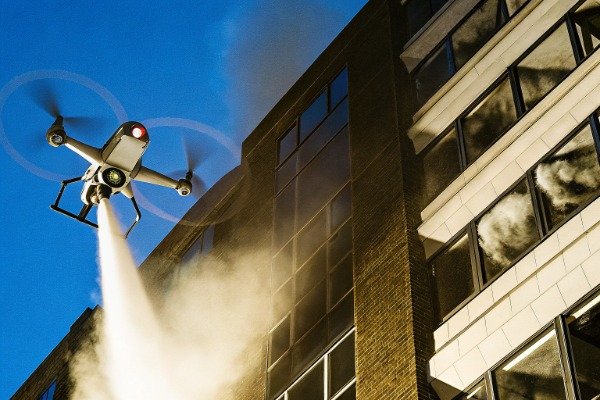
В SkyRover мы постоянно слышим от начальников пожарных служб, которые разочарованы физическими ограничениями лестниц при столкновении с небоскребами. Традиционное оборудование часто не справляется, буквально оставляя верхние этажи уязвимыми. Мы считаем, что передовые аэротехнологии — это единственный жизнеспособный мост через этот опасный разрыв.
Ключевые особенности дронов для тушения пожаров на высотных зданиях включают грузоподъемность для шлангов или огнетушащих шаров, передовую тепловизионную съемку для проникновения сквозь дым и всенаправленное избегание препятствий. Крайне важно искать устойчивость полета, устойчивую к ветру, и системы увеличенной продолжительности работы, такие как питание от кабеля, для обеспечения непрерывной работы во время критических миссий по подавлению пожара.
Давайте рассмотрим критические характеристики, необходимые для безопасного и эффективного выполнения этих сложных аэротехнических операций.
Как сопротивление ветру влияет на стабильность на больших высотах?
Когда мы калибруем наши полетные контроллеры в Чэнду, мы моделируем непредсказуемые восходящие потоки, встречающиеся в городских условиях. Мы знаем, что без исключительной стабильности дрон становится опасностью, а не инструментом во время чрезвычайной ситуации на высотном здании.
Сопротивление ветру имеет решающее значение для поддержания стабильности зависания и точности наведения на высоте более 100 метров, где эффекты городского каньона усиливают порывы ветра. Дрон должен выдерживать скорость ветра не менее 6 или 7 баллов, чтобы обеспечить безопасную доставку средств пожаротушения без столкновения со зданием.

Понимание эффекта городского каньона
В нашем производственном процессе мы отдаем приоритет силовым установкам, которые могут справляться с уникальными аэродинамическими проблемами городских условий. Высотные здания создают так называемый "эффект городского каньона". Это явление ускоряет скорость ветра, поскольку воздух проходит между высокими сооружениями. Для пилота дрона на земле воздух может казаться спокойным, но на высоте 200 метров летательный аппарат может бороться с турбулентными порывами ветра, превышающими 15 метров в секунду.
Эффект городского каньона 1
Если дрону не хватает достаточного крутящего момента или отзывчивых алгоритмов управления полетом, он не может поддерживать стабильное положение. Эта нестабильность делает практически невозможным точное наведение пожарного шланга или сброс огнетушащего шара через разбитое окно. В худшем случае внезапный порыв ветра может ударить дрон о здание, вызвав крушение, которое подвергнет опасности пожарных и гражданских лиц внизу.
Роль резервирования силовой установки
Для борьбы с этими силами мы используем высокопроизводительные двигатели и более крупные пропеллеры, которые обеспечивают мгновенную регулировку тяги. Мы также внедряем резервирование в наши конструкции, например, конфигурации гексакоптера (6 двигателей) или октокоптера (8 двигателей). Это гарантирует, что даже если один двигатель борется с сильным восходящим потоком, другие могут компенсировать, чтобы удерживать летательный аппарат на уровне.
гексакоптер (6 двигателей) 2
Метрики стабильности для покупателей
При оценке дрона следует обращать внимание на конкретные показатели ветроустойчивости. Стандартный потребительский дрон обычно справляется с ветрами уровня 4 или 5. Однако для промышленного пожаротушения требуется машина, рассчитанная на уровень 6 или выше. Ниже приводится разбивка уровней ветроустойчивости и их влияния на работу дрона.
уровни ветроустойчивости 3
Таблица 1: Уровни ветроустойчивости и влияние на работу
| Уровень ветра | Скорость ветра (м/с) | Рабочее состояние для пожарных дронов |
|---|---|---|
| Уровень 4 | 5.5 – 7.9 | Рискованно. Подходит только для разведки на низкой высоте. Стабильность нарушается вблизи зданий. |
| Уровень 5 | 8.0 – 10.7 | Погранично. Может летать, но точное наведение для подавления затруднено. |
| Уровень 6 | 10.8 – 13.8 | Рекомендуемый минимум. Поддерживает стабильность зависания для наведения шлангов или снарядов. |
| Уровень 7 | 13.9 – 17.1 | Высокая производительность. Требуется для прибрежных городов или операций на сверхвысоких зданиях (>300 м). |
Мы всегда советуем нашим клиентам тестировать эти возможности в реальных симуляциях, а не полагаться только на технические характеристики. Способность удерживать позицию в пределах нескольких сантиметров, несмотря на дым и ветер, — это разница между успешной и провальной миссией.
Какая грузоподъемность требуется для огнетушащих шаров или шлангов?
Наша производственная команда уделяет большое внимание структурной целостности, потому что мы знаем, что перевозка камеры сильно отличается от перевозки системы пожаротушения. Стандартные рамы просто прогибаются под динамической нагрузкой при развертывании тяжелых средств.
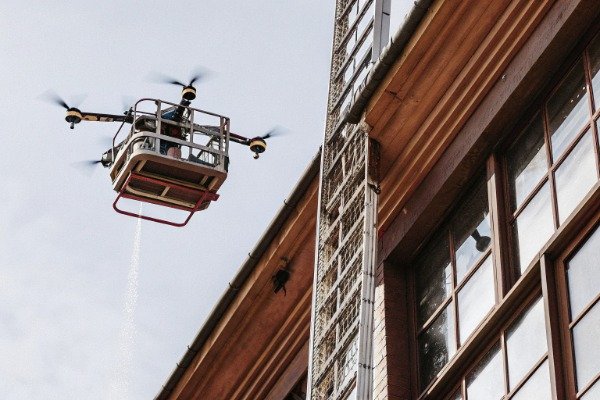
Эффективное тушение высотных зданий требует минимальной грузоподъемности от 25 кг до 100 кг. Это позволяет дрону нести несколько огнетушащих шаров, тяжелые шланги под давлением, подключенные к наземному водоснабжению, или специализированные пеногенераторы, обеспечивая доставку достаточного количества огнетушащего вещества для фактического тушения пламени.
Разница между разведкой и тушением
Существует существенное различие между дроном, используемым для ситуационной осведомленности, и дроном, используемым для прямой атаки. Разведывательному дрону достаточно поднять несколько килограммов для камер и датчиков. Однако дрон-тушитель действует как воздушная пожарная машина. В результате нашего сотрудничества с пожарными службами мы выявили два основных метода тушения, каждый из которых требует различной грузоподъемности.
Метод 1: Пусковые установки (огнетушащие шары/бомбы)
Первый метод включает сброс или запуск огнетушащих шаров. Эти сферы содержат порошковое химическое вещество, которое взрывается при ударе или воздействии тепла, подавляя огонь.
- Требования к весу: Каждый шар обычно весит 1-2 кг. На одной установке может размещаться от 6 до 12 шаров, плюс механизм пусковой установки.
- Общая потребность в полезной нагрузке: Примерно от 15 кг до 25 кг.
- Система распыления: Это идеально подходит для первоначального сдерживания или достижения конкретных комнат через разбитые окна.
Метод 2: Системы шлангов на тросе
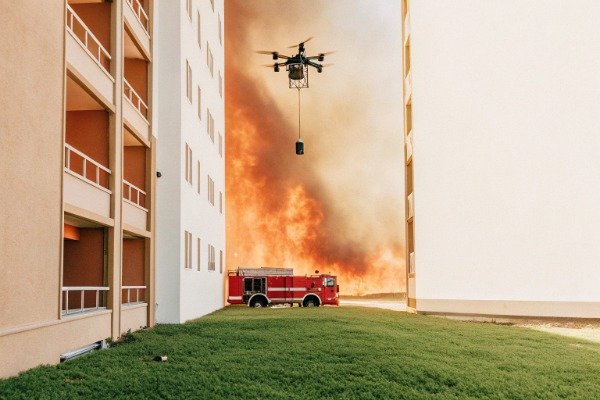
Второй, и часто более эффективный метод для крупных пожаров, — это дрон, подключенный к пожарной машине на земле через шланг высокого давления.
- Требования к весу: Дрон не несет запас воды, но он должен поднимать вес заполненного водой шланга при подъеме. Чем выше летит дрон, тем тяжелее становится шланг.
- Общая потребность в полезной нагрузке: Для высоты 100 метров требования к подъему значительны. Для высот 200-300 метров требуется дрон с тяжелой грузоподъемностью, способный поднимать от 50 кг до 100 кг.
- Управление отдачей: Дрон также должен справляться с силой отдачи (отдачей), возникающей при распылении воды под высоким давлением.
Возможности разбивания стекла
Еще одним критически важным фактором полезной нагрузки является доступ. Высотные здания часто имеют герметичные закаленные стекла. Мы часто оснащаем наши тяжелые модели модулями для разбивания стекла — кинетическими снарядами или пневматическими таранными устройствами. Эти устройства увеличивают вес, но необходимы для создания точки входа для огнетушащего вещества. Если дрон не сможет разбить окно, огнетушащее вещество не сможет достичь источника пожара внутри квартиры.
модули для разбивания стекла 4
Таблица 2: Грузоподъемность в зависимости от применения при тушении пожара
| Класс дрона | Грузоподъемность | Основная функция пожаротушения | Ограничения |
|---|---|---|---|
| Легкая промышленность | 5 кг – 10 кг | Тепловая разведка, громкоговорящая связь, доставка света. | Не может нести средства пожаротушения. |
| Средняя грузоподъемность | 15 кг – 30 кг | Сброс огнетушащих шаров (4-8 шт.), распыление легкой пены. | Ограниченное время тушения; не может поднимать длинные шланги. |
| Тяжелая грузоподъемность | 50 кг – 100 кг+ | Подъем пожарных рукавов на высоту (200 м+), пусковые установки для тяжелых снарядов, разбивание стекла. | Больший размер, труднее транспортировать, выше стоимость. |
Мы рекомендуем менеджерам по закупкам оценить среднюю высоту зданий в их юрисдикции. Если вы защищаете 50-этажные здания, дрона средней грузоподъемности будет недостаточно; вам нужна мощь тяжелой системы, чтобы поднять шланг на такую высоту.
Может ли система камеры обеспечить четкое увеличение для оценки верхних этажей?
Наши инженеры интегрируют оптические датчики высшего класса, потому что мы понимаем, что размытое изображение бесполезно для руководителя тушения пожара. Когда на карту поставлены жизни, возможность видеть детали с безопасного расстояния является обязательным условием.
руководитель тушения пожара 5
Надежная система камер должна предлагать оптический зум не менее 30x в сочетании с высококачественным тепловизионным изображением. Эта возможность двойного датчика позволяет операторам оценивать целостность конструкций, обнаруживать заблокированных жертв через окна и определять горячие точки сквозь плотный дым с безопасного расстояния.
Важность безопасного расстояния
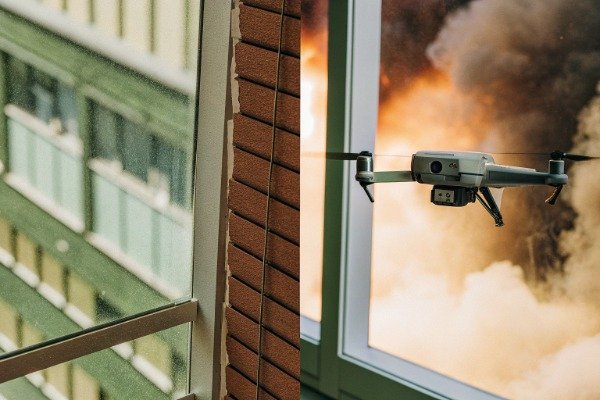
Безопасность — главная причина необходимости высокого увеличения. Огонь создает непредсказуемые тепловые восходящие потоки и взрывы. Вы не хотите, чтобы ваш дорогой дрон — или критически важные данные, которые он предоставляет — находился слишком близко к зоне взрыва. С оптическим зумом 30x или выше дрон может зависнуть в 50-100 метрах от здания, при этом все еще читая номерной знак автомобиля или, что более важно, видя, машет ли человек из задымленного окна.
Тепловизионное изображение: видеть сквозь дым
Визуальные камеры часто слепнут от густого черного дыма. Именно здесь тепловизионное изображение становится глазами пилота. Мы используем радиометрические тепловые датчики, которые делают больше, чем просто показывают тепло; они измеряют данные о температуре для каждого пикселя.
- Определение горячих точек: Пожарные могут точно видеть, какая часть стены или пола самая горячая, что указывает на очаг возгорания.
- Структурная целостность: Тепловые сканы могут показать, деформируются ли стальные балки или остывает ли бетон, помогая руководителям принимать решение о безопасности отправки человеческих команд внутрь.
- Определение местоположения жертв: Тепло человеческого тела резко контрастирует с окружающей средой (если только комната не охвачена полностью), что позволяет быстрее нацеливаться на спасение.
Гибридные датчики
Наиболее эффективные дроны используют "гибридную полезную нагрузку", которая объединяет несколько датчиков в одном подвесе. Обычно это включает широкоугольную камеру для ориентации, зум-камеру для деталей, тепловую камеру для обнаружения тепла и лазерный дальномер. Лазерный дальномер особенно полезен для измерения точного расстояния до здания, что помогает пилоту поддерживать безопасный зазор и точно нацеливать снаряды для подавления.
Таблица 3: Основные характеристики камеры для пожаротушения
| Функция | Минимальное требование | Операционное преимущество |
|---|---|---|
| Оптическое увеличение | Гибридный зум 30x | Позволяет детально осматривать трещины, окна и жертв с безопасного расстояния. |
| Тепловое разрешение | 640 x 512 пикселей | Обеспечивает четкие тепловые карты для обзора сквозь дым и обнаружения скрытых источников возгорания. |
| Лазерный дальномер | Дальность > 1000 м | Измеряет точное расстояние до цели для точного прицеливания и безопасности полета. |
| Режим слабого освещения / ночной режим | Starlight Sensor | Обеспечивает видимость во время ночных операций, когда происходит большинство пожаров. |
Мы обнаружили, что технология передачи данных 5G также играет здесь огромную роль. Она позволяет передавать видео в формате 4K высокого разрешения и тепловые данные в режиме реального времени в командный центр, расположенный в нескольких километрах, а не только на контроллер пилота. Такая общая осведомленность о ситуации жизненно важна для координации крупномасштабных операций.
Поддерживает ли дрон питание от кабеля для длительных операций?
По нашему опыту тестирования времени автономной работы, мы обнаружили, что стандартное время полета часто слишком короткое для длительных пожаров в зданиях. Мы разработали решения с использованием троса, чтобы устранить беспокойство по поводу предупреждения о низком заряде батареи во время спасательной операции.
кабель с микро-тросом 6
Системы питания с использованием троса необходимы для длительных операций, обеспечивая непрерывное электропитание через кабель, подключенный к наземному генератору. Это устраняет беспокойство по поводу времени автономной работы, позволяя дрону зависать в воздухе часами для поддержки текущего тушения пожара или обеспечения постоянного воздушного наблюдения без посадки.
литий-полимерные аккумуляторы 7
Ограничения батарей
Стандартные литий-полимерные батареи обычно обеспечивают от 20 до 40 минут полета. Если учесть энергию, необходимую для подъема тяжелой полезной нагрузки и борьбы с сильным ветром, это время значительно сокращается. При пожаре в высотном здании, который может продолжаться часами, посадка каждые 20 минут для смены батарей нарушает работу. Это прерывает подачу воды (при использовании шланга) и прерывает видеопоток для командира.
радиометрические тепловые датчики 8
Как работают системы с использованием троса
Система с использованием троса заменяет батарею силовым модулем, подключенным к кабелю с микро-тросом. Этот кабель идет вниз к портативному генератору или источнику питания пожарной машины на земле.
- Неограниченная продолжительность полета: Пока у генератора есть топливо, дрон может летать. Мы видели операции, продолжавшиеся более 24 часов непрерывно.
- Защищенный канал передачи данных: Шнур часто содержит оптоволоконный кабель. Это обеспечивает безопасное, не подверженное помехам соединение для передачи данных, которое не подвержено помехам WiFi, часто встречающимся в густонаселенных городских районах.
- Автоматическое управление натяжением: Наземная станция автоматически сматывает и разматывает кабель по мере движения дрона, гарантируя, что шнур никогда не запутается и не потянет дрон вниз.
Стратегические применения
Хотя шнур ограничивает горизонтальный радиус действия дрона (обычно радиусом 100-200 метров), он идеально подходит для определенных задач:
- Постоянное наблюдение: Дрон действует как временная "вышка", зависая над местом происшествия, чтобы обеспечить постоянный обзор с высоты птичьего полета на протяжении всего инцидента.
- Осветительная вышка: Ночью дрон со шнуром может нести мощные прожекторы для освещения всей стороны здания, помогая наземным бригадам безопасно работать.
- Реле связи: Он может нести радиоповторитель, чтобы пожарные внутри бетонного здания поддерживали связь с командным пунктом.
Компромиссы, которые следует учитывать
Важно отметить, что дроны со шнуром не так маневренны, как свободно летающие. Они не могут облететь здание сзади или преследовать движущуюся цель. Поэтому мы часто рекомендуем подход "смешанного парка": использовать свободно летающие дроны для быстрой разведки и первоначального подавления, а также развертывать дрон со шнуром для долгосрочного мониторинга и освещения.
сухой химический порошок 9
H3: Сравнение систем питания
- Только аккумулятор: Высокая мобильность, ограниченное время (25-40 минут). Лучше всего подходит для быстрой разведки и сброса огненных шаров.
- Подключенный: Ограниченная мобильность, неограниченное время. Лучше всего подходит для непрерывного мониторинга, освещения и работы с пожарными рукавами.
- Гибридный (газоэлектрический): Высокая мобильность, среднее время (1-2 часа). Использует бортовой генератор, но добавляет значительный вес и вибрацию.
Заключение
Выбор правильного пожарного дрона включает в себя баланс между грузоподъемностью, устойчивостью к ветру и продолжительностью полета. В SkyRover мы считаем, что оснащение пожарных подразделений этими специализированными, высокопроизводительными инструментами — это не просто модернизация, а необходимость для современной городской безопасности.
огнетушащие шары 10
Сноски
- Определяет конкретное аэродинамическое явление, влияющее на стабильность дрона в городах. ↩︎
- Объясняет многороторную конфигурацию, используемую для резервирования. ↩︎
- Предоставляет контекст по шкалам ветра, относящимся к рейтингам полета дронов. ↩︎
- Иллюстрирует специализированное оборудование, используемое для пробивания окон. ↩︎
- Определяет ключевую роль принятия решений в экстренном реагировании. ↩︎
- Детализирует технологию, используемую для непрерывной подачи питания. ↩︎
- Предоставляет информацию о стандартном источнике питания и его ограничениях. ↩︎
- Объясняет расширенные возможности датчиков по измерению температуры. ↩︎
- Детализирует химический состав, используемый в сферах подавления. ↩︎
- Ссылается на конкретную технологию подавления, упомянутую в тексте. ↩︎
 English
  Español de México
  Deutsch
  Français
  Русский
  العربية
Comments
No comments yet. Be the first to share your thoughts!
Leave a Comment