
When our production team ships hexacopter agricultural drones overseas, the packaging question haunts every shipment. Will customs reject it? Are we breaking environmental laws we do not even know exist? These fears keep many importers awake at night.
To verify US environmental standards for agricultural drone packaging, check compliance with EPA, FDA, and FTC regulations at the federal level, then confirm state-specific Extended Producer Responsibility laws, validate supplier recyclability claims, test materials for restricted chemicals like PFAS, and obtain third-party certification documentation.
The following sections break down each verification step. You will learn exactly what documents to request, how to work with manufacturers, and what happens if your packaging fails inspection.
How do I verify that my agricultural drone packaging meets US environmental compliance standards?
Our export department learned this lesson the hard way years ago when a shipment stalled at Los Angeles port. The problem was not the drone itself. It was the foam inserts inside the crate. Now we check every material before it leaves our facility.
Verify compliance by auditing packaging against federal EPA RCRA recyclability rules, FDA food-contact exemptions if applicable, FTC Green Guides for labeling accuracy, state EPR registration requirements, and TSCA chemical restrictions including PFAS bans. Request lab test reports and third-party certifications from your supplier.

Understanding the Federal Regulatory Framework
The United States does not have one single packaging law. Instead, multiple agencies share responsibility. The EPA handles recyclability and hazardous waste under the Resource Conservation and Recovery Act 1. The FDA regulates any packaging that might contact food, which can affect drones used in agricultural spraying. The FTC polices environmental marketing claims through its Green Guides.
For agricultural drones like our hexacopter models with carbon-fiber frames, the packaging typically includes anti-static foam, protective composites, and cardboard outer boxes. Each material faces different rules. Foam may need to prove it does not contain banned chemicals. Cardboard must meet recyclability standards if you claim it is "recyclable."
State-Level EPR Laws Are Growing Fast
State Extended Producer Responsibility laws 2 now create the biggest compliance headache. California leads with SB 54 3, requiring 50% recyclable or reusable packaging by 2030 and 100% by 2050. At least seven states enforce EPR by 2025-2026.
| State | EPR Effective Date | Belangrijkste vereisten | Penalty |
|---|---|---|---|
| California | 2024 | 50% recyclable by 2030, 25% plastic reduction | Up to $50,000/day |
| Colorado | 2025 | Producer registration, material reporting | Varies by violation |
| Oregon | 2025 | PRO membership, eco-modulated fees | Administrative fines |
| Maine | 2024 | Packaging data reporting | Civil penalties |
| Minnesota | 2025 | Material weight documentation | Per-package fines |
If you sell more than $1 million in products into California, you must register as a producer. This means reporting packaging data, paying fees based on material type, and proving recyclability claims.
Practical Verification Steps
First, identify which states will receive your drone shipments. West Coast distribution centers trigger California rules. Next, audit your supplier's packaging materials list. Ask for Material Safety Data Sheets 4 for every component. Then check each material against TSCA chemical bans 5 and state PFAS restrictions.
Our engineers now specify packaging materials in purchase orders. We require suppliers to provide recyclability percentages and infrastructure access data. The FTC requires "recyclable" claims to prove that at least 60% of US consumers have access to recycling facilities for that material.
What documentation should I request from my supplier to prove my drone packaging is eco-friendly?
When we prepare export documentation at our Xi'an facility, the packaging paperwork often exceeds the drone paperwork. Customers who skip this step face delays, fines, and rejected shipments. The document trail protects everyone.
Request Material Safety Data Sheets for all packaging components, third-party lab test reports for PFAS and restricted chemicals, recyclability certifications from recognized testing bodies, PRO membership certificates for applicable states, chain of custody documentation for recycled content claims, and FTC Green Guides compliance statements.

Essential Documents Checklist
Start with the basics. Every packaging material needs identification. Your supplier should provide a complete Bill of Materials 6 listing every component from outer box to inner foam inserts. Our drones with matte black carbon-fiber frames require specialized anti-static packaging. Each protective layer needs documentation.
Material Safety Data Sheets reveal chemical composition. These documents show whether packaging contains PFAS, antimicrobials, or other restricted substances. California and several other states now ban PFAS in food packaging, and regulations are expanding to all packaging types.
Third-Party Certifications That Matter
Independent testing adds credibility. Look for certifications from organizations that verify environmental claims.
| Certificering | Wat het bewijst | Waarom het belangrijk is |
|---|---|---|
| How2Recycle Label | Recyclability with infrastructure access | Meets FTC Green Guides 7 standards |
| FSC Certification | Sustainable forestry sourcing | Validates paper/cardboard origin |
| SCS Global Services | Recycled content verification | Proves PCR percentage claims |
| Cradle to Cradle | Material health and circularity | Comprehensive sustainability proof |
| ISCC PLUS | Chain of custody for recycled materials | Tracks recycled content through supply chain |
Our quality control team requires suppliers to provide at least two independent certifications before we approve packaging designs. This protects both us and our customers from greenwashing accusations.
Supplier Questionnaire Template
Ask your supplier these specific questions in writing. Get answers before placing orders.
What percentage of this packaging is recyclable by weight? What recycling infrastructure is required? Provide evidence that 60% or more of US consumers can access this infrastructure. Does any component contain PFAS, antimicrobial treatments, or heavy metals? Has this packaging been tested by an independent laboratory? Provide test reports dated within the last 12 months. Is your company registered with PROs in California, Colorado, or Oregon? Provide membership certificates.
Document every answer. Keep emails and certificates organized by shipment. Customs officials may request this documentation. Our export team maintains a compliance folder for every container we ship.
Red Flags in Supplier Documentation
Watch for vague claims. "Eco-friendly" means nothing without proof. "Recyclable" requires infrastructure data. "Sustainable" needs third-party verification. If your supplier cannot provide specific test results and certifications, consider alternative suppliers.
We have rejected packaging proposals from suppliers who could not document their claims. The risk of non-compliance far exceeds any cost savings from cheaper materials.
Can I collaborate with my manufacturer to ensure my drone crates meet US sustainability requirements?
Our development team works with overseas distributors every month on packaging specifications. The best outcomes come from early collaboration. Waiting until production starts creates expensive redesign cycles. Starting conversations during the quoting phase saves time and money.
Yes, collaborate with your manufacturer by sharing US regulatory requirements early, requesting packaging design reviews before production, specifying compliant materials in purchase orders, arranging third-party testing during manufacturing, and establishing clear communication channels for compliance updates as regulations change.
Why Early Collaboration Matters
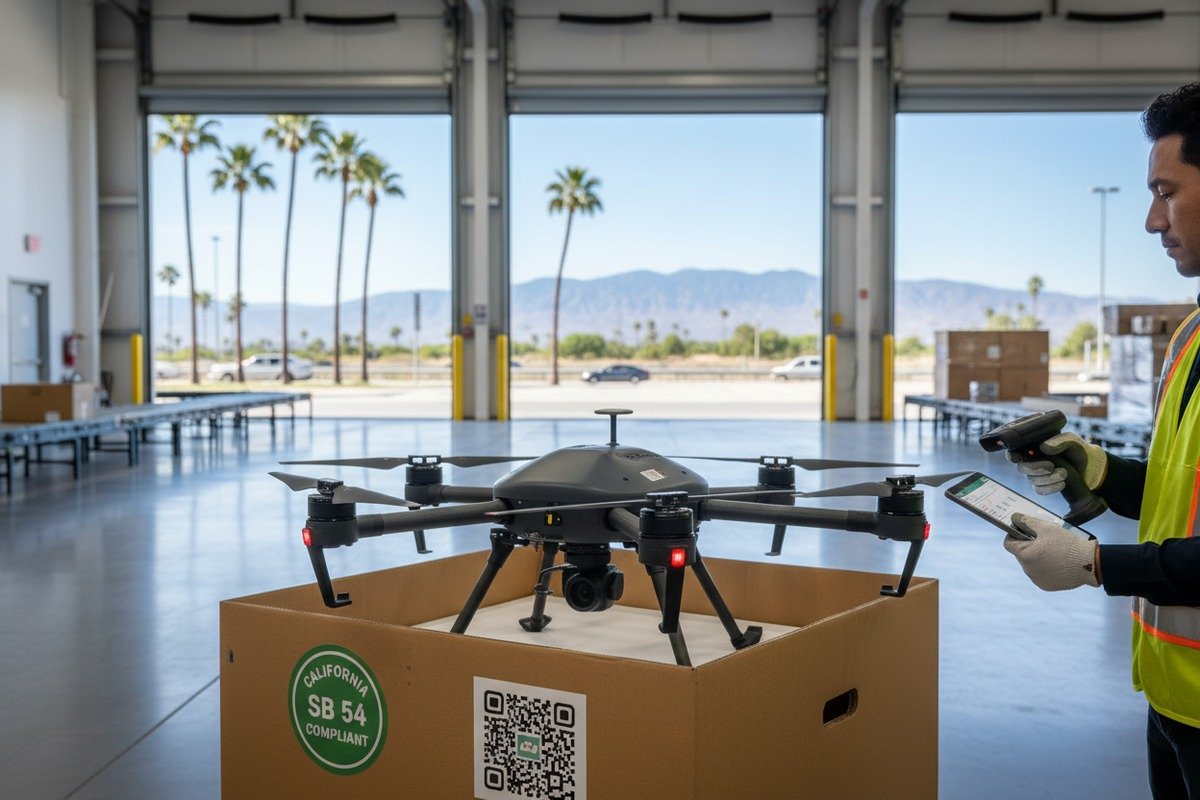
Packaging design happens early in production planning. Changing materials after tooling is expensive. Our engineering team designs protective packaging for drones with long carbon-fiber arms and multiple rotors. These designs consider shock absorption, vibration dampening, and moisture protection. Adding sustainability requirements later disrupts everything.
Start the conversation during initial negotiations. Share your target states and their EPR requirements. Ask your manufacturer about material alternatives. Many sustainable options exist that meet both protection and compliance needs.
Collaborative Design Process
Work through packaging decisions together. Our customers who achieve the best results follow a structured approach.
First, share your compliance checklist. List every federal and state requirement that applies. Include chemical restrictions, recyclability targets, and labeling rules. Second, request material options. Ask your manufacturer to propose two or three packaging configurations. Compare protection levels, costs, and compliance status.
Third, arrange design reviews. Before finalizing, have both teams examine the packaging against requirements. Our quality engineers conduct these reviews via video calls with customers. We walk through every component and verify documentation exists.
Communication Channels for Ongoing Compliance
Regulations change. California adds new requirements regularly. Your manufacturer needs to know about changes that affect existing designs.
| Communication Method | Beste voor | Frequentie |
|---|---|---|
| Email updates | Regulatory changes, document requests | As needed |
| Quarterly video calls | Design reviews, compliance audits | Every 3 months |
| Shared compliance folders | Document storage, certificate tracking | Continuous access |
| Production checkpoints | In-process verification | Each production run |
Our customer success team sends regulatory update summaries to active accounts. When California announced new PFAS restrictions, we notified affected customers within 48 hours and proposed material substitutions.
Cost Considerations in Sustainable Packaging
Sustainable materials sometimes cost more. Recycled cardboard may be slightly more expensive than virgin material. PFAS-free coatings require different manufacturing processes. However, non-compliance costs far exceed material premiums.
Work with your manufacturer to find the right balance. Our production team has developed standard sustainable packaging configurations that meet most US requirements at competitive prices. We invested in these designs because customers demanded them.
The hexacopter drones we produce with robust multi-rotor configurations need substantial protection during shipping. Sustainable does not mean fragile. Modern recycled and recyclable materials provide excellent protection. Soy-based inks replace petroleum-based options without affecting print quality or durability.
How will non-compliant packaging impact my customs clearance and distribution in the United States?
A distributor we work with nearly lost a major contract because of packaging problems. Their shipment sat at the port for three weeks. Storage fees accumulated. The end customer threatened cancellation. All because the foam inserts lacked proper documentation. This scenario happens more often than importers realize.
Non-compliant packaging causes customs delays, inspection holds, and potential rejection at ports. Beyond customs, violations trigger state EPR penalties up to $50,000 per day, FTC enforcement actions for false environmental claims, distribution partner requirements for sustainability documentation, and reputation damage that affects future business relationships.

Customs and Border Protection Issues
CBP officers verify that imports meet US regulations. Packaging documentation gaps raise flags. If your agricultural drone contains lithium batteries, packaging must meet PHMSA hazardous materials 8 requirements. Missing labels or improper containment can stop your shipment.
Anti-static foam used for drone electronics sometimes triggers questions about chemical composition. Officers may request Material Safety Data Sheets. Without documentation ready, your shipment enters inspection holds that last days or weeks.
Our export team prepares comprehensive documentation packages for every shipment. We include packaging specifications, material certifications, and compliance statements. This preparation speeds customs clearance significantly.
State-Level Enforcement Consequences
Once your products clear customs, state enforcement begins. Selling into California without EPR registration is illegal if your sales exceed $1 million. Regulators can assess penalties of $50,000 per day for non-compliance. They can also require product recalls.
| Violation Type | Potential Consequence | Recovery Difficulty |
|---|---|---|
| Missing EPR registration | Fines plus back fees | High – requires full registration |
| False recyclability claims | FTC enforcement action | Very high – legal proceedings |
| PFAS chemical presence | Product recall | Extreme – complete redesign needed |
| Missing labeling | State penalties | Moderate – relabeling possible |
| Unreported packaging data | Registration suspension | Moderate – data submission required |
The FTC has increased enforcement of greenwashing claims 9. Marketing packaging as "recyclable" without infrastructure evidence violates the Green Guides. Companies have faced six-figure penalties for false environmental marketing.
Distribution Partner Requirements
Major US distributors now require sustainability documentation before accepting products. Retailers like Amazon, Walmart, and specialty distributors have their own packaging standards. These often exceed government minimums.
Your distribution partners may require proof of recycled content, recyclability testing results, or specific material certifications. Without these documents, partners may refuse inventory or charge premium handling fees.
Our customers report that distribution requirements drive much of their compliance investment. Even if government enforcement were absent, market access depends on meeting partner expectations.
Protecting Your Business
Prevention costs less than remediation. Build compliance into your sourcing process from the beginning. Verify supplier documentation before ordering. Arrange third-party testing during production. Prepare complete customs packages before shipping.
Work with freight forwarders experienced in drone imports. They know which documents customs requires. They can identify potential problems before your shipment leaves port. Our logistics partners flag documentation gaps during booking, giving us time to obtain missing certifications.
Keep records for at least seven years. State regulators may audit past compliance. Having organized documentation proves good faith efforts and reduces penalty exposure.
Conclusie
Verifying US environmental standards for agricultural drone packaging requires systematic attention to federal regulations, state EPR laws, supplier documentation, and customs requirements. Start early, collaborate closely with your manufacturer, and maintain thorough records. The investment in compliance protects your business from costly delays and penalties.
Voetnoten
1. Explains the federal law governing hazardous waste and recyclability. ↩︎
2. Defines the concept of producer responsibility for product end-of-life. ↩︎
3. Details California’s landmark packaging Extended Producer Responsibility law. ↩︎
4. Explains the purpose and content of safety data sheets for chemicals. ↩︎
5. Provides information on the Toxic Substances Control Act and chemical regulations. ↩︎
6. Explains what a Bill of Materials is and its importance in manufacturing. ↩︎
7. Provides guidelines for environmental marketing claims to prevent deception. ↩︎
8. Outlines regulations for safe transportation of hazardous materials. ↩︎
9. Defines greenwashing and its implications for environmental marketing. ↩︎

 English
  Spanish
  German
  French
  Dutch
Dutch  Arabic
