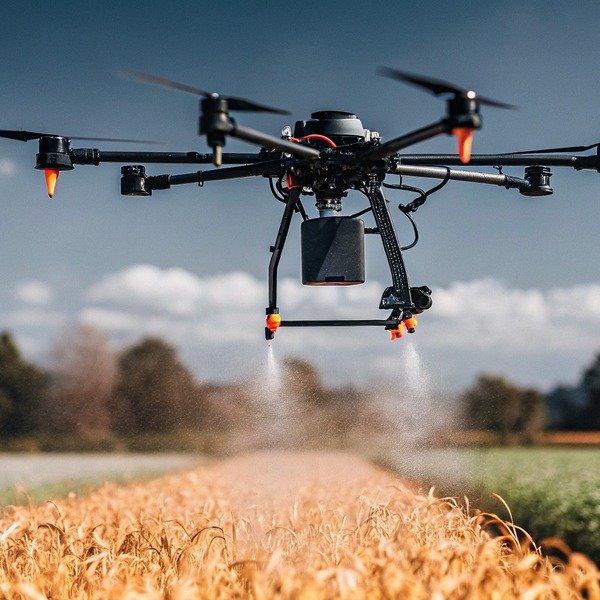
Sourcing high-value agricultural machinery from overseas often feels like agricultural machinery 1 navigating a dense fog without radar. We frequently hear from clients who wasted months negotiating with “factories” that turned out to be one person in a small apartment. At our facility in Xi’an, we understand that verifying a partner is just as critical as testing the flight endurance of a drone.
To background check Chinese drone suppliers, combine Google advanced search Search image with Google 2 operators like “site:gov.cn” to verify business licenses and “scam” or “litigation” to uncover past disputes. Cross-reference their Unified Social Credit Code on third-party databases like Tianyancha, and use reverse image searches to confirm their factory photos are authentic and not stolen stock imagery.
Let’s examine the specific search strategies you can use to validate your next supplier.
What specific search terms help me confirm the legal status of a Chinese drone manufacturer?
Checking a supplier’s legal standing is the foundation of a secure transaction, yet many buyers skip this step entirely. We always encourage our partners to validate our registration details because legitimate manufacturers have nothing to hide. Ignoring this check exposes you to middlemen who may lack the engineering capability to support complex crop-spraying systems.
Use specific search strings such as “[Company Name] + 统一社会信用代码” to find their unique credit code. Input this code into China’s National Enterprise Credit Information Publicity System (gsxt.gov.cn) via Google Translate to confirm their legal existence, registered capital, and authorized business scope for manufacturing agricultural machinery. agricultural machinery 3

To effectively verify a Chinese supplier using Google, you must go beyond English keywords. The most critical information is often housed in Chinese government databases. However, Google indexes these pages, and with the right queries, you can access them.
Decoding the Unified Social Credit Code
Every registered company in China has a Unified Social Credit Code (USCC). Unified Social Credit Code 4 This is an 18-digit alphanumeric code, similar to an EIN in the US or a VAT number in Europe. A legitimate manufacturer of agricultural drones will always display this on their business license.
To find this, you should search for the company’s Chinese name. If you only have the English name, try searching:
"English Company Name" + "China""English Company Name" + "business license"
Once you have the Chinese name, search for:
"Chinese Company Name" + 统一社会信用代码(Unified Social Credit Code)
This search usually leads to third-party aggregation sites like Qichacha, Tianyancha, or Aiqicha. These platforms scrape official government data. While the full reports are often behind a paywall, the basic summary available in Google search results (or via the "Translate this page" feature) will confirm if the company exists and is currently active.
Analyzing the Business Scope
Finding the company is only step one. You must analyze their "Business Scope" (经营范围). In China, a company can only legally operate within the scope defined on its license.
When we set up our operations, our license specifically included terms like "R&D," "Manufacturing," and "Sales" of intelligent unmanned aerial vehicles. If you are looking for a factory, you must see the word "Production" (生产) or "Manufacturing" (制造) in their scope.
If the scope only lists "Sales" (销售), "Trade" (贸易), or "Technology Development" (技术开发) without mentioning manufacturing, you are likely dealing with a trading company or a design house, not the actual factory.
Key Search Terms for Legal Verification
Use the table below to construct your Google search queries. Copy and paste the Chinese characters into the search bar alongside the supplier's name.
| Search Objective | English Search Operator | Chinese Keyword to Add | Waar moet je op letten? |
|---|---|---|---|
| Verify Registration | site:gov.cn "Company Name" |
统一社会信用代码 | 18-digit ID starting with 91. |
| Check Legal Status | "Company Name" status |
经营状态 | Status should be "Active" (存续/在业). |
| Confirm Manufacturer | "Company Name" business scope |
经营范围 | Look for "Manufacturing" (制造) or "Production" (生产). |
| Find Shareholders | "Company Name" shareholders |
股东信息 | Individual names vs. corporate holdings. |
| Check Capital | "Company Name" registered capital |
注册资本 | Low capital (under 500k RMB) often indicates a trader. |
By using these terms, you can filter out companies that are legally registered but operationally incapable of fulfilling a large agricultural drone order. A verified legal status does not guarantee product quality, but it confirms the entity is real and accountable to local laws.
How can I use Google Images and Maps to verify if a supplier has a real production factory?
Digital deception is common in our industry, with many websites featuring impressive photos of assembly lines that simply do not exist. We take great care to document our own workshop to prove our capacity, but we often see competitors using generic stock photos. You need to distinguish between a brick-and-mortar factory and a virtual office before placing an order.
Perform a reverse image search on factory photos to check if they appear on multiple unrelated websites, indicating stock photography. Concurrently, paste the supplier’s registered Chinese address into Google Maps or Baidu Maps Baidu Maps 5 to verify if the location corresponds to an industrial zone rather than a residential building or shared office space.
Visual verification is a powerful tool because it is harder to fake a physical footprint than a document. When sourcing agricultural drones, which require large assembly areas and testing fields, the physical location of the supplier tells a significant story.
The Power of Reverse Image Search
Suppliers often upload high-quality images of "their" facilities. To verify these:
- Right-click the image on their website and select "Search image with Google" (or use Google Lens).
- Analyze the results. If the same image appears on five different drone supplier websites, or on a stock photography site like Shutterstock, it is not a genuine photo of their factory.
Real manufacturers usually have imperfect photos. You might see specific details like workers wearing uniforms with the company logo, or unique signage on the walls. Be skeptical of overly polished, generic images of clean rooms or assembly lines that show no branding.
Satellite and Street View Forensics
Next, take the address listed on their "Contact Us" page or their business license. Note that Google Maps is not always perfectly updated for China, but satellite view is generally reliable for identifying building types.
- Industrial Zones vs. Commercial Towers: A drone factory needs space. We operate out of an industrial facility because we need room for molding, assembly, and flight testing. If the address points to a high-rise office building in a city center (like huge towers in Shenzhen or Shanghai CBD), it is likely a sales office, not the factory.
- The "Room Number" Clue: Look at the address format. If it says "Room 1204, Building B," it is an office suite. Factories usually have addresses like "Building 3, No. 88 Industrial Road."
Analyzing Location Types
Use this checklist when viewing the location on Google Maps or Earth. Google Earth 6
| Location Feature | Likely Manufacturer | Likely Trader/Middleman |
|---|---|---|
| Building Type | Large, flat warehouse or industrial complex. | Tall skyscraper or residential complex. |
| Surroundings | Other factories, wide roads for trucks. | Shopping malls, restaurants, dense housing. |
| Visible Infrastructure | Loading docks, ventilation systems on roofs. | Standard office windows, no freight access. |
| Address Specifics | "Industrial Park" (工业园), "Zone" (区). | "Plaza" (广场), "Mansion" (大厦), "Room" (室). |
Cross-Referencing with Baidu Maps
Since Google Street View is limited in China, you can use the search bar in Google to find the Baidu Map view. Search for:"Baidu Maps" + [Chinese Address]
This may lead you to a view where you can see the gate of the company. If the sign on the gate matches the company name, that is a strong positive signal. If the sign lists a completely different company, or a shared workspace name, proceed with caution.
Where can I find authentic buyer reviews and potential scam alerts for agricultural drone exporters?
Testimonials on a supplier’s own website are often curated or completely fabricated to boost confidence. In our experience, the most honest feedback comes from independent pilots who rely on these machines for their daily livelihood. Uncovering these unfiltered discussions requires digging into niche corners of the internet where users feel safe to complain.
Search for the supplier’s name alongside keywords like “fraud,” “scam,” or “complaint” on niche forums like RC Groups or heavy machinery discussion boards. Additionally, check global trade databases like ImportGenius using the supplier’s name to see if their export history matches their claimed volume and client base.
Finding dirt on a supplier requires a specific "negative search" mindset. You are not looking for marketing; you are looking for victims.
Leveraging Niche Industry Forums
General consumer review sites like Trustpilot rarely cover B2B industrial drone manufacturers. Instead, you must look at specialized communities.
- RC Groups & DIY Drones: These forums are populated by engineers and enthusiasts who dissect drone hardware. A search here can reveal if a supplier's flight controller is a cheap clone or if their customer support ignores emails after payment.
- Agricultural Forums: Look for discussions on "sprayer drones" or "UAV crop protection." Farmers are vocal when equipment fails during the critical spraying season.
Advanced "Negative" Search Operators
To cut through the noise of press releases and Alibaba listings, use Boolean search strings designed to surface complaints.
"Supplier Name" AND (scam OR fraud OR fake)"Supplier Name" AND (problem OR fail OR broken)"Supplier Name" AND (lawsuit OR dispute OR court)
Also, try searching for the company's email address or phone number in quotes. Scammers often change company names but keep the same contact details. If a search for their phone number brings up warnings about a different company name from three years ago, that is a major red flag.
Checking Global Trade Data
One of the best ways to verify a supplier's reputation is to see if they actually export what they claim. Several databases aggregate bills of lading (shipping manifests). bill of lading 7 While full access is paid, you can often find free snippets via Google.
Search for:"Supplier Name" + "Panjiva""Supplier Name" + "ImportGenius""Supplier Name" + "bill of lading"
What to analyze in trade data:
- Frequency: Do they ship monthly, or was their last shipment two years ago?
- Product Description: Does the manifest say "Agricultural Drone" or generic "Electronic Parts"?
- Destination: If they claim to be a top supplier to the USA, you should see US ports in their records.
The "Dishonest Person" Blacklist
China maintains a public blacklist of individuals and companies that have failed to comply with court orders (often due to unpaid debts). This system is called the "List of Dishonest Persons Subject to Enforcement."
You can search for this on Google by using the Chinese company name plus specific keywords.
Search Query: [Chinese Company Name] + 失信被执行人
If results appear from court websites or credit databases indicating they are on this list (失信), do not do business with them. It means they are legally compromised and likely financially unstable.
How do I cross-reference a supplier's website claims with their actual export records and certifications?
It is easy for a company to claim they are the industry leader with full certifications, but validating those claims takes effort. We frequently assist clients who have been burned by suppliers providing Photoshop-edited certificates that carry no weight. Ensuring your drones can legally enter your country requires cross-referencing claims against official government databases.
Validate specific claims by searching for the supplier’s name in public customs data records to confirm actual shipment volumes and destinations. Verify claimed certifications, such as ISO 9001 or CE marks ISO 9001 8, by searching the certificate number in the issuing body’s official database rather than accepting a PDF file at face value.

Agricultural drones are highly regulated. They involve aviation safety, battery transport regulations, and radio frequency battery transport regulations 9 compliance. A supplier with fake certs can lead to your shipment being seized by Customs.
Verifying Product Certifications
A common trick is to provide a "Declaration of Conformity" that the factory typed up themselves, rather than a certificate issued by an accredited third-party lab.
ISO 9001 Verification:
Legitimate ISO certificates have a unique ID and the name of the registrar (e.g., SGS, TUV, BSI).
- Action: Go to the registrar’s website (found via Google) and enter the certificate ID. If the database says "No Record" or "Expired," the cert is fake.
- Google Search:
"Certificate ID" + "check"of"Registrar Name" + "certificate verification".
CE and FCC Verification:
For drones entering Europe or the US, these are mandatory.
- FCC ID Search: Every legitimate radio device has an FCC ID. You can verify this on the official FCC website. If a supplier claims FCC compliance but cannot provide an ID that appears in the database, they are lying.
- Google Search:
site:fcc.gov [Supplier Name]or search the specific FCC ID code provided on the product label.
Agricultural Subsidy Listings (China)
In China, reputable agricultural machinery is often listed in the "National Agricultural Machinery Subsidy App" or Ministry of Agriculture databases. Ministry of Agriculture 10 Inclusion here is a high bar; it means the government has tested and approved the machine for farmer subsidies.
While the database is in Chinese, you can search via Google:[Chinese Company Name] + 农机补贴 (Agricultural Machinery Subsidy)[Chinese Company Name] + 推广鉴定 (Promotion Appraisal)
If your supplier appears in these government lists, it is a very strong endorsement of their product quality and legitimacy in the domestic market.
Risk Matrix: Analyzing Supplier Claims
Use this table to score potential suppliers based on your Google findings.
| Verification Factor | Low Risk (Green Flag) | High Risk (Red Flag) |
|---|---|---|
| Export Data | Consistent monthly shipments to your region. | No records found, or records show unrelated products (e.g., toys, clothes). |
| Certificate Check | ID verifies on TUV/SGS/FCC official sites. | "Certificate" is just a PDF with no searchable ID; Issuing body is obscure. |
| Intellectual Property | Owns patents for "spraying mechanism" or "flight control". | No patents found; claims to "partner" with big brands without proof. |
| Product Consistency | Website focuses solely on drones and ag-tech. | Website sells drones, face masks, hoverboards, and phone cases. |
Patent Searches
A real manufacturer invests in R&D. You can verify this by searching Google Patents.
- Query:
assignee:"[Company Name]" droneofassignee:"[Company Name]" UAV. - Insight: If they have patents for nozzle designs, folding mechanisms, or radar systems, they are likely a serious manufacturer. If they have zero patents, they are likely just assembling off-the-shelf parts or trading.
Conclusie
Conducting a background check via Google is an essential first step that costs nothing but time. By mastering these search operators and knowing where to look—from the Business Scope on a Chinese license to the FCC database—you can filter out 90% of the bad actors before you ever send an email. At SkyRover, we believe that transparency builds the best partnerships. Dig deep, ask for proof, and never rely solely on a polished website. A thorough digital audit protects your investment and ensures your agricultural drones arrive ready to work.
Voetnoten
1. Official ISO technical committee defining standards for agricultural machinery. ↩︎
2. Official tool for performing reverse image searches to detect stock photography usage. ↩︎
3. UN organization providing global standards and context for sustainable agricultural mechanization. ↩︎
4. Background information on the 18-digit identification system for businesses in mainland China. ↩︎
5. Primary mapping service for China, essential for verifying physical factory locations and signage. ↩︎
6. Official website for the satellite imagery tool recommended for verification. ↩︎
7. General concept explanation for the shipping documents used to track global export history. ↩︎
8. International standard for quality management systems, relevant for verifying manufacturer claims. ↩︎
9. Authoritative IATA guidelines for shipping lithium batteries by air. ↩︎
10. Official Chinese ministry website for verifying agricultural machinery subsidies and appraisals. ↩︎

 English
  Spanish
  German
  French
  Dutch
Dutch  Arabic
