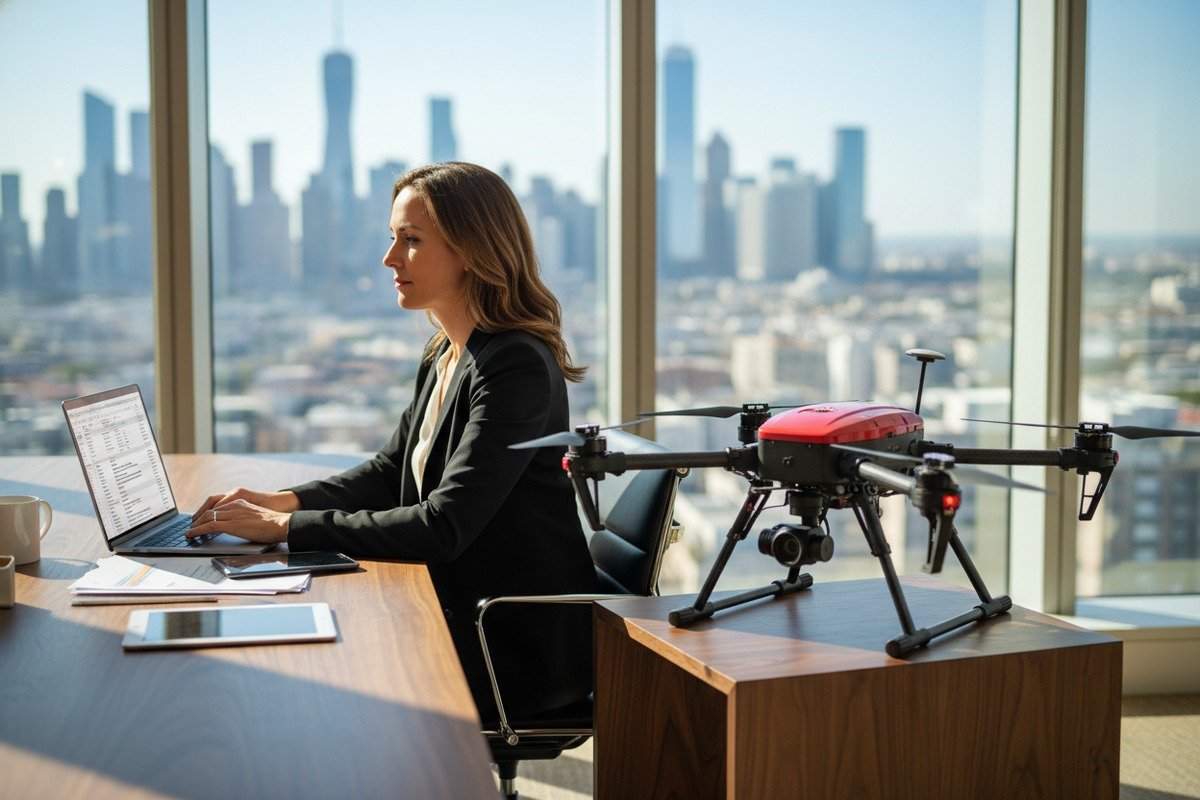
Every week on our production floor, we see firefighting drones 1 return battered from heat exposure, water damage, and crash landings. These harsh conditions make extended warranties essential—but the costs can shock procurement teams.
To negotiate extended warranty costs for firefighting drones, calculate your Total Cost of Ownership first, then leverage fleet volume for 10-20% discounts, demand U.S.-based repairs for faster turnaround, bundle maintenance and spare parts into the agreement, and compare quotes from multiple providers including manufacturers and third-party options.
In this guide, I will walk you through proven tactics our customers use to secure better warranty terms thermal sensor damage 2. You will learn how to evaluate warranty value, negotiate lower fees, prioritize critical components, and bundle services for maximum savings.
How do I evaluate if the additional cost for an extended firefighting drone warranty is justified?
When our engineering team tests drones in simulated fire conditions, we consistently see damage rates climb. The question is not whether repairs will happen—but how much they will cost you without proper coverage.
Extended warranties for firefighting drones are justified when repair costs exceed warranty premiums over the coverage period. Calculate potential expenses for gimbal repairs ($400-900), propulsion failures ($100-300), and thermal sensor damage, then compare against warranty fees. High-risk operations typically justify extended coverage within 12-18 months.

Understanding the Risk Profile of Firefighting Operations
Firefighting drones face conditions that standard commercial drones never encounter. Heat from active fires can warp plastic housings. Water drops for suppression expose electronics to moisture. Thick smoke causes signal loss, leading to crashes. Our data suggests enterprise firefighting drones experience significantly higher failure rates than drones used in normal surveying work.
Consider what happens without warranty coverage. A damaged gimbal and camera system can cost $400-900 to repair, with wait times exceeding two weeks. Propeller and motor replacements run $100-300, taking one to two weeks. During an active fire season, two weeks without a critical drone means missed missions and potential safety risks.
Calculating Your Total Cost of Ownership
Before signing any warranty agreement, build a complete picture of ownership costs. This includes:
| Cost Category | Without Warranty | With Extended Warranty |
|---|---|---|
| Initial purchase price | $5,000-15,000 | $5,000-15,000 |
| Annual repair estimates | $800-2,000 | Covered (minus deductibles) |
| Battery replacements | $300-600/year | Often excluded |
| Software licensing | $200-500/year | Sometimes bundled |
| Downtime costs | Variable, high | Reduced significantly |
| Total 3-year estimate | $8,500-20,000 | $6,500-17,000 |
When we help customers build these projections, the warranty often pays for itself within 18 months for active firefighting fleets.
Comparing Standard vs. Extended Warranty Options
Standard manufacturer warranties 3 typically cover 12 months with limited claims. Extended options add time and reduce restrictions. Here is how major options compare:
| Provider | Coverage Length | Claim Limits | Deductibles | Key Benefit |
|---|---|---|---|---|
| DJI Care Enterprise Basic 4 | 12 maanden | 2 replacements | Fee per claim | OEM parts guaranteed |
| DJI Care Enterprise Plus | 12 maanden | Unlimited (value-capped) | Fee deducted per claim | Fleet-wide coverage |
| DSLRPros | 13 months | Based on purchase price | No fees | U.S.-based repairs |
| CPS Third-Party | 24 months | Unlimited to purchase price | $30-250 tiered | Longer coverage period |
| Aeroo Protect | 12+ months | Per-incident | $89-279 per claim type | Loss coverage option |
The right choice depends on your fleet size, operational intensity, and repair preferences. Larger fleets benefit from DJI Care Enterprise Plus with shared accounts. Smaller operations may prefer DSLRPros' no-fee model.
When to Skip Extended Coverage
Not every situation demands extended warranties. If you operate drones in controlled environments with minimal crash risk, standard coverage may suffice. If your team includes certified repair technicians who can handle common fixes in-house, the math changes. Run the numbers for your specific situation before deciding.
What tactics can I use to negotiate lower warranty fees during my initial drone procurement?
During our export negotiations with U.S. distributors, we have seen firsthand how preparation transforms warranty discussions. The buyers who secure the best terms come armed with data and alternatives.
Negotiate lower warranty fees by bundling coverage with initial purchase, leveraging fleet volume for 15-25% discounts, obtaining competing quotes from manufacturers and third-party providers, demanding U.S.-based repair centers, and requesting extended terms beyond standard 12-month periods. Timing matters—negotiate before shipment when vendors are most flexible.

The Power of Pre-Shipment Negotiation
Your strongest negotiating position exists before you finalize the purchase order. Once drones ship, warranty options narrow and prices become fixed. Vendors want to close deals. Use this leverage.
When we package drones for export, customers who request warranty bundles upfront consistently receive better terms. CPS requires warranty purchases before shipment for their best rates. DSLRPros offers their 13-month no-fee coverage only at initial sale. Missing this window means paying more later—or losing access entirely.
Building Your Negotiation Arsenal
Effective warranty negotiation requires preparation. Gather these elements before your first conversation:
- Competing quotes from at least three providers
- Fleet size projections for the next 2-3 years
- Historical repair data from current operations
- Specific risk documentation for firefighting applications
- Budget constraints clearly defined
When our customers approach DJI representatives with DSLRPros or CPS quotes in hand, they report 15-25% reductions in warranty pricing. Competition drives better deals.
Volume Leverage Strategies
Fleet size creates negotiating power. Single-unit buyers accept standard terms. Multi-unit purchasers write their own rules. Here is how volume typically affects warranty pricing:
| Fleet Size | Typical Discount Range | Extra voordelen |
|---|---|---|
| 1-2 units | 0-5% | Standard terms only |
| 3-5 units | 5-10% | Possible free months added |
| 6-10 units | 10-15% | Reduced deductibles negotiable |
| 11-25 units | 15-20% | Custom coverage terms possible |
| 26+ units | 20-30% | Dedicated support, waived fees |
Even if you plan to purchase units over time, communicate your total projected fleet size upfront. Vendors value long-term relationships and will discount current purchases based on future commitments.
Specific Tactics That Work
Our most successful customers use these proven approaches:
Request longer coverage periods. Standard warranties run 12 months. DSLRPros already offers 13 months. Push for 15-18 months by emphasizing your commitment to the vendor relationship. The marginal cost to extend coverage is low; the value to you is high.
Demand U.S.-based repairs. International shipping delays kill operational readiness. DSLRPros' U.S. repair model outperforms DJI's regional approach for American buyers. Make local service a requirement, not a preference.
Push for deductible waivers. CPS charges $30-250 per claim based on drone value. With volume commitments, negotiate these down to $50 flat or request first-claim waivers. Every dollar saved on deductibles compounds across multiple incidents.
Bundle training and support. Many vendors include training in warranty packages when asked. This adds value without increasing their costs significantly. Ask for pilot certification support, maintenance training, or software onboarding.
Remove activation deadlines. DJI Care Enterprise requires activation within 48 hours of purchase. This creates problems for fleet deployments. Negotiate extended activation windows—30 days minimum for enterprise purchases.
Which critical drone components should I prioritize in my extended coverage agreement?
Our quality control team inspects every drone before it leaves our facility. We know exactly which components fail under firefighting stress—and which ones drain budgets when they break.
Prioritize thermal imaging cameras, gimbal stabilization systems, propulsion motors, flight controllers, and battery systems in extended coverage agreements. These components face the highest failure rates in firefighting operations and carry the steepest repair costs, with thermal cameras alone costing $400-900 to replace.

Understanding Component Vulnerability in Fire Environments
Different drone components face different risks during firefighting missions. Heat affects electronics and batteries most severely. Water exposure threatens motors and gimbal mechanisms. Crashes damage everything, but propulsion systems take the heaviest hits.
When we design firefighting drones, we reinforce these vulnerable areas. But even reinforced components have limits. Smart warranty coverage focuses protection where risk concentrates.
High-Priority Components for Coverage
Based on repair data from firefighting operations 5, prioritize these systems:
Thermal Imaging Cameras: These specialized sensors detect heat signatures through smoke. They cost $400-900 to repair or replace. Heat exposure can degrade sensor accuracy over time, even without visible damage. Ensure your warranty covers both catastrophic failure and performance degradation.
Gimbal Stabilization Systems: The gimbal keeps cameras steady during turbulent flight near fire updrafts. gimbal stabilization systems 6 Crashes often damage gimbal motors or calibration. Repairs typically run $300-600 with multi-week turnaround times. Without a functional gimbal, your drone cannot perform useful reconnaissance.
Propulsion Systems: Motors, ESCs, and propellers work hardest during aggressive maneuvering common in firefighting operations. Heat softens propeller materials. Ash and debris clog motor bearings. Budget $100-300 per motor replacement, recognizing that multi-motor failures happen simultaneously in crash events.
Flight Controllers: The brain of your drone processes sensor data and executes commands. Smoke-induced signal loss can cause erratic behavior leading to crashes. Flight controller replacements cost $200-500 and require recalibration.
Battery Systems: Lithium batteries 7 and heat do not mix safely. Extended heat exposure degrades cell capacity permanently. Most warranties exclude batteries, but negotiate for coverage if you operate in sustained high-temperature conditions. Replacement batteries cost $300-600 each.
Component Coverage Comparison Matrix
Not all warranty plans cover all components equally. Use this matrix when evaluating options:
| Component | DJI Care Enterprise | DSLRPros | CPS | Aeroo Protect |
|---|---|---|---|---|
| Thermal camera | ✔ Covered | ✔ Covered | ✔ Covered | ✔ Covered |
| Gimbal system | ✔ Covered | ✔ Covered | ✔ Covered | ✔ Covered |
| Motors/ESCs | ✔ Covered | ✔ Covered | ✔ Covered | ✔ Covered |
| Schroeven | Varies by plan | ✔ Covered | ✔ Covered | ✔ Covered |
| Flight controller | ✔ Covered | ✔ Covered | ✔ Covered | ✔ Covered |
| Batterijen | ✘ Excluded | ✘ Excluded | ✘ Excluded | ✘ Excluded |
| Lost drones | Plus plan only | ✘ Excluded | ✘ Excluded | ✔ $279 fee |
Modular Coverage Strategies
Some operators prefer modular coverage focused on specific high-value components. This approach works well when budget constraints prevent comprehensive coverage.
If you must choose, prioritize thermal imaging and gimbal systems. These components carry the highest repair costs and longest downtime. A drone with damaged propellers can fly again in days. A drone with a broken thermal camera cannot perform its primary mission.
Consider separate insurance policies for total loss scenarios. CPS and DSLRPros exclude lost drones from coverage. Aeroo Protect offers loss coverage for $279 per claim. For operations over water or dense forests where recovery is uncertain, loss protection adds meaningful value.
Negotiating Component-Specific Terms
When discussing warranty terms, ask specific questions about component coverage:
- What constitutes "covered damage" versus "wear and tear"?
- Are replacement parts OEM or aftermarket?
- Does coverage include recalibration after repairs?
- What documentation is required for thermal camera claims?
- Are firmware-updates 8 included during the coverage period?
These details matter. A warranty that replaces a thermal camera with an uncalibrated aftermarket unit creates new problems while solving the original one.
How can I bundle maintenance and spare parts into my warranty negotiation to reduce overall costs?
On our assembly lines, we package drones with essential spare parts for good reason—we know what breaks first. Smart buyers negotiate to have these components included, reducing total ownership costs significantly.
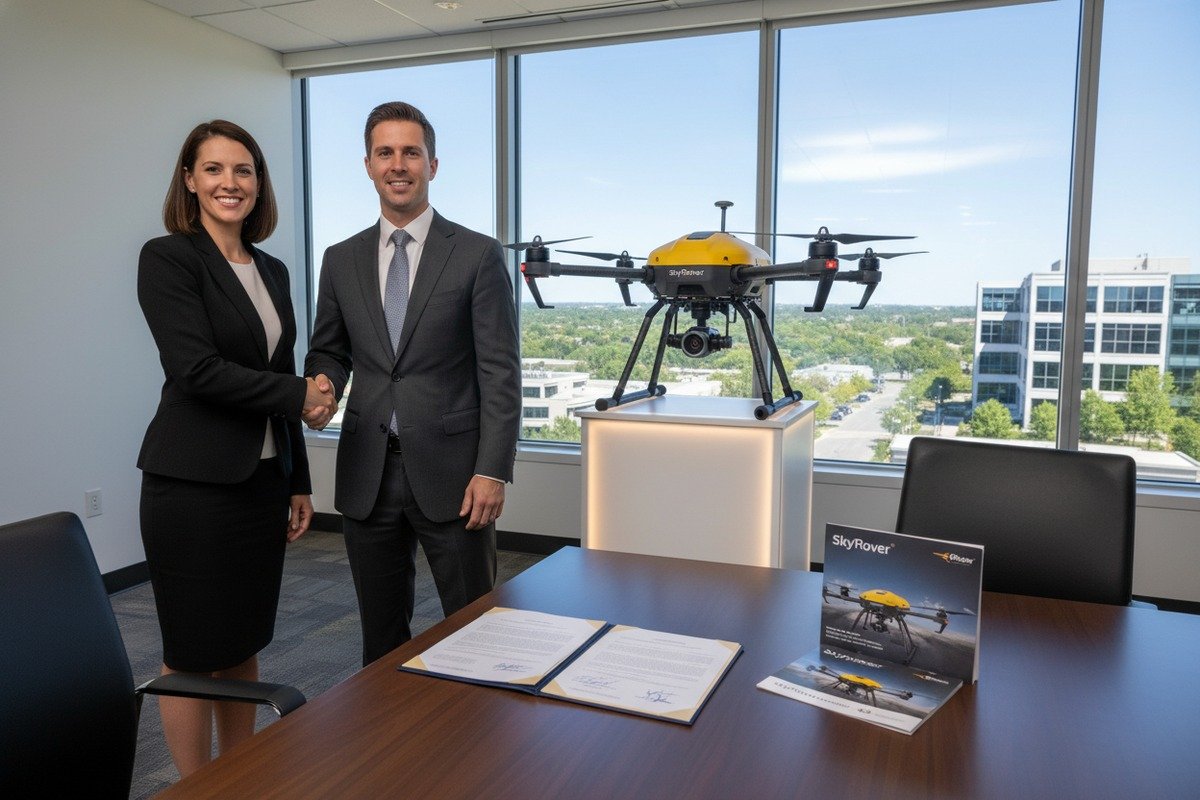
Bundle maintenance and spare parts by requesting inclusion of propeller sets, motor units, and common wear items at purchase. Negotiate scheduled maintenance visits into Service Level Agreements, demand guaranteed turnaround times with penalties for delays, and secure firmware update commitments. These bundles typically save 20-30% versus purchasing services separately.
The Strategic Value of Bundling
Warranties cover failures. Maintenance prevents failures. Spare parts enable quick field repairs. Combining all three creates operational resilience that individual purchases cannot match.
When our distributors negotiate comprehensive bundles, they achieve several advantages simultaneously. They lock in current pricing for future parts needs. They establish relationships with service technicians before emergencies occur. They create accountability through documented Service Level Agreement 9s.
Essential Items to Bundle
Start your bundling negotiation with these core elements:
Propeller Sets: Pack at least two complete sets per drone. Propellers are consumables that require regular replacement even without damage. Bundled pricing typically runs 30-40% below individual purchase prices.
Spare Motors: Request one complete motor set per three drones in your fleet. Motor failures ground drones immediately. Having spares on hand reduces downtime from weeks to hours.
Maintenance Tools: Specialized tools for calibration, motor replacement, and gimbal adjustment should come standard with fleet purchases. These tools cost $100-300 separately but are often included free with negotiation.
Training Sessions: Remote or on-site maintenance training helps your team handle common repairs without vendor involvement. This capability pays dividends throughout the drone's operational life.
Building an Effective Service Level Agreement
A Service Level Agreement transforms vague warranty promises into enforceable commitments. When we work with enterprise customers, we recommend including these elements:
| SLA Component | Recommended Standard | Negotiation Target |
|---|---|---|
| Maximum repair turnaround | 14 business days | 7 business days |
| Loaner drone availability | Not included | Guaranteed within 48 hours |
| Response time for support tickets | 48 hours | 24 hours |
| On-site service visits | 0 per year | 2 per year included |
| Firmware update guarantee | Not specified | All updates for coverage period |
| Penalty for missed SLA | Geen | Credit toward future purchases |
Software and Firmware Considerations
Drone capabilities depend on software as much as hardware. Yet many warranty agreements ignore software entirely. Do not make this mistake.
Negotiate explicit commitments for firmware updates throughout the coverage period. Firefighting drone software evolves rapidly, adding features like improved thermal detection, enhanced autonomous navigation, and better communication protocols. Without update access, your drones fall behind within months.
Security patches deserve particular attention. Connected drones face cybersecurity risks. Ensure your agreement includes all security updates, not just feature enhancements.
Mission planning software often requires separate licensing. Bundle these costs into your warranty negotiation when possible. Annual software fees of $200-500 per drone add up quickly across fleets.
Creating Long-Term Partnership Value
The best warranty negotiations create ongoing relationships, not one-time transactions. Communicate your long-term plans clearly. Vendors invest more in customers they expect to see again.
Consider these partnership-building tactics:
Multi-year commitments: Agree to renew coverage for three years in exchange for reduced annual rates. DJI supports renewals up to 10 years for enterprise customers.
Referral agreements: Offer to recommend the vendor to other fire departments or agencies in exchange for service upgrades.
Pilot program participation: Volunteer to test new products or services in exchange for warranty enhancements.
Case study cooperation: Allow vendors to use your success stories in marketing materials for premium service treatment.
These approaches cost you nothing but create significant value for vendors, value they will share through better terms.
Conclusie
Extended warranty negotiation for firefighting drones requires preparation, comparison, and strategic bundling. By calculating Total Cost of Ownership 10, leveraging fleet volume, prioritizing critical components, and building comprehensive SLAs, you can reduce costs while ensuring operational readiness when emergencies strike.
Voetnoten
1. Explains how drones are used in wildland firefighting operations to enhance safety and efficiency. ↩︎
2. Discusses common causes of damage to thermal sensors and preventative measures. ↩︎
3. Replaced with an authoritative .gov source (Consumer Financial Protection Bureau) explaining manufacturer warranties. ↩︎
4. Official information on DJI’s extended warranty program for enterprise drones, including coverage details. ↩︎
5. Explains how drones are used in wildland firefighting operations to enhance safety and efficiency. ↩︎
6. Replaced with a Wikipedia article on gimbals, specifically linking to the relevant section on film and video applications, which includes drone gimbals. ↩︎
7. Provides essential safety information and hazards associated with lithium-ion batteries in workplaces. ↩︎
8. Explains what firmware updates are, their benefits, and why they are crucial for device performance and security. ↩︎
9. Replaced with a Wikipedia definition, a highly authoritative source for general concepts. ↩︎
10. Replaced with a Wikipedia definition, a highly authoritative source for general concepts. ↩︎

 English
  Spanish
  German
  French
  Dutch
Dutch  Arabic
