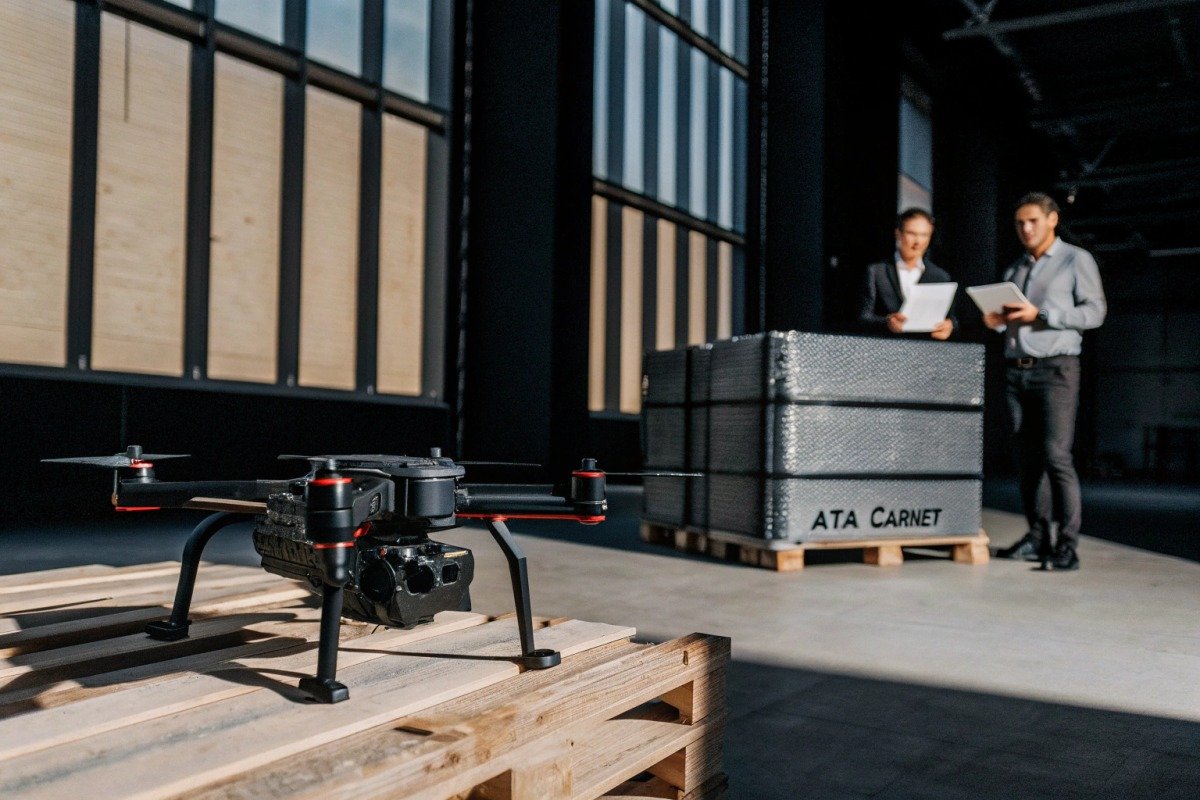
Last quarter, our production team shipped a firefighting drone sample to a US distributor for a live demonstration MOFCOM export license 1. The shipment got stuck at customs for three weeks. Why? Missing documentation and unclear temporary import procedures. This delay cost our client a major contract opportunity.
To handle temporary import/export declarations for firefighting drone samples from China, you need an ATA Carnet or temporary admission bond, MOFCOM export license if specs trigger controls, end-user certificates, technical documentation, and compliance with destination country customs rules. Re-export deadlines must be strictly observed to avoid duties and penalties.
Understanding these procedures can save you weeks of delays and thousands of dollars. Let me walk you through each critical step based on what we have learned shipping samples worldwide.
What documentation do I need from my supplier for a temporary import declaration of firefighting drones?
When our engineering team prepares sample shipments for international demonstrations, documentation gaps cause most delays. Customs officers need complete paperwork to approve temporary imports. Missing even one document can halt your shipment at the border.
You need commercial invoices, packing lists, technical specifications, end-user certificates, export licenses from MOFCOM (if applicable), certificates of origin, and proof of temporary purpose such as exhibition invitations or testing agreements. All documents must match exactly across shipments.

Core Documentation Checklist
Getting the right paperwork starts with understanding what each document proves. Commercial invoices show the declared value of your samples. Packing lists detail every component in the shipment. Technische specificaties 2 help customs classify your drone correctly.
Our shipping department learned this the hard way. A sample shipment to Germany was rejected because the technical specs listed 45-minute flight endurance, but the invoice said 35 minutes. Small inconsistencies create big problems.
Technical Specifications That Matter
Firefighting drones often include specialized components. Thermal imaging cameras, extended-range communication systems, and heavy payload capacities all affect classification. Your supplier must provide accurate specs for each feature.
| Documenttype | Doel | Wie levert het |
|---|---|---|
| Commerciële factuur | Verklaart waarde en inhoud | Leverancier |
| Paklijst | Details all items and quantities | Leverancier |
| Technical Specifications | Classifies drone for customs | Supplier engineering team |
| End-User Certificate | Confirms civilian use only | Buyer |
| Certificaat van oorsprong | Proves manufacturing location | Supplier or chamber of commerce |
| Uitvoervergunning | MOFCOM approval if required | Supplier via Chinese government |
End-User Certificates
This document is critical. It states that your firefighting drone samples will not be diverted to military or terrorism-related uses. Chinese export regulations require this for controlled items.
Our customers often ask if they really need this for firefighting equipment. Yes, they do. Even civilian firefighting drones with thermal imaging or extended flight capabilities can trigger dual-use concerns 3. The end-user certificate protects both parties.
Timing Your Documentation Requests
Start requesting documents at least 30 days before your planned shipment. MOFCOM license applications take 10-20 business days for review. Rush requests rarely succeed. Build this timeline into your project planning.
How can I use an ATA Carnet to avoid paying import duties on my drone samples?
In our experience exporting to the US and European markets, the ATA Carnet 5 system has saved our distributors significant costs. When we ship demonstration units for trade shows or client evaluations, carnets eliminate the duty payment headache entirely.
An ATA Carnet is an international customs document that allows temporary duty-free import of commercial samples and professional equipment. China accepted the ATA Carnet system in 2019. You apply through your local chamber of commerce, list all items and their values, and present the carnet at each border crossing for stamping.

Understanding the Carnet System
Think of an ATA Carnet as a passport for your goods. It travels with your shipment and gets stamped at each entry and exit point. This creates a clear record that your samples entered temporarily and left on schedule.
The carnet covers most countries in Europe, North America, and Asia-Pacific. However, some countries have restrictions on what goods qualify. Drones with certain specifications may require additional approvals even with a valid carnet.
Application Process
Your local chamber of commerce issues ATA Carnets. In the US, this is typically the US Council for International Business 6. The process involves several steps.
| Step | Action | Tijdlijn |
|---|---|---|
| 1 | Complete application form | 1-2 days |
| 2 | List all items with serial numbers and values | 1 day |
| 3 | Pay security deposit (usually 40% of goods value) | Dezelfde dag |
| 4 | Pay processing fee ($250-400 typical) | Dezelfde dag |
| 5 | Receive carnet document | 3-5 werkdagen |
| 6 | Present at customs with goods | At border crossing |
Carnet Limitations for Drones
Not all firefighting drone samples qualify. Items that will be consumed, modified, or permanently installed cannot use carnets. Your samples must return in the same condition they arrived.
Our team once shipped a drone with extra battery packs for a week-long demonstration. The carnet covered the drone but not the consumable battery packs. We had to pay duties on those separately. Plan for such distinctions.
Cost-Benefit Analysis
For a firefighting drone sample valued at $15,000, import duties in the US could reach $1,500-$4,500 depending on classification and current tariff rates. The ATA Carnet costs approximately $300-500 including the security deposit. The savings are clear for temporary shipments.
However, if your client decides to keep the sample permanently, you must "nationalize" the goods. This means paying the duties plus potential penalties for late declaration. We always advise clients to decide before shipping whether the sample might become permanent stock.
Re-Export Requirements
The carnet specifies a validity period, usually 12 months. You must re-export the goods before this deadline. Chinese customs requires the items to return through a designated port with proper exit stamps.
Our logistics team tracks every carnet shipment on a shared calendar. Missing the re-export deadline triggers automatic duty charges against your security deposit. The chamber of commerce will pursue payment if the deposit does not cover the full amount.
Can my Chinese manufacturer handle the door-to-door logistics for temporary export samples?
When our sales team discusses sample shipments with new clients, logistics questions come up immediately. Many buyers wonder if they need to arrange their own freight forwarding or if we can manage the entire process from our factory to their door.
Yes, established Chinese drone manufacturers like us can handle door-to-door logistics for temporary export samples. This includes export documentation, customs clearance in China, international freight, and coordination with destination country customs brokers. However, the buyer must provide certain documents and make decisions on import method.

Manufacturer Logistics Capabilities
Our operations team manages export shipments daily. We maintain relationships with freight forwarders, customs brokers, and international carriers. This experience means we understand the documentation requirements and timing constraints.
For temporary export samples specifically, we prepare all China-side paperwork. This includes the export customs declaration, MOFCOM license application if needed, and packaging that meets international shipping standards.
Division of Responsibilities
Clear communication prevents problems. Here is how responsibilities typically divide between manufacturer and buyer for sample shipments.
| Task | Manufacturer Responsibility | Buyer Responsibility |
|---|---|---|
| Export license application | Yes – we apply through MOFCOM | Provide end-user certificate |
| Douane-inklaring export | Yes – using our broker | Confirm declared value |
| International freight booking | Yes – we arrange | Approve shipping method and cost |
| Cargo insurance | Yes – included in our service | Confirm coverage amount |
| Destination customs clearance | Coordinate with your broker | Provide import authorization |
| Final delivery | Our carrier completes | Provide delivery address and contact |
| ATA Carnet preparation | We list items accurately | You apply in your country |
Lithium Battery Shipping Challenges
Firefighting drones contain lithium-ion batteries. International shipping regulations restrict these items. Our warehouse team has UN38.3 testing certifications 7 for our battery packs. Without this documentation, carriers will reject the shipment.
We package batteries according to IATA Dangerous Goods Regulations 8. This adds cost and limits which carriers we can use. Air freight becomes more expensive. Sea freight takes longer but often allows larger battery shipments.
Communication During Transit
Our logistics coordinator provides tracking updates at each milestone. You will know when your sample clears Chinese customs, when it departs the origin port or airport, and when it arrives in your country.
For temporary export samples, we also remind you of re-export deadlines. Our system flags shipments that must return to China and sends advance notices at 60 days, 30 days, and 7 days before deadline.
Limitations to Expect
We cannot control your country's customs decisions. If US CBP decides to inspect your drone sample, delays happen. If your ATA Carnet paperwork has errors, we cannot fix that from China.
Our role is to ensure everything leaves China correctly. Your role is to ensure everything enters your country correctly. Successful door-to-door logistics requires partnership.
What are the risks to my business if I fail to re-export the drone samples back to China on time?
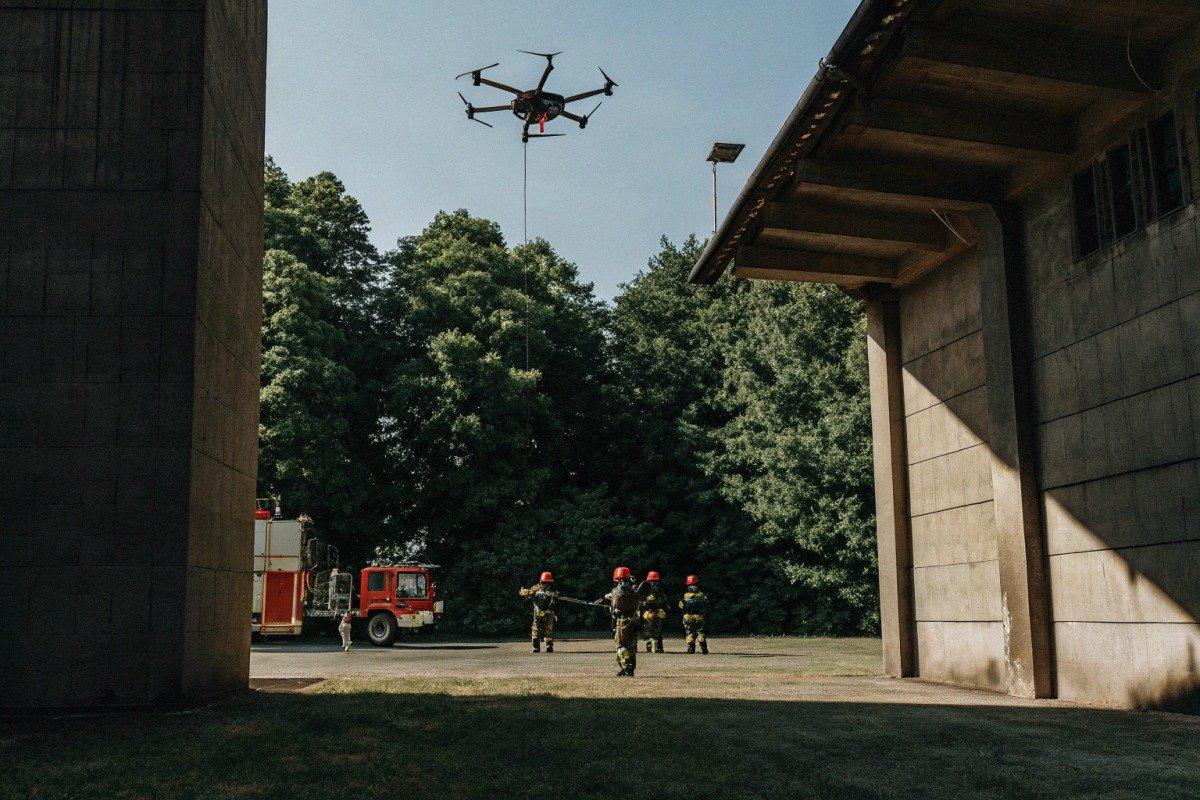
Our customer service team has seen this problem more than once. A buyer brings in a firefighting drone sample for testing. The test extends longer than planned. Suddenly the re-export deadline passes. The financial and legal consequences can be severe.
Failing to re-export drone samples on time triggers immediate duty payments from your security deposit, potential penalties of 10-30% of goods value, loss of carnet privileges, and possible investigation for customs fraud. Your supplier may also face export control violations in China, damaging the business relationship.
Financial Consequences
The first impact hits your wallet. When you miss the re-export deadline, your ATA Carnet's security deposit converts to duty payment. If the deposit does not cover full duties plus penalties, you owe the difference.
For a $20,000 firefighting drone sample, the financial exposure can be substantial.
| Kosten Categorie | Typical Amount | Opmerkingen |
|---|---|---|
| Import duties | $2,000-$6,000 | Depends on classification and tariffs |
| Penalty for late declaration | $2,000-$6,000 | Often 10-30% of duties owed |
| Administrative fees | $500-$1,000 | Broker and chamber of commerce charges |
| Lost security deposit | $8,000 | Forfeited to cover above |
| Additional payment required | $0-$4,000 | If deposit was insufficient |
| Future carnet deposit increase | Variabele | Higher rates for next application |
Legal Exposure
Customs authorities treat missed re-exports seriously. Your goods entered duty-free with a promise to leave. Breaking that promise looks like duty evasion.
In serious cases, customs investigators may question whether you intended to import permanently from the start. This can escalate to fraud allegations. Even if you avoid criminal charges, the investigation consumes time and legal fees.
Impact on Your Supplier
When samples do not return to China on schedule, your Chinese manufacturer faces questions too. Chinese customs tracks outbound temporary exports. Missing re-imports trigger compliance reviews.
At our company, we must file explanations for unreturned samples. Repeated issues could jeopardize our export privileges. We take this seriously and encourage all clients to plan realistic evaluation timelines.
How to Avoid Problems
If you need more time, request an extension before the deadline. Most customs authorities allow extensions with proper justification. We can support your extension request with documentation from our side.
If you decide to keep the sample permanently, declare this change immediately. Pay the appropriate duties through proper channels. Converting from temporary to permanent import is legal when done correctly.
Recovery Options
Already missed the deadline? Act fast. Contact your customs broker immediately. Voluntary disclosure of the oversight often reduces penalties compared to waiting for enforcement action.
Our logistics team can provide documentation proving the goods were legitimate samples and that the delay was unintentional. This helps your case but does not eliminate penalties entirely.
Conclusie
Handling temporary import/export declarations for firefighting drone samples requires careful planning, complete documentation, and strict deadline management. Work closely with your Chinese supplier on export paperwork, use ATA Carnets to avoid duty costs, and never miss your re-export deadlines. These practices protect both your business and your supplier relationship.
Voetnoten
1. Explains MOFCOM export license application process and requirements for controlled goods from China. ↩︎
2. Discusses the Harmonized System (HS) classification of drones based on their technical specifications. ↩︎
3. Explains EU export controls on dual-use goods, including items with both civilian and military applications. ↩︎
4. Replaced HTTP 404 with a working and detailed article from the same domain (Shipping Solutions) explaining end-user certificates and their requirements in international trade. ↩︎
5. ICC is the global authority for ATA Carnets, which simplify temporary duty-free imports. ↩︎
6. Official website of the organization that issues ATA Carnets in the United States. ↩︎
7. Describes the UN38.3 testing procedures for safe transport of lithium-ion batteries. ↩︎
8. Official source for regulations on shipping dangerous goods, including lithium batteries, by air. ↩︎

 English
  Spanish
  German
  French
  Dutch
Dutch  Arabic
