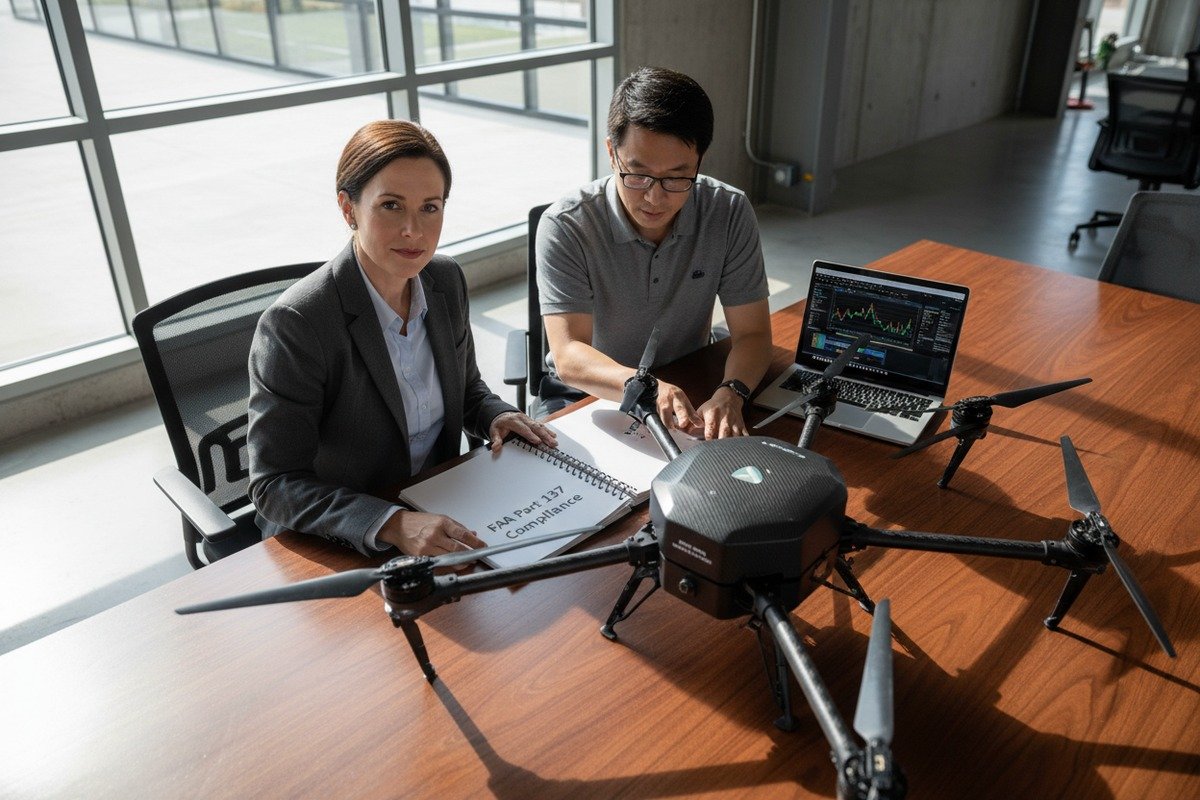
Every week, our export team receives calls from US distributors stuck in FAA paperwork nightmares geofencing boundaries 1. They bought drones from suppliers who promised “full compliance support” but delivered nothing but silence when Part 137 applications 2 hit roadblocks.
To evaluate supplier FAA waiver support, verify their documented track record of successful 44807 exemptions and Part 137 certifications, request sample application packages they have prepared for US clients, and confirm they offer ongoing engineering support for flight data requests and software customization to meet specific operational requirements.
De FAA waiver process 3 for agricultural drones is complex. It involves multiple layers of federal and state requirements. Below, we break down exactly what you should ask your supplier before signing any purchase agreement.
What technical documentation can my supplier provide to assist with my FAA Part 137 waiver application?
When our engineering team prepares export packages for US-bound agricultural drones, documentation quality determines whether our distributors succeed or fail with the FAA. Missing one critical document can delay your application by months.
A capable supplier should provide comprehensive safety manuals, maintenance schedules, flight controller specifications, risk assessment templates, emergency procedure guides, pre-flight checklists, and aircraft weight documentation including maximum takeoff weight calculations with payload—all formatted to FAA standards.
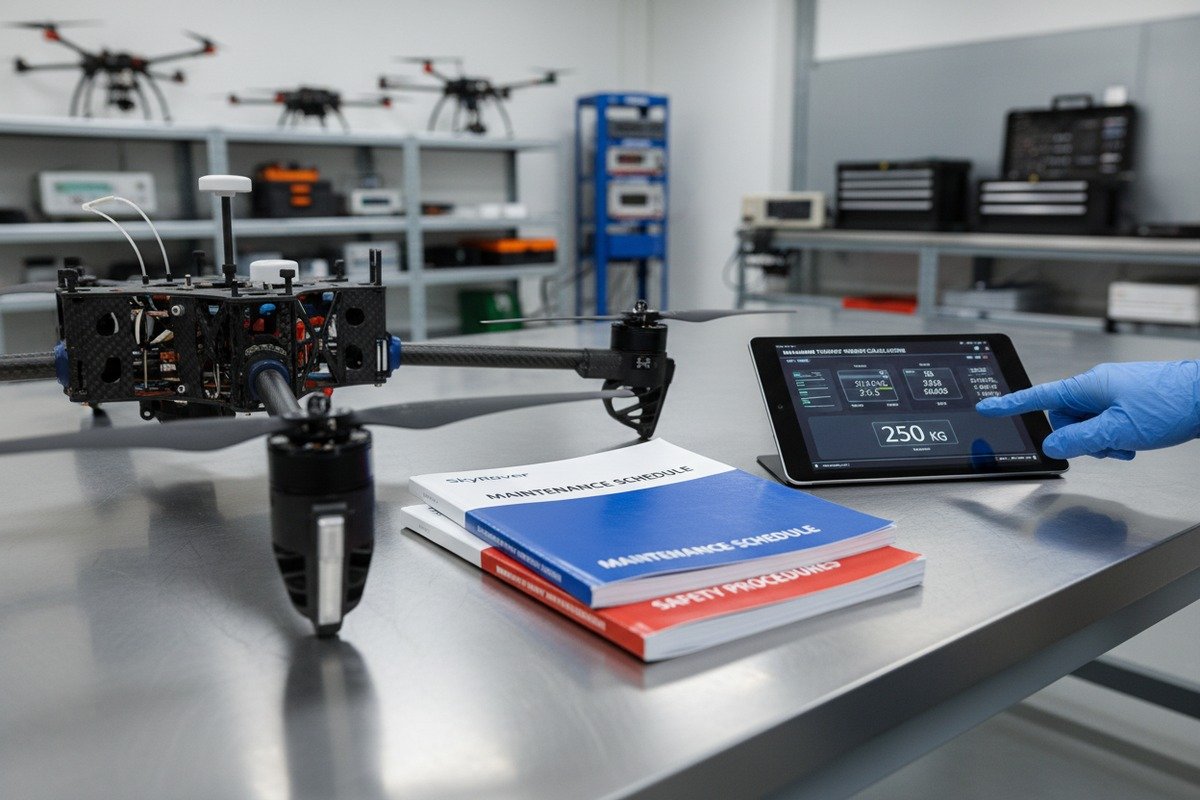
Core Documentation Categories
The FAA requires specific documentation categories for Part 137 Agricultural Aircraft Operator Certificates 4. Your supplier must understand these categories and provide materials that directly support your application.
| Documenttype | Doel | FAA Requirement |
|---|---|---|
| Safety Manual | Outlines operational procedures | Mandatory for Part 137 |
| Maintenance Plan | Details inspection schedules | Required for 44807 exemption 5 |
| Training Records | Proves pilot competency | Part 107 prerequisite |
| Weight Certification | Confirms MTOW compliance | Critical for 55 lb threshold |
| Risicobeoordeling | Identifies operational hazards | Required for BVLOS waivers |
What Makes Documentation FAA-Ready?
Not all documentation meets FAA standards. Our quality control team has identified common gaps that cause application rejections.
First, weight documentation must include the drone's empty weight, maximum payload capacity, and combined maximum takeoff weight. For drones over 55 pounds, this triggers the 44807 exemption requirement. The FAA docket FAA-2023-1271 lists approved UAS models, and your documentation must match these specifications exactly.
Second, maintenance plans need specific intervals. The FAA wants to see pre-flight inspection checklists, 25-hour maintenance schedules, and 100-hour comprehensive inspections. Vague maintenance guidance will not satisfy reviewers.
Third, risk assessments must address your specific operational environment. A generic risk assessment fails. The FAA expects detailed analysis of hazards related to crop spraying, chemical handling, and flight over agricultural areas.
Supporting Documentation Checklist
Beyond core documents, several supporting materials strengthen your application.
Your supplier should provide:
- Certificate of Airworthiness or equivalent manufacturing certification
- Proof of product liability insurance documentation
- Pilot training curriculum specific to the aircraft model
- Emergency landing procedure guides
- Chemical dispensing system specifications
- GPS and geofencing capability documentation
When we ship agricultural drones to US distributors, our export compliance team includes a complete documentation package. This package directly addresses FAA Form 8710-3 6 requirements. Suppliers who cannot provide this level of documentation will leave you struggling with incomplete applications.
How do I verify if a drone manufacturer has a proven track record of helping US distributors secure FAA approvals?
During trade shows, many manufacturers claim FAA compliance expertise. But when our sales team asks competitors for proof, most cannot provide a single exemption number or client reference. Claims without evidence should raise immediate red flags.
Verify a manufacturer's FAA track record by requesting specific exemption numbers from past applications, contacting their US distributor references directly, checking the FAA-2023-1271 docket for their approved models, and asking for documented case studies showing timeline from application to approval.

Direct Verification Methods
The most reliable verification method is checking official FAA records. The regulations.gov docket FAA-2023-1271 7 contains all approved UAS models for agricultural operations. Search this database for your potential supplier's drone models.
| Verificatiemethode | Waar moet je op letten? | Rode vlaggen |
|---|---|---|
| FAA Docket Search | Specific model approvals | No listed models |
| Exemption Numbers | Active 44807 exemptions | Cannot provide numbers |
| Client References | US distributors with active waivers | No US references available |
| Timeline Documentation | Application to approval duration | Vague or missing timelines |
Questions to Ask Your Potential Supplier
Ask direct questions and demand specific answers. Vague responses indicate limited experience.
"How many US distributors have you helped obtain Part 137 certificates in the past two years?"
A qualified supplier should provide a specific number and offer to connect you with references. Our export team maintains relationships with distributors across the United States. We share their contact information with serious buyers who want verification.
"What is the average timeline from application submission to FAA approval for your clients?"
Experienced suppliers know realistic timelines. Part 137 applications submitted to UA****************@*aa.gov typically take 4-8 weeks after 44807 exemption approval. Suppliers promising faster timelines may not understand the process.
"Can you provide copies of successful exemption letters with client names redacted?"
This request separates genuine experience from marketing claims. Manufacturers with real track records maintain archives of successful applications.
Industry Trends Supporting Verification
The FAA has streamlined agricultural drone approvals significantly. By 2025, the agency processes Part 137 applications via email rather than through local Flight Standards District Offices. This change means suppliers with recent experience understand current procedures.
Some suppliers like Hylio now offer free 44807 exemption assistance. This industry trend toward full-service compliance support sets a benchmark. If your potential supplier offers less support, question why.
When our team assists US distributors, we provide a dedicated compliance liaison who communicates directly with their regulatory consultants. This level of support reflects genuine investment in customer success, not just sales completion.
Can the supplier customize drone software and safety features to meet my specific FAA operational requirements?
Our software engineering team spends considerable time modifying flight parameters for US agricultural clients. FAA waivers come with specific operational limits. Drones that cannot be customized to these limits create compliance problems immediately after purchase.
Quality suppliers can customize flight controller software to enforce FAA waiver limits including maximum groundspeed restrictions, altitude ceilings, geofencing boundaries, and automatic return-to-home protocols—all documented and verifiable for FAA inspection purposes.
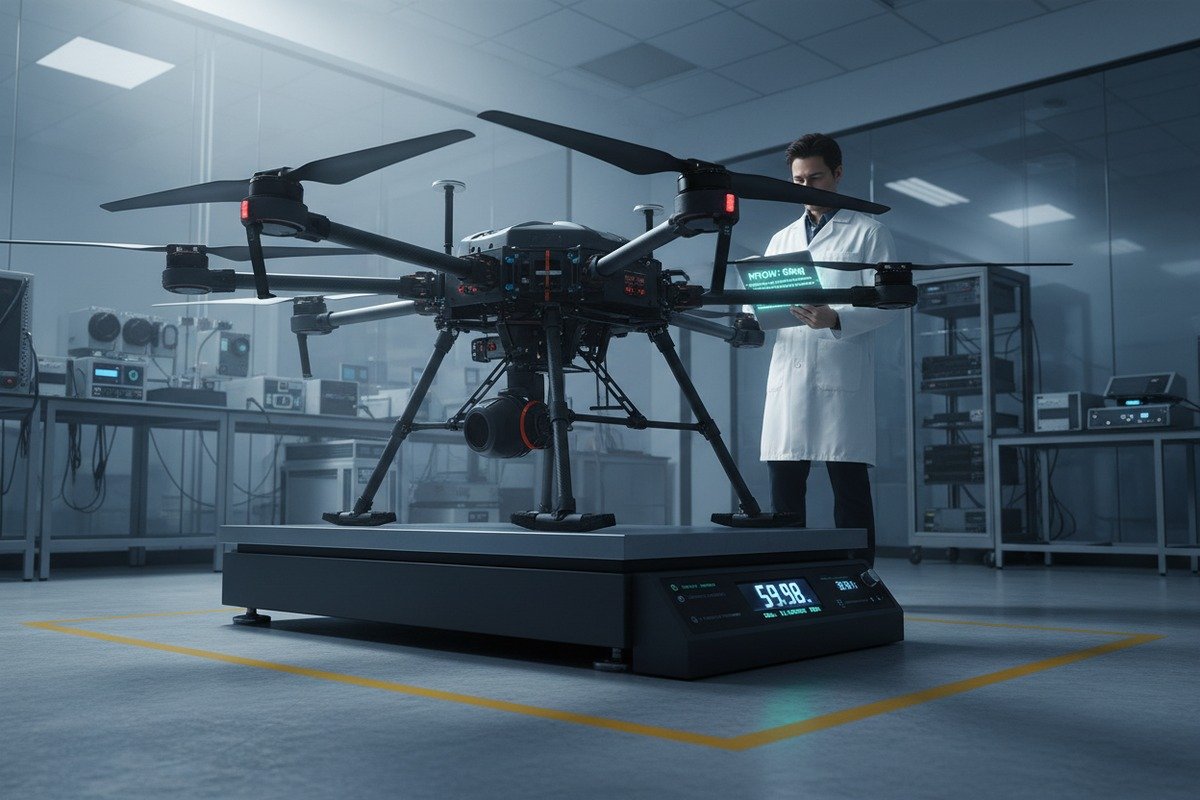
Common FAA Operational Limits Requiring Customization
FAA exemptions for agricultural drones include specific operational constraints. Your drone's software must enforce these limits automatically.
| Operational Parameter | Typical FAA Limit | Customization Required |
|---|---|---|
| Maximum Groundspeed | ≤15 mph | Speed governor setting |
| Altitude Over Crops | ≤20 feet AGL | Altitude limiter |
| Distance from Structures | 500 feet minimum | Geofencing setup |
| Return-to-Home Trigger | Low battery threshold | Automated protocol |
| Flight Logging | Continuous recording | Data storage system |
Software Customization Capabilities
When our flight controller engineers receive customization requests, they address several critical areas.
Speed governors prevent operators from exceeding waiver limits. This feature protects you from accidental violations that could result in certificate revocation. The software should display current speed and provide warnings as limits approach.
Altitude limiters work similarly. For crop spraying operations, the FAA typically restricts altitude to 20 feet above ground level. Your drone's software should enforce this limit while accounting for terrain variations using ground-following radar or LIDAR systems.
Geofencing prevents flight into restricted areas. This includes proximity to airports, populated areas, and structures beyond your waiver's approved boundaries. Customizable geofencing allows you to define your specific operational area.
Safety Feature Integration
Beyond basic limits, advanced safety features strengthen your compliance position.
Automatic return-to-home protocols must activate under multiple conditions: low battery, signal loss, and geofence breach. These protocols should be customizable to your operational environment. A drone returning home over a highway presents different risks than one returning over farmland.
Flight logging systems 8 record every operation. The FAA may request flight data during inspections or after incidents. Your supplier should provide software that logs GPS coordinates, altitude, speed, battery status, and chemical dispensing data throughout each flight.
When we develop customization packages for US distributors, our engineering team creates documentation showing exactly how software settings comply with specific waiver requirements. This documentation becomes part of your compliance file for FAA inspections.
Questions About Customization Support
Ask your potential supplier these specific questions:
"Can you modify maximum speed settings in the flight controller?"
"Does your software log all flight parameters required by the FAA?"
"Can altitude limits be set to specific feet AGL?"
"How do you document software customizations for FAA compliance files?"
Suppliers who hesitate on these questions likely lack the engineering capability to support your waiver requirements.
What kind of ongoing engineering support will I receive if the FAA requests additional flight data for my waiver?
Three months ago, one of our US distributors received an FAA request for additional flight data related to their 44807 exemption. Because we maintain ongoing engineering support relationships, our team provided the required data within 48 hours. Suppliers who disappear after sales leave you stranded in these critical moments.
Expect ongoing engineering support including remote technical assistance for data extraction, flight log analysis and formatting to FAA specifications, software updates addressing regulatory changes, direct communication channels with engineering staff, and rapid response protocols for time-sensitive FAA requests.
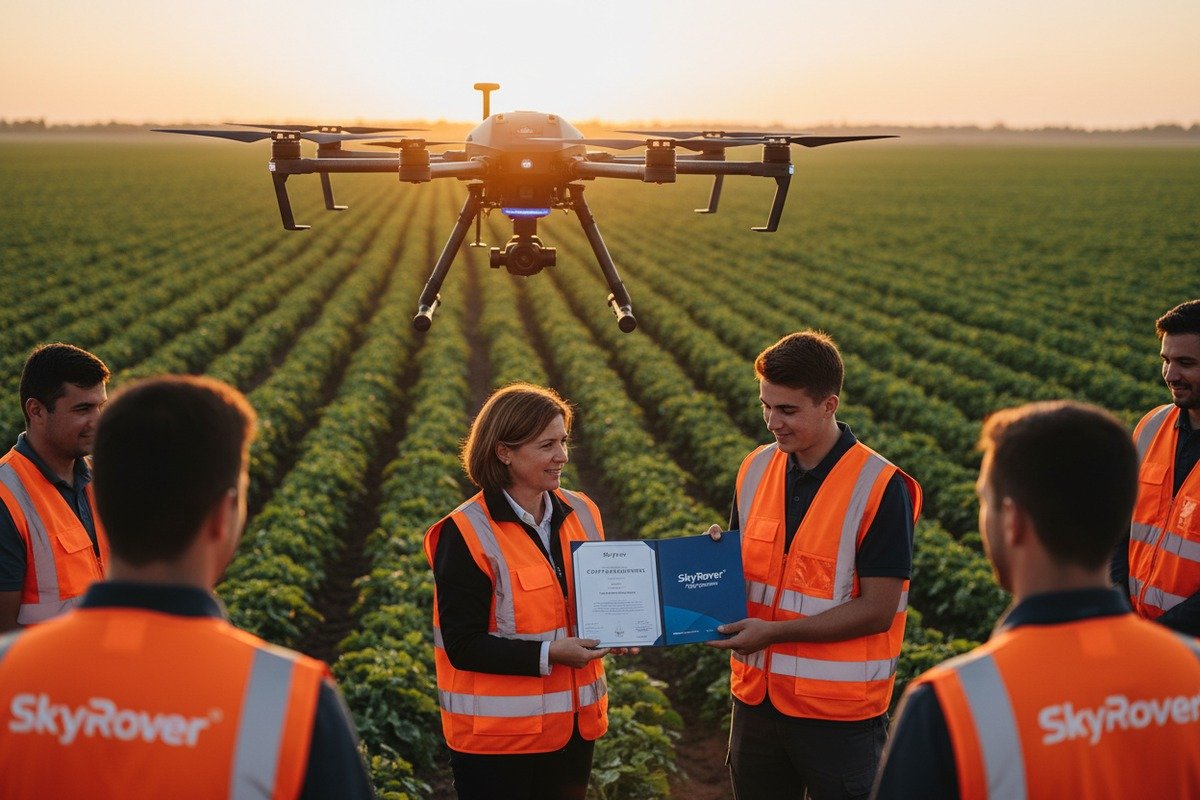
Types of FAA Data Requests
The FAA may request additional information at several points during and after your waiver process. Understanding these requests helps you evaluate supplier support capabilities.
| Request Type | Timing | Data Required | Response Window |
|---|---|---|---|
| Application Clarification | During review | Technische specificaties | 30 days typical |
| Incident Investigation | After reported event | Complete flight logs | 72 hours often |
| Random Compliance Check | Anytime after approval | Operational records | 14-30 days |
| Waiver Renewal | Before expiration | Updated documentation | 60 days advance |
What Ongoing Support Looks Like
Quality ongoing support extends far beyond initial documentation. Here is what our support team provides to US distributors.
Remote diagnostic capability allows our engineers to analyze flight controller data without physical access to the drone. When the FAA requests specific flight parameters, we can extract and format this data remotely.
Direct engineering communication matters during time-sensitive requests. Our US distributors receive direct contact information for assigned engineers. Email responses within 24 hours and emergency phone support ensure you never face FAA deadlines alone.
Software update distribution keeps your fleet compliant with evolving regulations. When the FAA changes requirements, compliant suppliers push updates to their entire user base. Outdated software creates compliance gaps.
Evaluating Support Quality Before Purchase
Before purchasing, test your potential supplier's support responsiveness.
Send a technical question via their support channels. How long does response take? Is the answer technically accurate? Does the response come from someone with engineering knowledge?
Ask about support hours. US agricultural operations need support during US business hours, not just Chinese business hours. Quality suppliers maintain extended support coverage or US-based technical staff.
Request their support escalation process. What happens when frontline support cannot answer your question? How quickly can engineering staff engage?
Our support structure includes tiered response protocols. Level one support handles routine questions within four hours. Technical questions escalate to engineering within 24 hours. FAA-related emergencies receive immediate engineering attention.
Support During the Waiver Lifecycle
FAA waivers have lifecycles. Your supplier should support you through each phase.
During initial application, suppliers provide documentation and answer FAA questions about aircraft specifications. After approval, suppliers help maintain compliance through software updates and operational guidance. At renewal, suppliers assist with updated documentation reflecting any regulatory changes.
Pilot experience requirements add another support dimension. Part 137 operations may require minimum flight hours. Suppliers should provide training support to help pilots meet these requirements on your specific aircraft model.
When we onboard new US distributors, our training team conducts comprehensive sessions on aircraft operation, maintenance procedures, and compliance requirements. This training investment reduces support burden later while ensuring operational success.
Conclusie
Evaluating supplier FAA waiver support requires verifying documentation quality, checking approval track records, confirming customization capabilities, and ensuring ongoing engineering support. The right supplier partnership transforms complex regulatory compliance into manageable business operations.
Voetnoten
1. Explains how drone geofencing systems relate to FAA regulations. ↩︎
2. Official FAA source detailing the application process for Part 137. ↩︎
3. Replaced with FAA’s official Part 107 waivers page for commercial UAS operations. ↩︎
4. Replaced with FAA Advisory Circular 137-1B on the certification process for agricultural aircraft operators. ↩︎
5. Provides official FAA information and context for the 44807 exemption. ↩︎
6. Direct link to the official FAA form for agricultural aircraft operator certification. ↩︎
7. Direct link to the official government docket for approved UAS models. ↩︎
8. Provides guidance on the importance and contents of drone flight logs. ↩︎

 English
  Spanish
  German
  French
  Dutch
Dutch  Arabic
