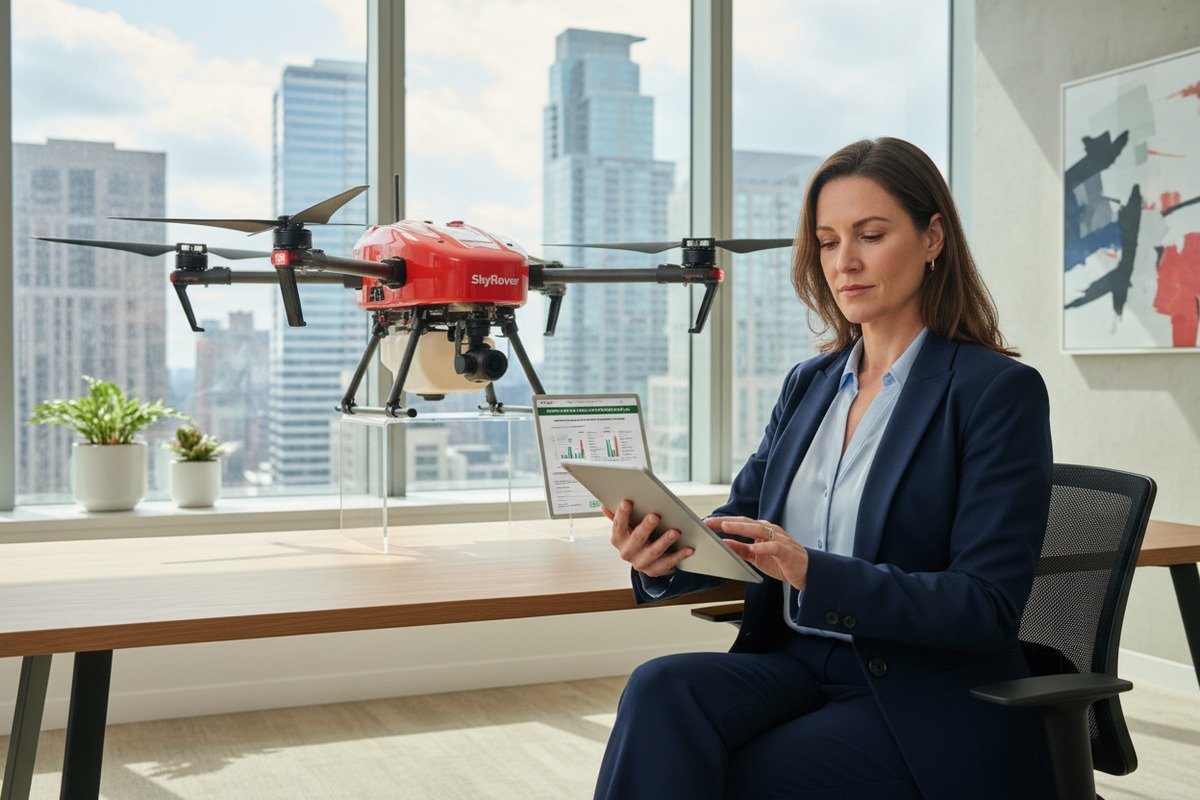
Last year, our production team received urgent calls from a fire department ISO 9001 quality management systems 1. Their previous supplier had vanished mid-contract. The drones they bought failed during a wildfire. Lives were at risk. This taught us a hard truth: not all drone suppliers can be trusted at face value.
To conduct background checks on firefighting drone suppliers, hire third-party agencies that verify corporate records, financial stability, FAA Part 107 certifications, TSA security assessments, manufacturing capabilities, export history, and technical compliance. These agencies provide unbiased audits, on-site inspections, and continuous monitoring to ensure your supplier meets safety and reliability standards.
In this guide, we will walk you through the exact steps IP-classificaties 2. You will learn what to ask your agency, which certifications matter, and how to verify that your supplier can deliver drones that perform in life-or-death situations.
Why should I use a third-party agency to verify the manufacturing capabilities of my firefighting drone supplier?
When our engineers designed our first fire-resistant octocopter, we knew quality control was everything. But how can a buyer in the United States truly know what happens inside a factory in China? Distance creates doubt. Trust requires proof.
Third-party agencies provide independent verification that your firefighting drone supplier has real manufacturing capabilities, quality systems, and financial stability. They eliminate bias, reduce fraud risk, and deliver documented evidence you can use for procurement decisions and compliance audits.

The Problem with Self-Reported Data
Many suppliers will send you brochures. They will share videos of their factories. But these materials are marketing tools. They do not prove anything.
A third-party agency sends actual auditors to the factory floor. They check if the machines exist. They verify if the workforce matches the claimed capacity. They review production records.
In our experience exporting to the US and Europe, we have seen buyers lose thousands of dollars to suppliers who rented equipment for a photo shoot. The drones arrived late. The quality was poor. The buyers had no recourse.
What Third-Party Agencies Actually Check
| Verification Area | What Auditors Look For | Waarom het belangrijk is |
|---|---|---|
| Corporate Records | Business licenses, ownership structure, directorship history | Confirms legal existence and accountability |
| Financial Health | Credit reports, liens, judgments, bankruptcy filings | Reveals hidden debts or instability |
| Productiecapaciteit | Equipment, workforce size, daily output records | Ensures supplier can meet your order volume |
| Quality Systems | ISO certifications, inspection procedures, defect rates | Predicts product reliability |
| Personnel Credentials | Engineer qualifications, pilot certifications | Verifies technical competence |
The Cost of Skipping Verification
Industry data suggests that 20-30% of suppliers have hidden liens or judgments. Without a credit check, you might prepay a supplier who is about to go bankrupt.
For firefighting drones, the stakes are higher. A drone that fails during a wildfire can cost lives. It can expose your organization to lawsuits. It can destroy your reputation.
Third-party agencies charge between $100 and $500 per check. Compare that to the cost of a failed deployment. The return on investment is clear.
Choosing the Right Agency
Look for agencies with global coverage. They should have auditors in the supplier's country. They should offer real-time monitoring, not just one-time reports.
Ask if they use automated screening platforms. Modern tools can flag risks across 100+ countries. They can track changes in the supplier's status over time.
What specific technical certifications and engineering standards should I ask my agency to check?
When we calibrate our flight controllers for firefighting missions, we follow strict protocols. Thermal resistance, signal stability, and payload capacity all require documented testing. But not every supplier maintains these standards. Your agency needs a checklist.
Request verification of FAA Part 107 certifications for pilots, ISO 9001 quality management systems, IP ratings for dust and water resistance, CE or FCC compliance for electronics, and fire-specific standards like thermal imaging calibration. Also verify any NICET or proprietary training credentials for integrated fire inspection systems.

Aviation Certifications
FAA Part 107 is mandatory for commercial drone operations in the United States. FAA Part 107 certifications 3 Your supplier's pilots must pass a 60-question exam with a 70% pass rate. They must be at least 16 years old.
For firefighting operations, pilots often need BVLOS (Beyond Visual Line of Sight) waivers. These are harder to obtain. They require additional documentation and safety protocols.
TSA Security Threat Assessments 4 are also required. This process checks pilots against terrorist watchlists and criminal databases. It takes 6-8 weeks to complete. Ask your agency to verify these certifications directly.
Manufacturing Quality Standards
| Certificering | Wat dekt het? | Relevance to Firefighting Drones |
|---|---|---|
| ISO 9001 | Kwaliteitsmanagementsystemen | Ensures consistent production quality |
| ISO 14001 | Milieubeheer | Shows responsible manufacturing practices |
| IP67/IP68 | Stof- en waterbestendig | Critical for smoke and water exposure during fires |
| CE-markering 5 | Europese veiligheidsnormen | Required for EU market entry |
| FCC-certificering 6 | Conformiteit met radiofrequentie | Ensures communication systems work legally in the US |
| MIL-STD-810 | Military durability testing | Indicates extreme condition resistance |
Fire-Specific Technical Standards
Firefighting drones need thermal imaging cameras. These cameras must be calibrated correctly. Ask your agency to check calibration certificates.
The drone's materials should resist high temperatures. Carbon fiber frames with fire-resistant coatings are standard for professional-grade equipment. Our production line tests frame integrity at temperatures up to 200°C.
Battery safety is another concern. Lithium batteries can be dangerous in heat. Look for batteries with UN38.3 certification 7. This confirms they have passed transportation safety tests.
Intellectual Property Verification
Your agency should check if the supplier owns or licenses their core technologies. Patent verification prevents you from buying counterfeit products.
Some suppliers copy designs from established brands. If you import these drones, you could face legal action. Your agency can search patent databases to confirm legitimacy.
Cybersecurity Considerations
Modern firefighting drones collect sensitive data. Thermal maps of wildfires, GPS coordinates, and video footage must be protected.
Ask your agency to audit the drone's software systems. Look for encryption protocols, secure data storage, and protection against remote hijacking. For public safety missions, cybersecurity is not optional.
How can a third-party audit help me confirm the supplier's export history and customs clearance reliability?
Our team ships firefighting drones to distributors across North America and Europe. We have learned that paperwork mistakes cause expensive delays. A single missing document can hold your shipment at customs for weeks. Your agency can prevent this.
Third-party audits verify export history by reviewing past shipping records, customs declarations, and compliance with international trade regulations. Agencies check for previous violations, confirm proper documentation practices, and assess whether the supplier understands destination country import requirements like FDA registration or DOT hazardous materials handling.

Why Export Experience Matters
Firefighting drones contain regulated components. Lithium batteries require hazardous materials declarations. Radio transmitters need FCC approval documentation. Thermal cameras may have export control restrictions.
A supplier without export experience will make mistakes. These mistakes cost you time and money. Customs authorities may seize shipments. You may face fines.
What Your Agency Should Verify
| Exportdocumentatie | Doel | Common Problems |
|---|---|---|
| Commerciële factuur | Verklaart waarde en inhoud | Undervaluation triggers audits |
| Paklijst | Details inhoud zending | Inaccuracies cause delays |
| Certificaat van oorsprong | Confirms manufacturing country | Errors affect tariff rates |
| Bill of Lading | Transport contract | Missing documents halt shipment |
| MSDS for Batteries | Hazardous materials declaration | Non-compliance causes rejection |
| Uitvoervergunning | Government authorization | Some drone tech requires permits |
Checking Past Performance
Ask your agency to contact the supplier's previous customers. Reference checks reveal patterns. Did shipments arrive on time? Were documents correct? Did customs clearance go smoothly?
Your agency should also check if the supplier has any trade violations on record. Government databases track companies that have violated export controls. A supplier with past violations is a red flag.
Understanding Your Destination Requirements
Different countries have different rules. The United States requires Remote ID compliance 8 for drones sold after 2024. Europe has CE marking requirements. Australia has specific aviation safety rules.
A qualified supplier knows these differences. They prepare documentation accordingly. Our export team maintains separate checklists for each destination market. This prevents errors.
Ongoing Monitoring
Trade regulations change. Your agency should offer continuous monitoring services. If your supplier gets added to a restricted list, you need to know immediately.
Geopolitical tensions have disrupted supply chains since 2024. Some components now face tariffs or restrictions that did not exist before. Your agency should track these changes and alert you to risks.
Which on-site inspection steps should I prioritize to ensure my drone supplier meets high-end durability requirements?
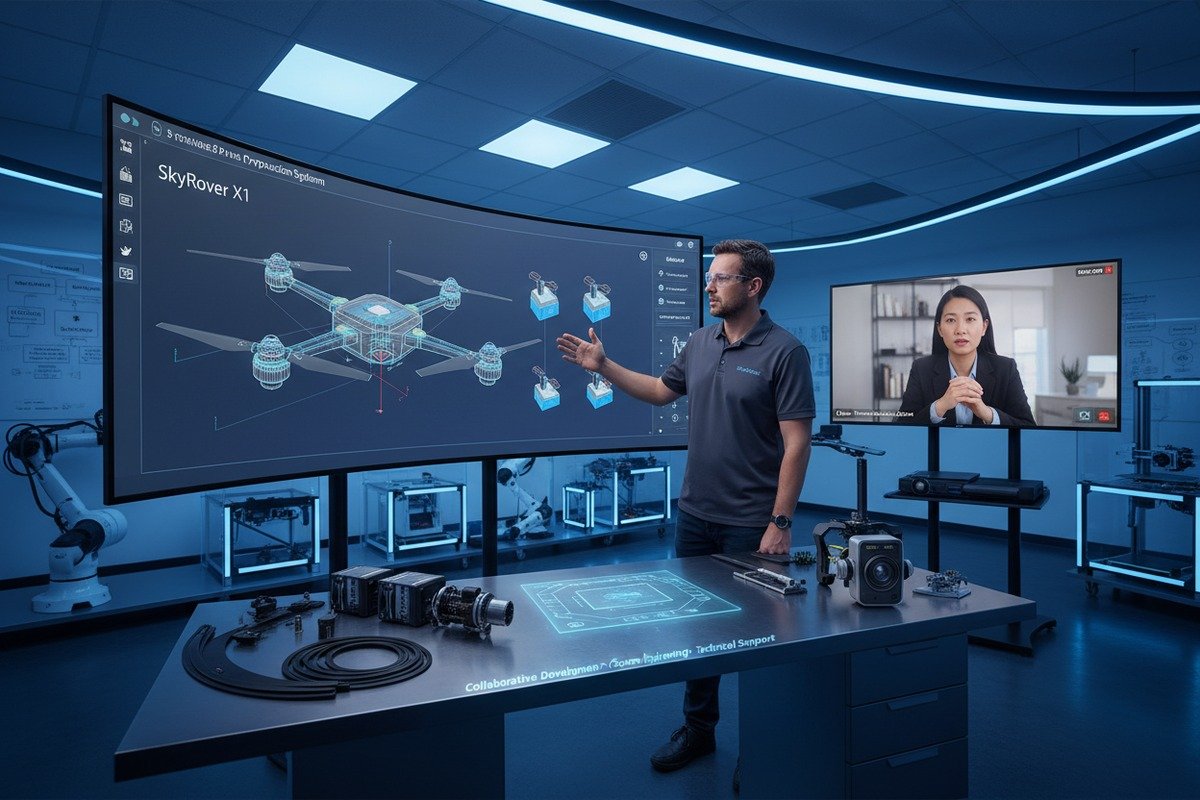
When we test our carbon fiber frames, we simulate years of stress in days. We drop drones from height. We expose them to extreme temperatures. We run motors until they fail. This is what durability testing looks like. Your inspector should verify these processes exist.
Prioritize on-site inspection of incoming material testing, assembly line quality controls, environmental stress testing chambers, finished product flight testing, and spare parts inventory. Verify that the supplier documents every test, maintains calibrated equipment, and employs trained quality inspectors at each production stage.
Incoming Material Inspection
Quality starts with raw materials. Your inspector should check how the supplier verifies incoming components.
Carbon fiber sheets should have batch certifications. Motors should come with performance test reports. Electronic components should have traceability codes.
Ask to see the supplier's rejection records. A factory that never rejects materials is either lying or not testing.
Assembly Line Controls
Walk the production line with your inspector. Look for quality checkpoints at each station.
| Production Stage | Quality Control Point | Wat te controleren |
|---|---|---|
| Frame Assembly | Structural integrity check | Torque specifications documented |
| Motor Installation | Alignment verification | Vibration testing performed |
| Wiring Harness | Continuity testing | Connection quality recorded |
| Vluchtregelaar | Firmware calibration | Settings verified against specifications |
| Final Assembly | Visual inspection | Defect logging system exists |
Environmental Stress Testing
Firefighting drones face harsh conditions. Heat, smoke, water spray, and debris are all threats.
Your inspector should verify that the supplier has testing chambers. Temperature cycling tests reveal material weaknesses. Vibration tables simulate flight stress. IP rating tests confirm water resistance.
Our testing facility includes a thermal chamber that cycles from -20°C to 80°C. We test every flight controller batch this way. Ask your inspector to verify similar capabilities.
Flight Testing Protocols
Every drone should fly before shipping. Your inspector should observe the flight testing process.
Check for documented test procedures. Pilots should follow a checklist. Flight data should be logged. Any anomalies should trigger investigation.
Ask how many drones fail flight testing. A realistic failure rate is 1-3%. If the supplier claims zero failures, they may not be testing properly.
Spare Parts and Post-Deployment Support
Durability includes long-term serviceability. Your inspector should check spare parts inventory.
Are replacement motors in stock? Can you get a new flight controller within days? Are repair manuals available?
We maintain spare parts inventory for every model we have shipped in the past five years. Your supplier should do the same. This ensures your firefighting fleet stays operational.
Documentatie beoordelen
Every test should produce records. Your inspector should audit documentation systems.
Look for serial number traceability. You should be able to track any component back to its source. This is essential for investigating failures.
Check calibration records for testing equipment. Uncalibrated instruments produce unreliable results.
Conclusie
Background checks protect your investment and your reputation. Use third-party agencies to verify manufacturing capabilities, certifications, export history, and durability testing. The cost of verification is small compared to the cost of failure in life-saving firefighting operations.
Voetnoten
1. Official information on the ISO 9001 standard from ISO. ↩︎
2. Official standard for Ingress Protection (IP) ratings. ↩︎
3. Replaced 404 link with the official FAA page on how to become a certificated remote pilot under Part 107. ↩︎
4. Official FAA page explaining TSA STA for drone pilots. ↩︎
5. Official European Commission page on CE Marking. ↩︎
6. Official FCC information on equipment authorization and compliance. ↩︎
7. Official UN source for the manual containing UN38.3 test requirements. ↩︎
8. Official FAA information on Remote ID for drones. ↩︎

 English
  Spanish
  German
  French
  Dutch
Dutch  Arabic
