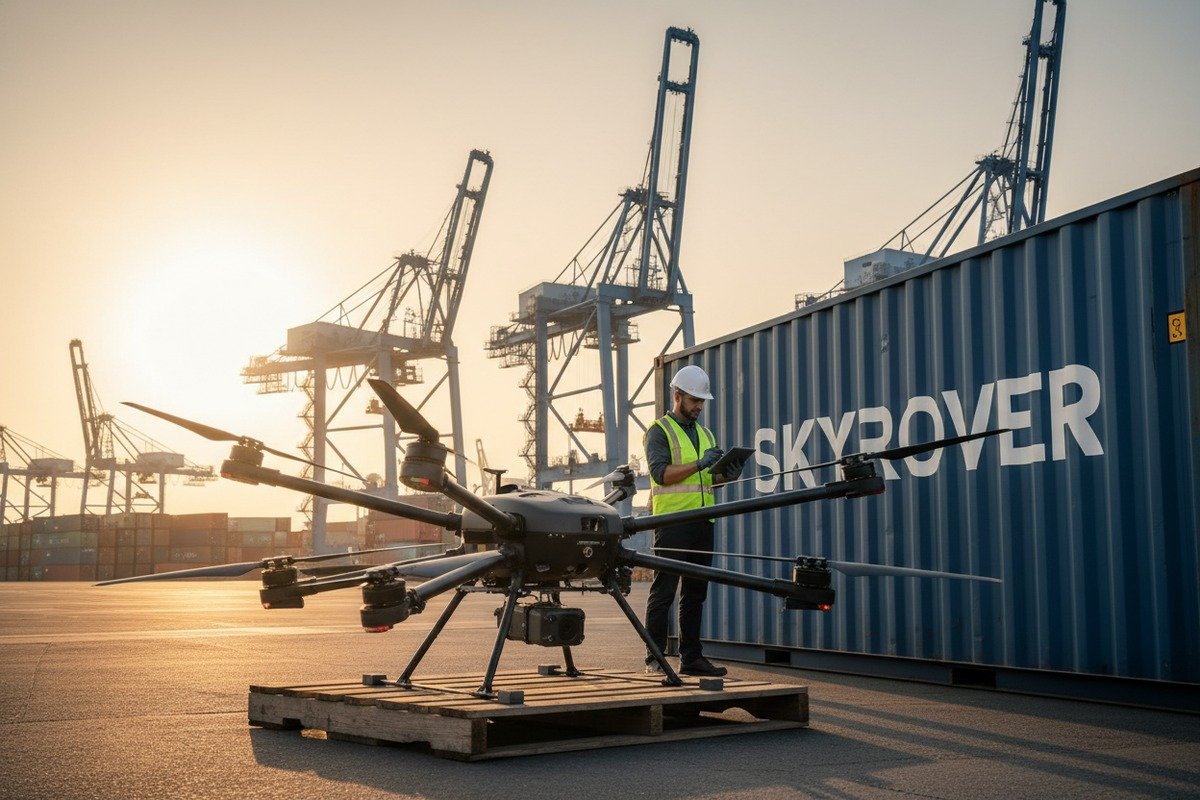
Every week, our logistics team fields calls from US distributors asking the same question intermodal yards 1. They want drones delivered fast and cheap. But the port they choose can add thousands to their final cost.
To lower inland logistics costs for agricultural drones from China, prioritize West Coast ports like Los Angeles/Long Beach or Oakland for shipments headed to Midwest agricultural regions. These ports offer direct rail connections that reduce trucking distances by 40-50% compared to East Coast alternatives, cutting per-container costs by $2,000-$3,500.
The choice of port affects more than just shipping fees Panama routing 2. It impacts customs clearance speed, detention risks, and your ability to serve agricultural customers during critical planting and spraying seasons. Let me walk you through the key factors our team considers when planning shipments to US partners.
Which US West Coast ports should I prioritize to minimize the trucking distance for my agricultural drone shipments?
When we ship containers from our Xi'an facility, the West Coast entry point determines everything that follows. A wrong choice here can erase all the savings you negotiated on manufacturing costs.
For agricultural drone shipments destined for US farming regions, prioritize Los Angeles/Long Beach for California Central Valley and Southwest markets, Oakland for Northern California and Pacific Northwest, and Seattle/Tacoma for quick access to wheat-belt states. Los Angeles offers the best rail connections to Midwest agricultural hubs like Iowa, Illinois, and Kansas.
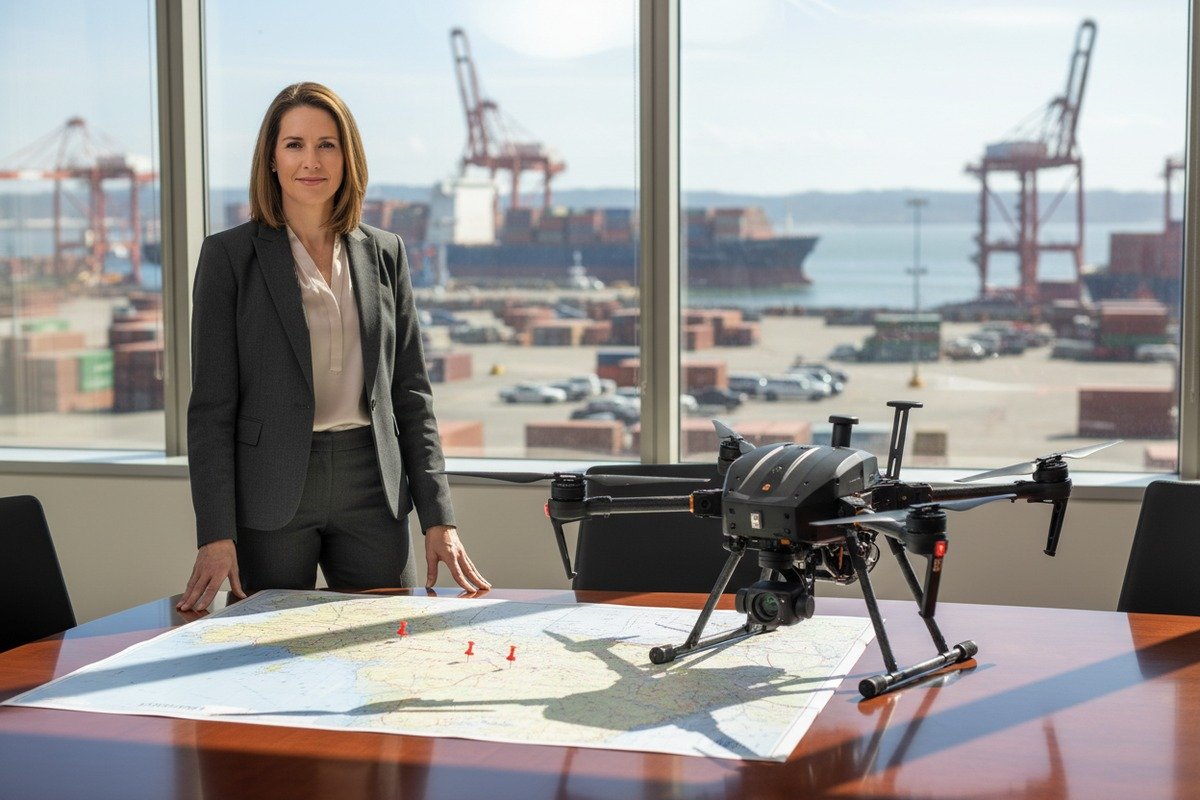
Understanding West Coast Port Geography
The West Coast gives you three major port clusters. Each serves different agricultural regions better than others.
Los Angeles/Long Beach 3 handles roughly 40% of all US container imports. This massive volume means more carrier options and competitive rates. From our experience exporting to the US, the LA port complex offers the most frequent sailings from China. You can find departures almost daily.
Oakland sits further north. It serves the San Francisco Bay Area and provides quicker access to the Pacific Northwest. Trucking distances to Central Valley farms are shorter from Oakland than from LA.
Seattle/Tacoma is your northernmost option. It works best if your customers farm in Washington, Oregon, or the northern Plains states.
Trucking Distance Comparisons
Here is how trucking distances compare from each West Coast port to major agricultural distribution centers:
| Destination | From LA/Long Beach | From Oakland | From Seattle/Tacoma |
|---|---|---|---|
| Fresno, CA (Central Valley) | 220 miles | 170 miles | 810 miles |
| Phoenix, AZ | 370 miles | 660 miles | 1,420 miles |
| Denver, CO | 1,020 miles | 1,230 miles | 1,320 miles |
| Des Moines, IA | 1,740 miles | 1,870 miles | 1,720 miles |
| Minneapolis, MN | 1,940 miles | 2,040 miles | 1,650 miles |
For Central Valley operations, Oakland saves 50 miles per truck trip. That adds up quickly across multiple shipments. But for Midwest destinations, the difference between ports shrinks because rail becomes the smarter option.
Rail Connection Quality
Los Angeles offers superior rail infrastructure. BNSF and Union Pacific 4 both operate major intermodal yards there. Containers can transfer from ship to rail within 24-48 hours during normal operations.
Our shipping partners consistently report that LA-to-Chicago rail moves take 5-7 days. That same container trucked the entire distance would take 3-4 days but cost nearly double.
Oakland has good rail connections too, but with less frequency. Seattle/Tacoma provides the fastest option for reaching Northern states by rail.
Congestion Considerations
LA/Long Beach experiences periodic congestion. During peak season, containers can sit 3-5 days waiting for pickup. This adds demurrage fees of $100-200 per day.
Oakland typically runs smoother with less waiting time. Seattle/Tacoma rarely experiences major backlogs.
When we plan shipments for time-sensitive agricultural seasons, we factor these delays into our recommendations. A cheaper port means nothing if your drones arrive after planting season ends.
How can I calculate if East Coast or West Coast ports offer better total inland savings for my specific warehouse location?
Our engineering team developed a simple cost model after years of shipping agrarische drones 5 to American partners. Most importers focus only on ocean freight rates. That is a mistake.
To calculate total inland savings, add ocean freight cost plus port handling fees plus inland transport (rail or truck) plus estimated detention days. For warehouses east of the Mississippi River, East Coast ports via Panama routing often beat West Coast options. For locations west of the Mississippi, West Coast ports almost always win.
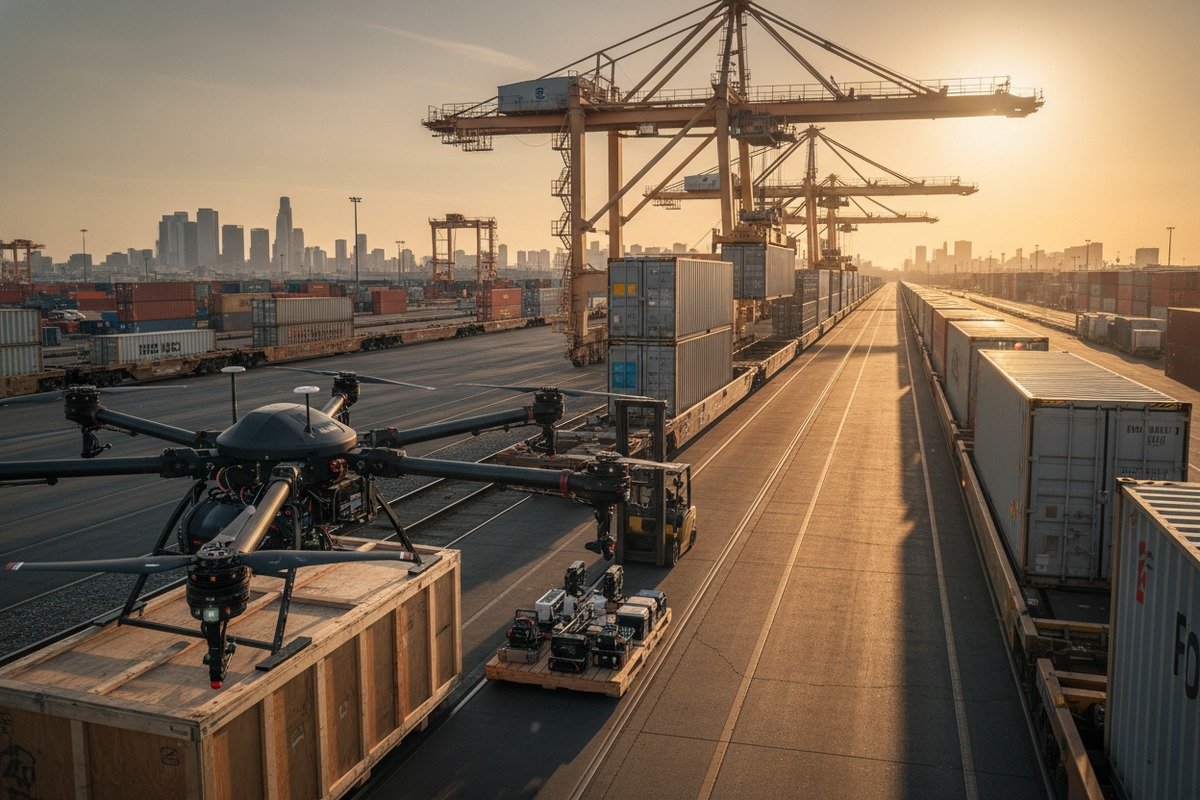
The Total Cost Formula
Stop looking at ocean freight alone. Your real cost includes five components:
- Ocean freight (China to US port)
- Port terminal handling
- Customs clearance and inspection time
- Drayage (port to rail yard or first truck pickup)
- Inland transport to final warehouse
When we quote door-to-door delivery for our agricultural drone systems, we calculate all five elements. The port with the cheapest ocean rate frequently loses when you add inland costs.
Sample Cost Breakdown by Route
Here is a real comparison for shipping a 40-foot container of agricultural drones to a warehouse in Memphis, Tennessee:
| Cost Component | West Coast (LA) Route | East Coast (Savannah) Route |
|---|---|---|
| Ocean freight from Shenzhen | $2,800 | $3,600 |
| Terminal handling | $450 | $380 |
| Customs clearance | $400 | $400 |
| Drayage to rail/truck | $350 | $280 |
| Inland to Memphis | $1,800 (rail) | $1,200 (truck) |
| Total | $5,800 | $5,860 |
The difference is only $60. But notice how ocean savings on the West Coast get eaten by longer inland distances.
Transit Time Impact
Time costs money in agriculture. If your customer misses the spring application window, they lose an entire season of revenue.
West Coast routing from China takes 14-18 days on the water. Add 5-7 days for rail to the Midwest. Total transit: 19-25 days.
East Coast via Panama takes 25-30 days on the water. But truck delivery from Savannah to Memphis takes only 1 day. Total transit: 26-31 days.
The difference is roughly one week. For urgent orders, West Coast wins on speed despite similar costs.
Warehouse Location Decision Tree
Use this simple framework:
- Warehouse west of Denver: Always use West Coast ports 6
- Warehouse between Denver and Mississippi River: Calculate both routes; usually West Coast wins
- Warehouse between Mississippi River and Appalachians: Calculate both; often nearly equal
- Warehouse east of Appalachians: East Coast ports usually win
Hidden Cost Factors
Our logistics partners warn about two costs that surprise new importers:
Chassis shortages at congested ports can add $50-100 per day. Los Angeles experiences this more than Savannah.
Detention fees for containers held during UFLPA inspections average $100-500 per day. This affects Chinese drone imports specifically. Ports with experienced CBP electronics teams clear shipments faster.
What are the most cost-effective intermodal rail routes I can use to transport my drone inventory from the port?
When we calibrate our flight controllers and pack containers at our facility, we already know which rail route each shipment will take. This planning starts before the drone ever leaves China.
The most cost-effective intermodal rail routes for drone inventory run from Los Angeles to Chicago (BNSF/UP), Los Angeles to Dallas (BNSF), and Seattle to Chicago (BNSF). These corridors offer scheduled service, competitive rates around $1,500-2,500 per 40-foot container, and reliable 5-7 day transit times to major agricultural distribution centers.
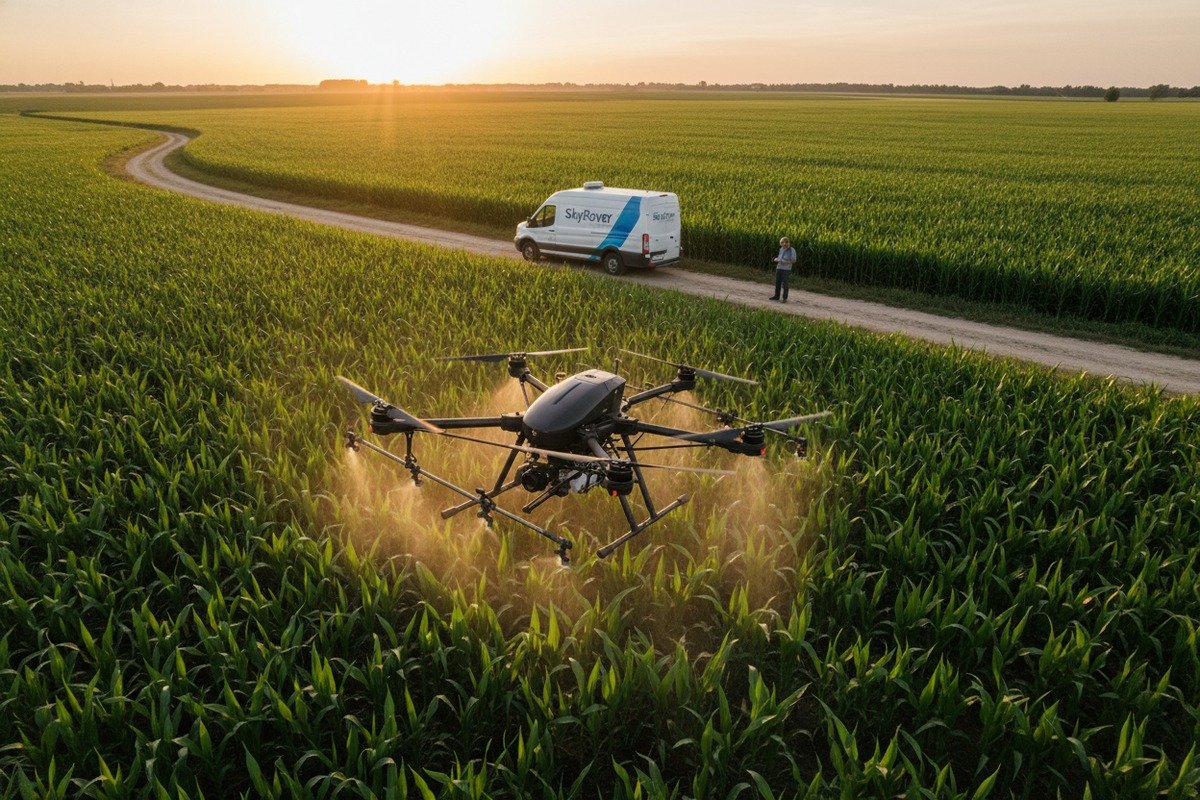
Major Rail Corridors Explained
Two Class I railroads dominate West Coast intermodal traffic: BNSF Railway and Union Pacific. Understanding their networks helps you plan better.
BNSF operates the busiest corridor from LA to Chicago. Trains depart daily. This route passes through agricultural heartland, with stops possible in Kansas City, Memphis (via connection), and Minneapolis.
Union Pacific runs a parallel network. They serve LA to Chicago plus extensive Texas and Gulf Coast connections.
From Seattle/Tacoma, BNSF offers the northern route through Montana and North Dakota to Chicago. This corridor passes near major wheat and corn farming regions.
Rail Route Performance Comparison
| Route | Railroad | Distance | Transit Time | Approximate Cost (40ft) | Beste voor |
|---|---|---|---|---|---|
| LA to Chicago | BNSF | 2,200 miles | 5-6 days | $1,800-2,200 | Midwest distribution |
| LA to Chicago | UP | 2,200 miles | 5-7 days | $1,700-2,100 | Midwest distribution |
| LA to Dallas | BNSF | 1,440 miles | 3-4 days | $1,400-1,800 | Texas/Plains states |
| LA to Kansas City | UP | 1,600 miles | 4-5 days | $1,500-1,900 | Central US distribution |
| Seattle to Chicago | BNSF | 2,060 miles | 5-6 days | $1,900-2,300 | Northern Midwest |
| Oakland to Chicago | UP | 2,140 miles | 5-6 days | $1,850-2,250 | Midwest distribution |
Costs fluctuate with fuel prices and demand. Our 2026 quotes run about 10% higher than 2025 due to diesel increases.
When Rail Beats Trucking
Rail saves money on distances over 500 miles. Below that threshold, trucking usually wins on both cost and speed.
For agricultural drone distribution, most scenarios favor rail because farming regions sit far from ports. The exceptions:
- California Central Valley: Truck from Oakland (170 miles)
- Arizona farms: Truck from LA (370 miles)
- Pacific Northwest: Truck from Seattle (under 300 miles to most Washington farms)
Container Handling Considerations
Our hexacopter drones require careful handling. The carbon fiber frames withstand normal transport vibration, but severe impacts can damage motor mounts.
Rail transport generates less shock than trucking over rough roads. Intermodal containers ride on cushioned well cars designed to minimize vibration.
However, the transfer points create risk. Each lift—from ship to port, port to rail, rail to truck—introduces potential for damage. We pack our drones with custom foam inserts rated for 40G shock protection.
Planning Your Rail Strategy
Book rail space at least two weeks before your container arrives at port. During agricultural peak season (March-May and September-October), intermodal capacity tightens.
Work with a freight forwarder who has volume contracts with BNSF and UP. Our partners typically secure rates 15-20% below spot market prices.
Track your container with GPS monitoring. Most railroads now offer real-time tracking through shipper portals. This visibility helps coordinate warehouse receiving.
How do I identify US ports with the best infrastructure and customs efficiency for my high-value industrial drone imports?
Our production team invests significant engineering into each agricultural drone. The carbon fiber frames, precision motors, and advanced flight controllers represent substantial value. Protecting that investment during import requires choosing ports with the right capabilities.
Ports with the best infrastructure and customs efficiency for high-value industrial drones include Los Angeles/Long Beach for highest volume and CBP staffing, Seattle/Tacoma for faster clearance with less congestion, and Savannah for the quickest East Coast processing. Prioritize ports with dedicated electronics inspection teams and experience handling lithium battery shipments.
What Makes a Port "Drone-Friendly"
Industrial drones present unique import challenges. Customs and Border Protection 7 scrutinizes them more carefully than typical consumer goods.
Your port needs:
- CBP staff experienced with HS code 8806.21.00 8 (unmanned aircraft)
- Handling facilities for lithiumbatterijen 9 (Class 9 hazmat)
- Secure storage for high-value electronics during inspection
- Fast inspection lanes for compliant shippers
Not all ports handle these requirements equally well.
Port Efficiency Ratings for Drone Imports
Based on our shipping records and partner feedback, here is how major US ports perform for agricultural drone imports:
| Port | CBP Staffing Level | Drone Import Experience | Battery Handling | Average Clearance Time | Detention Risk |
|---|---|---|---|---|---|
| Los Angeles/Long Beach | Zeer hoog | Extensive | Uitstekend | 2-4 days | Middelhoog |
| Seattle/Tacoma | Hoog | Goed | Uitstekend | 1-3 dagen | Laag |
| Oakland | Medium | Matig | Goed | 2-3 days | Laag |
| Savannah | Hoog | Growing | Goed | 1-2 days | Laag |
| New York/New Jersey | Zeer hoog | Extensive | Uitstekend | 2-5 dagen | Medium |
| Houston | Medium | Beperkt | Goed | 2-4 days | Laag |
Navigating UFLPA Scrutiny
De Wet ter voorkoming van gedwongen arbeid door Oeigoeren 10 creates additional complications for Chinese imports. CBP can hold shipments for weeks while investigating supply chain origins.
Ports with more staff process UFLPA reviews faster. Los Angeles and New York have dedicated teams for these investigations. Smaller ports may have only one or two trained officers.
Our documentation package includes full supply chain traceability. We provide component origin certificates, factory audit reports, and material sourcing declarations. This preparation speeds clearance dramatically.
Importers who arrive unprepared face holds averaging 2-4 weeks. Those with complete documentation often clear in 3-5 days at experienced ports.
Lithium Battery Compliance
Agricultural drones contain substantial lithium polymer batteries. These require special handling under IATA and DOT regulations.
Ports need proper storage facilities for Class 9 hazardous materials. They also need staff trained in battery inspection procedures.
Los Angeles, Seattle, and New York have the best battery handling infrastructure. They process drone shipments routinely.
Smaller ports may require advance notice and special arrangements. This adds coordination time and potentially extra fees.
Building Port Relationships
Consistent importers develop relationships with port customs brokers. These relationships matter.
A broker who knows your product line can anticipate questions and prepare answers. They recognize your packaging and can vouch for your compliance history.
We recommend choosing one primary port and building expertise there. Spreading shipments across multiple ports prevents you from developing these valuable relationships.
Documentation Checklist for Efficient Clearance
Before your container arrives, ensure you have:
- Commercial invoice with detailed product descriptions
- Packing list matching container contents exactly
- Bill of lading from shipping line
- HS code classification confirmation (8806.21.00 for agricultural drones)
- FCC equipment authorization (required for radio-equipped devices)
- Lithium battery test reports (UN38.3 certification)
- Supply chain traceability documents (for UFLPA compliance)
- Import security filing (10+2) submitted 24 hours before vessel departure
Missing any document can trigger holds and inspections. Our export team prepares complete packages for every shipment.
Conclusie
Choosing the right US port for your agricultural drone imports requires balancing multiple factors. West Coast ports serve Midwest farming regions most efficiently through rail connections. Calculate your total landed cost before deciding. Partner with experienced freight forwarders who understand drone-specific requirements, and your logistics costs will stay competitive even as regulations evolve.
Voetnoten
1. Explains the function of intermodal rail facilities. ↩︎
2. Describes the key maritime route for East Coast shipments. ↩︎
3. Official site for the largest port complex in the US. ↩︎
4. Information on major US Class I railroads. ↩︎
5. Provides background on agricultural drone applications. ↩︎
6. Replaced with the official website for the Port of Los Angeles, a major West Coast port and an authoritative source, as the original Union Pacific URL returned an HTTP 502 error. ↩︎
7. Official information on the US border security agency. ↩︎
8. Provides details on the Harmonized System code for drones. ↩︎
9. Information on regulations for shipping hazardous materials. ↩︎
10. Official details on the US legislation impacting imports. ↩︎

 English
  Spanish
  German
  French
  Dutch
Dutch  Arabic
