
When our engineering team designs firefighting drones for European markets, we see many procurement managers struggle SORA documentation 1. They face suppliers who claim EASA compliance but cannot explain basic risk assessment processes. This gap creates serious problems during authorization.
To assess supplier EASA Specific Category knowledge, request completed SORA documentation, verify C-class drone certification (C5 or C6), confirm Remote ID compliance, review past National Aviation Authority approvals, and evaluate their pilot training programs aligned with EU requirements for emergency operations.
The following sections break down exactly what documents to request, how to evaluate SORA support capabilities, what engineering standards matter, and which compliance evidence separates qualified partners from risky vendors.
What technical documentation should I request to prove my supplier understands EASA Specific Category requirements?
Our sales team receives this question weekly from EU distributors C-class drone certification 2. Many suppliers show flashy product brochures but fail to produce the regulatory paperwork that actually matters. Without proper documentation, your authorization process stalls for months.
Request these essential documents: C-class certification labels (C5/C6), Remote ID compliance certificates, flight termination system specifications, geo-awareness capability reports, and sample SORA submissions. These prove genuine EASA Specific Category expertise versus surface-level marketing claims.
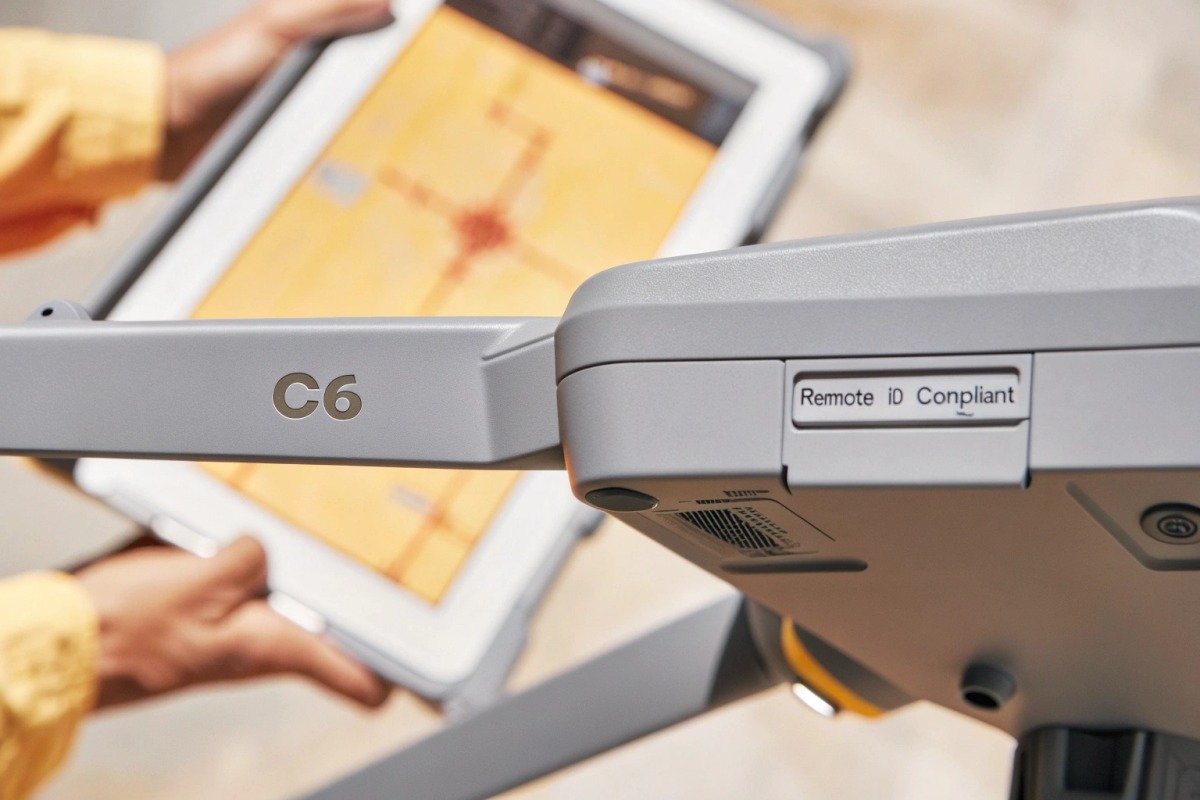
Understanding the Documentation Hierarchy
Technical documentation for EASA Specific Category 3 falls into three tiers. The first tier covers basic product certification. The second tier addresses operational safety systems. The third tier demonstrates risk assessment capability.
At our production facility, we maintain complete documentation packages for each drone model. This practice comes from years of exporting to Germany, France, and other EU member states. Incomplete documentation causes customs delays and failed NAA submissions.
Essential Document Checklist
| Documenttype | Doel | Red Flag If Missing |
|---|---|---|
| C-Class Certificate | Proves drone meets technical standards | Cannot operate in Specific Category |
| Remote ID Compliance 4 | Required since January 2024 | Illegal to fly in EU airspace |
| FTS Specifications | Shows emergency termination capability | Safety case will be rejected |
| Geo-Awareness Report | Demonstrates airspace compliance | Operational limitations apply |
| Sample SORA | Proves risk assessment experience | Supplier lacks authorization knowledge |
Flight Termination System Documentation
C6 drones require an independent flight termination system 5. This system must be separate from the main autopilot. Our engineers design these systems with redundant triggers.
The documentation should include:
- System architecture diagrams
- Failure mode analysis
- Reliability testing data
- Activation response times
- Battery backup specifications
When we test our flight termination systems, we document every parameter. This documentation becomes critical during NAA review. Suppliers who cannot provide detailed FTS data likely do not understand C6 requirements.
Remote ID Technical Specifications
Remote ID broadcasts specific data fields in real-time. Your supplier must provide proof that their system transmits all required information. The data must be tamper-proof except for operator registration numbers.
| Required Broadcast Data | Modification Allowed |
|---|---|
| Operator Registration Number | Ja |
| Drone Serial Number | Geen |
| Geographic Position | Geen |
| Hoogte | Geen |
| Ground Speed | Geen |
| Emergency Status | Geen |
| Timestamp | Geen |
Ask your supplier for their Remote ID certification report. This report should come from an accredited testing body. Without this certification, the drone cannot legally operate in any EU member state.
How can I evaluate if a manufacturer can support my SORA application for firefighting missions?
In our experience supporting distributors through European authorizations, we have learned that SORA capability separates professional manufacturers from assembly shops. Firefighting missions require complex risk assessments that most suppliers cannot deliver.
Evaluate SORA support capability by requesting previous SORA examples, asking about ground risk and air risk assessment methodologies, verifying familiarity with mitigation measures, and confirming experience with specific NAA approval processes across different EU member states.

The Three Authorization Pathways
EASA provides three routes to Specific Category authorization. Each pathway suits different operational profiles. Understanding these pathways helps you assess supplier expertise.
Standard Scenario Templates work for common, pre-defined missions. Predefined Risk Assessments apply to established risk profiles. SORA allows custom risk analysis for unique operations like firefighting.
Firefighting drones almost always require full SORA. The missions involve BVLOS operations, proximity to structures, and variable weather conditions. Standard scenarios rarely cover these complexities.
What SORA Support Looks Like
When our technical team helps customers prepare SORA applications, we provide specific deliverables. A capable supplier should offer similar support.
| SORA Component | Supplier Should Provide |
|---|---|
| ConOps Description | Detailed mission profile documentation |
| Ground Risk Assessment 6 | Analysis of overflown areas and population density |
| Air Risk Assessment 7 | Collision risk evaluation and mitigation |
| Mitigation Measures | Technical and operational safeguards |
| Noodprocedures | Response protocols for system failures |
Ground Risk Class Determination
SORA uses an intrinsic ground risk class based on drone characteristics and operational environment. For firefighting drones weighing over 8kg, the initial ground risk class is typically high.
Mitigation brings this risk down to acceptable levels. Your supplier should explain:
- How their drone design reduces impact energy
- What containment measures they recommend
- Which operational restrictions apply
- How emergency response procedures work
Suppliers unfamiliar with ground risk terminology cannot effectively support your authorization.
Air Risk Assessment Experience
Air risk assessment examines collision probability with manned aircraft. Firefighting zones often overlap with aerial firefighting operations. This creates complex airspace coordination requirements.
Ask potential suppliers these questions:
- Have you supported SORA applications involving shared airspace with manned aircraft?
- What air risk mitigations does your system enable?
- Can you provide references from customers who obtained BVLOS authorization?
- How does your system integrate with U-space services?
Our engineering team designs detection systems specifically for these scenarios. We understand that aerial coordination is critical for firefighting safety.
NAA Approval Track Record
Each EU member state has its own National Aviation Authority 8. While EASA sets harmonized rules, approval processes vary by country. Experienced suppliers navigate these differences.
Request specific information:
- Which NAAs have approved operations using their drones?
- What was the average approval timeline?
- Can they provide customer contacts for reference?
- Do they offer in-country regulatory support?
Does my drone supplier have the engineering expertise to meet EASA's enhanced safety and containment standards?
When we calibrate our flight controllers for European models, we apply safety margins that exceed minimum requirements. This engineering philosophy reflects our understanding of EASA's approach. Many suppliers meet paper specifications but lack the design thinking behind true safety compliance.
Assess engineering expertise by examining flight termination system independence, evaluating sensor redundancy architecture, reviewing failure mode analysis documentation, and verifying that containment measures align with declared operational volumes and ground risk buffer calculations.
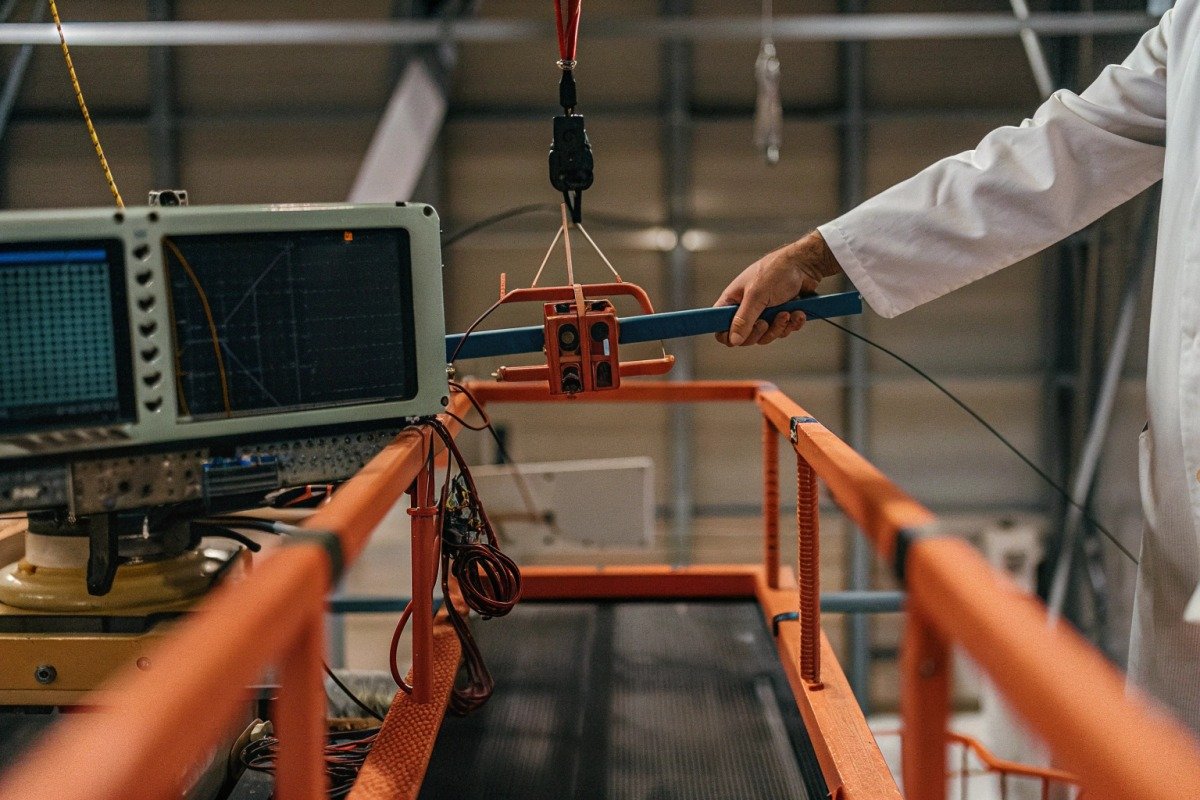
Safety System Architecture
EASA enhanced containment standards require specific technical features. These features must be designed into the drone from initial development. Retrofit solutions rarely meet certification requirements.
Our design team builds safety systems as primary considerations. The flight termination system receives its own dedicated processor. Power supplies are isolated. Trigger mechanisms have multiple activation pathways.
Critical Engineering Components
| Veiligheidsvoorziening | Engineering Requirement | Verificatiemethode |
|---|---|---|
| FTS Independence | Separate from autopilot and navigation | Architecture review |
| Position Accuracy | Continuous GPS/GNSS feedback | Flight test data |
| Geofencing | Programmable flight boundaries | Software demonstration |
| Link Loss Response | Automatic return or termination | Simulation testing |
| Battery Monitoring | Predictive low-power warnings | Endurance testing |
Containment and Buffer Zones
Enhanced containment requires the drone to stay within declared operational volumes. If the drone risks leaving these volumes, the system must take corrective action. The final containment measure is flight termination.
Buffer zones around the operational volume account for:
- GPS position uncertainty
- Response time delays
- Wind drift during termination
- Parachute deployment patterns
Suppliers should provide buffer zone calculations specific to their drone models. These calculations depend on drone size, weight, speed, and termination system performance.
Sensor Redundancy Standards
Firefighting environments challenge sensor systems. Smoke reduces visibility. Heat affects electronics. Electromagnetic interference from emergency vehicles disrupts communications.
Ask suppliers about their redundancy approach:
- How many GPS receivers does the system use?
- What happens if primary sensors fail?
- Are critical flight parameters cross-checked between systems?
- What environmental testing has the drone undergone?
Our production line includes environmental stress testing. We expose drones to temperature extremes, vibration, and electromagnetic interference. This testing validates reliability claims.
Software Safety Features
Geo-awareness software must integrate official airspace data. EASA specifies ED-269 format for geographical zones. Your supplier's system should import these files and enforce restrictions automatically.
Key software features include:
- Real-time airspace boundary checking
- Automatic altitude limiting
- Emergency unlocking protocols for authorized missions
- Audit trails for all geofence modifications
The unlocking protocol matters for firefighting. Emergency responders need controlled access to restricted zones. The system must log all unlocking events for regulatory accountability.
What evidence of previous EU compliance should I look for when vetting a firefighting drone partner?
Our export department has worked with European partners for over eight years. In that time, we have seen many procurement managers accept vague compliance claims. Real compliance evidence is specific, verifiable, and documented.
Look for these compliance indicators: NAA authorization letters referencing specific drone models, customer testimonials from EU emergency services, valid pilot training accreditations, documented operational hours in European airspace, and current Remote ID certification dated after January 2024.
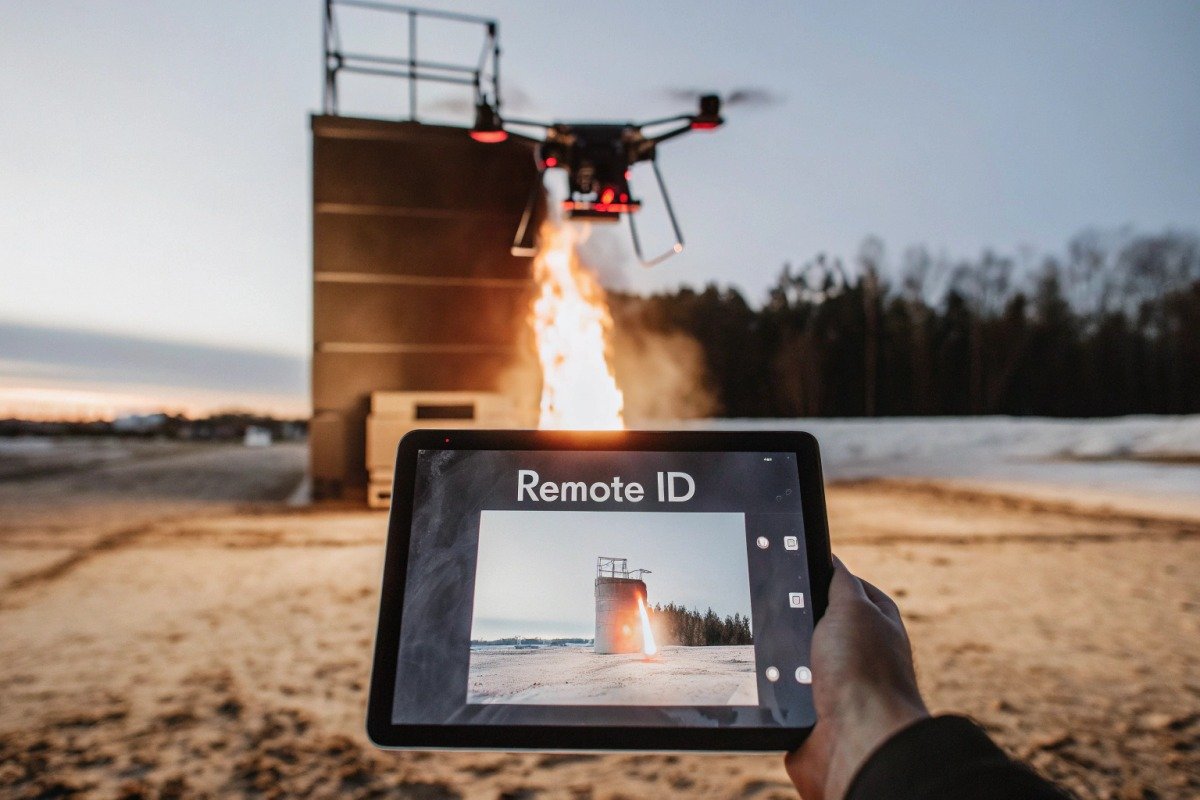
Types of Compliance Evidence
Compliance evidence falls into categories. Direct evidence comes from regulators. Indirect evidence comes from customers and operations. Both types matter for thorough vetting.
| Evidence Type | Bron | Gewicht |
|---|---|---|
| NAA Authorization Letters | National Aviation Authority | Highest |
| Customer Reference Letters | EU emergency services | Hoog |
| Pilot Training Certificates | Accredited training organizations | Middelhoog |
| Flight Hour Logs | Operator records | Medium |
| Type Examination Certificates | Notified bodies | Highest |
Verifying Authorization Claims
Suppliers may claim authorizations they do not actually hold. Verify claims directly when possible. NAA registries are often publicly searchable.
Steps to verify:
- Request the specific authorization number
- Ask which NAA issued the authorization
- Check if the authorization covers the drone model you want to purchase
- Confirm the authorization has not expired
- Contact the NAA if information seems unclear
Our company maintains current authorizations and provides documentation proactively. We understand that procurement managers need verified evidence, not sales promises.
Customer Reference Quality
Strong references come from organizations similar to your end users. For firefighting drones, look for references from:
- Municipal fire departments
- National emergency management agencies
- Third-party firefighting service providers
- Forestry and wildfire management organizations
Ask reference customers specific questions:
- How did the supplier support your authorization process?
- What challenges arose during deployment?
- How responsive is technical support?
- Would you purchase from them again?
Training Program Accreditation
Remote pilots for Specific Category operations need valid competency certificates. These certificates must come from programs meeting EASA standards. Suppliers offering training should demonstrate accreditation.
Valid training evidence includes:
- Training organization approval from an NAA
- Curriculum aligned with EASA competency requirements
- Examination procedures meeting EU standards
- Certificate validity across EU member states
Our training partnerships cover both theoretical knowledge and practical skills. We coordinate with accredited organizations to ensure our customers have qualified pilots.
Long-Term Compliance Commitment
EASA regulations evolve. U-space requirements are expanding. New certification standards emerge. Your supplier must demonstrate commitment to ongoing compliance.
Ask about:
- How they monitor regulatory changes
- Their process for implementing updates
- Software update policies and timelines
- Customer communication about compliance changes
A supplier focused only on current requirements may leave you stranded when regulations change. Our product development roadmap includes regulatory compliance milestones for the next three years.
Conclusie
Assessing EASA Specific Category knowledge requires examining documentation, SORA capability, engineering standards, and compliance history. The evidence you gather during procurement directly impacts your authorization timeline and operational success.
Voetnoten
1. Official EASA page detailing the SORA methodology and its components. ↩︎
2. Official EASA page explaining drone C-class identification labels (C0-C6). ↩︎
3. Official EASA page explaining the Specific Category for drones. ↩︎
4. Official EASA announcement on mandatory Remote ID for drones in Europe since January 2024. ↩︎
5. EASA Means of Compliance document detailing requirements for flight termination systems in light UAS. ↩︎
6. Official EASA page explaining the intrinsic ground risk class (iGRC) in SORA methodology. ↩︎
7. Official EASA page defining air risk determination as part of the SORA methodology. ↩︎
8. Official EASA page listing National Aviation Authorities and their drone-related responsibilities. ↩︎

 English
  Spanish
  German
  French
  Dutch
Dutch  Arabic
