
When we design heavy-lift drones at our Xi’an facility, we understand that finding the right partner is just as critical as the payload capacity itself. Sourcing goes beyond simple web searches.
European importers should begin by utilizing verified B2B platforms like Alibaba and Made-in-China, specifically filtering for suppliers in drone hubs like Shenzhen and Chengdu. Attend industry-specific trade shows such as the Canton Fair to view live demos, and prioritize suppliers who openly display flight logs and valid ISO certifications.
Let’s explore the specific steps to separate reliable partners from mere middlemen.
How can I verify if a Chinese drone supplier is a legitimate manufacturer?
We invite clients to our factory floor because seeing the assembly line is believing, but distance often makes this difficult for our European partners to do personally.
To verify a legitimate manufacturer, request ISO 9001 certificates and specific factory audit reports from independent bodies like SGS or TUV. Demand a live video tour of the production facility to see the assembly lines in action, rather than relying on polished showroom photos often used by trading companies.
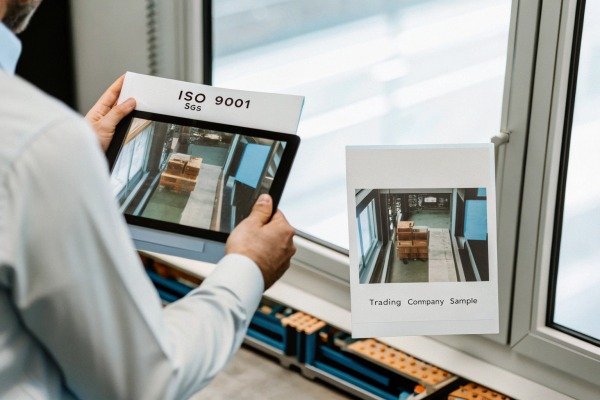
Verifying the legitimacy of a supplier in China is the most critical step in your procurement journey. In the industrial drone sector, many entities presenting themselves as factories are actually trading companies. While trading companies can offer value, they often lack the technical depth and long-term spare parts support required for complex firefighting equipment.
analyzing the Business License
The first step is to request the supplier's business license. In China, the "Scope of Business" (经营范围) is a legal definition of what a company can do. We always advise potential buyers to look for specific terms like "Production," "Manufacturing," or "Processing" in this section. If the license only lists "Sales," "Trade," or "Import/Export" without mentioning manufacturing, you are likely dealing with a trader. This distinction matters because direct manufacturers can offer better pricing and, more importantly, direct access to the engineers who designed the flight control systems.
The Live Video Audit
In the age of high-speed internet, physical distance should not hide the truth. Do not settle for pre-recorded videos, which can be edited or borrowed. Schedule a live video call during China’s working hours (UTC+8). Ask the sales representative to walk you through the production floor.
Zoek:
- Active Assembly Lines: Are workers actually assembling drones, or is the space empty?
- Inventory: Do you see raw materials like carbon fiber frames and motors, or just finished boxes?
- R&D Center: A real manufacturer invests heavily in Research and Development 1 Research and Development. Ask to see the testing area where engineers calibrate flight controllers.
Verificatie door derden
For high-value orders, relying on your own judgment can be risky. We recommend hiring third-party inspection agencies. Firms like SGS, Intertek, or TUV Rheinland can conduct SGS 2 a "Factory Audit" for a few hundred dollars. They will verify the factory's existence, size, production capacity, and quality management systems (like ISO 9001). ISO 9001 3
Comparison: Manufacturer vs. Trading Company
| Functie | Genuine Manufacturer | Trading Company |
|---|---|---|
| Price | Lower (Factory Direct) | Higher (Margin Added) |
| Aanpassing | High (OEM/ODM available) | Low (Standard products only) |
| Technical Support | Direct access to engineers | Relies on third-party info |
| Onderdelen | Long-term availability | Risk of supplier changing sources |
| MOQ | Can be flexible for trials | Often higher to cover margins |
What certifications should I request to ensure compliance with European regulations?
Our engineering team spends months adapting our flight controllers and power systems to meet strict EU safety and environmental standards before any export happens.
You must request a valid CE marking under the EU UAS Regulation 2019/945, specifically Class C6 for heavier drones. Additionally, ensure the supplier provides RoHS and REACH compliance documents for all chemical components and batteries to guarantee smooth customs clearance and legal operation within the European Union.
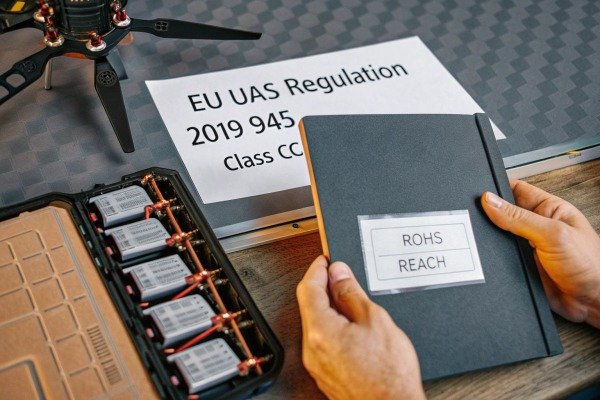
Navigating the regulatory landscape of the European Union is one of the biggest hurdles for importers. The rules for Unmanned Aircraft Systems (UAS) have become significantly stricter, especially for the "Specific" and "Certified" categories where firefighting drones usually fall due to their weight and risk profile.
The CE Marking and UAS Classes
For industrial firefighting drones, which typically weigh between 50kg and 100kg, standard consumer certifications are insufficient. You need to ensure the product complies with the EU Delegated Regulation (EU) 2019/945.
- Class C5 and C6: These are critical for operations beyond visual line of sight (BVLOS), which is often necessary in firefighting scenarios.
- DoC (Declaration of Conformity): The supplier must provide a DoC stating that the drone meets all relevant EU directives, including the Machinery Directive (2006/42/EC) 4 Machinery Directive (2006/42/EC) and the Radio Equipment Directive (2014/53/EU).
Environmental Compliance (RoHS and REACH)
Europe is strict about hazardous substances. hazardous substances 5
- RoHS (Restriction of Hazardous Substances): This certifies that the electronic components (flight controllers, ESCs, motors) do not contain excessive lead, mercury, or cadmium.
- REACH: This regulation addresses the production and use of chemical substances. For firefighting drones, this is relevant for the materials used in the airframe and, crucially, the fire extinguishing agents if they are supplied with the drone.
Battery Certifications
The power source of an industrial drone is a massive lithium polymer (LiPo) battery 6 lithium polymer (LiPo) battery. You cannot legally import these without specific safety tests.
- UN38.3: Dit is de wereldwijde standaard voor het transport van lithiumbatterijen. transport van lithiumbatterijen 7 Without a UN38.3 test report, no airline or shipping line will accept the cargo.
- MSDS (veiligheidsinformatieblad): Your freight forwarder will demand this document to handle the shipment safely.
Essential Compliance Checklist
| Certification / Regulation | Doel | Criticality |
|---|---|---|
| CE (EU 2019/945) | Safety & Technical Standard | Mandatory |
| RoHS | Chemical safety in electronics | Mandatory for Customs |
| UN38.3 | Battery Transport Safety | Mandatory for Shipping |
| RED (2014/53/EU) | Radio Radio Equipment Directive (2014/53/EU) 8 Frequency Compliance | Mandatory for Remote Controllers |
| Ingress Protection (IP) | Water/Dust Resistance (e.g., IP65) | Critical for Firefighting Operations |
How do I evaluate the technical support and after-sales service capabilities of a supplier?
We know that a drone grounded by a software glitch is useless during a fire, which is why we prioritize rapid response protocols for our clients.
Evaluate technical support by testing their response time to complex engineering queries before purchasing. Prioritize suppliers offering open SDKs for local integration and negotiate a Service Level Agreement that guarantees the availability of proprietary spare parts, such as pumps and nozzles, for at least three to five years.
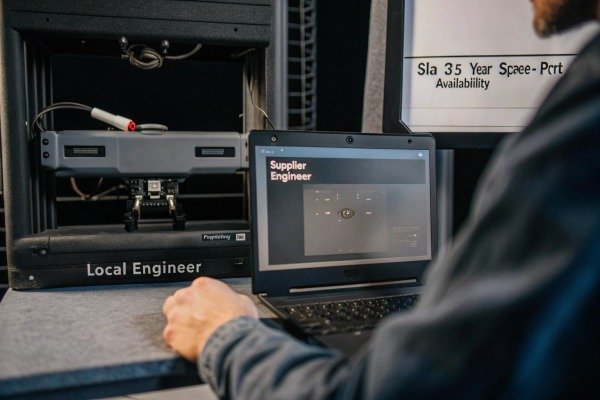
Buying the hardware is only the beginning. Industrial drones are complex machines that operate in harsh environments. Firefighting drones face water spray, high temperatures, and smoke. The real value of a supplier lies in their ability to keep that machine flying years after the initial sale.
The Pre-Purchase "Stress Test"
Do not wait until a crisis to test your supplier’s support. During the negotiation phase, send a technical question that requires an engineer's input, not just a sales script. For example, ask about the "gain settings on the flight controller for high-wind stability" or "integration protocols for a third-party thermal camera."
- Response Time: Do they reply in 24 hours?
- Quality of Answer: Is the answer vague, or does it come with data and diagrams?
If the sales team cannot bridge the gap to the engineering team now, they certainly won't do it when your drone is malfunctioning in the field.
Beschikbaarheid van reserveonderdelen
In the fast-moving Chinese tech ecosystem, models are updated rapidly. A common pain point for importers is finding that parts for a two-year-old drone are no longer manufactured.
- Critical Components: Pumps, specialized nozzles, and proprietary motor mounts are high-risk items.
- The Agreement: Negotiate a clause in your contract that guarantees the availability of spare parts for a minimum of 3 to 5 years. Alternatively, ask for a "recommended spare parts list" and buy a maintenance kit upfront with your initial order.
Software and SDKs
Firefighting often requires integration with command centers. Closed systems (like those from some major consumer brands) can be limiting.
- Open SDK: Look for suppliers who offer an onboard SDK (Software Development Kit) or API. This allows European integrators to connect the drone to local fire management software or secure data servers.
- Updates: Ask how firmware updates are delivered. Are they automatic, or do they require manual flashing?
Evaluating Support Tiers
| Support Level | What to Expect from a Good Supplier | Waarschuwingstekens |
|---|---|---|
| Tier 1: Basic | PDF Manuals, Video Tutorials (English) | Manuals only in Chinese, broken links |
| Tier 2: Troubleshooting | 24h Email response, WhatsApp with Engineers | Sales rep acts as a slow filter |
| Tier 3: Advanced | Remote desktop debugging, On-site training | "Send it back to China for repair" (Expensive & Slow) |
What are the best logistics solutions for shipping industrial drones from China to Europe?
Shipping high-capacity lithium batteries requires our logistics team to navigate complex dangerous goods regulations to ensure safe arrival at your warehouse.
The best logistics solution involves using specialized air freight for urgent sample units and sea freight for bulk orders to reduce costs. Ensure the carrier is certified for Class 9 Dangerous Goods to legally transport high-capacity LiPo batteries, often requiring separate packaging from the drone airframe.
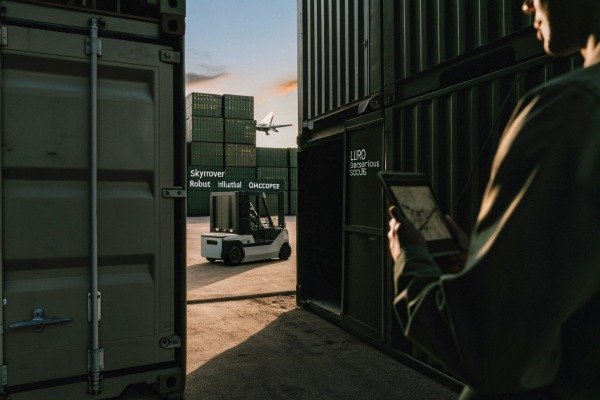
Logistics for industrial drones is not as simple as shipping T-shirts. The combination of large airframes, sensitive electronics, and massive lithium batteries creates a complex shipping profile. Misclassifying these goods can lead to seizures at customs or heavy fines.
The Battery Challenge: Class 9 Dangerous Goods
The high-capacity batteries used in firefighting drones (often 22,000mAh or higher) are classified as Class 9 Dangerous Goods (DG).
- UN3480: Lithium Ion Batteries (shipped alone).
- UN3481: Lithium Ion Batteries packed with or contained in equipment.
Most passenger airlines will not carry these. You must use Cargo Aircraft Only (CAO) services or sea freight. Cargo Aircraft Only (CAO) 9 Shipping batteries separately from the drone is often safer and cheaper because the drone frame can fly as general cargo, while the batteries go via a specialized DG channel.
Air vs. Sea vs. Rail
- Air Freight: Essential for samples. It is fast (5-10 days) but expensive. Expect to pay a premium for the DG handling fee.
- Sea Freight: The standard for bulk orders. It takes 30-45 days to reach major European ports like Rotterdam or Hamburg. It is significantly cheaper but requires robust packaging to prevent corrosion from sea salt air.
- Rail Freight (China-Europe Railway Express): An increasingly popular middle ground. It takes about 15-20 days and is cheaper than air. However, regulations regarding battery transport on rail can vary, so verify with your forwarder.
Customs and HS Codes
Using the correct Harmonized System (HS) code is vital Harmonized System (HS) code 10 for determining import duties.
- HS Code 8806: This is the specific category for Unmanned Aircraft.
- Customs Duty: Check the current EU tariff rates for Chinese drones. Be aware of any anti-dumping duties or trade disputes.
- Incoterms: We recommend buying on FOB (Free on Board) of DDP (Delivered Duty Paid) terms. FOB gives you control over the shipping from the Chinese port, while DDP puts the responsibility on the supplier to handle import taxes and delivery to your door, which reduces your administrative burden.
Shipping Methods Comparison
| Methode | Transit Time | Kosten | Beste voor | Battery Restrictions |
|---|---|---|---|---|
| Air Express (DHL/FedEx) | 5-7 Days | Zeer hoog | Samples / Urgent Parts | Strict (often <100Wh only) |
| Air Cargo (CAO) | 7-12 Days | Hoog | Urgent Small Batches | Requires DG Certification |
| Sea Freight (LCL/FCL) | 35-45 Days | Laag | Bulk Orders | Least Restrictive |
| Rail Freight | 18-25 Days | Medium | Mid-sized Orders | Varies by operator |
Conclusie
Successfully importing firefighting drones from China requires a blend of rigorous verification, regulatory knowledge, and strategic logistics planning. By vetting manufacturers through live audits, ensuring strict CE and battery compliance, and securing long-term technical support, you can mitigate risks. As the industry evolves, building a transparent partnership with your supplier is the key to deploying reliable life-saving technology in Europe.
Voetnoten
1. General background information on R&D processes. ↩︎
2. Official website of the inspection company mentioned in the article. ↩︎
3. Official standard page from the International Organization for Standardization. ↩︎
4. Official EU legal text for the Machinery Directive. ↩︎
5. European Commission page detailing RoHS regulations. ↩︎
6. Educational safety guide from a major university regarding LiPo batteries. ↩︎
7. IATA guidelines for shipping lithium batteries safely. ↩︎
8. Official EU legislation regarding radio equipment compliance. ↩︎
9. Logistics industry guide on shipping dangerous goods by air. ↩︎
10. World Customs Organization explanation of the HS coding system. ↩︎

 English
  Spanish
  German
  French
  Dutch
Dutch  Arabic
