
Every week, our customer support team receives calls from fire departments across America. Their drones sit grounded. Replacement parts are stuck overseas. Technical support operates in a different time zone. The frustration is real. When emergencies happen, waiting six weeks for a repair is not acceptable.
To negotiate effective US-based after-sales service terms, you should secure written commitments for domestic technical support locations, define maximum response and repair turnaround times in your contract, negotiate local spare parts warehousing, and include provisions for remote engineering assistance and operator training programs.
The following sections break down each critical negotiation area. You will learn exactly what terms to request, what red flags to avoid, and how to structure agreements that protect your operational readiness.
How can I secure a commitment for local technical support and on-site repairs within the US?
When we ship blusdrones 1 to American fire departments, we understand their reality. A broken drone during wildfire season 2 can mean lives at risk. Our engineering team has learned that overseas support simply cannot meet the urgent demands of emergency responders.
To secure local technical support, negotiate explicit contract terms that specify US-based technician locations, maximum response times for critical issues, and on-site repair capabilities. Require that the supplier maintain partnerships with certified US repair centers or employ domestic technical staff who can diagnose and resolve issues without international shipping delays.
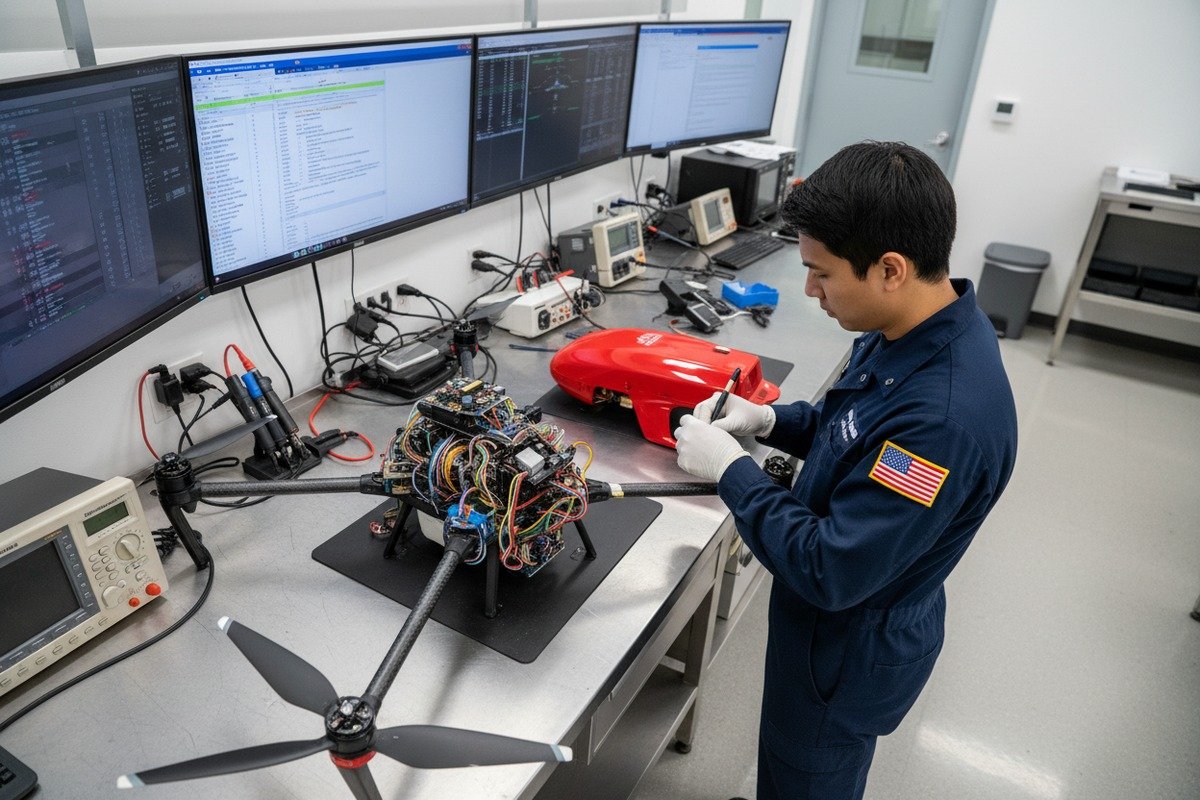
Why Domestic Support Matters
Fire departments operate under pressure that commercial drone users rarely face. When a structure fire breaks out or a wildfire spreads, your drone fleet must be ready. International support creates multiple barriers. Time zone differences mean your urgent email sits unanswered for 12 hours. Language barriers cause miscommunication. Shipping repairs overseas adds weeks to your downtime.
From our experience exporting to US customers, the most successful partnerships involve clear support infrastructure within American borders. This does not mean your supplier must own facilities in every state. It means they should have established relationships with certified repair partners.
Key Terms to Include in Your Contract
| Service Term | Minimumvereiste | Ideal Target |
|---|---|---|
| Initial Response Time | 48 hours | 24 hours |
| Technical Phone Support | Business hours EST | 24/7 hotline |
| On-site Repair Availability | Major metro areas | Nationwide network |
| Diagnostic Turnaround | 5 werkdagen | 48 hours |
| Escalation Path | Defined in contract | Named contacts provided |
Vragen aan uw leverancier
Before signing any agreement, request specific answers to these questions. Where are your US-based technicians located? How many certified repair partners do you maintain in America? What is your average response time for fire department customers? Can you provide references from US emergency services clients?
If the supplier cannot answer these questions clearly, that signals a potential problem. Vague promises of "good support" mean nothing when your drone is grounded during an emergency.
Building a Support Network
Some suppliers partner with retailers who offer localized support programs. DSLRPros, for example, provides in-house diagnosis and US-based shipment processing. This model eliminates international shipping delays and communication barriers. When evaluating suppliers, compare manufacturer-direct programs against retailer-managed alternatives.
Our recommendation is to request overeenkomsten inzake dienstverleningsniveau 3 from multiple providers. Compare average claim resolution times, replacement unit availability, and technical support response metrics. The supplier willing to put specific numbers in writing is usually more reliable than one offering general assurances.
What specific terms should I negotiate to ensure a steady and affordable supply of spare parts for my firefighting drones?
Our production team designs firefighting drones for harsh conditions. High heat, smoke, water exposure, and emergency landings all take their toll. We know that even the most durable aircraft eventually needs replacement motors, propellers, cameras, or batteries.
Negotiate spare parts terms that include domestic warehousing requirements, maximum delivery timeframes, price caps or fixed pricing for critical components, minimum availability guarantees for discontinued models, and bulk purchase discounts. Ensure the contract specifies which parts are considered critical and must be stocked locally.
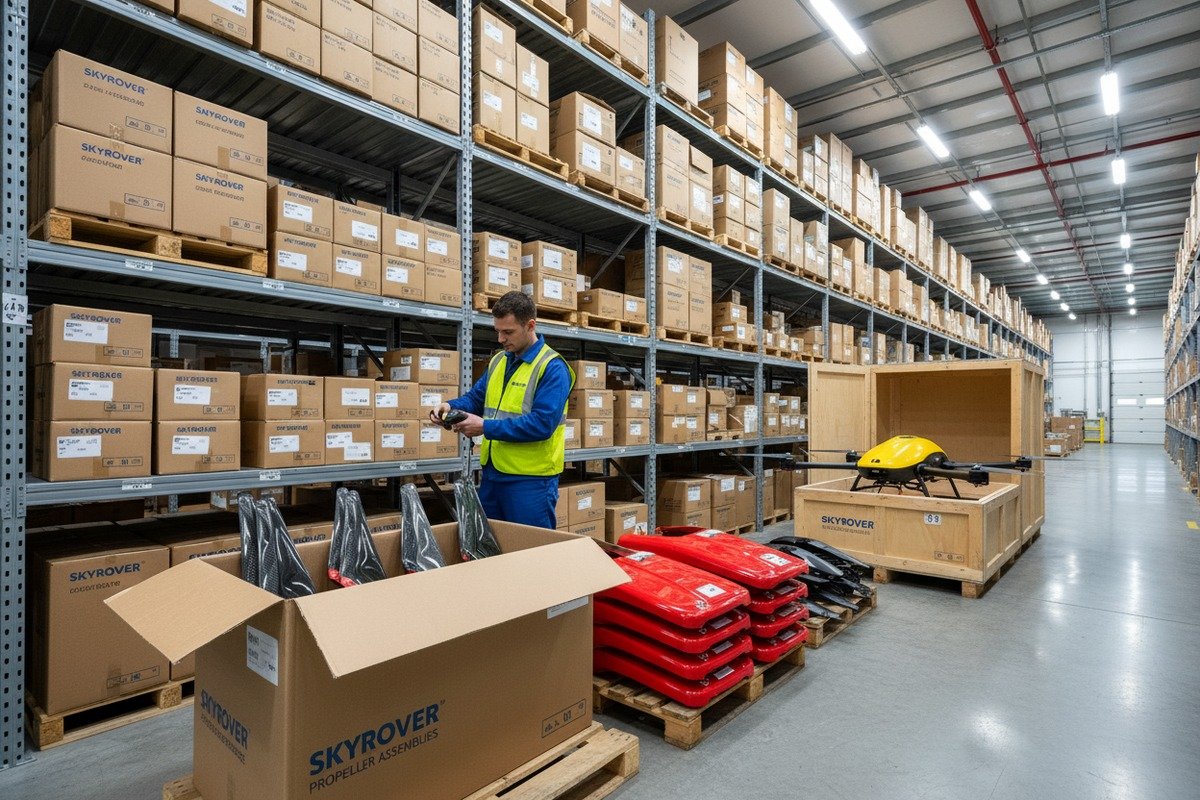
Critical vs. Non-Critical Parts
Not all spare parts carry equal urgency. A broken propeller can ground your drone immediately. A cosmetic body panel can wait. Your contract should distinguish between these categories.
| Onderdeel Categorie | Examples | Maximum Acceptable Delivery Time |
|---|---|---|
| Critical Flight Components | Motors, ESCs, flight controllers | 48-72 hours |
| Sensors and Cameras | Thermal imagers 5, obstacle sensors | 5 werkdagen |
| Batteries and Power Systems | Flight batteries, charging units | 48-72 hours |
| Structural Components | Arms, landing gear, body panels | 10 business days |
| Accessories | Carrying cases, spare remotes | 2-3 weeks |
Pricing Protection Strategies
Spare parts pricing can become a hidden cost nightmare. Some suppliers sell drones at competitive prices, then charge premium rates for replacement components. When we work with our distribution partners, we encourage transparent pricing structures that customers can budget for accurately.
Request a complete spare parts price list before signing your purchase agreement. Negotiate price caps that prevent increases beyond a certain percentage annually. Consider bulk purchase agreements where you buy commonly needed parts at a discount upfront.
Warehousing and Inventory Requirements
The best spare parts contract is worthless if components are not physically available in the US. International shipping for a single motor can take three weeks or more. During that time, your drone sits idle.
Specify in your contract that critical spare parts must be warehoused within the continental United States. Request documentation of your supplier's US inventory levels. Some suppliers maintain partnerships with American distributors who stock common replacement parts. This arrangement can work well if the distributor is contractually obligated to maintain minimum inventory levels.
End-of-Life Planning
Technology evolves rapidly in the drone industry. The model you purchase today may be discontinued in three years. Without proper planning, you could face a situation where spare parts simply do not exist.
Negotiate an end-of-life clause that guarantees spare parts availability for a minimum period after the model is discontinued. Five years is a reasonable target for industrial equipment. Also request notification requirements—your supplier should inform you at least 12 months before discontinuing parts production, giving you time to stockpile critical components.
Bulk Purchase Considerations
If you operate multiple drones or plan to expand your fleet, bulk purchasing leverage becomes significant. Our sales team often works with fire departments to create custom spare parts packages that include the most commonly needed components at discounted rates.
| Purchase Volume | Typical Discount Range | Extra voordelen |
|---|---|---|
| 1-2 Drones | 0-5% | Standard warranty |
| 3-5 Drones | 10-15% | Priority parts shipping |
| 6-10 Drones | 15-20% | Dedicated account manager |
| 10+ Drones | 20-30% | Custom parts packages |
How do I define clear warranty turnaround times to prevent long-term grounding of my industrial drone fleet?
When we test our firefighting drones before export, we simulate thousands of flight hours under extreme conditions. Yet real-world operations always bring surprises. Motors fail. Sensors malfunction. Crashes happen. The question is not whether you will need warranty service—the question is how quickly you can get back in the air.
Define warranty turnaround times by negotiating maximum repair durations, replacement unit dispatch policies, and clear criteria for when repairs versus replacements apply. Specify that warranty claims for critical components must be resolved within 5-7 business days, and require loaner or replacement units be dispatched immediately while damaged equipment is being repaired.

Understanding Warranty Scope
Standard consumer drone warranties often exclude the exact situations firefighting drones encounter. Water damage, crash damage, and thermal stress may void typical coverage. Your negotiation must address this gap directly.
Request explicit coverage for operational damage categories including crashes during emergency response, water exposure from firefighting operations, signal interference or flyaway events, and thermal stress from fire proximity. If the supplier will not cover these scenarios under warranty, negotiate reduced-cost repair programs or extended protection plans that do.
Establishing Time-Based Guarantees
Vague warranty language like "repairs completed promptly" provides no protection. You need specific timeframes written into your contract.
| Warranty Service Stage | Maximum Acceptable Duration |
|---|---|
| Claim Acknowledgment | 24 hours |
| Shipping Label Provided | 24 hours |
| Diagnosis Complete | 48-72 hours after receipt |
| Repair Complete | 5 business days after diagnosis |
| Retourzending | 48 hours after repair |
| Total Turnaround | 10-14 business days maximum |
Replacement vs. Repair Protocols
For fire departments, operational continuity matters more than getting the exact same unit back. Negotiate terms that prioritize getting you airborne quickly.
The ideal arrangement provides for immediate replacement unit dispatch while your damaged drone is diagnosed and repaired. This approach requires the supplier to maintain inventory specifically for warranty replacements. Not all suppliers can offer this, but it should be your starting negotiation position.
If immediate replacement is not available, negotiate for expedited repair processing with specific daily penalty clauses if turnaround times exceed contracted limits. Some departments have successfully negotiated credit toward future purchases for each day beyond the contracted repair window.
Documentation and Tracking Requirements
Your contract should require the supplier to provide tracking information at every stage of the warranty process. You should know when your drone arrives at the repair facility, when diagnosis begins, when parts are ordered, and when repairs complete.
This transparency serves two purposes. First, it allows you to plan operations around realistic timelines. Second, it creates accountability—suppliers who know you are tracking every step are more likely to prioritize your repairs.
Multi-Unit Fleet Considerations
Departments operating multiple drones should negotiate fleet-wide warranty terms rather than per-unit coverage. Fleet agreements can include provisions for cross-unit parts swapping, priority repair queuing, and dedicated warranty coordinators who understand your entire equipment inventory.
Our experience with fleet customers shows that a single point of contact dramatically improves warranty service quality. When one person understands your fleet composition, repair history, and operational needs, issues get resolved faster.
Can I include requirements for remote engineering support and technical training in my purchase agreement?
At our headquarters in Xi'an, our engineering team regularly connects with fire departments across America through video calls and remote diagnostic sessions. We have seen firsthand how proper training and ongoing technical support transform drone programs from frustrating experiments into reliable operational tools.
Yes, you can and should include remote engineering support and technical training requirements in your purchase agreement. Negotiate for dedicated technical contacts, guaranteed response times for remote diagnostic sessions, included initial operator training, ongoing recertification programs, and firmware update support aligned with your operational needs.

Structuring Remote Engineering Support
Remote support goes beyond basic troubleshooting hotlines. Effective remote engineering support includes screen-sharing diagnostic sessions, firmware configuration assistance, integration support for command center systems, and consultation on operational best practices.
| Type ondersteuning | What to Negotiate | Leveringsmethode |
|---|---|---|
| Basic Troubleshooting | 24-48 hour response | Phone or email |
| Diagnostic Sessions | Scheduled appointments | Video call with screen share |
| Firmware Support | Updates within 30 days of release | Remote installation guidance |
| Integration Assistance | As needed during setup | Video call with engineering team |
| Operational Consultation | Quarterly reviews | Video call or on-site visits |
Training Program Components
Initial training should cover more than basic flight operations. Firefighting drone pilots need specialized instruction on thermal imaging interpretation, payload management, command center integration, and emergency procedures.
Request that training programs include hands-on flight practice with your specific equipment, thermal imaging analysis for fire assessment, integration with your department's incident command systems 7, maintenance procedures pilots can perform in the field, and safety protocols for operating near active fires.
Ongoing Education Requirements
Drone technology evolves rapidly. Firmware updates add new features. Regulations change. Best practices improve. Your training program should not end after initial certification.
Negotiate for annual recertification programs that cover new capabilities and regulatory updates. Request that the supplier provide documentation of all firmware changes and their operational implications. Some suppliers offer webinar series or online learning modules that keep your team current without requiring travel.
Documentation and Compliance Support
FAA-voorschriften 8 require maintenance documentation that must be available during emergencies. Your supplier should assist with maintaining Aircraft Maintenance and Repair records. This administrative support can significantly reduce the burden on your department staff.
Request automated data logging systems that capture flight logs, maintenance history, and incident reports. Quarterly compliance reports help you stay prepared for FAA audits. The supplier should also provide documentation supporting insurance claims and post-incident analysis.
Cybersecurity and Data Training
Modern firefighting drones stream live video to command centers and generate sensitive operational data. Training should cover secure data handling, encryption protocols, and access controls. Your team needs to understand how data flows from the drone to your systems and who has access at each stage.
Negotiate explicit terms regarding data storage, encryption standards, and compliance with your department's cybersecurity policies 9. The supplier should provide secure data storage solutions and clearly define data ownership and retention policies.
Conclusie
Negotiating US-based after-sales service requires specific contract terms. Focus on domestic support locations, spare parts availability, warranty turnaround times, and training programs. Written commitments protect your operational readiness when emergencies demand immediate drone deployment.
Voetnoten
1. Video showcasing applications of drones in firefighting operations. ↩︎
2. Provides statistics and information on wildfire seasons in the US. ↩︎
3. Defines what a Service Level Agreement (SLA) is and its importance in contracts. ↩︎
4. Discusses the benefits of local technical support for customer satisfaction and efficiency. ↩︎
5. Details how thermal imagers work and their applications in drones. ↩︎
6. Replaced with a comprehensive guide on spare parts management, which includes the importance of warehousing and inventory optimization. ↩︎
7. FEMA’s overview of the Incident Command System (ICS) for emergency management. ↩︎
8. Official FAA guidance on drone regulations for public safety agencies. ↩︎
9. CISA guidance on privacy and data protection for drone operations. ↩︎

 English
  Spanish
  German
  French
  Dutch
Dutch  Arabic
