
When our engineering team develops new firefighting drone airframes, one question keeps coming from buyers worldwide: what fire resistance documentation do you need FAA FAR 25.853(a) 1? This concern is valid. A single material failure in extreme heat can destroy an entire mission—and your investment.
Firefighting drone airframe materials require test reports covering RTCA DO-160 Section 26.0 flammability testing, FAA FAR 25.853(a) compliance for flame propagation and burn rate, thermal shock resistance data, chemical compatibility assessments, and post-exposure structural integrity evaluations. These reports verify your materials can withstand continuous high temperatures while maintaining flight safety.
Let me walk you through the specific certifications, verification methods, thermal data requirements, and custom testing options that procurement managers need to understand before placing orders.
Which international fire safety certifications should I prioritize when evaluating drone airframe materials?
Our clients in the US and Europe often ask which certifications matter most EN 45545-2 railway fire safety standards 2. With dozens of standards available, choosing the wrong ones wastes time and money. Worse, missing critical certifications can block your imports entirely ILAC or A2LA databases 3.
Prioritize RTCA DO-160 Section 26.0 for aviation-grade flammability testing, FAA FAR 25.853(a) for flame propagation and smoke emissions, and ISO 5660 for heat release rate measurements. For European markets, add EN 45545-2 railway fire safety standards, which many EU fire departments now reference for drone procurement specifications.
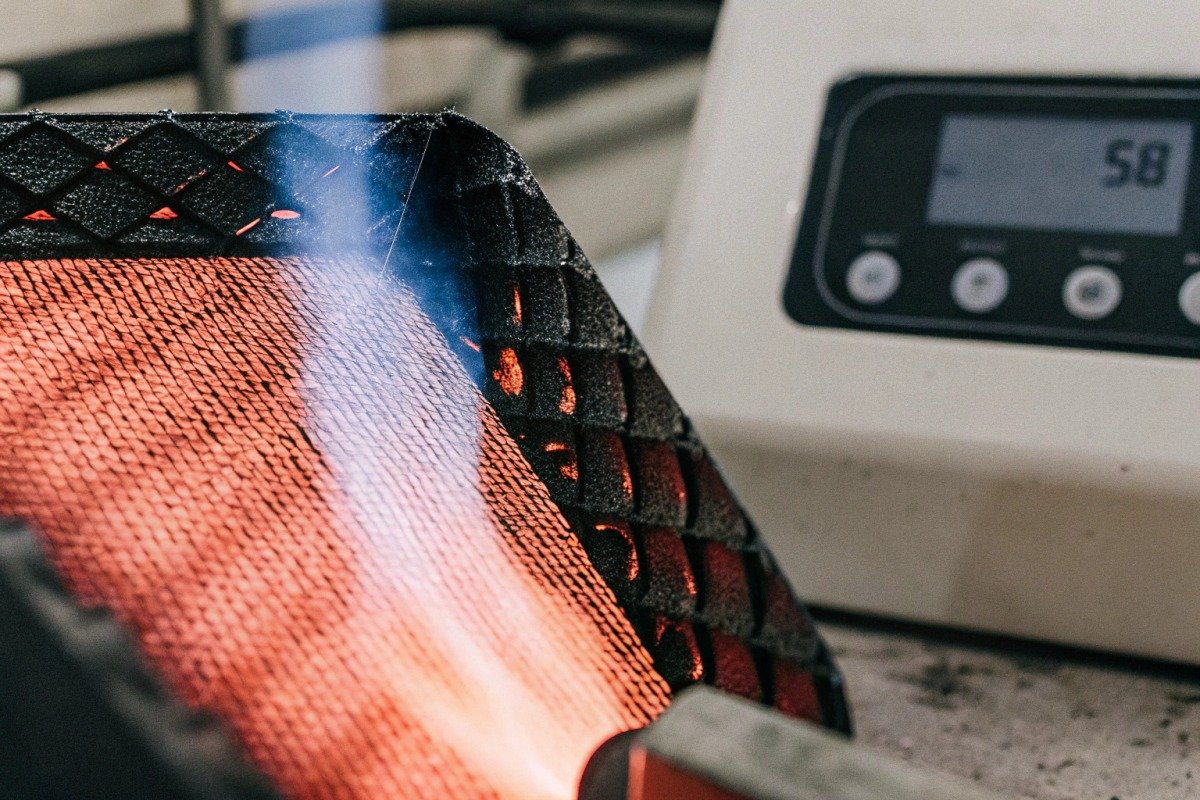
Understanding RTCA DO-160 Section 26.0
This standard is the backbone of aviation fire safety testing. It covers equipment installed in pressurized zones, fire zones, and non-fire zones. When we test our magnesium-aluminum frames, we follow these exact procedures.
The test evaluates how materials behave when exposed to open flame. Specimens must self-extinguish within a specific time. They cannot drip flaming particles. The standard also measures flame propagation distance.
FAA FAR 25.853(a) Requirements
This regulation originated for aircraft interiors but now applies to drone materials entering US airspace for commercial operations. It focuses on three areas:
| Test Parameter | Vereiste | Waarom het belangrijk is |
|---|---|---|
| Vertical Burn Rate | Max 60-80 mm/min depending on material | Prevents rapid fire spread through airframe |
| Flame Propagation | Self-extinguish within 15 seconds | Limits damage if ignition occurs |
| Drip Extinguishment | No flaming drips after 5 seconds | Prevents secondary fires below drone |
| Smoke Density | Specific optical density limits | Ensures pilot visibility if drone returns |
Regional Certification Differences
Different markets have different priorities. When we ship to Germany versus California, the documentation packages differ significantly.
| Regio | Primary Standard | Aanvullende vereisten |
|---|---|---|
| Verenigde Staten | FAR 25.853(a), DO-160 | NDAA compliance for government sales |
| Europese Unie | EN 45545-2, DO-160 | REACH chemical compliance |
| Verenigd Koninkrijk | BS 476, EN standards | Post-Brexit specific documentation |
| Australia | AS 1530.3 | State-level fire authority approvals |
Material-Specific Certification Needs
Carbon fiber composites 4 need different testing than aluminum alloys. Our production line handles both, and each requires distinct documentation.
For carbon fiber frames, we provide resin system flammability data, cure temperature documentation, and delamination resistance under heat. For metal frames, we document melting points, thermal expansion coefficients, and galvanic corrosion resistance when combined with other materials.
How do I verify that the fire resistance reports provided by my supplier are authentic and meet my local import standards?
During our years exporting to North America and Europe, we have seen buyers receive falsified test reports. Some suppliers photoshop certificates. Others provide outdated documents. This creates serious liability issues when your drones fail during actual firefighting operations.
Verify authenticity by cross-referencing report numbers directly with the testing laboratory, checking laboratory accreditation through ILAC or A2LA databases, confirming test dates fall within validity periods, and ensuring specimen descriptions match your actual materials. Request raw test data rather than summary certificates when possible.

Direct Laboratory Verification
Never rely solely on documents your supplier provides. Contact the testing lab directly using contact information from their official website—not from the certificate itself.
When we complete testing at accredited facilities, we provide clients with the lab's direct contact information. Legitimate suppliers welcome this verification step. Those who resist have something to hide.
Accreditation Database Checks
Testing laboratories must maintain accreditation to issue valid certificates. Here is how to verify accreditation status:
| Accreditation Body | Dekking | Verification Website |
|---|---|---|
| A2LA | Verenigde Staten | a2la.org/directory |
| UKAS | Verenigd Koninkrijk | ukas.com/find-an-organisation |
| DAkkS | Duitsland | dakks.de/en/content/accredited-bodies |
| ILAC | International | ilac.org/signatory-search |
Red Flags in Test Documentation
Our quality control team has identified common warning signs in falsified reports:
Formatting inconsistencies: Real test reports use consistent fonts, margins, and logos throughout. Watch for slight variations that indicate editing.
Missing raw data: Authentic reports include actual measurement values, not just pass/fail statements. If a report only says "compliant" without numbers, request the underlying data.
Unrealistic test dates: Some suppliers backdate reports. Check if the testing lab was even accredited on the stated test date.
Generic specimen descriptions: Valid reports describe exact material specifications, batch numbers, and dimensions. Vague descriptions like "carbon fiber sample" are insufficient.
Matching Reports to Your Actual Materials
A common fraud involves suppliers providing legitimate test reports for different materials than what you receive. Protect yourself by:
- Requesting reports that specify your exact material grade and specification
- Comparing material lot numbers on reports to your shipping documents
- Conducting incoming inspection tests to verify basic material properties
- Building relationships with trusted third-party inspection services in the supplier's country
What specific thermal test data should I look for to ensure my firefighting drone airframe won't fail in extreme heat?
When we calibrate our flight controllers for fire zone operations, thermal performance is non-negotiable. Our clients need drones that function when ambient temperatures exceed what commercial products can handle. The wrong thermal data leaves dangerous gaps in your safety assessment.
Look for continuous operating temperature ratings above 150°C, thermal shock resistance data showing performance after rapid cycling between -40°C and +85°C, heat release rate measurements per ISO 5660, thermal expansion coefficients for all frame materials, and glass transition temperature data for any polymer components exceeding expected operational temperatures by at least 30°C.

Critical Temperature Thresholds
Different airframe components have different thermal vulnerabilities. Understanding these thresholds helps you evaluate supplier data effectively.
| Component | Critical Temperature | Failure Mode |
|---|---|---|
| Carbon fiber epoxy | 120-180°C (glass transition) | Matrix softening, structural failure |
| Aluminum alloy 6061 | 150°C sustained | Significant strength reduction |
| Magnesium alloy | 200°C sustained | Creep deformation begins |
| Polyimide plastics | 250°C+ | Preferred for high-heat zones |
| Aerogel insulation | 650°C+ | Maintains insulation properties |
Thermal Shock Testing Requirements
Static temperature ratings tell only part of the story. Firefighting drones move rapidly between cool air and extreme heat. This cycling creates thermal shock that can crack materials without warning.
Our engineering team requires thermal shock test data showing:
- Minimum 100 cycles between temperature extremes
- Rate of temperature change (ideally 10°C or more per minute)
- Post-cycling mechanical property retention (minimum 90% of original strength)
- Inspection results for micro-cracking after cycling
Heat Release Rate and Flame Spread
ISO 5660 6 cone calorimeter testing provides crucial data about how materials behave when they catch fire. Key metrics include:
Peak heat release rate: Lower is better. Materials releasing large amounts of heat quickly can overwhelm nearby components.
Total heat released: Indicates how much fuel the material provides if ignited.
Time to ignition: Longer ignition times provide safety margins.
Smoke production rate: Critical for maintaining visual contact with the drone.
Glass Transition Temperature Analysis
For polymer-based components, glass transition temperature 7 (Tg) determines when the material softens and loses structural integrity. This test is often overlooked but critically important.
Request Differential Scanning Calorimetry (DSC) reports showing Tg values. Your operational temperature should never exceed 70% of the Tg value. If a polymer has a Tg of 150°C, do not deploy it in environments exceeding 105°C.
Thermal Expansion Compatibility
When different materials expand at different rates, joints fail. This is especially problematic in multi-material airframes combining metal and composite elements.
Request Coefficient of Thermal Expansion (CTE) data 8 for all frame materials. Calculate expansion mismatches at your maximum operational temperature. Design joints to accommodate this movement or select materials with matched CTEs.
Can I request custom material testing reports if my project requires specialized fire-retardant properties for the airframe?
Our production facility regularly handles custom requirements. Government contracts often specify unique testing protocols. Specialized applications need documentation that standard testing does not cover. The question is not whether custom testing is possible—it is how to structure it correctly.
Yes, custom testing is available through accredited laboratories and can be specified in your procurement contract. Define test parameters including temperature ranges, exposure durations, chemical compatibility requirements, and acceptance criteria before ordering. Budget 6-12 weeks for custom test completion and expect costs between $5,000-$25,000 depending on complexity.

Defining Custom Test Parameters
Custom testing starts with clear specifications. Vague requests lead to useless results. Work with your engineering team to define:
Exposure conditions: Exact temperatures, durations, and atmospheric conditions (smoke, humidity, chemical presence).
Performance criteria: What constitutes pass or fail? Define specific thresholds.
Sample requirements: Number of specimens, pre-conditioning procedures, dimensional specifications.
Documentation needs: Raw data formats, statistical analysis requirements, photo documentation.
Common Custom Testing Scenarios
Based on requests from our clients, here are typical custom testing needs for firefighting drone applications:
| Scenario | Custom Test Requirements | Typical Cost Range |
|---|---|---|
| Chemical retardant exposure | Material compatibility with foam, gel, retardant chemicals | $3,000-$8,000 |
| Extended high-heat exposure | 30+ minute sustained temperature testing | $5,000-$12,000 |
| Combined stress testing | Heat + vibration + chemical exposure simultaneously | $15,000-$25,000 |
| Post-fire reusability | Structural testing after thermal exposure cycles | $8,000-$15,000 |
Working with Laboratories on Custom Protocols
Accredited laboratories can develop custom test protocols, but you must guide the process. Here is our recommended approach:
Step 1: Provide the laboratory with your operational environment description, including temperature ranges, exposure durations, and chemical agents present.
Step 2: Request a test plan proposal with methodology, specimen requirements, timeline, and cost estimate.
Step 3: Review the proposal with your engineering team. Ensure all failure modes you care about are addressed.
Step 4: Negotiate modifications if needed. Most laboratories accommodate reasonable changes.
Step 5: Include test witnessing rights in your agreement if you want to observe testing firsthand.
Integrating Custom Tests into Procurement Contracts
When we negotiate OEM contracts with custom testing requirements, we structure them carefully:
- Material specifications and test requirements appear in technical annexes
- Test completion is a prerequisite for final payment release
- Test failure triggers re-engineering or contract termination rights
- Intellectual property for custom test methodologies is clearly assigned
- Re-testing procedures and cost allocation are pre-defined
Timeline and Budget Planning
Custom testing takes time. Plan accordingly:
Specimen preparation: 1-2 weeks
Laboratory scheduling: 2-4 weeks
Testing execution: 1-3 weeks
Report generation: 1-2 weeks
Total minimum timeline: 6-12 weeks
Budget should include specimen fabrication costs, laboratory fees, shipping, and potential re-testing. Add 20% contingency for unexpected requirements.
Conclusie
Fire resistance test reports are essential for sourcing reliable firefighting drone airframe materials. Prioritize internationally recognized certifications, verify document authenticity directly with laboratories, demand comprehensive thermal data, and specify custom testing when standard reports fall short.
Voetnoten
1. Official US regulation for compartment interior materials in transport category airplanes. ↩︎
2. Overview of the European standard for fire protection on railway vehicles, often referenced for drones. ↩︎
3. Provides a searchable directory for accreditation bodies and their accredited facilities worldwide. ↩︎
4. Wikipedia article detailing the properties, manufacturing, and applications of carbon fiber composites. ↩︎
5. Explains aviation fire and flammability testing standard for airborne equipment. ↩︎
6. International standard for reaction-to-fire tests, specifically heat release rate. ↩︎
7. Wikipedia explanation of glass transition, a critical property for polymer-based components. ↩︎
8. Wikipedia article explaining how materials change size with temperature, crucial for multi-material designs. ↩︎

 English
  Spanish
  German
  French
  Dutch
Dutch  Arabic
