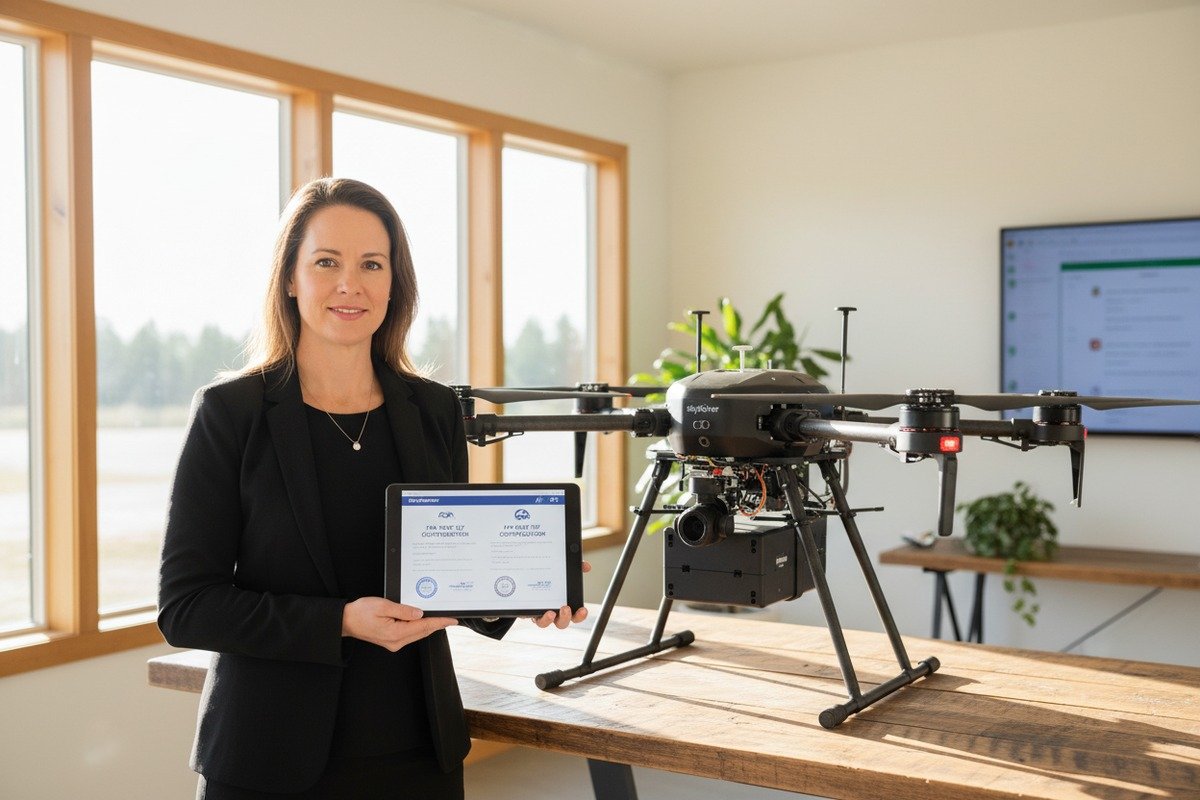
When our engineering team developed our latest agricultural hexacopter, we faced a crucial question from US importers EPA pesticide label compliance 1. They needed clarity on meeting American pesticide spraying standards. The confusion is real. Regulations span multiple agencies. Documentation requirements vary by state. Without proper verification, your investment sits idle.
To verify US pesticide spraying standards for Chinese agricultural drones, you must confirm FAA Part 107 and Part 137 certification compatibility, ensure EPA pesticide label compliance for aerial application, validate state-level applicator licensing requirements, and obtain proper customs documentation including weight classification and registration eligibility.
This guide walks you through every verification step state-level applicator licensing 2. We will cover federal certifications, technical specifications, export documentation, and software customization. Let us start with the certifications that matter most.
Which EPA and FAA certifications should I look for when importing agricultural drones from China?
Our experience exporting to the United States has taught us one thing clearly weight classification 3. Certification requirements confuse many first-time importers. You find scattered information online. Government websites use technical jargon. Meanwhile, your purchase decision hangs in limbo.
When importing agricultural drones from China, look for equipment compatible with FAA Part 107 remote pilot certification, FAA Part 137 Agricultural Aircraft Operator Certificate requirements, and EPA compliance for aerial pesticide application labels. Additionally, verify the drone meets FAA registration eligibility based on weight classification.

Understanding the FAA Certification Framework
The FAA governs all drone operations in US airspace VMD (Volume Median Diameter) 4. For agricultural spraying, two certifications matter most. Part 107 covers general commercial drone operation. Part 137 specifically addresses agricultural chemical dispensing.
Here is what each certification covers:
| Certification | Purpose | Key Requirements |
|---|---|---|
| FAA Part 107 5 | Commercial drone operation | Remote pilot certificate, knowledge test, age 16+, security vetting |
| FAA Part 137 6 | Agricultural aircraft operations | Dispensing authorization, operational limitations, pilot certification |
| FAA Registration | Aircraft identification | N-number assignment, weight-based requirements, visible marking |
Part 137 governs "the use of aircraft, including drones, to dispense or spray substances." This includes pesticides, fertilizers, and disinfectants. Without Part 137 certification, your drone cannot legally spray chemicals commercially.
Weight Classification Matters
Your drone's weight determines the regulatory pathway. This includes the drone itself plus spray solution payload. The 55-pound threshold creates a significant divide.
For drones under 55 pounds total weight:
- Online FAA registration is straightforward
- Part 107 remote pilot certification required
- Part 137 certification for chemical dispensing
- State pesticide applicator license needed
For drones over 55 pounds total weight:
- Notarized registration required
- Section 44807 exemption 7 typically needed
- More complex approval process
- Additional operational restrictions apply
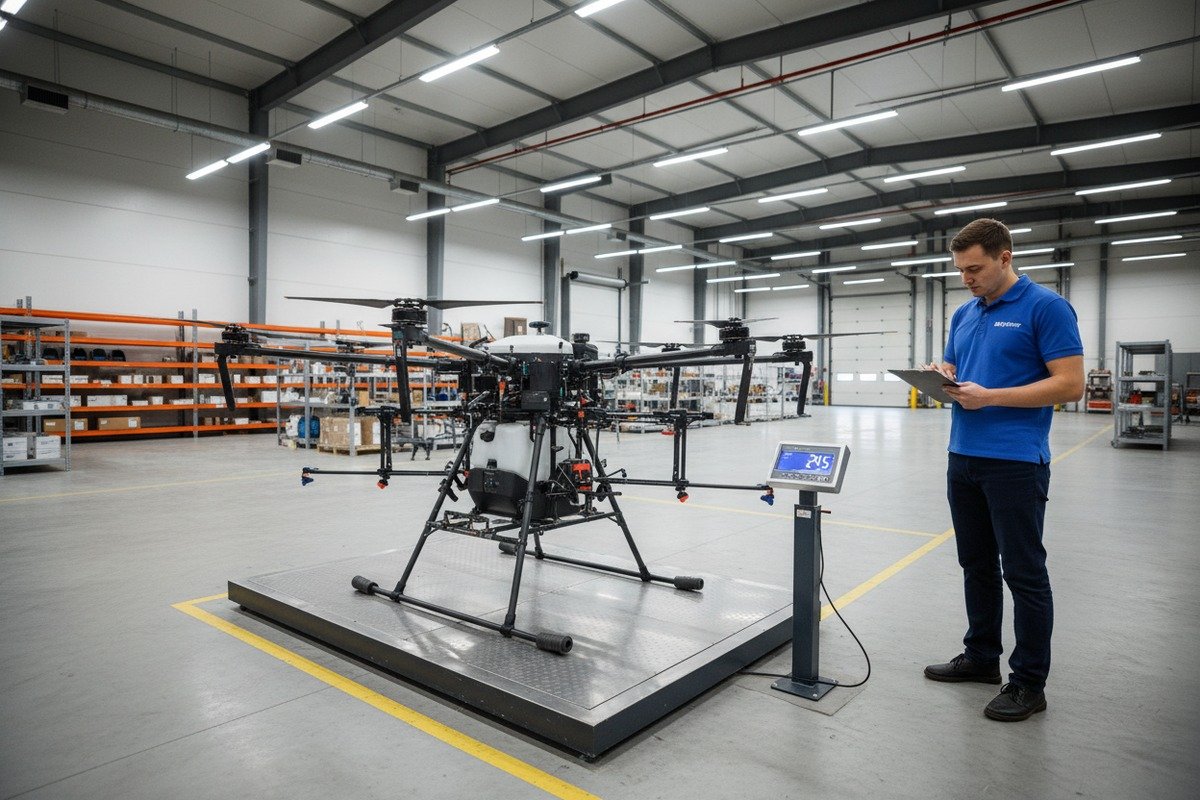
Our hexacopter models come with detailed weight specifications. We provide empty weight, maximum payload, and total operational weight. This data helps you determine which regulatory category applies before purchase.
EPA Compliance Requirements
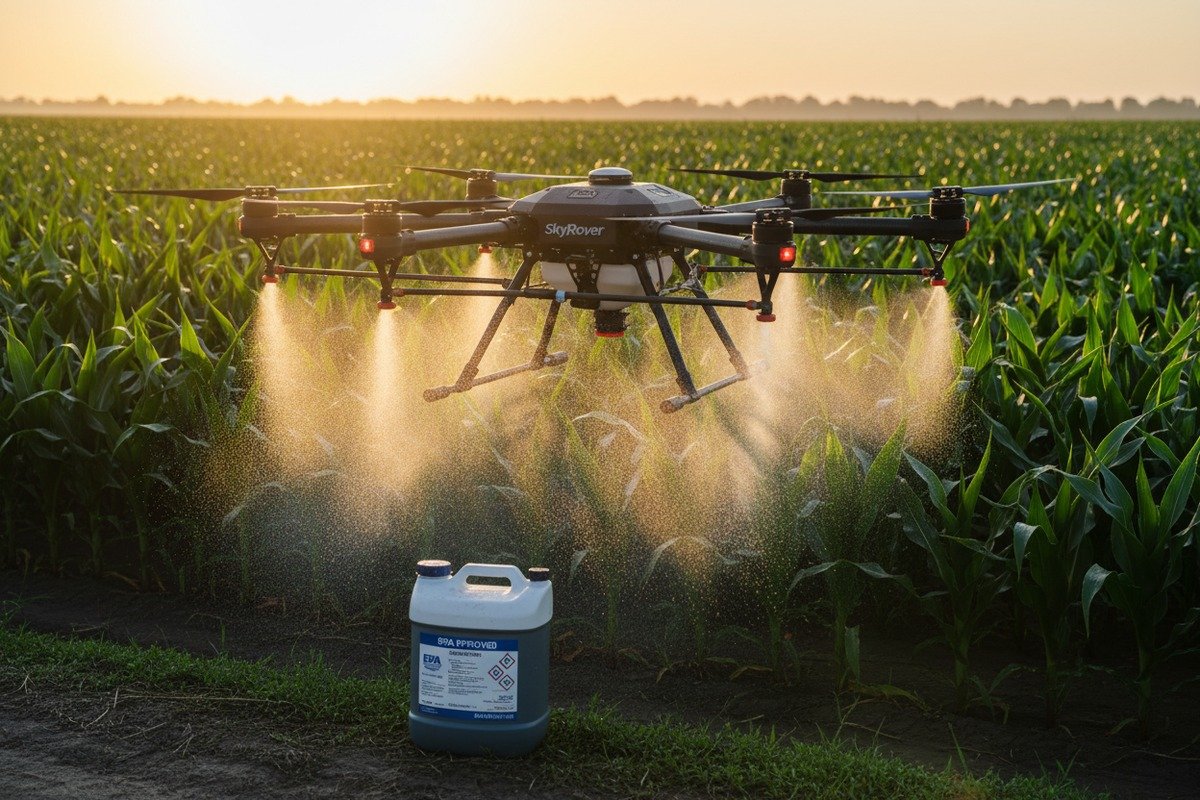
The EPA controls pesticide use in the United States. Here is the critical rule: drones can only spray pesticides already labeled for conventional aerial application. No special drone-specific labels exist yet.
This means you must:
- Check each pesticide label before use
- Confirm aerial application is permitted
- Follow all label application rates
- Document compliance for inspections
The EPA is developing drone-specific regulations. Crop protection companies have formed task forces to study spray drift and human exposure. Until new guidelines emerge, operators follow general aerial application rules.
What Chinese Manufacturers Should Provide
When evaluating our drones or competitors, request these documents:
| Document | Purpose | Why It Matters |
|---|---|---|
| Weight specification sheet | Regulatory classification | Determines Part 107 vs exemption pathway |
| Serial number documentation | FAA registration | Required for N-number assignment |
| Operational limitation data | Compliance verification | Confirms altitude limits, geofencing capability |
| CE/FCC certification | Import clearance | Demonstrates safety standards compliance |
We provide comprehensive documentation packages with every agricultural drone. Our technical team prepares US-specific compliance folders upon request. This saves importers weeks of back-and-forth communication.
What specific nozzle and droplet size data should I request to ensure my drones comply with US spraying laws?
When we calibrate spray systems at our facility, precision is everything. Nozzle selection affects drift. Droplet size impacts coverage. Wrong specifications lead to regulatory violations. Worse, they waste expensive chemicals and harm crops.
Request nozzle flow rate specifications, droplet size distribution data showing VMD (Volume Median Diameter), spray pattern documentation, and pressure calibration ranges. US compliance requires droplet sizes typically between 200-400 microns to minimize drift while ensuring adequate coverage per EPA aerial application guidelines.
Why Droplet Size Matters for Compliance
Pesticide labels specify application parameters. Droplet size directly affects:
- Spray drift potential
- Target coverage efficiency
- Environmental contamination risk
- Human exposure levels
The EPA monitors drift complaints closely. Fines for drift violations reach thousands of dollars. More importantly, drift damages neighboring crops and contaminates water sources.
Understanding Droplet Size Classifications
The American Society of Agricultural and Biological Engineers 8 classifies droplet sizes. Here is the standard reference:
| Classification | VMD Range (microns) | Drift Potential | Coverage |
|---|---|---|---|
| Very Fine | <150 | Extreme | Excellent |
| Fine | 150-225 | High | Very Good |
| Medium | 225-325 | Moderate | Good |
| Coarse | 325-400 | Low | Moderate |
| Very Coarse | 400-500 | Very Low | Fair |
Most pesticide labels recommend medium to coarse droplets for aerial application. This balances drift reduction with adequate coverage. Our spray systems default to medium-coarse settings. Operators can adjust based on specific pesticide requirements.
Key Nozzle Specifications to Request
When evaluating any agricultural drone, demand these technical details:
Flow Rate Data: Measured in liters or gallons per minute. This determines application rate capability. Our standard nozzles deliver 0.4-2.0 liters per minute per nozzle. Higher flow rates suit dense crops. Lower rates work for precision applications.
Pressure Calibration Range: Operating pressure affects droplet formation. Too high creates fine mist and drift. Too low produces large droplets with poor coverage. Request the manufacturer's recommended pressure range. Our systems operate optimally between 2-5 bar.
Spray Pattern Documentation: Even distribution matters for efficacy and compliance. Request spray pattern test results showing coverage uniformity. Width and overlap data help calculate swath settings.
Nozzle Material and Compatibility: Chemical compatibility prevents equipment damage. Stainless steel and ceramic nozzles resist corrosion. Plastic components may degrade with certain formulations. We use corrosion-resistant materials rated for common agricultural chemicals.
Drift Reduction Technology
Modern agricultural drones incorporate drift reduction features. Ask manufacturers about:
- Adjustable nozzle angles
- Wind speed sensors with auto-shutoff
- Real-time droplet size monitoring
- GPS-linked variable rate application
Our latest hexacopter includes wind compensation technology. When wind exceeds safe thresholds, the system alerts operators. This prevents drift violations during changing conditions.
Documentation for State Inspectors
State agricultural departments conduct inspections. Prepare these records:
| Record Type | Content | Retention Period |
|---|---|---|
| Nozzle calibration logs | Date, pressure, flow rate verified | 3 years minimum |
| Spray pattern tests | Distribution uniformity data | 3 years minimum |
| Maintenance records | Nozzle replacement, cleaning schedules | Equipment lifetime |
| Chemical application logs | Date, location, rate, weather conditions | Per state requirement |
We provide calibration certificates with our spray systems. These documents satisfy most state inspector inquiries about equipment specifications.
Can I get the necessary export documentation from a Chinese manufacturer to satisfy US customs and pesticide regulations?
Our export department handles US shipments weekly. We understand customs requirements. We know which documents cause delays. Still, many importers receive incomplete paperwork. Their drones sit in customs warehouses. Fees accumulate. Frustration grows.
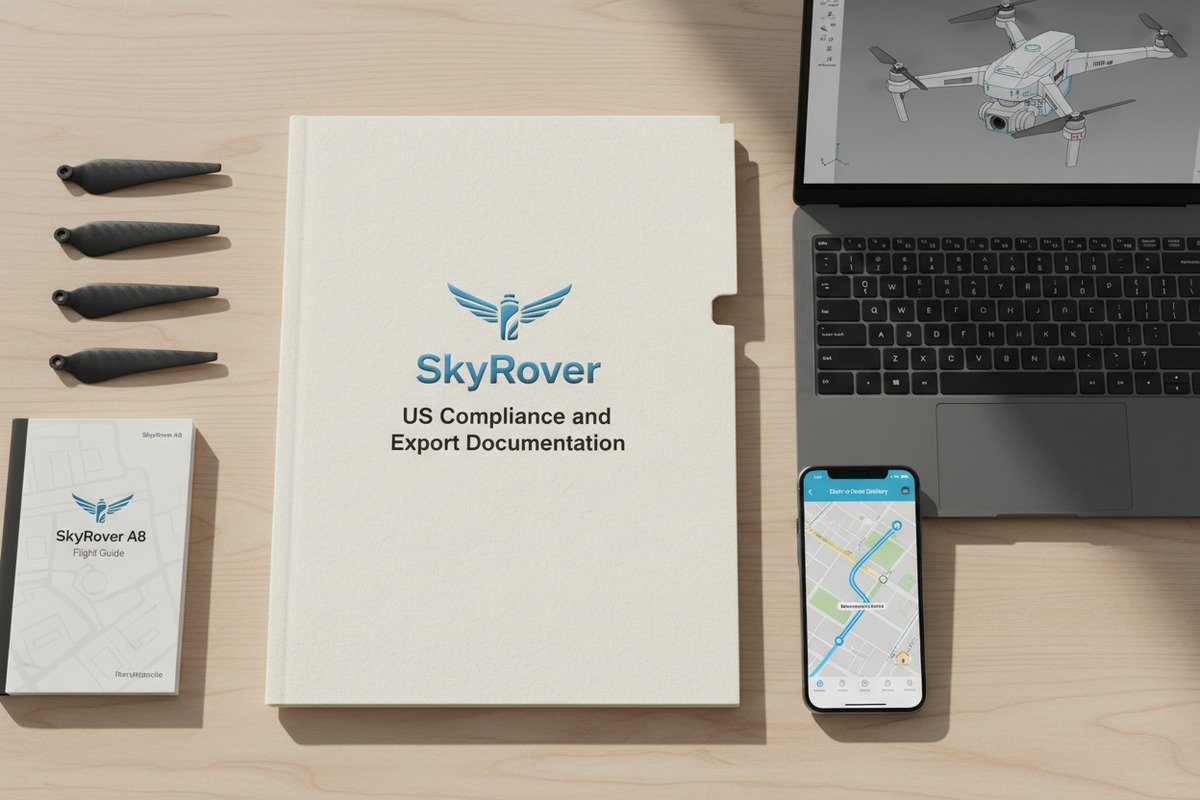
Yes, reputable Chinese manufacturers can provide complete export documentation including commercial invoices, packing lists, certificates of origin, technical specification sheets, and compliance declarations. Request FCC certification for radio equipment, weight verification documents, and material safety data sheets for any included chemicals or batteries.
Essential Export Documents Checklist
Customs clearance requires specific paperwork. Missing documents trigger inspections and delays. Here is what we provide for every US-bound agricultural drone:
| Document | Purpose | Customs Requirement |
|---|---|---|
| Commercial Invoice | Value declaration | Mandatory for duty calculation |
| Packing List | Contents verification | Required for inspection |
| Certificate of Origin | Country verification | Determines tariff rates |
| Bill of Lading/Airway Bill | Shipping proof | Transport documentation |
| FCC Declaration | Radio compliance | Required for RF equipment |
Compliance Declarations for Agricultural Equipment
Agricultural drones face additional scrutiny. Request these specialized documents:
Technical Specification Sheet: Details weight, dimensions, battery specifications, and operational parameters. US customs uses this to verify product classification.
FCC Certification: All radio-transmitting equipment requires FCC compliance. This covers remote controllers, video transmitters, and telemetry systems. Our products carry FCC Part 15 compliance 9 for unlicensed operation.
Battery Safety Documentation: Lithium batteries require UN38.3 test reports and MSDS (Material Safety Data Sheets 10). Shipping lithium batteries without proper documentation violates international transport regulations.
CE Marking Documentation: While not US-required, CE marking demonstrates safety testing. US customs officers recognize CE as a quality indicator.
Pesticide Regulation Documentation
Pesticide regulations fall under EPA jurisdiction, not customs. However, importers should prepare:
Equipment Compatibility Statements: Documentation showing spray system materials are compatible with common pesticide formulations. We provide chemical resistance charts for all wetted components.
Calibration Certificates: Factory calibration data for flow rates, pressure settings, and nozzle specifications. These support your Part 137 certification application.
Spray System Technical Manual: Detailed instructions for maintaining pesticide application equipment. Inspectors may request operational documentation during site visits.
National Security Considerations
Recent legislation raises concerns about Chinese agricultural drones. Congress has proposed restrictions on certain manufacturers. This creates uncertainty for importers.
Current status:
- No blanket ban exists as of this writing
- Certain government contracts exclude specific brands
- Private commercial use remains legal
- Regulations may change
We recommend consulting a customs broker familiar with current restrictions. Laws evolve quickly in this area. Proper documentation protects your investment if regulations tighten.
Working with Customs Brokers
Experienced customs brokers streamline imports. They know current requirements. They anticipate problems. Find brokers who specialize in:
- Technology equipment imports
- Agricultural machinery
- Chinese origin products
- Drone and UAV systems
We partner with logistics companies experienced in drone exports. Our team coordinates with your customs broker to ensure document compatibility. This prevents costly miscommunication.
What to Do If Documents Are Incomplete
If your manufacturer cannot provide complete documentation:
- Request specific missing documents in writing
- Set clear deadlines for delivery
- Consider alternative suppliers
- Factor documentation delays into timelines
We maintain document archives for all shipped products. Customers can request additional copies years after purchase. This supports warranty claims, resale, and regulatory audits.
How can I customize my drone's software and hardware to match my local US state-level spraying protocols?
Our engineering team collaborates with US distributors regularly. Each state has unique requirements. California differs from Texas. Florida varies from Iowa. Standard factory settings rarely satisfy all jurisdictions. Customization bridges this gap.
Customize your drone through software parameter adjustments for application rates, geofencing updates for local airspace restrictions, hardware modifications for state-approved nozzle configurations, and data logging systems that generate compliance reports. Work with manufacturers offering OEM services and collaborative development to match specific state protocols.
Understanding State-Level Variations
Beyond federal FAA and EPA requirements, states impose additional rules. Variations include:
| Requirement Area | Example Variations | States with Strict Rules |
|---|---|---|
| Applicator licensing | Exam formats, practical tests | CA, FL, TX |
| Buffer zones | Distance from water, schools | CA, NY, WA |
| Record keeping | Retention periods, data formats | Most states |
| Notification requirements | Neighbor alerts, agency reports | CA, OR |
| Wind speed limits | Maximum allowable speed | CA, HI |
California maintains particularly strict standards. The Department of Pesticide Regulation requires detailed application records. Buffer zones near sensitive areas exceed federal minimums. Your drone must support these documentation requirements.
Software Customization Options
Modern agricultural drones run sophisticated flight control software. Key customizable parameters include:
Application Rate Settings: Adjust spray volume per acre. Different crops and pesticides require different rates. Our software allows preset profiles for common applications. Operators switch between profiles without manual recalibration.
Geofencing Configuration: US airspace includes restricted zones. Airports, military bases, and national parks require avoidance. Our drones accept updated geofencing databases. Automatic no-fly zone compliance prevents violations.
Flight Speed Limits: Application rate depends on ground speed. Slower speeds increase deposition. Faster speeds reduce coverage. Our system links speed to spray rate for consistent application regardless of terrain.
Data Logging Formats: State inspectors expect specific report formats. Our software exports compatible file types. GPS coordinates, timestamps, and application rates appear in required formats.
Hardware Modifications for State Compliance
Some states mandate specific equipment features:
Nozzle Configurations: Drift reduction nozzles may be required near sensitive areas. We offer multiple nozzle options. Quick-change mounting systems allow field swaps without tools.
Tank Capacity Adjustments: Smaller tanks reduce total weight. This affects regulatory classification. We manufacture tanks in various sizes to optimize for customer requirements.
Sensor Integration: Some operators add wind sensors, temperature monitors, or humidity gauges. Our flight controllers accept third-party sensor inputs. This data feeds into compliance reports.
Lighting and Marking: FAA requires anti-collision lighting for certain operations. State regulations may add requirements. We pre-wire for lighting upgrades.
OEM Collaboration Process
Our OEM services support deep customization. Here is our typical workflow:
- Requirements Gathering: You specify state regulations and operational needs
- Technical Review: Our engineers assess feasibility and timeline
- Prototype Development: We build customized units for testing
- Validation Testing: You verify compliance with local requirements
- Production: We manufacture your customized configuration
- Documentation: We provide updated technical specifications
This process typically takes 4-8 weeks depending on modification complexity. Simple software changes ship faster. Hardware modifications require additional production time.
Maintaining Compliance After Purchase
Regulations change. Software updates address evolving requirements. We provide:
- Firmware update notifications
- Revised calibration procedures
- Updated geofencing databases
- Technical bulletins on regulatory changes
Our customer portal hosts documentation updates. Registered owners receive email alerts when relevant regulations change. This ongoing support protects your compliance status over time.
Working with Local Agronomists
State-level compliance extends beyond equipment settings. Local expertise matters. Partner with:
- Licensed pesticide applicators familiar with regional rules
- Extension service agents who understand local crops
- Certified crop advisors who recommend application parameters
- Insurance agents specializing in agricultural drone operations
These professionals help translate state requirements into specific equipment settings. They bridge the gap between regulatory language and operational practice.
Conclusion
Verifying US pesticide spraying standards for Chinese agricultural drones requires attention to multiple regulatory layers. From FAA certifications to state-level protocols, each requirement deserves careful verification. Request complete documentation from your manufacturer. Customize equipment for your specific jurisdiction. Partner with local experts who understand regional rules. Your investment in proper verification protects your operation and ensures compliant, effective agricultural spraying.
Footnotes
1. Official EPA information on pesticide labeling requirements for safe use. ↩︎
2. EPA guidance on pesticide applicator certification, which is state-regulated. ↩︎
3. Official FAA information on drone registration requirements based on weight. ↩︎
4. Explains the technical concept of Volume Median Diameter in pesticide application. ↩︎
5. Replaced 404 link with current FAA page for remote pilot certification. ↩︎
6. Replaced 404 link with the official eCFR regulation for agricultural aircraft operations. ↩︎
7. Official FAA page detailing special authority for certain unmanned aircraft systems. ↩︎
8. Official website of the professional society for agricultural and biological engineering standards. ↩︎
9. Official US regulation for radio frequency devices and equipment authorization. ↩︎
10. Official OSHA guidance on Safety Data Sheets (formerly MSDS). ↩︎

 English
  Español de México
  Deutsch
  Français
  Русский
  العربية
