
Every week, our export team receives calls from frustrated farmers and procurement managers FAA Part 107 compliance 1. They bought agricultural drones from unknown suppliers. Now their subsidy applications are rejected. The reason? Missing certifications and incomplete documentation. This problem costs them thousands of dollars and months of delay.
To verify agricultural drone supplier credentials for local subsidy applications, you must collect manufacturer certifications including FAA Part 107 compliance, AAOC documentation, quality control certificates, insurance proof, and equipment specifications. Request formal quotations from government-approved sellers and confirm the supplier’s export documentation capabilities.
The verification process seems complex at first. But with the right checklist and understanding, you can confidently select a qualified supplier. Let me walk you through each critical step.
What specific manufacturer certifications do I need to collect for my agricultural drone subsidy application?
When our engineering team designs new agricultural sprayer drones, we always consider what documentation our customers will need. Many buyers discover too late that their supplier cannot provide the right paperwork. This leads to rejected applications and wasted investments.
You need to collect FAA Part 107 remote pilot certificates, Agricultural Aircraft Operator Certificates (AAOC), Section 44807 exemptions for heavy payloads, equipment type certifications, medical certificates for operators, and current business liability insurance documentation from your supplier.
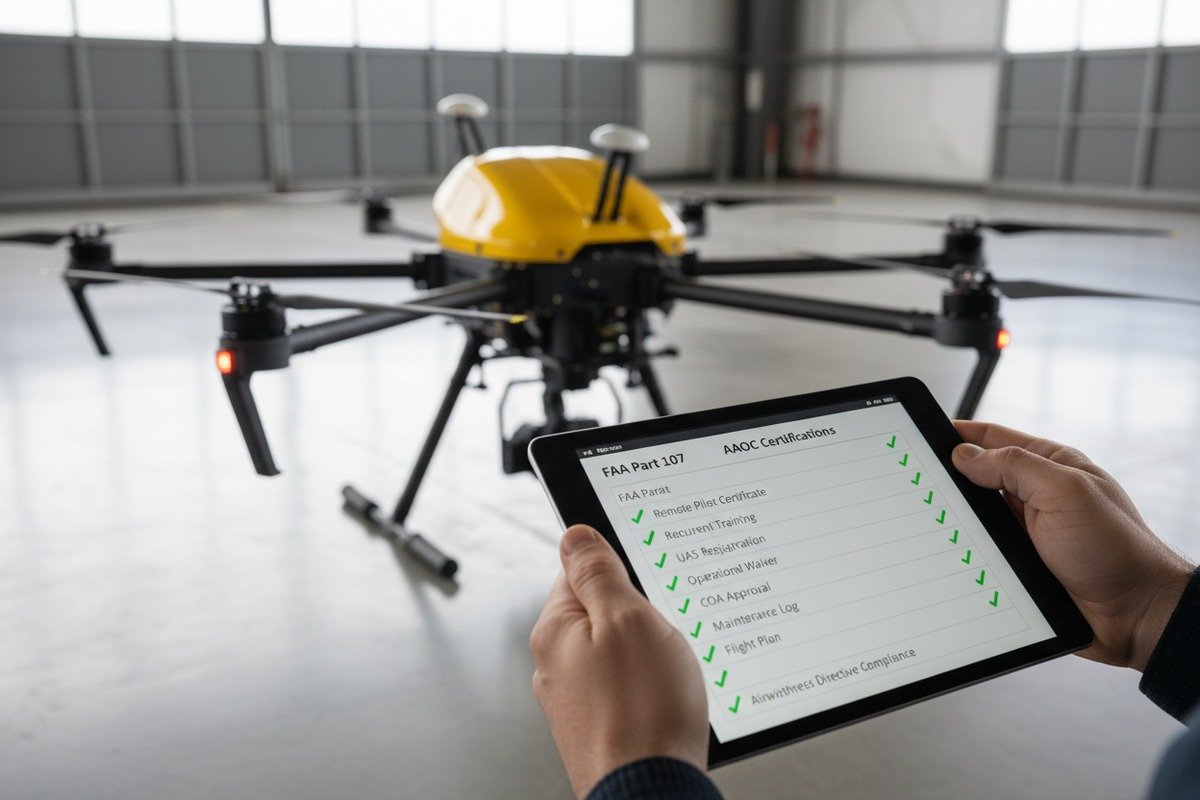
Understanding Federal Certification Requirements
The FAA regulates all commercial agricultural drone operations in the United States. Your supplier must demonstrate compliance with multiple certification layers. This is not optional—it is legally required.
Part 107 certification forms the foundation. Every commercial drone operator must pass this exam. When we train our distribution partners, we emphasize this point repeatedly. Without Part 107, no legal commercial operation can occur.
For agricultural spraying operations, additional certifications are mandatory. The Agricultural Aircraft Operator Certificate (AAOC) 2 specifically authorizes chemical dispensing activities. Your supplier should provide a copy of this certificate upon request.
The Six-Month Timeline Reality
Here is something many buyers do not realize. The Section 44807 exemption 3 for heavy-payload drones takes approximately six months to process. This affects supplier availability and your subsidy application timeline.
| Certification Type | Processing Time | Validity Period | Renewal Required |
|---|---|---|---|
| Part 107 License | 2-4 weeks | 24 months | Yes |
| AAOC Certificate | 4-8 weeks | Ongoing | Annual review |
| Section 44807 Exemption | ~6 months | Case-specific | Yes |
| Medical Certificate | Same day | 12-60 months | Yes |
| Business Insurance | 1-2 weeks | 12 months | Annual |
Documentation Checklist for Subsidy Applications
When our customers apply for local subsidies, we provide them with a complete documentation package. Your supplier should offer the same level of support.
Request these specific documents:
- Valid Part 107 remote pilot certificate copy
- AAOC certificate with current status
- Section 44807 exemption approval letter
- Equipment specifications matching FAA requirements
- Current insurance certificate of coverage
- Company registration and business license
Equipment Weight Classifications Matter
Drones under 55 pounds and drones at 55 pounds or greater follow different regulatory pathways. Our agricultural sprayers typically operate in the heavier category when fully loaded. This distinction affects which certifications your supplier must hold.
Make sure the certifications match the actual equipment you are purchasing. A supplier certified for lightweight drones cannot legally operate heavy-lift agricultural sprayers.
How can I verify that my drone supplier's quality control standards meet my local government's requirements?
In our production facility, we run every agricultural drone through 47 separate quality checkpoints before shipping. Yet some suppliers skip these steps entirely. Buyers cannot tell the difference until problems emerge during subsidy inspections or field operations.
Verify quality control standards by requesting ISO certification documents, production facility audit reports, equipment testing records, pattern testing results, and third-party inspection certificates. Compare these against your local government's published subsidy program requirements.

Key Quality Certifications to Request
Quality control extends beyond manufacturing. It includes design, testing, and ongoing support. Our quality management system follows ISO 9001 standards 4. This provides a framework that subsidy programs recognize and trust.
| Quality Standard | What It Covers | Relevance to Subsidies |
|---|---|---|
| ISO 9001 | Quality management systems | Often required for government programs |
| ISO 14001 | Environmental management | Green agriculture subsidies |
| CE Marking 5 | European safety standards | Import compliance |
| FCC Certification | Radio frequency compliance | Required for US operation |
| IP Rating | Dust and water resistance | Equipment durability proof |
Pattern Testing and Spray Effectiveness Documentation
Reputable suppliers conduct extensive pattern testing before delivery. This evaluates spray width, drift characteristics, and effectiveness under various conditions. When we test our sprayer drones, we document everything.
Ask your supplier for:
- Spray pattern test results under different wind conditions
- Nozzle performance data across multiple configurations
- Drift analysis reports
- Coverage uniformity measurements
This documentation demonstrates technical competence to subsidy program administrators.
Third-Party Verification Options
Do not rely solely on supplier-provided documentation. Third-party verification adds credibility to your subsidy application.
Options include:
- Independent laboratory testing reports
- Insurance company underwriting assessments
- Industry association certifications
- Customer reference verification
Insurance companies perform their own risk assessments. A supplier with comprehensive insurance coverage has already passed a form of third-party verification.
Matching Local Government Requirements
Each subsidy program has specific requirements. Contact your local agricultural extension office before purchasing. They can provide detailed credential checklists specific to your region.
Our export team regularly helps customers navigate these regional differences. The requirements in California differ from those in Texas. European programs have entirely different standards. Know your local requirements first, then verify supplier compliance.
Does my supplier have the necessary export experience and documentation to support my import process?
When we first started exporting agricultural drones to the United States, the documentation requirements surprised us. Customs clearance, import permits, and compliance certificates created unexpected delays for our early customers. Now our export team prepares comprehensive documentation packages that prevent these problems.
Your supplier needs export licenses, customs clearance documentation, certificates of origin, commercial invoices with harmonized tariff codes, packing lists, and compliance declarations. Experienced suppliers provide door-to-door delivery with complete import support documentation.
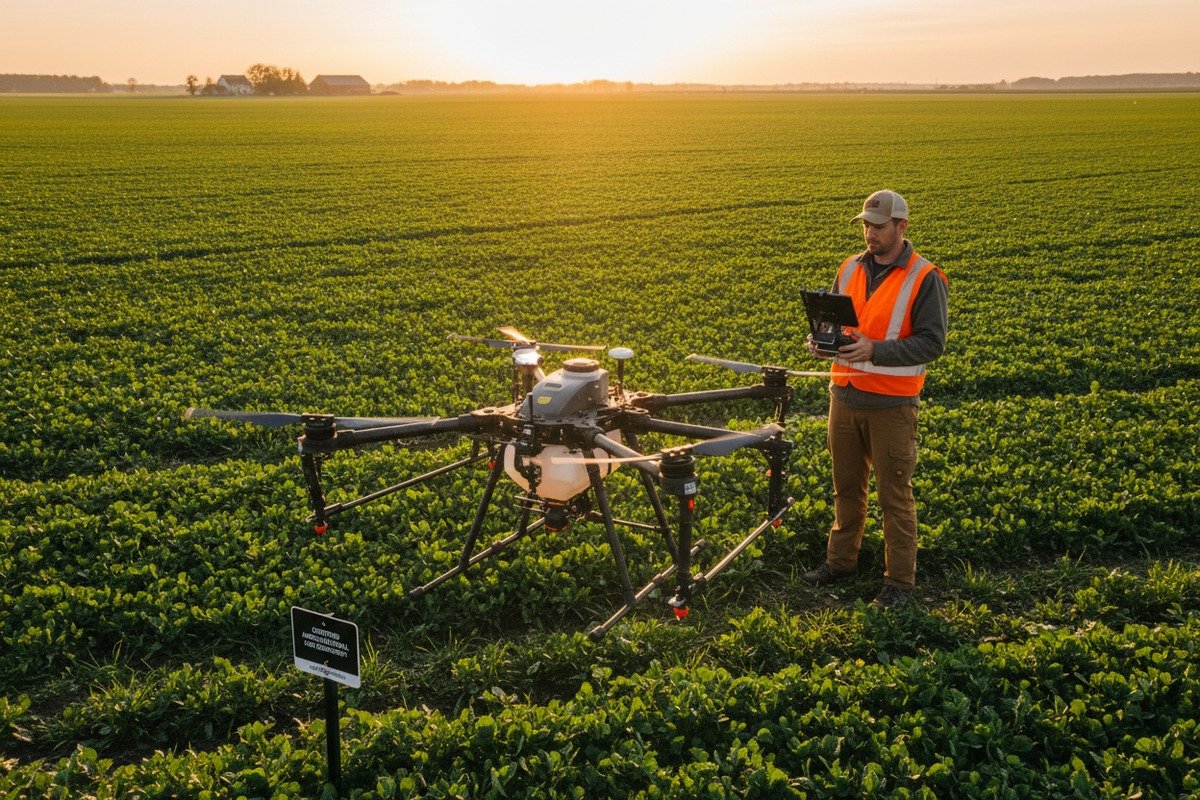
Essential Export Documentation Package
Import delays cost money and can cause you to miss subsidy application deadlines. Your supplier should provide a complete documentation package that customs authorities accept without question.
| Document Type | Purpose | Who Provides It |
|---|---|---|
| Commercial Invoice | Declares value and contents | Supplier |
| Packing List | Details shipment contents | Supplier |
| Certificate of Origin 6 | Confirms manufacturing location | Supplier + Chamber of Commerce |
| Export License | Authorizes export from origin country | Supplier's government |
| Bill of Lading | Shipping contract | Freight carrier |
| Customs Declaration | Import compliance | Customs broker |
Evaluating Export Experience
Experience matters in international trade. Suppliers who have successfully exported to your country understand the specific requirements. They know which documents customs officials examine most carefully.
Ask potential suppliers:
- How many units have you exported to my country?
- What is your typical customs clearance success rate?
- Can you provide references from previous customers in my region?
- Do you work with established freight forwarders?
Our team has completed hundreds of export shipments to North America and Europe. This experience means we anticipate problems before they occur.
Door-to-Door Delivery Considerations
Many suppliers offer only FOB (Free on Board) pricing. This leaves you responsible for international shipping, customs clearance, and final delivery. Problems at any stage become your problems.
Door-to-door delivery shifts this responsibility to the supplier. When we offer door-to-door service, we handle:
- International freight arrangements
- Export customs clearance
- Import customs brokerage
- Final delivery to your location
This approach simplifies your subsidy application. You receive one invoice showing the complete delivered cost.
Tariff Classification and Compliance
Agricultural drones have specific harmonized tariff codes 7. Incorrect classification causes delays and potential penalties. Your supplier should clearly identify the correct tariff classification on all documentation.
Additionally, verify compliance with any trade restrictions or additional requirements affecting imports from your supplier's country. These regulations change periodically. Experienced exporters stay current with these changes.
Can I get customized technical specifications from my manufacturer to satisfy my region's specific grant criteria?
Our engineering department receives customization requests every month. One customer needed specific tank capacity for their state's subsidy requirements. Another required modified flight controller software for their local regulations. These customizations often determine whether applications succeed or fail.
Yes, established manufacturers offer OEM services, custom software development, modified hardware specifications, and specialized documentation packages. Request specifications that match your region's exact grant criteria, including tank capacity, spray rates, flight endurance, and safety features.
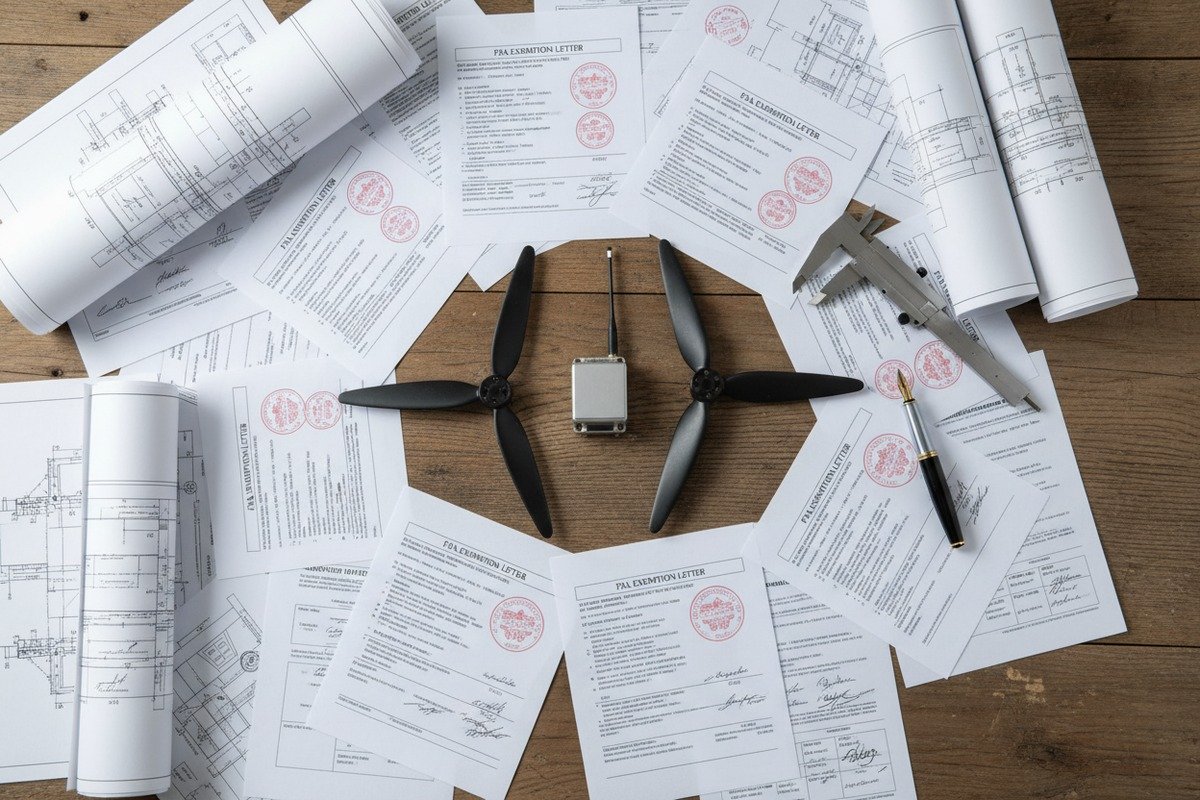
Common Customization Options
Not every supplier offers meaningful customization. Large manufacturers with in-house engineering teams provide more flexibility. When we work with customers on custom specifications, we can modify multiple aspects of our agricultural drones.
Available customization categories include:
- Tank capacity adjustments
- Spray system configurations
- Flight controller software parameters
- Battery capacity and endurance specifications
- Safety feature additions
- Branding and labeling requirements
Specification Documentation for Grant Applications
Grant programs often require detailed technical specifications. These specifications must match the equipment you actually receive. Our technical documentation team creates specification sheets that align with grant application requirements.
| Specification Category | Typical Parameters | Customization Range |
|---|---|---|
| Tank Capacity | 10-40 liters | Customer specified |
| Spray Speed | 15-30 mph | Adjustable |
| Swath Width | 3-8 meters | Nozzle dependent |
| Flight Endurance | 10-25 minutes | Battery options |
| Payload Capacity | 10-50 kg | Frame dependent |
| Operating Altitude | 2-15 meters | Software configurable |
Software Customization and Data Compliance
Many regions have specific data security and privacy requirements. Agricultural drones collect significant amounts of field data. Your grant program may require compliance with local data protection regulations.
Software customization addresses these concerns:
- Data storage location options
- Encryption standards compliance
- Integration with approved farm management platforms
- Reporting format specifications
When we develop custom software features, we document everything for grant compliance purposes.
Working with Your Supplier on Custom Requirements
Start the customization conversation early. Custom specifications require additional lead time. Share your grant program requirements directly with your supplier's engineering team.
Provide your supplier with:
- Complete grant program technical requirements
- Deadline dates for equipment delivery
- Any mandatory certification or testing requirements
- Specific documentation format needs
Our collaborative development process typically requires 4-8 weeks for custom specifications. Plan accordingly to meet your application deadlines.
OEM and Branding Services
Some grant programs prefer or require equipment from recognized brands. OEM services 8 allow you to brand equipment with your company identity while maintaining manufacturer quality standards.
OEM arrangements typically include:
- Custom logo placement
- Modified packaging design
- Branded user documentation
- White-label software options
This approach works well for distributors and dealers who need branded equipment for their local markets.
Conclusion
Verifying agricultural drone supplier credentials protects your subsidy investment. Collect all required certifications, confirm quality standards, verify export experience, and request customized specifications when needed. Taking these steps before purchase prevents application rejections and costly delays.
Footnotes
1. Official FAA page detailing how to become a certificated remote pilot, including Part 107 regulations. ↩︎
2. Provides details on the specific FAA certification for agricultural spraying activities. ↩︎
3. Official FAA page providing information on Section 44807 Special Authority for Certain Unmanned Aircraft Systems. ↩︎
4. Official source for the international standard for quality management systems. ↩︎
5. Official EU information on the mandatory conformity marking for products in the European Economic Area. ↩︎
6. Official WCO explanation of the document certifying the country of origin for goods in international trade. ↩︎
7. Official information from the World Customs Organization on the international system for classifying traded products. ↩︎
8. Wikipedia provides a comprehensive overview of Original Equipment Manufacturer (OEM) services and their role. ↩︎

 English
  Español de México
  Deutsch
  Français
  Русский
  العربية
