
When our production lines ship agricultural drones 1 overseas, we see firsthand how trade policies reshape buyer decisions US Section 301 tariffs 2. Rising tariff costs create real pain. Farmers who once expanded fleets now hesitate. The uncertainty hurts everyone.
US Section 301 tariffs add 7.5% to 25% or more on Chinese-made agricultural drones, significantly increasing landed costs for American buyers. These tariffs target finished drones and key components like semiconductors and batteries. Buyers must now budget 15-30% higher prices on average, affecting fleet purchases and ROI calculations.
Understanding these tariffs helps you plan smarter DDP (Delivered Duty Paid) shipping 3. Below, we break down how they affect your total costs, shipping options, value decisions, and supplier qualifications.
How will Section 301 tariffs affect my total landed cost for agricultural drones imported from China?
Our export team processes hundreds of US-bound shipments each year. We watch buyers struggle with unexpected costs at customs. The tariff math confuses many first-time importers. Getting it wrong means budget overruns.
Section 301 tariffs increase your total landed cost by 15-30% beyond the factory price. A $20,000 agricultural drone may cost $24,000-$26,000 after tariffs, shipping, and duties. Your landed cost includes factory price, ocean freight, insurance, standard HTSUS duties, and the additional Section 301 tariff percentage.
What Makes Up Your Total Landed Cost?
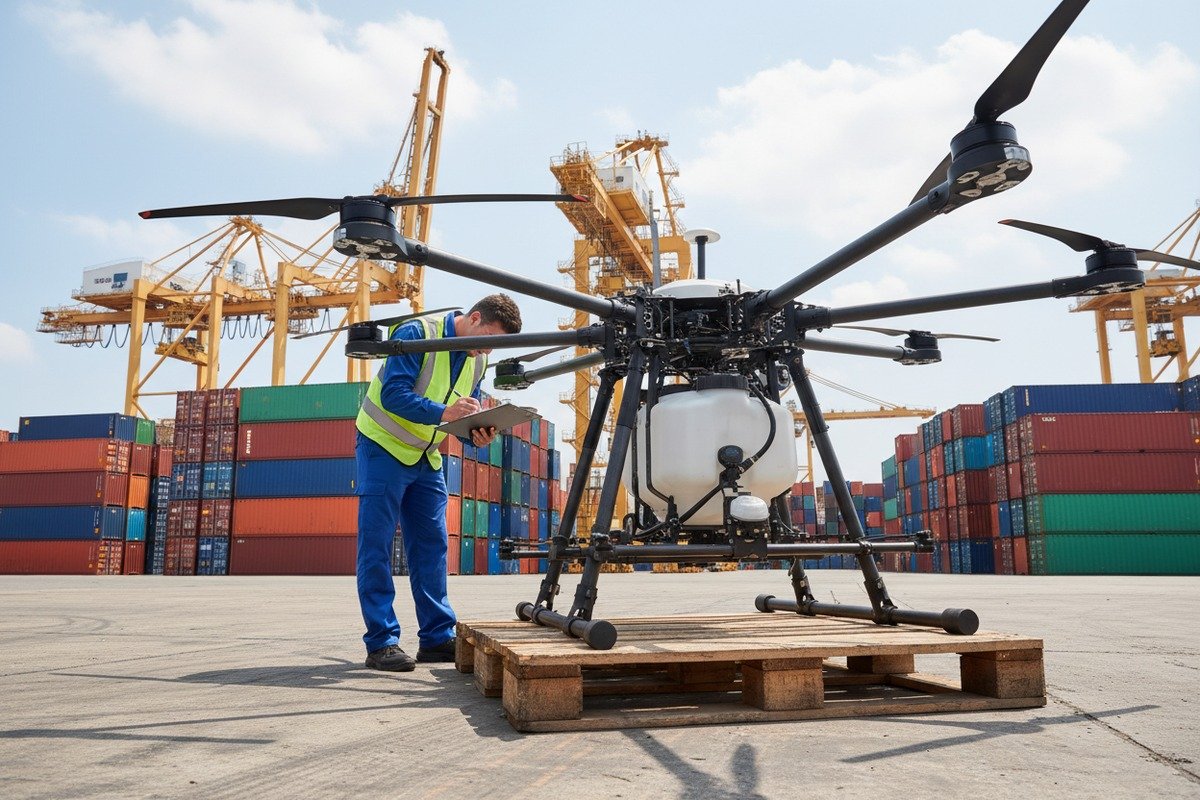
Total landed cost 4 is the true price you pay to get a drone to your warehouse. Many buyers only look at the factory quote. This mistake leads to budget problems.
Here are the main cost components:
- Factory Price (FOB): The price you pay the manufacturer
- Freight Cost: Ocean or air shipping charges
- Insurance: Usually 0.5-1% of cargo value
- Standard Import Duty: Based on HTSUS code 5 8806 for unmanned aircraft
- Section 301 Tariff: Additional 7.5-25% on qualifying Chinese products
- Customs Broker Fees: Processing and documentation charges
- Port Handling: Terminal fees and inspections
Calculating Your Real Numbers
Let us walk through a real example. Our SkyRover agricultural spraying drone has a factory price of $18,000 FOB Shanghai.
| Cost Component | Amount | Percentage of Base |
|---|---|---|
| Factory Price (FOB) | $18,000 | 100% |
| Ocean Freight | $800 | 4.4% |
| Insurance | $180 | 1% |
| Standard Duty (2.4%) | $456 | 2.5% |
| Section 301 Tariff (25%) | $4,614 | 25.6% |
| Customs Broker | $350 | 1.9% |
| Port Handling | $200 | 1.1% |
| Total Landed Cost | $24,600 | 136.7% |
This shows a 36.7% increase from the factory price. The Section 301 tariff alone adds over $4,600. Without this tariff, your landed cost would drop to roughly $20,000.
Component-Level Tariff Impact
Tariffs do not just hit finished drones. They also affect replacement parts and components. When we ship spare batteries, motors, or flight controllers separately, each item faces its own tariff assessment.
| Component | Typical Cost | Estimated Tariff | Post-Tariff Cost |
|---|---|---|---|
| LiPo Battery Pack 6 | $1,200 | 25% | $1,500 |
| Brushless Motor | $180 | 7.5% | $194 |
| Flight Controller | $450 | 25% | $563 |
| Carbon Fiber Frame | $800 | 7.5% | $860 |
| Spray System | $2,500 | 25% | $3,125 |
These component tariffs matter for long-term maintenance planning. Spare parts over time can exceed your initial drone cost.
How Tariff Uncertainty Affects Budgeting
The July 2025 USTR drone investigation remains ongoing. Final rates are not yet set. Current estimates range from the existing 7.5-25% up to potentially 50% or higher by 2027.
Smart buyers are taking action now. Some pre-purchase drones before potential hikes. Others stockpile critical spare parts. A few explore drone-as-a-service models to shift ownership risks.
Our recommendation: Build a 15-20% contingency buffer into your drone budget. This protects you against sudden tariff increases while USTR finalizes its investigation.
Can I find a manufacturer that offers DDP shipping to help me manage the complexity of these US import taxes?
Our logistics team handles DDP shipments daily. We navigate customs paperwork, tariff classifications, and delivery scheduling. Many buyers come to us overwhelmed by import complexity. They need a simpler path.
Yes, many established Chinese manufacturers offer DDP (Delivered Duty Paid) shipping for US agricultural drone orders. DDP means the manufacturer handles all shipping, customs clearance, and tariff payments. You receive a single all-inclusive price with no surprise fees at delivery. This simplifies budgeting and removes customs headaches.

What DDP Shipping Actually Means
DDP is an Incoterm 8 that places maximum responsibility on the seller. When we quote DDP pricing, we handle:
- Export documentation from China
- Ocean or air freight booking
- US customs entry filing
- All duty and tariff payments
- Last-mile delivery to your door
You receive the drone at your facility. No customs broker meetings. No surprise duty invoices. No port pickup hassles.
DDP vs. Other Shipping Terms
Understanding shipping terms helps you choose the right option for your situation.
| Incoterm | Seller Responsibility | Buyer Responsibility | Best For |
|---|---|---|---|
| EXW (Ex Works) | Make goods available at factory | All shipping, customs, duties | Experienced importers with logistics teams |
| FOB (Free On Board) | Delivery to port, export clearance | Ocean freight, import duties | Buyers with freight forwarder relationships |
| CIF (Cost, Insurance, Freight) | Delivery to US port, freight paid | Import customs, duties, inland transport | Mid-level importers |
| DDP (Delivered Duty Paid) | Everything until delivery | Nothing | First-time importers, busy buyers |
Benefits of DDP for Tariff Management
Working with a DDP supplier offers specific advantages during tariff uncertainty:
Predictable Costs: Your quote includes all tariffs. No calculation errors. No surprise bills three weeks after delivery.
Expert Classification: We classify products daily. We know which HTSUS codes apply. Incorrect classification can mean overpaying or facing penalties.
Documentation Accuracy: Section 301 requires specific documentation. Mistakes cause delays and penalties. Our team handles this routinely.
Cash Flow Timing: With DDP, you pay one invoice upfront. With other terms, you pay the factory, then freight, then duties separately. DDP simplifies accounting.
Finding Reliable DDP Suppliers
Not every manufacturer offers true DDP service. Some quote DDP but lack US import experience. Here is how to verify capabilities:
Ask these questions:
- How many DDP shipments have you completed to the US this year?
- Do you have a US-based customs broker partner?
- Can you show sample commercial invoice 9s with tariff line items?
- What happens if customs delays the shipment?
- Do you handle Section 301 tariff payments directly?
Request references from US customers. A manufacturer with real DDP experience will provide them.
The True Cost of DDP
DDP quotes are typically 5-10% higher than FOB quotes. This premium covers the manufacturer's risk, expertise, and cash outlay for duties.
However, DDP often saves money overall. First-time importers frequently make costly mistakes. Wrong classifications, missing documents, and storage fees add up. The DDP premium buys expertise that prevents these problems.
When our engineers design agricultural drones, they balance performance against cost. We know that tariffs multiply every dollar of product value. A $15,000 drone and a $30,000 drone face very different tariff bills. But cheaper is not always better.
Yes, premium agricultural drones with superior flight endurance and durability often justify the additional tariff expense. Longer flight times reduce passes per field. Better durability means fewer repairs and less downtime. Over a 3-5 year fleet lifespan, premium drones frequently deliver lower total cost of ownership despite higher upfront tariff payments.
Understanding Total Cost of Ownership
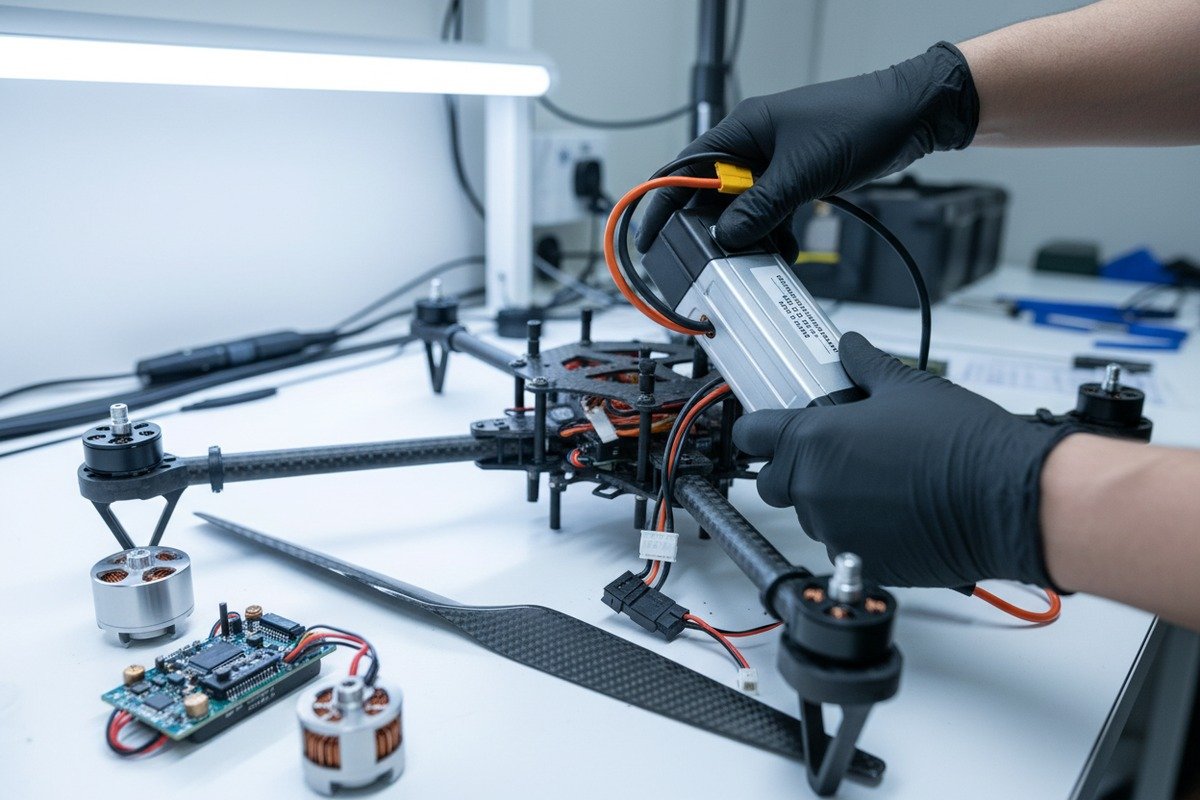
Purchase price plus tariffs is only your starting cost. The real measure is total cost of ownership (TCO) 10 over the drone's useful life.
TCO includes:
- Initial purchase with tariffs
- Spare parts and replacements
- Maintenance labor
- Downtime losses
- Training costs
- Insurance premiums
Premium drones often win on TCO despite losing on purchase price.
Flight Endurance ROI Analysis
Our SkyRover agricultural drones offer 45-minute flight endurance. Budget alternatives typically provide 20-25 minutes. This difference matters enormously in the field.
Consider a 500-acre spraying job:
| Metric | Budget Drone (25 min) | Premium Drone (45 min) |
|---|---|---|
| Flight Time per Charge | 25 minutes | 45 minutes |
| Acres per Flight | 40 acres | 72 acres |
| Flights Needed for 500 Acres | 13 flights | 7 flights |
| Battery Swaps | 12 | 6 |
| Total Operation Time | 8 hours | 5 hours |
| Labor Cost ($50/hour) | $400 | $250 |
Over a season with 10,000 acres, the premium drone saves 60+ hours of labor. That is $3,000+ in direct labor savings annually.
Durability Impact on Tariff Math
Durability affects how often you replace components. Every replacement part faces import duties. A drone that breaks less costs less in tariffed spare parts.
Our field data shows durability differences:
| Component | Budget Drone Replacement Rate | Premium Drone Replacement Rate | Annual Parts Cost Difference |
|---|---|---|---|
| Motors | Every 200 flight hours | Every 500 flight hours | $800 savings |
| Propellers | Monthly | Quarterly | $600 savings |
| Battery Pack | Annual replacement | 18-month lifespan | $500 savings |
| Frame Components | 2-3 repairs annually | Rare repairs | $400 savings |
Premium drones save roughly $2,300 annually in spare parts. Those savings include avoiding tariffs on replacement shipments.
The Fleet Scaling Question
Tariffs hit hardest when scaling your fleet. Each additional drone multiplies your tariff exposure. Premium drones let you cover more acres with fewer units.
Example fleet comparison for 5,000-acre operation:
Budget Approach: 5 drones at $12,000 each = $60,000 factory cost
- With 25% tariff: $75,000 landed cost
- Coverage: 1,000 acres per drone per season
Premium Approach: 3 drones at $22,000 each = $66,000 factory cost
- With 25% tariff: $82,500 landed cost
- Coverage: 1,800 acres per drone per season
The premium fleet costs $7,500 more initially. But you have fewer units to maintain, insure, and eventually replace. Over five years, the premium approach typically saves $15,000-$25,000 in total fleet costs.
When Budget Makes Sense
Premium is not always the right choice. Budget drones make sense when:
- You are testing the ag drone market before committing
- Your operation is under 500 acres annually
- You have strong in-house repair capabilities
- Cash flow constraints outweigh long-term savings
- Tariff uncertainty makes you hesitant to invest heavily
Evaluate your specific situation. Our team helps buyers model their ROI based on actual operation parameters.
How can I verify that my supplier has the right export experience to handle Section 301 documentation requirements?
Our export documentation team processes shipments weekly. We know exactly which forms customs requires. We have seen competitors lose shipments to documentation errors. Buyers suffer costly delays when suppliers lack experience.
Verify supplier export experience by requesting sample documentation, checking US import references, confirming customs broker partnerships, and asking about specific Section 301 compliance procedures. Experienced exporters readily provide commercial invoices with proper HTSUS codes, certificates of origin, and detailed packing lists that meet US Customs requirements.

Essential Documentation for Section 301 Compliance
US Customs requires specific documents for Chinese agricultural drone imports. Missing or incorrect documents cause delays, penalties, and storage fees.
Required documents include:
Commercial Invoice: Must show detailed product descriptions, HTSUS codes, country of origin, and transaction value. Section 301 tariffs require accurate value reporting.
Packing List: Item-by-item breakdown matching the commercial invoice. Weight, dimensions, and serial numbers for each unit.
Certificate of Origin: Confirms manufacturing country. Critical for Section 301 determination.
Bill of Lading: Shipping document proving cargo details and routing.
ISF Filing (10+2): Importer Security Filing required 24 hours before vessel departure to US.
Red Flags in Supplier Documentation
Watch for these warning signs that indicate inexperience:
- Vague product descriptions ("drone" instead of "unmanned aircraft for agricultural spraying, HTSUS 8806.29.0000")
- Missing or incorrect HTSUS codes
- Inconsistent values across documents
- No country of origin statement
- Handwritten or unprofessional formatting
- Reluctance to provide sample documents
Questions to Ask Potential Suppliers
Create a qualification checklist. Ask these questions before placing orders:
Export History
- How many shipments have you completed to the US in 2025?
- What percentage of your production goes to North America?
- Can you provide three US customer references?
Documentation Capabilities
- Do you prepare commercial invoices in-house?
- Who handles your HTSUS classification?
- Can you show a sample packing list from a recent US shipment?
Customs Partnerships
- Do you work with a US customs broker?
- What is your process for ISF filing?
- How do you handle customs holds or examinations?
Section 301 Specific
- Are you familiar with Section 301 tariff requirements?
- How do you document country of origin for component-heavy products?
- What is your process when tariff rates change mid-shipment?
Verification Methods That Work
Do not just accept supplier claims. Verify independently:
Request Sample Documents: Ask for redacted copies of recent US shipment documents. Check formatting, completeness, and professionalism.
Contact References: Actually call the US references provided. Ask about documentation accuracy and customs experiences.
Check Import Records: Public databases like ImportGenius show US import history. Search for the supplier's name to verify claimed export volume.
Test with Small Order: Before committing to a large purchase, place a small trial order. Evaluate the actual documentation received against requirements.
Our Documentation Standards
At our facility, we maintain strict documentation protocols. Every shipment includes:
- Computer-generated commercial invoice with dual-language descriptions
- Itemized packing list with photographs
- Original certificate of origin from China Chamber of Commerce
- Pre-filed ISF documentation
- Section 301 tariff line item clearly stated
- Copy of previous customs clearance records for reference
We assign a dedicated documentation specialist to each US order. This person remains your contact from order confirmation through delivery confirmation.
Building Long-Term Supplier Relationships
Documentation quality improves with relationship depth. First orders may require extra attention. Subsequent orders become smoother as both sides learn preferences and requirements.
Invest time upfront in supplier qualification. The effort pays off in reduced customs delays, fewer penalties, and predictable landed costs throughout your purchasing relationship.
Conclusion
Section 301 tariffs significantly affect agricultural drone purchasing from China. Understanding your total landed cost, choosing DDP shipping when appropriate, investing in quality for long-term savings, and verifying supplier documentation capabilities will help you navigate this complex landscape successfully.
Footnotes
1. FAO overview of drone applications and benefits in agriculture. ↩︎
2. Official USTR information on Section 301 investigations and actions. ↩︎
3. Official definition of DDP under Incoterms 2020 rules from ICC. ↩︎
4. Explains the components and importance of calculating total landed cost. ↩︎
5. Official source for the Harmonized Tariff Schedule of the United States. ↩︎
6. Provides technical details and applications of Lithium Polymer batteries. ↩︎
7. Replaced HTTP 403 with the official U.S. Code of Federal Regulations (CFR) for country of origin marking, an authoritative government source. ↩︎
8. Official resource for understanding International Commercial Terms (Incoterms). ↩︎
9. Official US Customs information on required import documents, including commercial invoices. ↩︎
10. Explains the comprehensive financial estimate of an asset’s total cost. ↩︎

 English
  Español de México
  Deutsch
  Français
  Русский
  العربية
