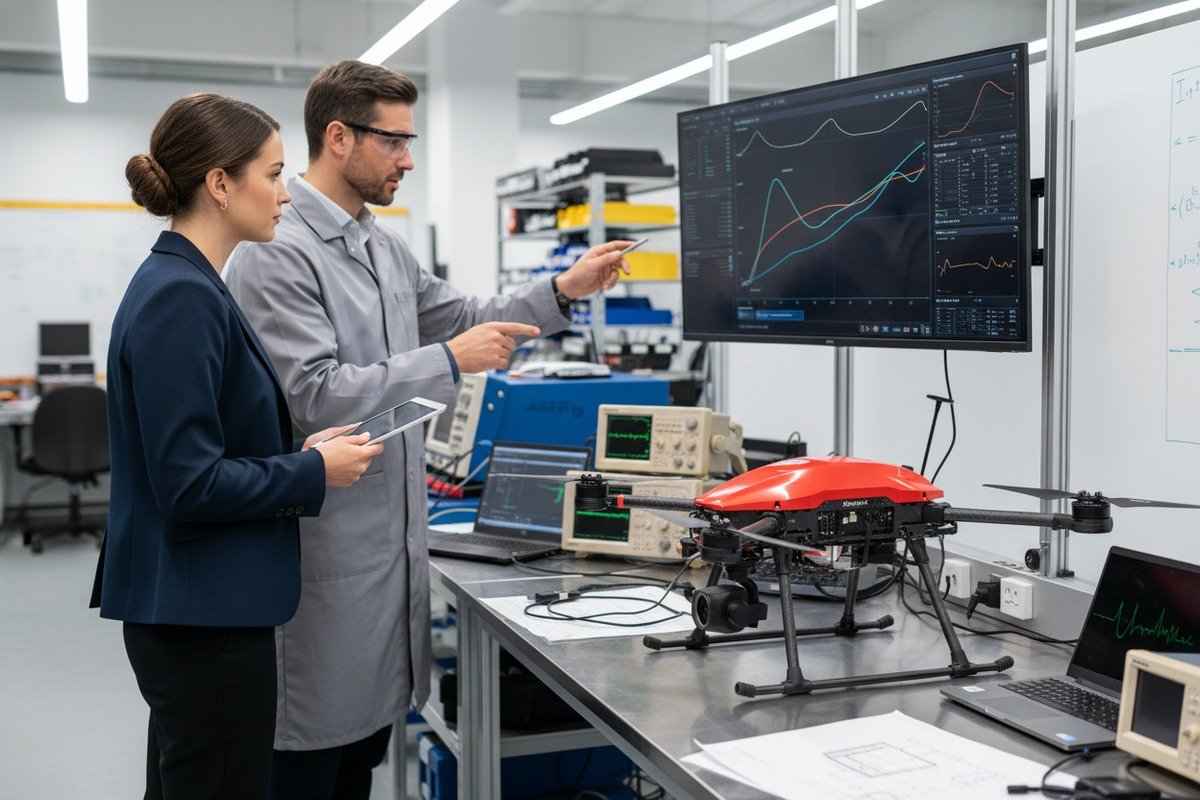
When our engineering team developed the first generation of firefighting drones 1, we learned a hard lesson. A unit crashed during a wildfire operation, and the client had no idea how to retrieve the flight data 2. The confusion cost valuable time. Since then, we have built clear protocols for post-crash analysis into every drone we ship.
To inquire about post-crash black box analysis for firefighting drones, contact your drone manufacturer’s technical support team first. Then notify relevant aviation authorities if required. Provide all flight logs, incident reports, and physical components. Manufacturers like us offer comprehensive engineering reports to identify failure causes and improve safety protocols.
This guide walks you through every step of the process black box data analysis 3. We cover how to initiate formal requests, what documents you need, how manufacturers support investigations, and how findings can enhance your future operations.
How do I initiate a formal request for a black box data analysis after a firefighting drone incident?
After a crash, time matters. At our factory, we receive urgent calls from fire departments weekly. They want answers fast. But many do not know where to start. The request process can feel overwhelming without clear guidance.
Initiate a formal request by contacting your drone manufacturer’s technical support within 48 hours of the incident. Simultaneously report the crash to aviation authorities if required by local regulations. Preserve all physical components and document the crash site thoroughly before moving any debris.
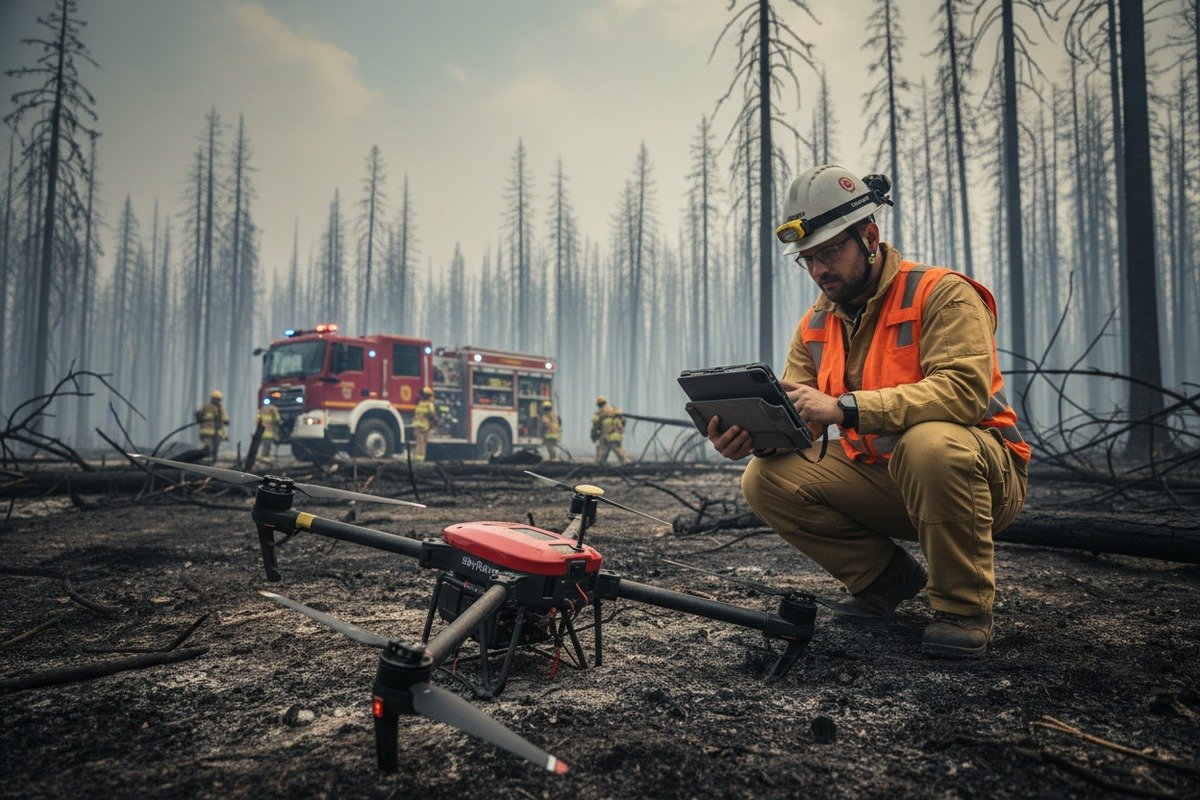
Step 1: Secure the Crash Site
The first action is always site preservation. Do not move drone components until you have photographed everything. Our engineers stress this point constantly. Moving parts before documentation can destroy critical evidence.
Take photos from multiple angles. Record GPS coordinates. Note weather conditions, visibility, and any obstacles. This information becomes essential for the analysis team later.
Step 2: Contact Your Manufacturer
Reach out to the manufacturer's technical support team immediately. When customers contact our support line, we assign a dedicated engineer within 24 hours. Most reputable manufacturers have similar protocols.
Provide the drone serial number, purchase date, and a brief incident description. Ask specifically about their black box data recovery services. Some manufacturers offer this free under warranty. Others charge a fee for post-warranty units.
Step 3: Notify Relevant Authorities
Depending on your jurisdiction, you may need to report the crash to aviation authorities 4. In the United States, the FAA requires notification for certain drone incidents. Check your local regulations carefully.
| Authority | When to Notify | Typical Response Time |
|---|---|---|
| FAA (USA) | Serious injury or property damage over $500 | 10 days for written report |
| NTSB (USA) | Fatal accidents or major property damage | Immediate notification required |
| Local Fire Department | All operational crashes | Same day documentation |
| Manufacturer | All crashes | 24-48 hours for initial response |
Step 4: Establish Chain of Custody
Chain of custody 5 matters for legal and forensic purposes. Document who handles each component and when. Use sealed bags for small parts. Label everything clearly.
This step protects you if the investigation reveals manufacturer defects. It also protects the manufacturer if operator error caused the crash. Both parties benefit from proper documentation.
Step 5: Submit the Formal Request
Most manufacturers have online portals or email forms for incident reports. We use a standardized form that captures all essential information. Complete every field thoroughly. Incomplete requests delay the entire process.
Include a signed authorization allowing the manufacturer to access and analyze the flight data. Without this authorization, data recovery cannot proceed due to privacy regulations.
What technical documentation and flight logs must I submit to ensure a thorough post-crash investigation?
When we receive investigation requests at our facility, incomplete documentation is the biggest bottleneck. Missing logs delay analysis by weeks. Fire departments lose valuable time waiting for answers. Proper preparation prevents these delays.
Submit the physical flight controller, all SD cards, the remote controller, complete flight logs from ground control stations, pre-flight checklists, maintenance records, and a detailed incident report. Include environmental data such as temperature, humidity, wind speed, and any electromagnetic interference sources noted during operation.

Physical Components to Preserve
The flight controller 6 is the most critical component. It contains the primary flight data recorder. Handle it carefully. Do not attempt to power it on after a crash. Water or fire damage can corrupt data if power flows through damaged circuits.
SD cards and memory modules often survive crashes intact. Even if the drone burned, these components may contain recoverable data. Send them in anti-static bags.
Essential Documentation Package
| Document Type | Purpose | Format |
|---|---|---|
| Flight Logs (GCS) | Reconstructs flight path and commands | Digital export file |
| Pre-flight Checklist | Confirms proper preparation | Signed PDF or scan |
| Maintenance Records | Shows component service history | Spreadsheet or database export |
| Incident Report | Provides narrative context | Written statement |
| Weather Data | Establishes environmental conditions | Official weather service report |
| Witness Statements | Corroborates timeline and observations | Signed written statements |
Ground Control Station Data
Your ground control station stores valuable telemetry data. Export all logs from the mission date. Include logs from previous flights if the crash involved a recurring issue.
Our analysis team cross-references GCS data with onboard flight recorder data. Discrepancies between the two often reveal communication failures or signal interference.
Maintenance and Service History
Provide complete maintenance records. When did technicians last service the motors? When was the battery replaced? Were firmware updates applied recently?
We have identified firmware bugs through post-crash analysis. In one case, a recent update caused GPS drift under specific temperature conditions. The maintenance records led us directly to the root cause.
Environmental Documentation
Fire environments create unique challenges. Thermal updrafts, smoke interference, and electromagnetic fields from firefighting equipment can all affect drone performance.
Document everything observable. Was the drone operating near radio transmitters? Were other aircraft in the area? Did the fire produce unusual smoke patterns?
Incident Narrative
Write a clear, chronological narrative of the incident. Start with mission briefing. Describe the flight profile. Note when anomalies first appeared. Explain what actions the operator took.
Honest narratives produce better outcomes. If the operator made an error, acknowledging it helps the analysis team understand the full picture. We never use this information punitively against customers.
Can my drone manufacturer provide a comprehensive engineering report to help me understand the root cause of the failure?
Our customers frequently ask about engineering reports 7. They need clear documentation for insurance claims, regulatory compliance, and internal reviews. The answer is yes—reputable manufacturers provide detailed reports. But the quality and depth vary significantly across the industry.
Yes, most established drone manufacturers provide comprehensive engineering reports after post-crash analysis. These reports typically include flight data reconstruction, component failure analysis, root cause determination, and recommendations for preventive measures. Request this service explicitly when initiating your investigation and clarify report timelines and costs upfront.

What Engineering Reports Include
At our company, standard engineering reports contain several sections. The executive summary gives a quick overview for management. The technical analysis dives deep into flight data. The conclusions section states the root cause clearly.
Reports also include visual reconstructions. Our engineers create 3D flight path models showing exactly what happened. These visuals help non-technical stakeholders understand complex failures.
Report Components Breakdown
| Report Section | Contents | Primary Audience |
|---|---|---|
| Executive Summary | Key findings and conclusions | Management, legal teams |
| Flight Data Analysis | Speed, altitude, attitude, GPS data | Technical teams |
| Component Inspection | Physical examination results | Maintenance personnel |
| Root Cause Determination | Primary and contributing factors | All stakeholders |
| Recommendations | Preventive measures and protocol changes | Operations teams |
| Supporting Data | Raw logs, photos, test results | Engineers, investigators |
Timeline Expectations
Comprehensive analysis takes time. Simple mechanical failures may be diagnosed within two weeks. Complex software issues or multi-factor incidents can require six weeks or longer.
We provide preliminary findings within five business days for urgent cases. This preliminary report identifies obvious issues. The full engineering report follows after complete analysis.
Cost Considerations
Cost structures vary by manufacturer and incident complexity. Some manufacturers include post-crash analysis in extended warranty packages. Others charge separately.
For firefighting drones, analysis costs typically range from $1,500 to $5,000 depending on damage severity and analysis depth required. Budget for this expense in your operational planning.
Using Reports for Insurance Claims
Insurance companies require documentation. Engineering reports from manufacturers carry significant weight. They provide independent technical analysis that adjusters can rely upon.
Request that your manufacturer format the report for insurance submission. Include clear statements about whether the failure resulted from manufacturing defects, operational error, or external factors.
Manufacturer Accountability
Good manufacturers stand behind their analysis. If the report reveals a design flaw or manufacturing defect, they should offer remediation. This might include free repairs, component replacements, or refunds.
We have issued product recalls based on post-crash analysis findings. When patterns emerge across multiple incidents, responsible manufacturers act proactively.
How will the black box analysis findings assist me in optimizing the safety protocols for my future drone operations?
Every crash teaches lessons. In our experience working with fire departments across the United States and Europe, agencies that integrate black box findings into their protocols see measurable safety improvements. Those that file reports and forget them repeat the same mistakes.
Black box analysis findings directly improve safety protocols by revealing failure patterns, identifying training gaps, validating maintenance schedules, and highlighting environmental risk factors. Use these findings to update pre-flight checklists, revise operating procedures, enhance pilot training programs, and inform procurement decisions for future drone acquisitions.

Identifying Training Gaps
Flight data often reveals operator behaviors that contributed to incidents. Did the pilot exceed recommended flight parameters? Did they ignore warning signals? Were manual overrides used inappropriately?
Our analysis reports include operator action timelines. Fire department training officers use these timelines to develop targeted training scenarios. Real incident data makes training more relevant and impactful.
Validating Maintenance Schedules
Black box data shows component performance over time. Degradation patterns emerge. Battery capacity decline, motor efficiency loss, and sensor drift all leave signatures in flight data.
Use this information to validate or adjust maintenance schedules. If data shows motors failing before recommended service intervals, shorten those intervals. If components consistently exceed their rated lifespan, extend schedules accordingly.
Environmental Risk Assessment
Firefighting operations expose drones to extreme conditions. Heat, smoke, updrafts, and electromagnetic interference all create risks. Black box analysis quantifies these risks.
One analysis we conducted revealed that thermal updrafts above 150 degrees Celsius consistently caused altitude control issues. The client updated their operating procedures to maintain greater distance from active fire fronts.
Protocol Improvement Framework
| Finding Category | Protocol Update | Implementation Timeline |
|---|---|---|
| Pilot Error | Revised training curriculum | 30 days |
| Maintenance Gap | Updated service schedule | 14 days |
| Environmental Factor | New operational limits | 7 days |
| Software Bug | Firmware update deployment | Upon manufacturer release |
| Design Flaw | Fleet inspection and retrofit | Manufacturer-directed |
Building Institutional Knowledge
Document every incident and its findings. Create a searchable database. When planning new missions, review past incidents with similar conditions.
Institutional knowledge compounds over time. Agencies with robust incident databases make better operational decisions. They avoid known hazards and anticipate potential problems.
Informing Future Procurement
Analysis findings should influence purchasing decisions. If certain components fail repeatedly, specify alternatives in future procurements. If specific environmental conditions cause problems, select drones designed for those conditions.
We work with customers to incorporate lessons learned into custom drone configurations. This collaboration produces more reliable systems tailored to specific operational environments.
Continuous Improvement Cycle
Safety improvement is ongoing. Each incident adds data. Each analysis refines understanding. Each protocol update reduces future risk.
Establish regular review cycles. Quarterly reviews work well for most agencies. Examine all incidents, identify patterns, and update protocols systematically.
Conclusion
Post-crash black box analysis transforms incidents into learning opportunities. Follow the steps outlined above. Preserve evidence, submit complete documentation, request comprehensive engineering reports, and integrate findings into your safety protocols 8. Your operations will become safer and more reliable over time.
Footnotes
1. Replaced HTTP 404 with a relevant industry blog post discussing drone technology for wildfire suppression. ↩︎
2. Explains what flight data recorders are and their purpose in accident investigation. ↩︎
3. Illustrates a real-world example of NTSB retrieving and analyzing black box data. ↩︎
4. Lists international aviation authorities and their role in regulating air travel. ↩︎
5. Defines the legal and forensic concept of chain of custody for evidence integrity. ↩︎
6. Explains the function and importance of a drone’s flight controller as its “brain.” ↩︎
7. Describes the importance and typical components of a failure analysis engineering report. ↩︎
8. Replaced HTTP 405 with an authoritative FAA page providing comprehensive information on Unmanned Aircraft Systems (UAS) and safety guidelines. ↩︎

 English
  Español de México
  Deutsch
  Français
  Русский
  العربية
