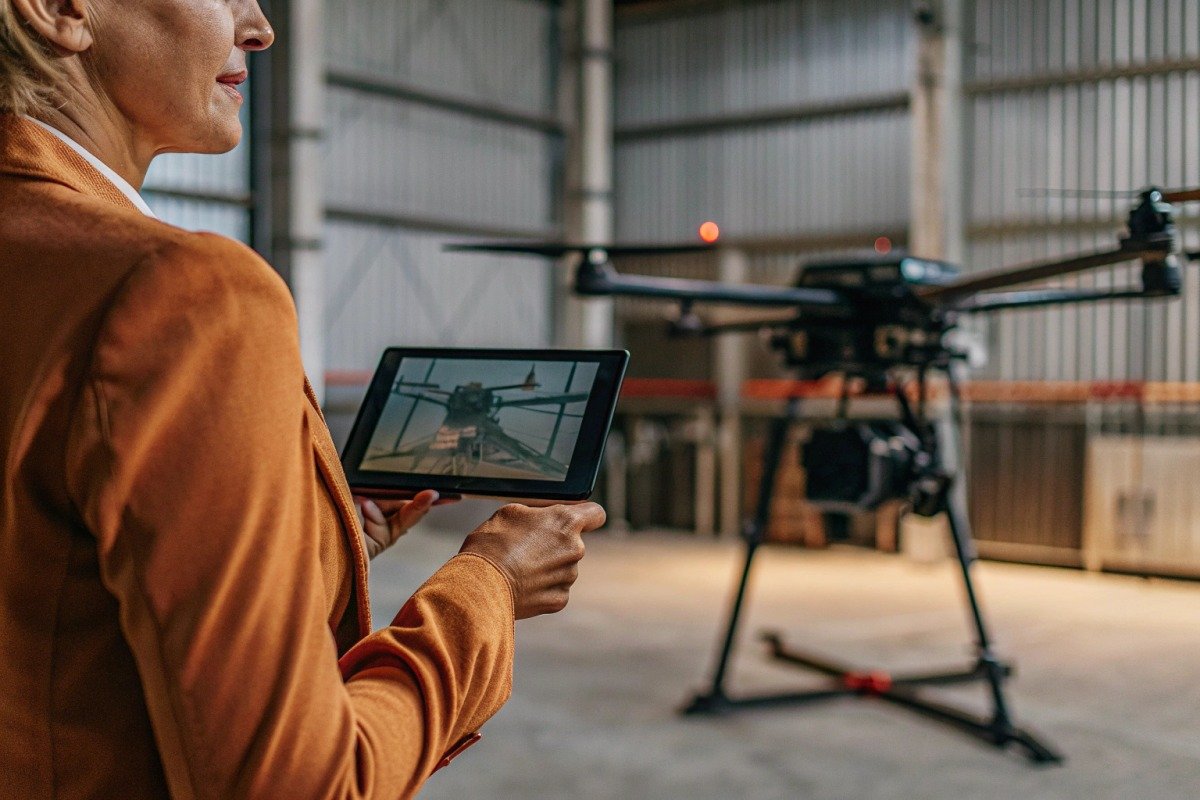
When our engineering team first developed terrain-following algorithms 1 for firefighting drones, we quickly learned that not all smart follow features perform equally in real emergencies. Many procurement managers struggle to ask the right questions when evaluating suppliers.
To ask suppliers about smart follow features for firefighting rescue drones, request live demonstrations in simulated smoke conditions, demand technical documentation on AI algorithms and sensor specifications, verify integration capabilities with your command systems, and confirm battery impact data with endurance test reports.
This guide breaks down the essential questions you need to ask. We will cover reliability verification, software customization, battery impact, and technical support requirements. Let us help you make informed purchasing decisions.
How can I verify if the smart follow feature works reliably in high-smoke firefighting environments?
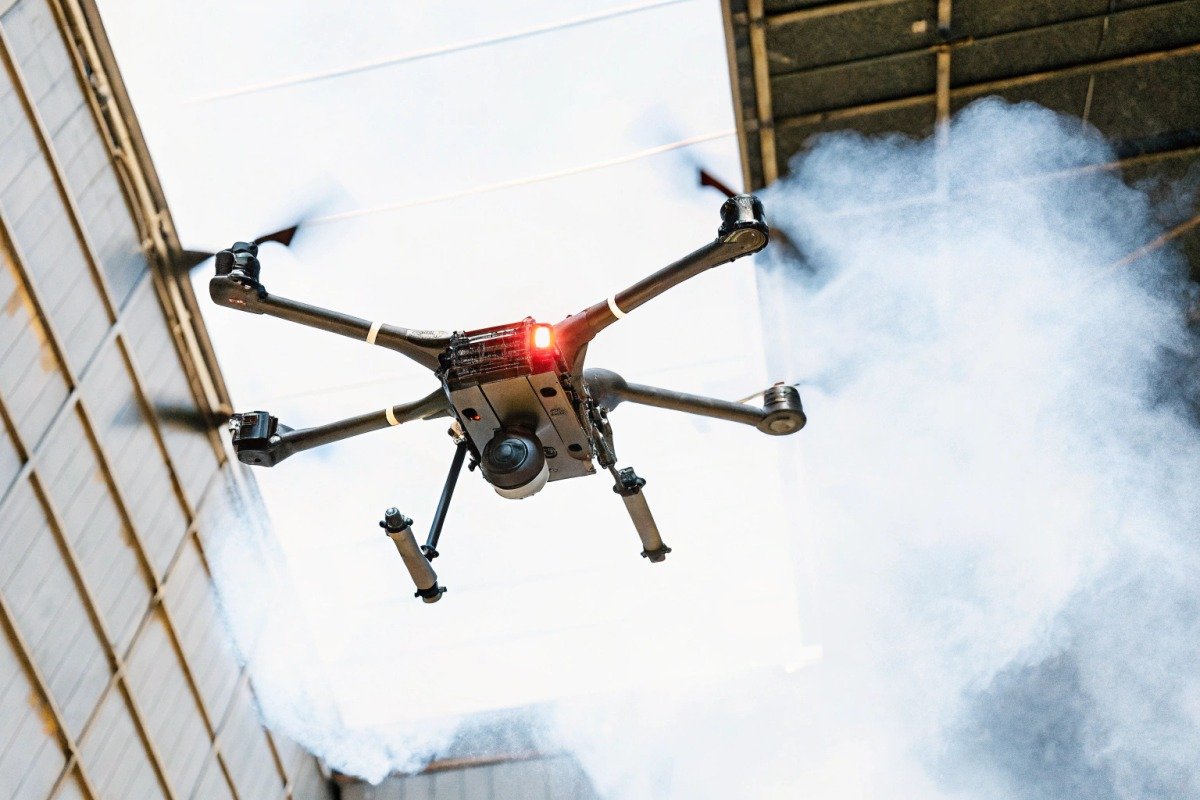
Smoke-filled environments represent the toughest test for any drone's tracking system. Our quality control team runs extensive smoke chamber tests before shipping any firefighting drone. Yet many buyers never think to request this proof from their suppliers.
To verify smart follow reliability in high-smoke environments, ask suppliers for test footage from controlled smoke simulations, request sensor specification sheets detailing infrared and LiDAR capabilities, and demand fail-safe protocol documentation including return-to-home triggers and manual override response times.
Understanding Smoke Interference on Drone Sensors
Smoke creates multiple challenges for drone tracking systems. Optical cameras lose visibility quickly. GPS signals can weaken in dense smoke plumes. Standard ultrasonic sensors often fail when particles block their readings.
Our engineers have found that thermal imaging sensors 2 paired with LiDAR provide the most reliable tracking in low-visibility conditions. Thermal cameras detect heat signatures through smoke. LiDAR 3 uses laser pulses that penetrate moderate smoke better than visible light.
When speaking with suppliers, ask these specific questions:
| Question Category | Specific Questions to Ask | Why It Matters |
|---|---|---|
| Sensor Type | What sensors power your smart follow feature? Do you use IR, LiDAR, or vision-based systems? | Different sensors perform differently in smoke |
| Smoke Testing | Can you provide video of smart follow working in smoke chamber tests? | Proves real-world capability |
| Fail-Safe Systems | What happens when sensors lose the target in heavy smoke? | Prevents drone loss and crashes |
| Recovery Protocol | How quickly does the system attempt to reacquire a lost target? | Critical for continuous rescue operations |
Testing Methods You Should Request
Ask your supplier if they conduct standardized smoke penetration tests. Request documentation showing detection accuracy at various smoke densities. Our testing protocols measure target tracking at 25%, 50%, and 75% visibility reduction levels.
Suppliers should also demonstrate GPS-denied navigation 4 capabilities. In structural fires, GPS signals may be blocked by buildings. Quality drones use visual odometry 5 as backup navigation. This means the drone tracks its position using camera feeds when GPS fails.
Red Flags to Watch For
Be cautious if suppliers cannot provide specific sensor specifications. Vague claims like "advanced AI tracking" without technical details suggest limited actual capability. Also question suppliers who only show outdoor demonstration videos. Indoor and smoke-filled tests reveal true performance limits.
Can I customize the smart follow software to integrate with my existing emergency response systems?
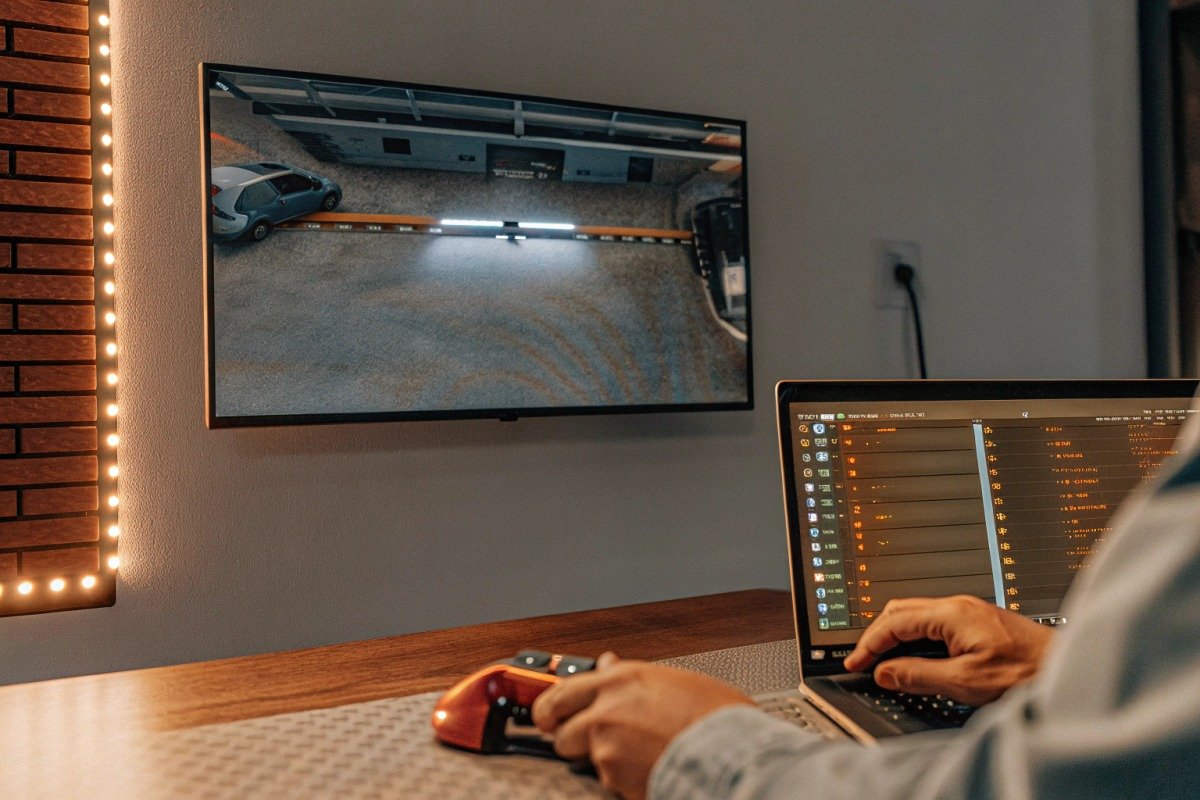
Integration headaches cause real problems for fire departments and emergency services. Our development team works closely with clients who need their drones to communicate with existing command center software. Not all suppliers offer this flexibility.
Yes, you can customize smart follow software for system integration, but you must verify the supplier offers API access, supports common data protocols like MAVLink or REST APIs, provides SDK documentation, and has engineering staff available for custom development projects.
Key Integration Points to Discuss
Emergency response systems vary widely. Some departments use proprietary incident command software. Others rely on standard GIS mapping tools. Your drone's smart follow data needs to flow seamlessly into these existing platforms.
Start by mapping your current technology stack. Then ask suppliers about compatibility with each system. Here is a framework for organizing these questions:
| Your Existing System | Integration Question | Technical Requirement |
|---|---|---|
| GIS Mapping Software | Can drone position data export in standard GIS formats? | KML, GeoJSON, or Shapefile support |
| Incident Command Software | Does your system offer real-time data streaming APIs? | REST API or WebSocket connections |
| Radio Communication Systems | Can drone telemetry broadcast on existing frequencies? | Frequency compatibility and licensing |
| Video Management Systems | What video streaming protocols do you support? | RTSP, RTMP, or WebRTC capability |
Software Development Kit Access
Ask whether the supplier provides an SDK for custom development. Our engineering team publishes comprehensive SDK documentation for clients who need deep integration. This allows your IT staff or contractors to build custom interfaces.
Without SDK access, you depend entirely on the supplier for any modifications. This creates bottlenecks and ongoing costs. Request sample SDK documentation before purchasing. Review it with your technical team.
Data Format and Protocol Standards
Smart follow features generate continuous streams of data. Position coordinates, target tracking status, altitude, and speed all flow from the drone. This data must arrive in formats your systems can read.
Ask about MAVLink protocol 6 support. This open standard works with many ground control stations. Also inquire about data logging formats and export options. Some departments need detailed flight records for legal documentation or after-action reviews.
Custom Development Timelines and Costs
If standard integration options do not meet your needs, discuss custom development. Our team typically quotes 4-8 weeks for moderate integration projects. Complex multi-system integrations may take longer.
Get written estimates before committing. Ask for references from similar integration projects. Speak directly with those customers about their experience.
What questions should I ask about how smart follow impacts the drone's flight endurance and battery life?
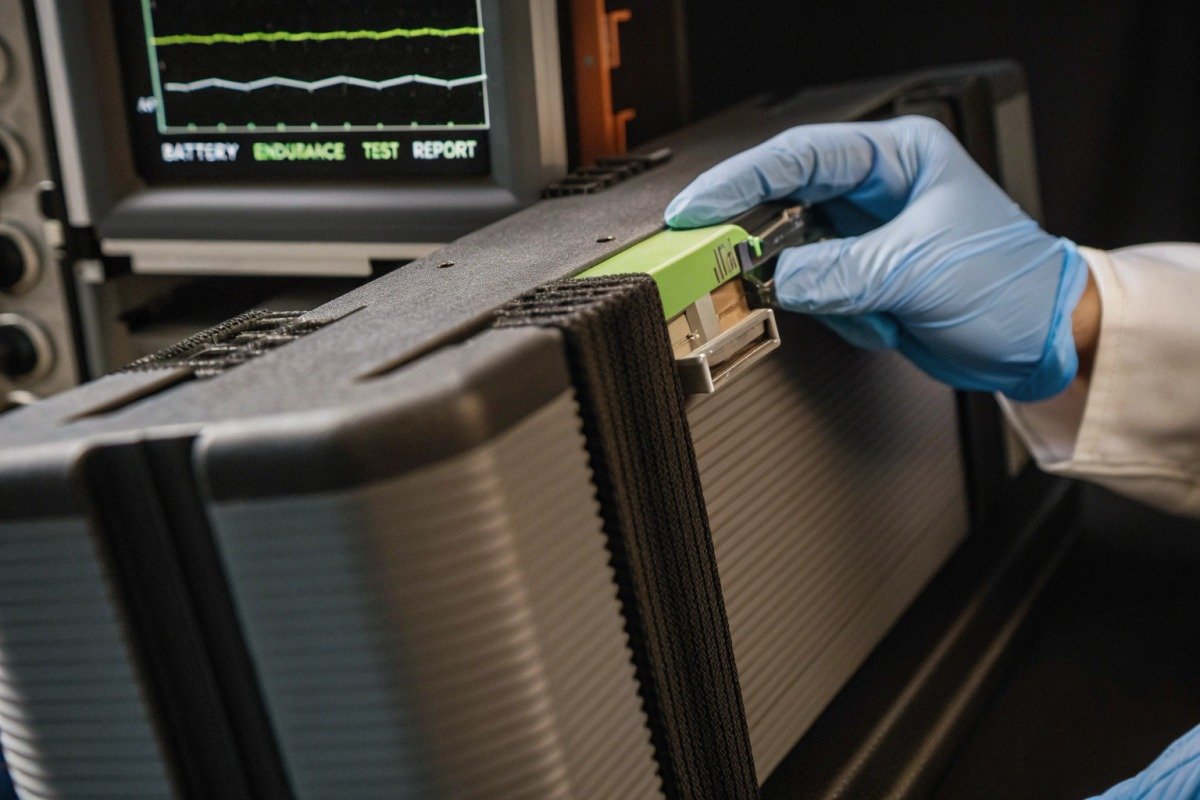
Battery life determines mission success in extended firefighting operations. Smart follow features consume significant processing power and sensor energy. Our production line tests show measurable differences between standard flight and active tracking modes.
Ask suppliers for specific battery consumption data comparing hover mode, standard flight, and active smart follow operation. Request flight endurance charts showing range reduction percentages, and verify whether hot-swappable battery systems can maintain continuous tracking during battery changes.
Understanding Power Consumption Factors
Smart follow features require continuous sensor operation. Thermal cameras, LiDAR units, and processing computers all draw power. The more advanced the tracking system, the higher the energy cost.
Our thermal imaging drones consume approximately 15-20% more battery during active tracking compared to standard flight. This varies based on environmental conditions and tracking complexity. Suppliers should provide similar specific data for their systems.
| Flight Mode | Typical Power Draw | Expected Endurance Impact |
|---|---|---|
| Hover (stationary) | Baseline | Full rated endurance |
| Standard Flight | +10-15% over hover | 10-15% reduction |
| Smart Follow (single target) | +20-30% over hover | 20-30% reduction |
| Smart Follow (multiple targets) | +35-45% over hover | 35-45% reduction |
| Smart Follow + Live Streaming | +40-50% over hover | 40-50% reduction |
Questions About Battery Specifications
Request detailed battery specifications. Capacity measured in watt-hours matters more than voltage alone. Ask about charge cycles and expected lifespan. Fire departments need batteries that maintain performance after hundreds of charges.
Also inquire about operating temperature ranges. Lithium batteries lose capacity in extreme cold. They may become unstable in extreme heat near fire scenes. Quality suppliers use battery management systems 7 that monitor cell temperatures.
Hot-Swap and Continuous Operation
For extended incidents like wildfires, continuous operation matters. Ask if the drone supports hot-swappable batteries 8. This means changing batteries without powering down the system completely.
Some advanced systems use drone-in-a-box setups. The drone automatically returns for battery swaps, then resumes its follow mission. Our autonomous docking stations can complete a battery swap in under 90 seconds.
Real-World Endurance Testing
Laboratory endurance numbers often differ from field performance. Ask suppliers about their testing methodology. Request data from tests conducted in conditions similar to your operating environment.
Wind resistance significantly impacts battery life. A drone rated for 45 minutes in calm conditions may only achieve 25 minutes in 25 km/h winds while maintaining smart follow lock. Get specific numbers for various wind speeds.
How do I ensure the supplier provides the necessary technical documentation and remote support for this feature?
Post-purchase support failures cause the most frustration for our customers who previously bought from other suppliers. When we designed our support programs, we addressed every complaint we heard about competitor shortcomings. Documentation and support should be non-negotiable requirements.
Ensure supplier technical support by requesting sample documentation before purchase, verifying support team availability in your time zone, establishing written response time guarantees in your contract, and confirming remote diagnostic capabilities for troubleshooting smart follow issues.

Documentation Requirements Checklist
Technical documentation proves a supplier's engineering depth. Incomplete or poorly translated documents suggest limited technical capability. Request samples of these specific documents before finalizing any purchase:
| Document Type | What to Look For | Red Flags |
|---|---|---|
| User Manual | Step-by-step smart follow setup procedures | Generic instructions without model-specific details |
| Technical Specifications | Exact sensor specs, processing capabilities, algorithm descriptions | Vague marketing language instead of numbers |
| API Documentation | Complete endpoint listings, data format examples, authentication methods | "Contact us for API access" without samples |
| Troubleshooting Guide | Common smart follow issues with diagnostic procedures | Only basic restart instructions |
| Maintenance Schedule | Sensor calibration intervals, firmware update procedures | No preventive maintenance information |
Remote Support Capabilities
Modern drones can transmit diagnostic data remotely. Ask if the supplier's system supports remote troubleshooting. Our support engineers can access flight logs and system status remotely when customers authorize the connection.
This capability dramatically speeds problem resolution. Instead of shipping drones back for inspection, issues often get diagnosed and solved within hours. Verify what data can be accessed remotely and what privacy controls exist.
Support Team Availability
Time zone differences create real challenges for international support. Our Xi'an headquarters operates support lines during China business hours. We also maintain extended coverage for US and European customers.
Ask suppliers about:
- Support hours and time zone coverage
- Average response times for different issue priorities
- Escalation procedures for critical failures
- Language capabilities of support staff
Contractual Support Guarantees
Verbal promises mean little when problems arise. Get support commitments in writing. Your purchase agreement should specify response times, support availability, and remedies if the supplier fails to meet commitments.
We include 24-hour response guarantees for critical issues in our standard contracts. Less urgent inquiries receive 48-hour response commitments. Ask potential suppliers about their standard service level agreements.
Training and Knowledge Transfer
Documentation only helps if your team knows how to use it. Ask about training programs for smart follow features. Our standard package includes video tutorials, live online training sessions, and written quick-start guides.
For complex deployments, on-site training may be necessary. Discuss whether supplier engineers can travel to your location for installation and training. Get pricing for these services upfront.
Firmware Updates and Long-Term Support
Smart follow features improve through software updates. Ask how the supplier delivers updates and how long they support older hardware. Some suppliers abandon products after two years. Others provide updates for five years or more.
Our commitment extends to minimum five-year firmware support for all firefighting drone models. This ensures your investment remains current as tracking algorithms improve.
Conclusion
Asking the right questions about smart follow features protects your investment and ensures mission success. Verify smoke performance, confirm integration capabilities, understand battery impacts, and secure strong technical support commitments before purchasing.
Footnotes
1. Explains how terrain-following algorithms work in drone flight planning. ↩︎
2. Details the function and applications of thermal camera sensors. ↩︎
3. Provides a comprehensive explanation of LiDAR technology and its applications. ↩︎
4. Explains the concept and importance of GPS-denied navigation for drones. ↩︎
5. Describes how visual odometry enables autonomous drone navigation. ↩︎
6. Official guide explaining the MAVLink communication protocol for drones. ↩︎
7. Details the functions and importance of battery management systems in drones. ↩︎
8. Explains the concept and benefits of hot-swappable battery technology. ↩︎

 English
  Español de México
  Deutsch
  Français
  Русский
  العربية
