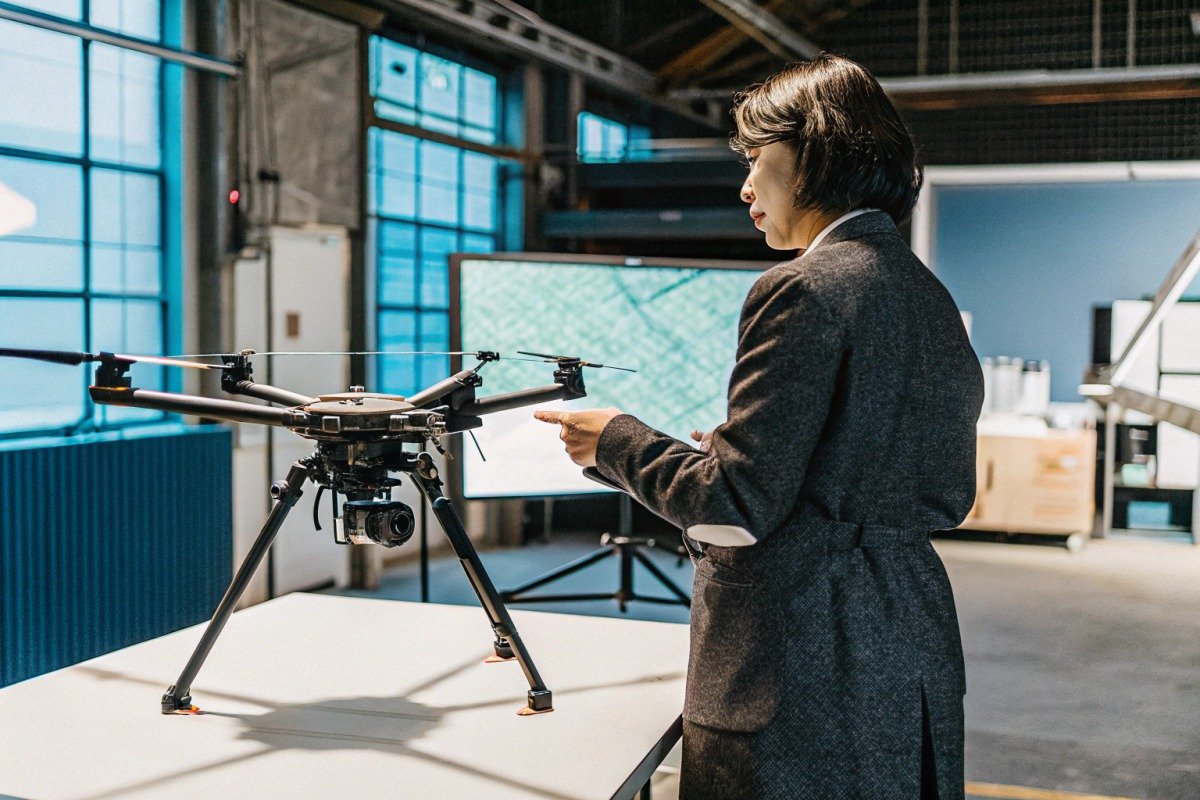
Last month, our engineering team watched footage of a competitor’s drone crashing into a burning building turbulent winds 1. One blade snapped on a window frame. The whole unit spiraled down in seconds. That incident reminded us why blade protection 2 matters so much.
To ask suppliers about broken blade protection, you should focus on four key areas: technical specifications including motor redundancy and material durability, real-world testing data from high-heat environments, relevant safety certifications and compliance documents, and customization options for your specific firefighting mission requirements.
The questions you ask today will determine how your drone performs tomorrow. In fire zones filled with smoke, debris, and unpredictable thermals, a single blade failure can mean losing expensive equipment or worse. Let me walk you through the exact questions our team has developed over years of manufacturing firefighting drones.
What technical questions should I ask to verify the reliability of your broken blade protection?
When we ship drones to fire departments across the US and Europe, procurement managers always want proof. They need hard data. They need numbers. Words like "reliable" or "durable" mean nothing without specifications to back them up.
You should ask about motor redundancy levels, material composition of guards, heat distortion temperatures, weight impact on flight time, and the flight controller's ability to maintain stability when one or more propellers fail. Request specific data sheets for each component.
Understanding Motor Redundancy Levels
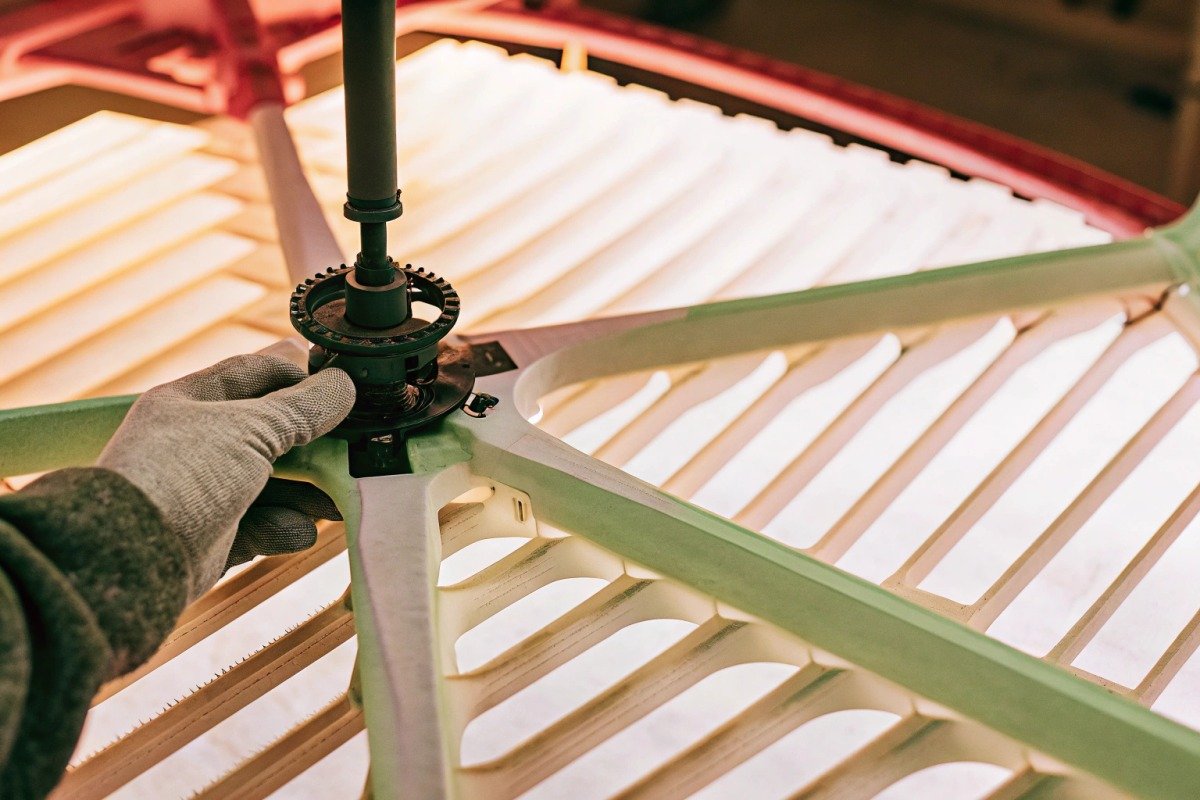
Motor redundancy 3 is your first line of defense. Our octocopter designs use eight motors for a reason. If one fails, seven remain. The flight controller 4 automatically compensates. But not all redundancy is equal.
Ask your supplier: "If one motor fails completely, can the drone maintain stable flight? Can it still carry its payload? What is the maximum number of motors that can fail before the drone must emergency land?"
For coaxial rotor systems 5, the counterrotating blades offer superior fault tolerance. When we test our coaxial units, they maintain 85% lift capacity even with one blade damaged. This matters in gusty fire conditions where wind speeds can hit Force 7.
Material Questions That Matter
The materials protecting your blades face extreme conditions. Radiant heat from fires can exceed 1000°C at close range. Ash and embers strike surfaces constantly. The guards must survive all of this.
Here is a table of key material questions to ask:
| Question | Why It Matters | Acceptable Answer |
|---|---|---|
| What is the Heat Distortion Temperature (HDT) of blade guards? | Guards that warp can jam propellers | Minimum 150°C for fire applications |
| What material are the guards made from? | Determines impact resistance | Reinforced carbon fiber or aerospace-grade polymers |
| What is the impact rating? | Shows guard durability | Tested against 50+ km/h debris impacts |
| Are guards debris-shedding? | Prevents ash buildup | Smooth surface design with drainage slots |
Weight and Performance Trade-offs
Every gram of protection costs you flight time. Full ducting adds more weight than cage-style guards. Our engineers have measured the exact trade-offs.
A fully ducted quadcopter loses approximately 15-20% flight time compared to an unguarded version. For firefighting missions requiring 25+ minute endurance, this matters. Ask suppliers: "How many minutes of flight time do I lose with your protection system installed? Can you provide comparative data?"
Some fire departments prefer software redundancy over hardware guards. The argument is that lighter drones fly longer and faster. But our position is clear: in debris-heavy fire zones, physical barriers save drones. Software cannot stop a branch from snapping your blade.
How can I ensure my firefighting drone will remain stable and land safely if a propeller breaks?
During quality control tests at our facility, we deliberately damage propellers to verify stability. Every drone we export must pass these tests. Your supplier should show you similar proof.
To ensure safe flight after blade damage, verify that the flight controller supports automatic motor compensation, request emergency landing test videos, confirm the drone can operate with reduced propellers, and check that GPS failover systems maintain position control during emergencies.
Flight Controller Capabilities
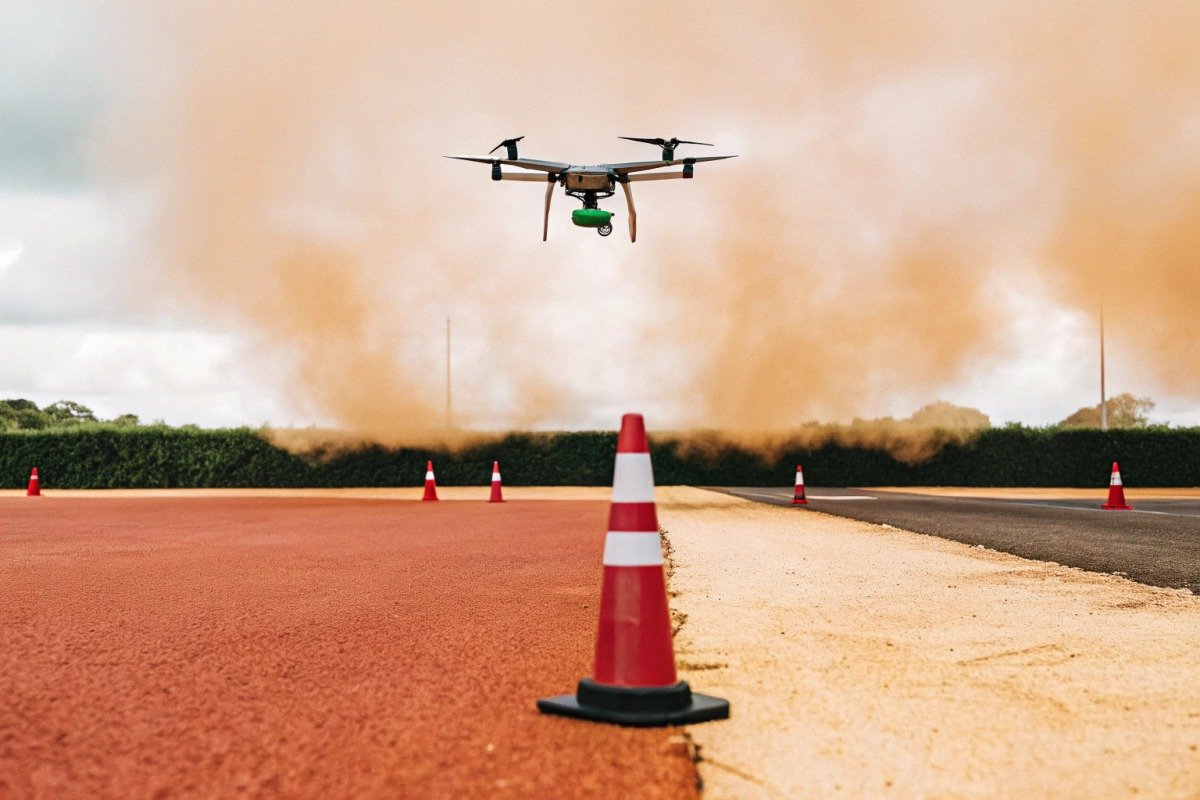
The flight controller is the brain. When a blade breaks, it must react in milliseconds. Good controllers redistribute power to remaining motors instantly. They calculate new thrust vectors. They keep the drone level.
Ask your supplier: "What flight controller do you use? Does it have automatic motor failure detection? How fast does it respond to sudden thrust loss?" Our controllers detect failures within 50 milliseconds and begin compensation within 100 milliseconds.
Testing for Real-World Conditions
Laboratory tests are not enough. Firefighting drones face thermal updrafts 6, turbulent winds, and zero visibility. Your supplier should test in conditions that mimic fire zones.
Request these specific test results:
| Test Type | What It Proves | Minimum Standard |
|---|---|---|
| Single blade removal flight | Basic redundancy works | Must maintain stable hover |
| Two-blade failure landing | Multi-failure survival | Must land within 10m of target |
| High wind stability | Handles fire zone turbulence | Stable in 15+ m/s winds |
| Thermal updraft response | Manages rapid altitude changes | Maintains altitude within ±5m |
| Smoke environment navigation | Sensors work in low visibility | Obstacle avoidance remains active |
Emergency Landing Protocols
When our drones detect critical failures, they follow strict protocols. First, they alert the operator. Second, they identify the nearest safe landing zone. Third, they begin controlled descent.
Ask suppliers: "What happens if the drone loses GPS during an emergency? Does it have backup positioning systems? Can it land on uneven terrain?" Some suppliers use barometric altimeters 7 as backup. Others rely on visual positioning. Know what your drone uses.
The best systems we have seen combine multiple failsafes. GPS primary positioning, visual secondary positioning, and barometric backup for altitude. All three must fail before the drone loses spatial awareness.
Payload Considerations During Emergencies
Firefighting drones carry heavy payloads. Thermal cameras. Fire suppressants. Communication relays. When a blade breaks, that payload affects stability dramatically.
Our testing shows that a drone carrying a 5kg payload needs more aggressive motor compensation than an unloaded unit. Ask your supplier: "Have you tested emergency landings with full payload? What is the maximum payload weight for safe emergency landing?" If they have not tested this, that is a red flag.
What certifications or test reports should I request to confirm the effectiveness of your redundancy system?
When we prepare export documentation for US fire departments, certifications are mandatory. Procurement managers cannot justify purchases without proper paperwork. Neither should you accept a supplier without it.
Request FAA compliance documentation, IP ratings for environmental protection, heat tolerance test reports, crash test certifications, and any fire-service-specific approvals. Ask for third-party testing rather than in-house reports only, and verify the testing laboratory's accreditation.
Essential Certification Categories
Different certifications prove different things. Some show the drone meets flight safety standards. Others prove it can survive harsh environments. You need both types.
Here is a breakdown of certifications and what they mean:
| Certification | What It Proves | Who Issues It |
|---|---|---|
| FAA Part 107 Compliance | Legal for commercial US operation | Federal Aviation Administration |
| IP55 Rating | Dust and water jet resistance | Independent testing labs |
| CE Marking | Meets European safety standards | Notified bodies in EU |
| MIL-STD-810 | Military-grade durability | Accredited test facilities |
| Heat Tolerance Certification | Survives fire zone temperatures | Specialized thermal labs |
Demanding Third-Party Validation
In-house testing has value. But third-party testing has credibility. When our drones undergo independent testing, those results carry more weight with procurement committees.
Ask your supplier: "Can you provide test reports from independent laboratories? Which laboratory conducted the testing? Are they ISO 17025 accredited 8?" If a supplier only offers in-house data, push for external validation.
Some suppliers resist this request. They claim proprietary concerns or cost limitations. These excuses should concern you. Reputable manufacturers invest in independent testing because it builds customer confidence.
Fire-Specific Testing Requirements
Standard drone certifications do not cover firefighting conditions. Your supplier should have additional documentation proving fire zone performance.
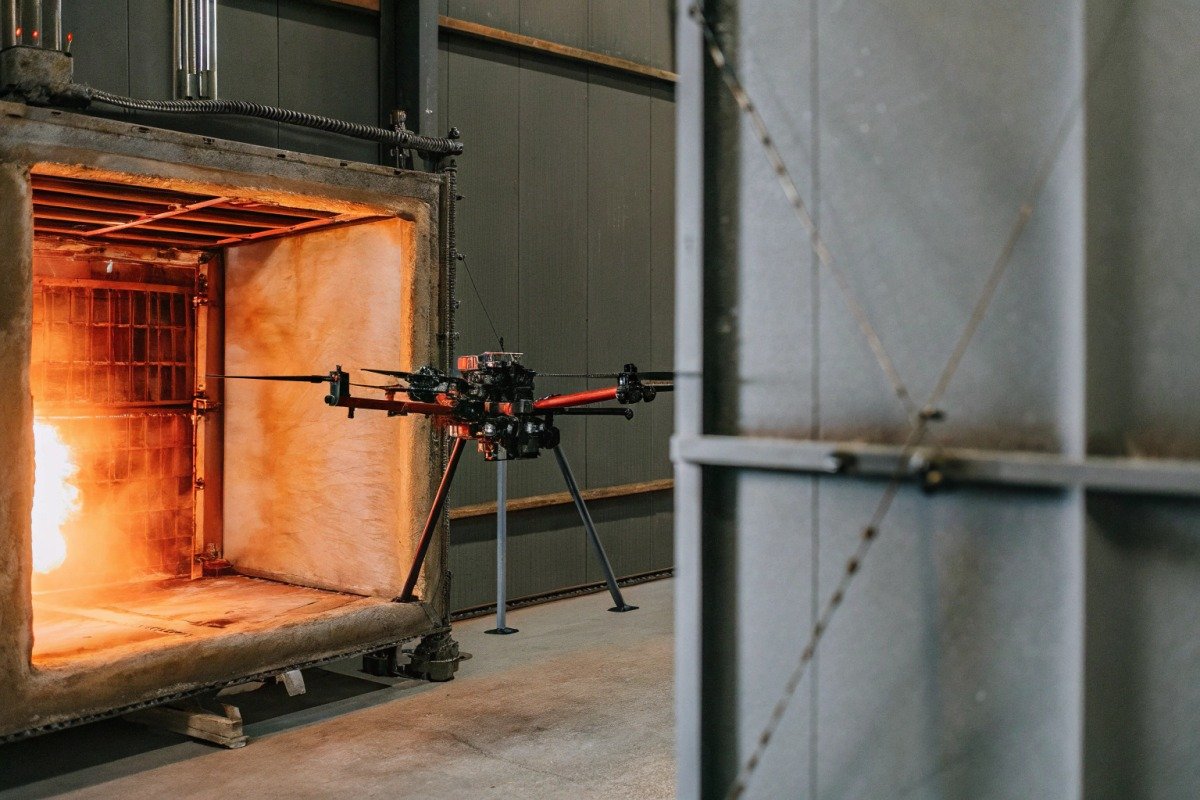
Request these specific reports: thermal exposure testing showing operation at 50°C+ ambient temperatures, smoke penetration tests for sensors and cameras, and debris impact simulations matching fire zone conditions. Our drones undergo 48-hour thermal chamber testing before shipping to fire departments.
The Field of View Clearance Report is often overlooked. Physical guards can create thermal blind spots. Your infrared sensors need unobstructed views for hotspot detection. Ask suppliers: "Do your blade guards interfere with thermal camera coverage? Can you provide FOV mapping with guards installed?"
Warranty and Liability Documentation
Certifications prove capability. Warranties prove commitment. A supplier confident in their blade protection will back it with strong warranty terms.
Ask: "What does your warranty cover regarding blade protection failure? If the redundancy system fails and the drone crashes, what is your liability?" Our standard warranty covers all motor and flight controller failures for two years. Blade guard replacement after impact is included for the first year.
Can I collaborate with your team to customize the broken blade protection software for my specific requirements?
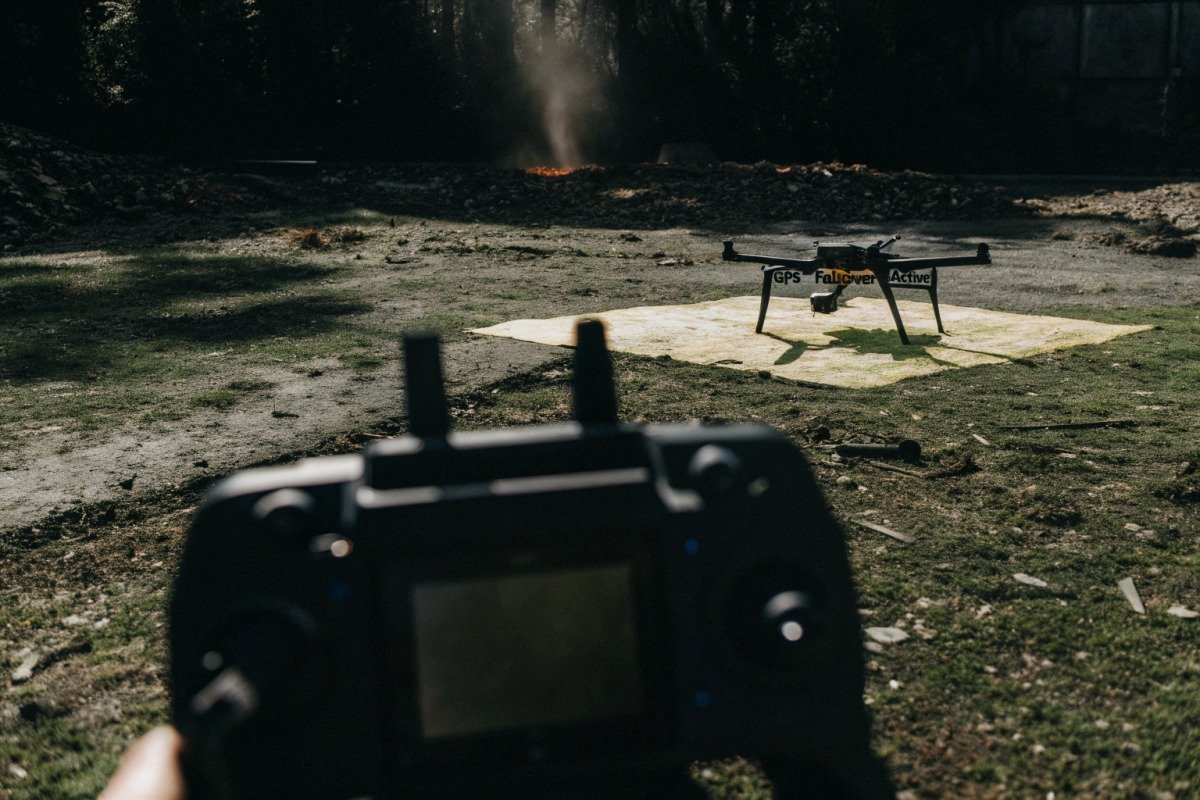
Our engineering team regularly works with US distributors on custom software. Last quarter, we modified our emergency landing algorithms for a California fire department. They needed faster response times for canyon operations. We delivered within six weeks.
Yes, reputable suppliers offer software customization including modified emergency landing parameters, custom sensor integration for blade damage detection, tailored alert thresholds for your operating environment, and API access for integration with existing fire department systems. Request a technical collaboration roadmap and dedicated engineering contact.
Types of Software Customization Available
Blade protection is not just hardware. Software determines how the drone responds to damage. Different fire departments have different needs based on their typical operating environments.
Common customization requests we handle:
Emergency descent speed adjustment. Urban fire departments need slower descents to avoid hitting buildings. Wildfire units prefer faster descents to clear dangerous airspace quickly.
Alert threshold modification. Some operators want warnings at 10% motor efficiency loss. Others prefer alerts only at 25% loss to reduce false alarms.
Automated return-to-home triggers. You can customize what conditions trigger automatic return. Low battery plus motor warning? Single blade damage detection? GPS signal loss? We program these combinations based on your priorities.
The Customization Process
Working with a foreign supplier on software requires clear communication. Here is what a good customization process looks like:
First, you submit detailed requirements. What problem are you solving? What behavior do you want changed? What are your operating conditions?
Second, we provide a technical feasibility assessment. Not every request is possible. Some changes affect other systems. We explain limitations upfront.
Third, we develop and test internally. Our engineers modify the code and run simulations.
Fourth, you receive beta software for field testing. Your pilots verify the changes work in real conditions.
Fifth, we finalize based on your feedback. Adjustments are common at this stage.
The entire process typically takes 4-8 weeks depending on complexity.
Protecting Your Custom Investments
When you pay for custom software, you need protection. Intellectual property rights matter. Support commitments matter.
Ask your supplier: "Who owns the customized code? Can I use it on replacement drones? Will you maintain and update custom features?" Our policy grants customers perpetual license to their custom modifications. We maintain custom code for three years minimum.
Also ask about documentation. Custom software without documentation creates problems when your original contact leaves. We provide full technical documentation and source code comments for all custom work.
Integration With Existing Systems
Fire departments often have existing fleet management software. Your new drones need to communicate with those systems. Customization should include integration capability.
Ask: "Does your drone support standard data protocols? Can we access flight data APIs? Will custom blade protection alerts integrate with our dispatch systems?" Open architecture matters here. Proprietary closed systems limit your future flexibility.
Conclusion
Asking the right questions separates successful drone procurement from expensive failures. Focus on technical specifications, demand third-party certifications, and insist on customization options. Your firefighting missions are too important for anything less than complete confidence in your equipment.
Footnotes
1. Explains the effects of turbulent winds on small unmanned aerial systems. ↩︎
2. Discusses the importance and types of drone propeller protection. ↩︎
3. Explains hardware and functional redundancy in drone autopilots. ↩︎
4. Explains the function and importance of a drone’s flight controller. ↩︎
5. Wikipedia provides a comprehensive and authoritative explanation of coaxial-rotor aircraft, including their benefits and design. ↩︎
6. Explains how thermal updrafts are utilized and encountered by drones. ↩︎
7. Defines barometric altimeters and their use in altitude measurement. ↩︎
8. Describes the international standard for the competence of testing and calibration laboratories. ↩︎

 English
  Español de México
  Deutsch
  Français
  Русский
  العربية
