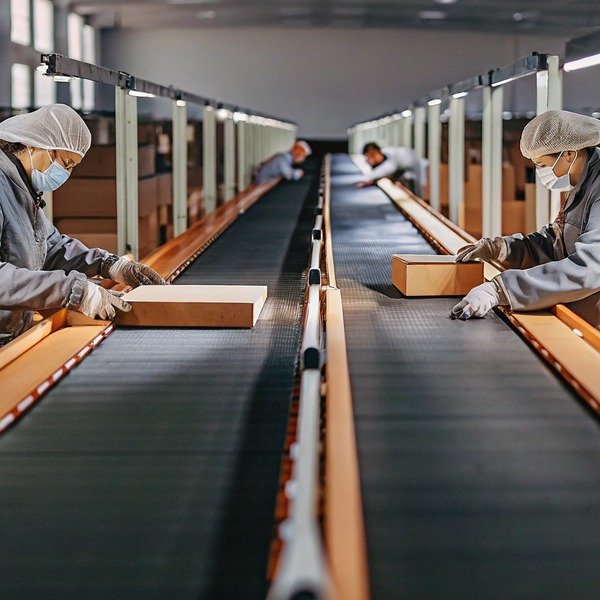
Watching a batch of sprayers leave our Xi’an factory brings pride, but defects can happen during transit. Finding a broken motor or a faulty pump upon arrival is a nightmare for any distributor.
You should stipulate compensation mechanisms by defining a clear acceptance Acceptance Period 1 period, mandating immediate replacement for dead-on-arrival units, and establishing liquidated damages for performance failures. Your contract must include specific timelines for claims and require the seller to cover return shipping costs for proven defects.
Let’s explore the specific clauses and terms you need to build a safety net into your purchase agreement.
How can I clearly define quality standards and acceptance criteria in my agricultural drone contract?
When our engineering team calibrates flight controllers, we follow strict protocols to ensure precision. Without these written standards in your agreement written standards 2, “quality” becomes a subjective debate between you and the supplier.
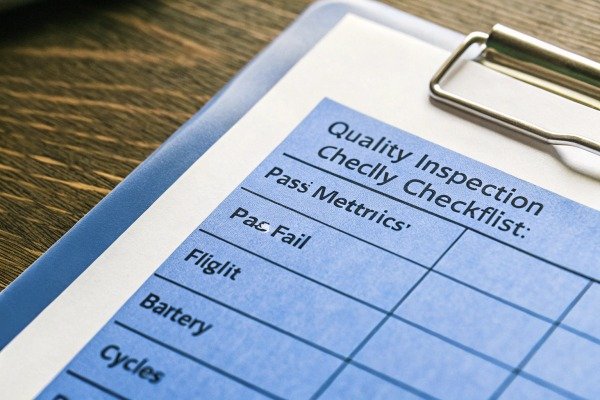
Clearly define quality standards by attaching a technical specification sheet to the contract that lists pass/fail metrics for flight stability, payload capacity, and battery cycles. Specify a 7-to-14-day acceptance period for field testing these metrics before final payment is released.

Defining quality is the most critical step in your procurement process. In the agricultural sector, a drone that flies is not enough; it must perform specific tasks like spraying or mapping with high precision. If you do not quantify what "acceptable" means, you cannot prove that a product is defective.
The Technical Specification Sheet
Your contract must go beyond the basic invoice description. You need an annex labeled "Technical Acceptance Standards." In our factory, we use these sheets to sign off on units before they box up. For you, this sheet serves as the legal benchmark. It should list specific metrics. For example, do not just say "spray system works." Instead, specify "flow rate deviation must be less than 5%." Do not just say "stable flight." Specify "hovering accuracy within ±10cm vertically." hovering accuracy 3 If the drone fails to meet these numbers during your tests, it is technically non-conforming, triggering your right to compensation. right to compensation 4
The Acceptance Period
Standard commercial terms often imply acceptance upon delivery. This is dangerous for complex machinery. You cannot know if a drone works just by looking at the box. You must negotiate a specific "Acceptance Period." This is usually between 7 and 14 days after the goods arrive at your warehouse. During this time, you have the right to open, inspect, and fly the units. The contract must state that the goods are not deemed "accepted" until this period expires or you sign a formal Acceptance Certificate. If you find issues during this window, you can reject the lot before the final balance payment is locked in.
Evidence Requirements
To enforce these standards, you must know what proof the seller requires. We often see buyers complain about "bad batteries" without data. Your contract should list exactly what evidence is needed to prove a defect. This usually includes flight logs, black box data, and photos of the physical damage. By agreeing on this upfront, you prevent the seller from dismissing your claim as "pilot error."
Table 1: Standard vs. Agricultural-Specific Acceptance Criteria
| Criteria Category | Standard Commercial Clause (Avoid) | Agricultural-Specific Clause (Recommended) |
|---|---|---|
| Flight Performance | "Drone flies stably." | "Drone maintains hover accuracy of ±10cm with full payload in 10m/s wind." |
| Battery Health | "Battery charges." | "Battery shows <3% voltage cell deviation and supports 200+ cycles." |
| Système de pulvérisation | "Pump works." | "Flow rate accuracy within ±5% deviation; nozzle atomization consistent." |
| Précision des données | "Camera works." | "Multispectral sensor readings match calibrated radiometric targets." |
What specific compensation terms should I include to protect my business against defective drone deliveries?
We know that shipping sensitive electronics overseas carries risks, from humidity to rough handling. If a container arrives with damaged frames or dead sensors, vague terms will leave your business absorbing the loss.
Include terms that mandate a “Dead on Arrival” (DOA) replacement policy for critical failures within the first 10 flight hours. Differentiate remedies based on component type, requiring full unit replacement for structural defects while allowing parts shipment for minor consumable issues.
Once you have established that a product is defective, the next question is: what do you get? A refund? A repair? A credit note? In the drone industry, specific compensation terms are vital because shipping a heavy agricultural drone back to China for repair is often too expensive and slow to be practical.
Dead on Arrival (DOA) Protocols
The strongest protection you can have is a DOA clause DOA clause 5. This should cover the first 7 to 14 days or the first 10 flight hours. If a critical component (like the flight controller, motor, or main board) fails during this time, the contract should stipulate an immediate replacement of the entire unit replacement of the entire unit 6, not a repair. The seller should ship a brand-new unit via air freight at their expense. This ensures you are not stuck waiting for a repair technician while your planting season passes.
Tiered Compensation Structures
Not all parts are equal. A broken propeller is different from a fried motherboard. Your contract should reflect this. We recommend a tiered warranty structure.
- Tier 1 (Critical Systems): Motors, Flight Controllers, Radar. Remedy: Free replacement parts or full unit replacement if the failure is systemic.
- Tier 2 (Wear and Tear): Propellers, landing gear skids. Remedy: Usually no warranty unless broken upon opening the box.
- Tier 3 (Consumables): Batteries, Pumps. Remedy: Pro-rated refund or replacement if they fail to meet a guaranteed cycle count (e.g., 200 cycles).
Handling Consequential Losses
This is a difficult point to negotiate, but it is worth trying. If a drone fails mid-flight due to a manufacturing defect and crashes, it breaks itself and potentially damages the crop. Standard manufacturer contracts usually exclude "consequential consequential damages 7 damages." However, you should push for a clause that covers the "collateral damage to the drone itself." If a $50 motor fails and causes the $5,000 drone to crash, the seller should replace the whole drone, not just the $50 motor.
Loaner Drone Provision
For high-value contracts (e.g., purchasing 50+ units), ask for a "Loaner Drone" provision. If a warranty claim takes longer than 10 days to resolve during peak season (like spraying season), the seller agrees to provide a temporary unit from their local stock or a partner distributor. This keeps your operation running while the paperwork is sorted out.
Table 2: Recommended Compensation Tiers by Component Type
| Component Group | Warranty Duration | Recommended Remedy | Who Pays Shipping? |
|---|---|---|---|
| Structural Frame | 12 Months | Replacement of damaged arm or body. | Seller |
| Motors / ESCs | 6-12 Months | Replacement part sent via Air Express. | Seller |
| Contrôleur de vol | 12 Months | Immediate full unit swap (DOA) or new part. | Seller |
| Piles | 6 Months / 200 Cycles | Replacement if capacity drops <80% prematurely. | Split (Buyer returns, Seller sends new) |
| Hélices | None (Arrival Only) | Refund or credit note. | Seller |
How do I establish a fair timeline for inspecting the drones and filing a quality claim after arrival?
Our logistics team tracks every shipment, but once the pallets clear customs and hit your dock, the clock starts ticking. A tight inspection window can force you to accept hidden faults before you find them.
Establish a fair timeline by negotiating a 30-day window post-delivery for visual inspection and a 7-day field test period for operational verification. Ensure the contract pauses the claim clock if weather conditions prevent immediate flight testing upon arrival.

Time is your enemy when it comes to quality claims. Most standard export contracts try to limit the claim period to 3 or 5 days after arrival. For agricultural drones, this is insufficient. You need time to unbox, charge batteries, update firmware, and wait for good weather to fly.
The Visual vs. Operational Timeline
You should split your inspection timeline into two phases in the contract.
- Visual Inspection (Physical Damage): This covers crushed boxes, bent frames, or missing accessories. A 7-day window is standard here. You check the goods against the packing list.
- Operational Inspection (Functional Defects): This covers software bugs, sensor calibration errors, or motor overheating. You need at least 15 to 30 days for this. Why? Because you cannot fly a spray drone in high winds or rain. If the weather is bad for a week after delivery, you cannot test the equipment.
The Weather Clause
We highly recommend adding a "Weather Extension" clause. It states: "If adverse weather conditions prevent field testing during the Acceptance Period, the period shall be extended by the number of days of inclement weather, up to a maximum of 15 additional days." This protects you from losing your right to claim a defect simply because it was raining.
Documenting the Claim
The contract must define comment you file a claim to stop the clock. Usually, sending an email with a "Notice of Defect" is enough to freeze the timeline. The contract should state that once this notice is sent, the warranty period is paused until the issue is resolved. This prevents the seller from stalling until your warranty expires. You should also agree on a response time. For example, "Seller must acknowledge receipt of the claim within 48 hours."
Data Sovereignty in Claims
Make sure your contract ensures you own the flight data. Sometimes, manufacturers require you to upload flight logs to their cloud to prove a defect. You must ensure that providing this data does not violate your local privacy laws and that the manufacturer cannot use this data to unfairly void your warranty (e.g., claiming you flew too aggressively based on ambiguous data).
What penalty clauses can I enforce if the manufacturer delays replacements or refuses to compensate for bad units?
We pride ourselves on quick support, but not every factory responds fast. If a supplier ignores your emails while your clients wait for working machines, penalties are your only real leverage.
Enforce penalty clauses that charge daily liquidated damages for every day a replacement is delayed beyond the agreed Service Level Agreement (SLA). Stipulate that repeated quality failures trigger a full refund right and the supplier’s obligation to cover all return logistics costs.

A contract without penalties is just a wish list. If the seller sends you a broken drone and takes three months to send a replacement, you lose money every day that drone sits on the ground. You need "Liquidated Damages" clauses to incentivize Liquidated Damages 8 the supplier to act fast.
Accords de niveau de service (SLA)
Your contract should include a "Repair Service Level Agreement." This defines how fast the seller must act. For example:
- Response Time: 24 hours.
- Plan of Action: 48 hours (e.g., "We will ship a new part").
- Shipment of Replacement: Within 5 business days.
If the seller fails to ship the replacement within 5 days, the penalty kicks in.
Liquidated Damages for Downtime
You can stipulate a financial penalty for delays. A common clause is: "For every day the replacement is delayed beyond the agreed timeline, the Seller shall pay liquidated damages equal to 0.5% of the unit's value, up to a maximum of 10%." This amount can be deducted from future payments or your next order. While the percentage seems small, it sends a clear signal that time is money.
The "Lemon Law" Approach for Drones
Sometimes, a specific unit is just cursed. It breaks, you fix it, and it breaks again. You should include a clause similar to "Lemon Laws" for cars. If the same unit requires repair for the same issue more than three times within the warranty period, or if it is out of service for a cumulative total of 30 days, the seller must replace the entire unit with a brand-new one or provide a full refund.
Software Stability Guarantees
In the modern drone industry, an update can brick a fleet. You should include a clause regarding "Software and Firmware Stability." If a mandatory update from the manufacturer degrades performance or renders the drone unusable, this should count as a "defect." The seller must provide a rollback option or compensation if the downtime exceeds 48 hours.
Dispute Resolution
Finally, ensure your contract clearly states where disputes are settled. Many Chinese manufacturers prefer arbitration in China (CIETAC). As a buyer, you might prefer arbitration in a neutral location like Singapore or Hong Kong. Additionally, check if the contract excludes the "UN Convention UN Convention on Contracts for the International Sale of Goods 9 on Contracts for the International Sale of Goods" (CISG). International Sale of Goods 10 We often see contracts excluding this, but for you, the CISG can actually provide good statutory remedies if the contract is silent on specific issues.
Table 3: Sample Penalty Calculation Structure
| Violation Type | Trigger Event | Penalty / Remedy |
|---|---|---|
| Delayed Response | No reply to claim > 48 hours. | $50 credit per day of delay. |
| Late Replacement | Replacement not shipped within 7 days. | 1% of unit value per day late (max 15%). |
| Recurring Defect | Same part fails 3 times. | Mandatory full unit replacement (New). |
| Software Bricking | Update stops flight operations. | Immediate rollback support or $100/day compensation. |
Conclusion
Secure your investment by defining clear quality benchmarks and strict penalty clauses. A strong contract turns potential disputes into structured solutions, ensuring your operations never stall.
Notes de bas de page
1. Legal definition of the acceptance timeframe in commercial contracts. ︎
2. ISO is the global authority for defining quality and technical standards. ︎
3. ISO standard for testing the flight performance and positioning accuracy of unmanned aircraft. ︎
4. Official government guidance on business-to-business rights regarding defective goods and compensation. ︎
5. Explains the business concept of Dead on Arrival policies. ︎
6. Manufacturer policy detailing conditions for full unit replacement versus repair. ︎
7. Legal definition distinguishing direct from indirect damages in contracts. ︎
8. Legal encyclopedia entry explaining the enforcement and calculation of liquidated damages in commercial law. ︎
9. Official text of the treaty governing international sales contracts. ︎
10. Overview of the international treaty governing rights and obligations in cross-border sales. ︎

 English
  Spanish
  German
  French
  Dutch
Dutch  Arabic
