
When our logistics team first shipped industrial quadcopters to California, a missing stamp cost us $47,000 in delays and penalties Normes ISPM 15 1. That single incident taught us everything about US wood packaging rules. If you import firefighting drones from China, non-compliant wooden crates can destroy your timeline and budget overnight.
To meet US fumigation rules for firefighting drone wooden crates from China, ensure all wood packaging materials comply with ISPM 15 standards. This requires heat treatment (HT) or methyl bromide (MB) fumigation, a visible IPPC stamp with the CN country code, treatment facility number, and treatment type abbreviation on every wooden piece.
This guide walks you through the exact steps to verify compliance, gather proper documentation, prevent delays, and explore alternative materials heat treatment (HT) 2. Let’s start with the verification process.
How do I verify that my firefighting drone crates meet US ISPM 15 fumigation standards?
Our quality control team inspects every shipment before it leaves Xi'an methyl bromide (MB) fumigation 3. Yet we still catch compliance issues monthly. The verification process seems simple on paper, but small mistakes cause big problems at US ports Certificats de conformité FCC 4.
To verify ISPM 15 compliance, visually inspect each wooden crate for the official IPPC stamp containing the IPPC logo, CN country code, producer registration number, and treatment code (HT, MB, or DH). The stamp must be permanent, legible, and present on all wood packaging materials including pallets and dunnage.
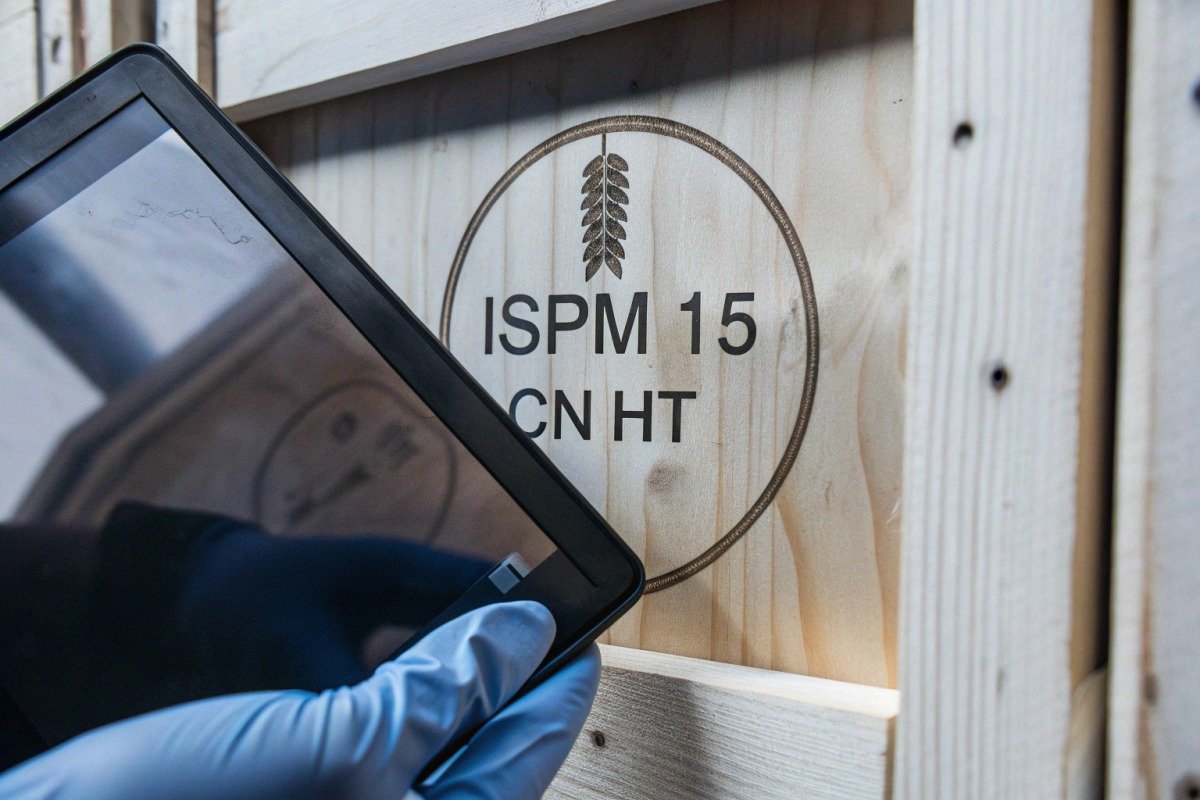
Understanding the IPPC Stamp Components
Le Tampon CIPV 5 tells US customs everything they need to know. Each element serves a specific purpose. Here is what to look for:
| Élément du tampon | Ce que cela signifie | Exemple |
|---|---|---|
| Logo PIC | Confirms international standard compliance | Wheat sheaf symbol |
| Code du pays | Identifies origin country | CN (Chine) |
| Producer Code | Unique facility registration number | 12-345 |
| Treatment Code | Shows fumigation method used | HT, MB, or DH |
The stamp must appear on at least two opposite sides of the crate. Faded or partial stamps trigger inspections. Our packing team photographs every stamp before sealing containers.
Liste de contrôle de l'inspection physique
Beyond the stamp, examine the wood itself. ISPM 15 requires debarked wood. Small bark pieces are allowed only if they measure less than 3cm wide or cover less than 50 square centimeters total.
Check these points during inspection:
- Stamp visibility and legibility
- Bark removal completeness
- Wood condition (no rot or insect holes)
- Stamp presence on all wooden components
- Consistent stamps across the entire shipment
Verifying Treatment Facility Credentials
Not all stamps are legitimate. Confirm your Chinese supplier uses an AQSIQ-accredited treatment facility. China's National Plant Protection Organization 6 maintains a registry of approved providers. Request the facility's accreditation certificate directly.
Our procurement team audits new suppliers annually. We visit treatment facilities and verify their equipment meets standards. A legitimate facility has proper kiln or fumigation chamber documentation, calibrated temperature sensors, and trained operators.
Erreurs de vérification courantes
Many importers check only the outer crate. This misses internal blocking, bracing, and pallets. All wood packaging materials need treatment and stamps—not just the main crate.
Another mistake is accepting digital photos only. US CBP inspects physical stamps. A clear photo helps, but damaged stamps during transit can still cause rejection. Request backup stamps on multiple crate faces.
What documentation should I request from my Chinese supplier to clear US customs smoothly?
In our experience exporting to the US, documentation problems cause more delays than actual non-compliance. Having the right papers ready speeds up customs clearance dramatically. Missing one document can hold your firefighting drones at port for weeks.
Request a fumigation certificate from an AQSIQ-accredited provider, the treatment facility's registration certificate, photographic evidence of IPPC stamps on all wood packaging, a packing list specifying wood packaging details, and the supplier's NPPO accreditation documentation. For firefighting drones specifically, also obtain End-User Statements, FCC compliance certificates, and UN38.3 battery test reports.

Essential Wood Packaging Documents
Your documentation package should include multiple layers of proof. Each document serves a different purpose during customs clearance.
| Document | Objectif | Qui l'émet ? |
|---|---|---|
| Fumigation Certificate | Proves treatment occurred | AQSIQ-accredited facility |
| Treatment Facility Registration | Verifies facility legitimacy | China NPPO |
| IPPC Stamp Photos | Visual compliance evidence | Supplier quality team |
| Wood Packaging Declaration | Lists all WPM in shipment | Exportateur |
| Certificat d'origine | Confirme le pays de fabrication | Chamber of commerce |
Drone-Specific Documentation Requirements
Firefighting drones need additional paperwork beyond wood compliance. US regulations require proof these aircraft won't be used for military purposes.
Key drone documents include:
- End-User Statement declaring non-military application
- FCC Part 15 or Part 107 compliance certificates for radio components
- CE marking documentation if applicable
- UN38.3 test summary for lithium batteries
- Material Safety Data Sheets for battery chemicals
- Facture commerciale avec descriptions détaillées des produits
Creating a Pre-Shipment Documentation Package
Our export team assembles a standardized package for every shipment. This prevents last-minute scrambles and ensures nothing gets forgotten.
Start the documentation process at least two weeks before shipping. Request certificates from treatment facilities immediately after fumigation. Photograph stamps before loading containers. Compile everything into a digital folder accessible to your customs broker.
Handling Documentation Discrepancies
Sometimes certificates show different dates than actual treatment. Other times, producer codes don't match between stamps and certificates. These discrepancies trigger inspections.
Verify all information matches across documents before shipment. Cross-check facility registration numbers on certificates against physical stamps. Confirm treatment dates align with production schedules. Any mismatch needs resolution with your supplier before the container ships.
Language and Translation Considerations
Chinese fumigation certificates often include Mandarin text. While IPPC stamps use standardized codes, supporting documents may need translation. Provide English versions of all certificates to your customs broker.
Our team maintains bilingual document templates. This eliminates confusion and speeds broker review. Clear English descriptions of treatment methods and facility credentials help CBP officers process entries faster.
How can I prevent shipment delays caused by non-compliant wooden packaging?
When we calibrate our flight controllers before export, we also calibrate our packaging compliance checks. Prevention costs far less than port delays. A single rejected shipment at Los Angeles can drain $30,000 to $50,000 from your budget through storage fees, re-export costs, and lost business.
Prevent shipment delays by implementing pre-shipment inspections with photographic documentation, partnering only with AQSIQ-accredited treatment facilities, conducting regular supplier audits, maintaining backup suppliers for wood packaging, and building compliance checkpoints into your production timeline. Allocate three to five extra days before shipping for verification.
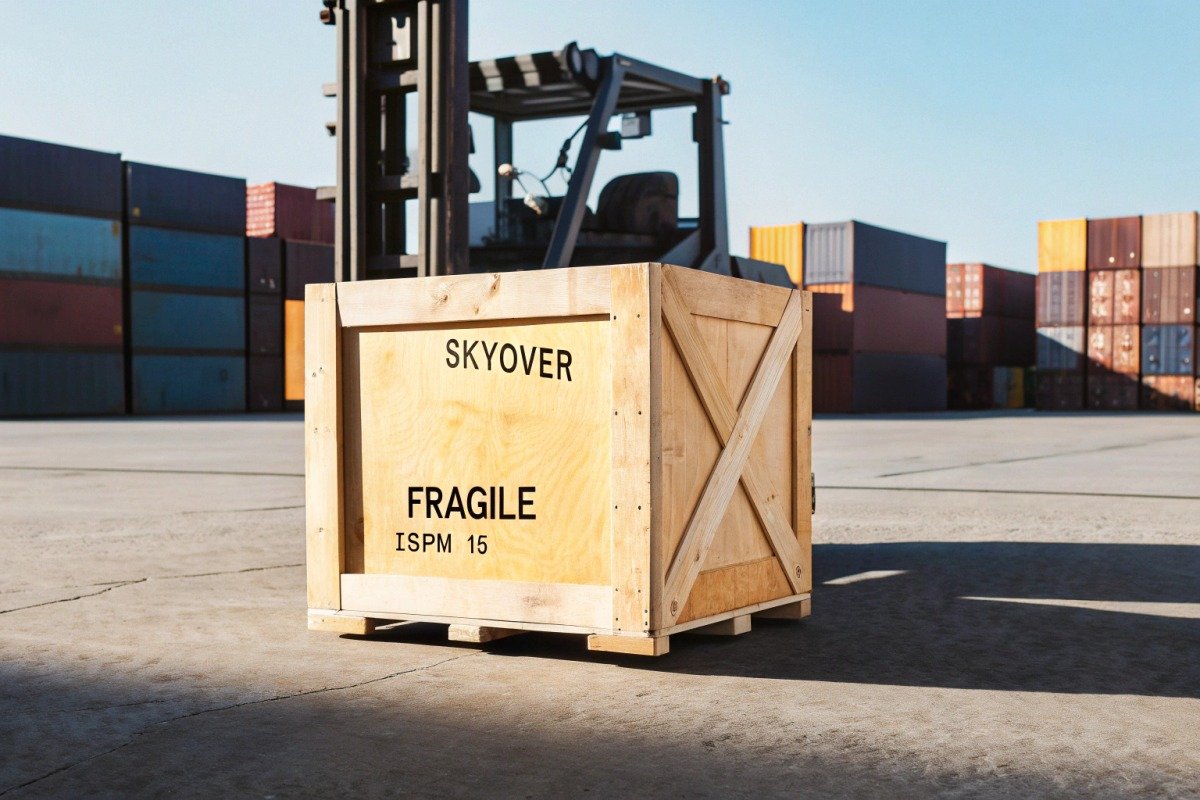
Building a Compliance Timeline
Compliance cannot happen at the last minute. Integrate verification steps throughout your production cycle.
| Phase | Compliance Action | Time Before Ship |
|---|---|---|
| Crate Manufacturing | Verify supplier accreditation | 4 semaines |
| Wood Treatment | Confirm fumigation completion | 2 semaines |
| Pre-Loading | Physical stamp inspection | 1 semaine |
| Container Loading | Photo documentation | 3 jours |
| Final Check | Document compilation | 1 jour |
Implementing Quality Control Checkpoints
Our factory built compliance verification into standard operating procedures. Every checkpoint has a responsible person and documented sign-off.
First checkpoint: Confirm crate manufacturer's current NPPO accreditation before placing orders. Second checkpoint: Request treatment certificate within 48 hours of fumigation completion. Third checkpoint: Conduct physical inspection before products enter crates. Fourth checkpoint: Photograph all stamps during container loading. Fifth checkpoint: Review complete documentation package before container seals.
Working with Reliable Treatment Facilities
Not all fumigation providers deliver consistent quality. Establish relationships with two or three accredited facilities. This creates backup options if your primary provider has capacity issues.
Visit facilities personally when possible. Check equipment calibration records. Review their rejection rate with US shipments. Facilities with experienced staff and modern equipment produce more reliable results.
Pre-Shipment Inspection Protocols
Third-party inspection services add cost but provide insurance. Companies like SGS and Bureau Veritas offer ISPM 15 verification services in China.
Key inspection elements include:
- Visual examination of every wood packaging piece
- Stamp legibility verification under good lighting
- Bark presence assessment
- Cross-reference of stamps to certificates
- Container condition evaluation
- Photo documentation with timestamps
Contingency Planning for Non-Compliance Discovery
Sometimes problems appear despite prevention efforts. Have a response plan ready.
If pre-shipment inspection finds issues, options include re-treating wood at a certified facility, replacing non-compliant packaging materials, or switching to alternative materials if timeline permits. Never ship questionable packaging hoping it passes. The cost of rejection far exceeds delay for re-treatment.
Our emergency protocol includes pre-vetted backup fumigation facilities that can process orders within 72 hours. Maintaining these relationships saves weeks when problems arise.
Cost Analysis of Prevention vs. Correction
Prevention investments pay for themselves quickly. Consider these comparative costs:
Pre-shipment inspection: $200-500 per container. Port rejection penalties: $5,000-30,000 or more. Re-export costs: $3,000-8,000. Storage fees during quarantine: $150-300 per day. Lost customer trust: incalculable.
Are there alternative crate materials I should consider to avoid fumigation issues entirely?
Our engineers have tested multiple packaging solutions for industrial octocopters and quadcopters. Some customers prefer eliminating wood entirely to avoid fumigation complexity. Others find hybrid approaches more cost-effective. Understanding your options helps make informed decisions.
Alternative crate materials exempt from ISPM 15 fumigation requirements include plywood, oriented strand board (OSB), particleboard, fiberboard, veneer, and thin wood under 6mm thickness. Non-wood options like plastic crates, metal containers, and composite materials completely bypass wood packaging regulations but typically cost 50-200% more than treated solid wood.
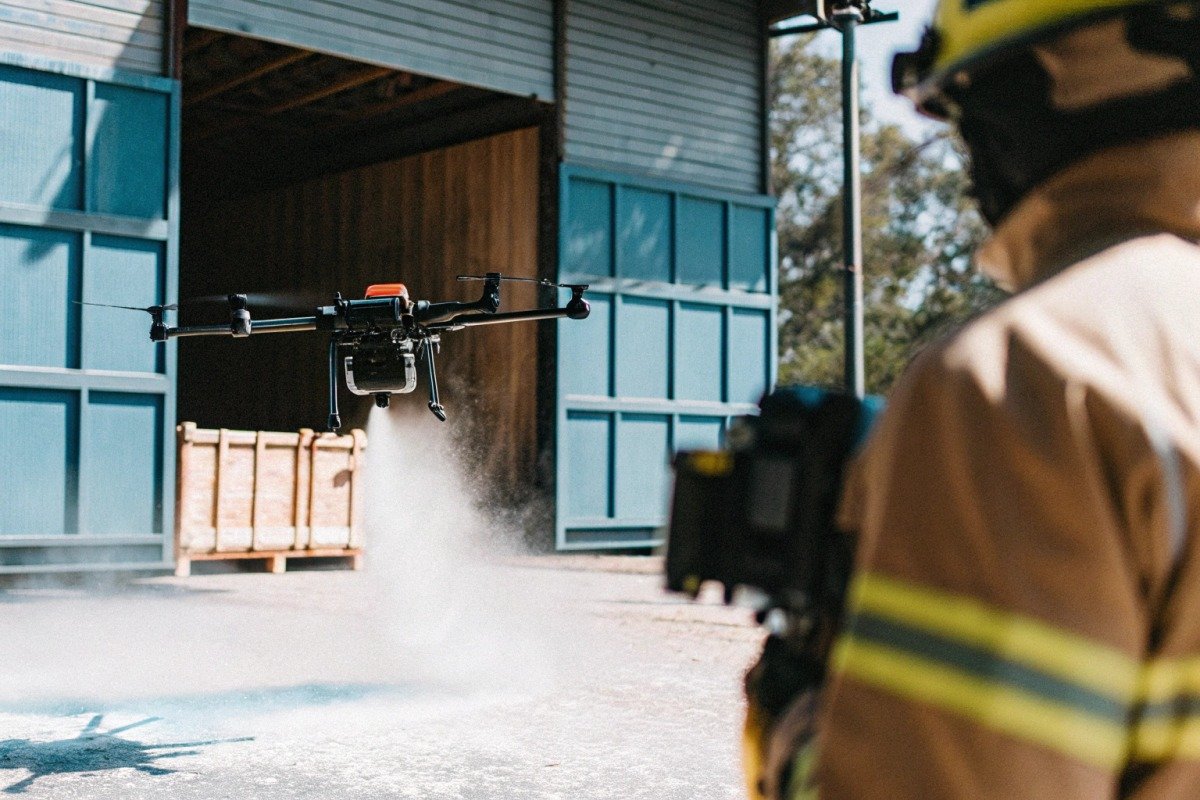
ISPM 15 Exempt Wood Products
Processed wood products eliminate fumigation requirements while maintaining some wood benefits. These materials already undergo heat and pressure during manufacturing, which destroys pests.
| Matériau | Statut NIMP 15 | Typical Cost vs. Solid Wood | Meilleur pour |
|---|---|---|---|
| Plywood 9 | Exempté | +20-40% | Medium weight drones |
| OSB | Exempté | +10-30% | General packaging |
| Particleboard | Exempté | +5-20% | Light products |
| Thin Wood (<6mm) | Exempté | Similaire | Decorative elements |
| Panneaux de fibres | Exempté | +15-35% | Cushioning layers |
Non-Wood Material Options
Complete elimination of wood removes all ISPM 15 concerns. However, cost and practicality vary significantly.
Plastic crates offer excellent durability and reusability. High-density polyethylene (HDPE) withstands rough handling and weather exposure. Initial costs run 100-200% higher than treated wood, but reusable crates can offset this over multiple shipments.
Metal containers provide maximum protection for heavy industrial drones. Aluminum frames with steel hardware protect against crushing and impact. Costs start at 150-300% above wood crates. Weight adds to shipping expenses.
Composite materials combine wood fibers with plastics or resins. These offer structural strength without solid wood classification. Costs vary widely based on specifications.
Cost-Benefit Analysis for Firefighting Drone Crates
The right choice depends on your shipping volume, drone value, and risk tolerance.
For a typical 2 cubic meter firefighting drone crate:
| Option | Material Cost | Fumigation Cost | Total | Compliance Risk |
|---|---|---|---|---|
| Solid Wood (HT) | $150 | $80 | $230 | Moyen |
| Plywood | $210 | $0 | $210 | Aucun |
| Plastic HDPE | $450 | $0 | $450 | Aucun |
| Cadre en aluminium | $600 | $0 | $600 | Aucun |
Practical Considerations for Industrial Drones
Firefighting drones carry sensitive electronics and expensive components. Packaging must protect against:
- Vibration during truck and ship transport
- Temperature fluctuations in containers
- Humidity exposure during ocean transit
- Impact from handling and stacking
- Moisture intrusion from condensation
Plywood crates with foam inserts often provide the best balance. They eliminate fumigation requirements while offering adequate protection at reasonable cost.
Hybrid Packaging Approaches
Many successful importers combine materials strategically. Use plywood or OSB for the main crate structure. Add internal foam cushioning for shock absorption. Use plastic corner protectors for stacking strength.
This approach eliminates fumigation while controlling costs. Internal components remain protected without premium material expenses throughout.
Making the Transition
Switching packaging materials requires supplier coordination. Request samples before committing to production runs. Test structural integrity with actual drone weights. Verify fit with existing container configurations.
Our team provides packaging specifications to customers considering material changes. Engineering drawings ensure compatibility with standard shipping practices and warehouse handling equipment.
Conclusion
Meeting US fumigation rules for firefighting drone wooden crates requires systematic verification, proper documentation, proactive prevention, and informed material choices. Whether you choose compliant solid wood or exempt alternatives, building compliance into your supply chain protects your investment and keeps your drones moving smoothly from our production line to your customers.
Notes de bas de page
1. Official international standard for wood packaging material in trade. ︎
2. Décrit l'une des méthodes approuvées pour la conformité à la NIMP 15. ︎
3. Explains another approved method for ISPM 15 compliance. ︎
4. Essential for radio frequency devices imported into the US. ︎
5. Details the required marking for compliant wood packaging material. ︎
6. Replaced with the correct and working official IPPC page for China’s National Plant Protection Organization. ︎
7. Provides official documentation for wood packaging treatment. ︎
8. Crucial for safe transport of lithium batteries. ︎
9. Describes an ISPM 15 exempt wood packaging material. ︎

 English
  Español de México
  Deutsch
  Français
  Русский
  العربية
