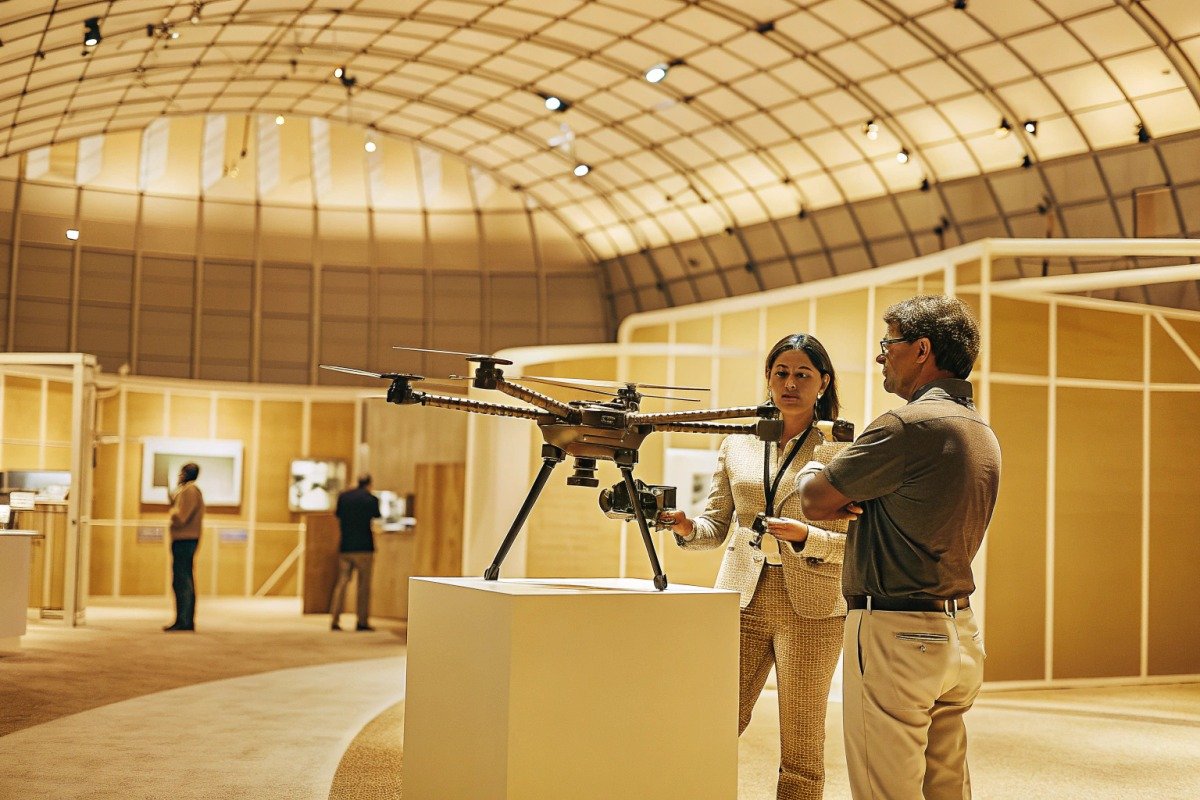
Walking through our production floor last month, I watched our engineering team prepare a fleet of firefighting drones for a major US distributor heading to Firehouse Expo Réglementations de la partie 107 de la FAA 1. The pressure was real—one missed deadline or failed demo could cost them their biggest contract of the year.
To evaluate firefighting drone suppliers for US trade show support, assess their engineering team’s technical presentation capabilities, logistics and customs expertise for timely delivery, OEM branding quality for exhibition units, and drone durability for live flight demonstrations. Prioritize suppliers with proven trade show experience and US market knowledge.
This guide breaks down the exact criteria you need l'intégration de l'imagerie thermique 2. Let’s examine each factor that separates reliable partners from risky bets.
How do I assess if a supplier's engineering team can support my technical presentations at a US trade show?
Trade shows like DRONERESPONDERS Summit and Commercial UAV Expo attract fire chiefs who ask tough questions. Without solid engineering backup, your booth becomes a liability instead of a lead generator.
Evaluate a supplier's engineering support by checking their technical documentation quality, remote consultation availability during US business hours, pre-show briefing sessions, and their team's familiarity with FAA Part 107 regulations and firefighting-specific features like thermal imaging integration and payload capacities.
What Technical Documentation Should You Expect?
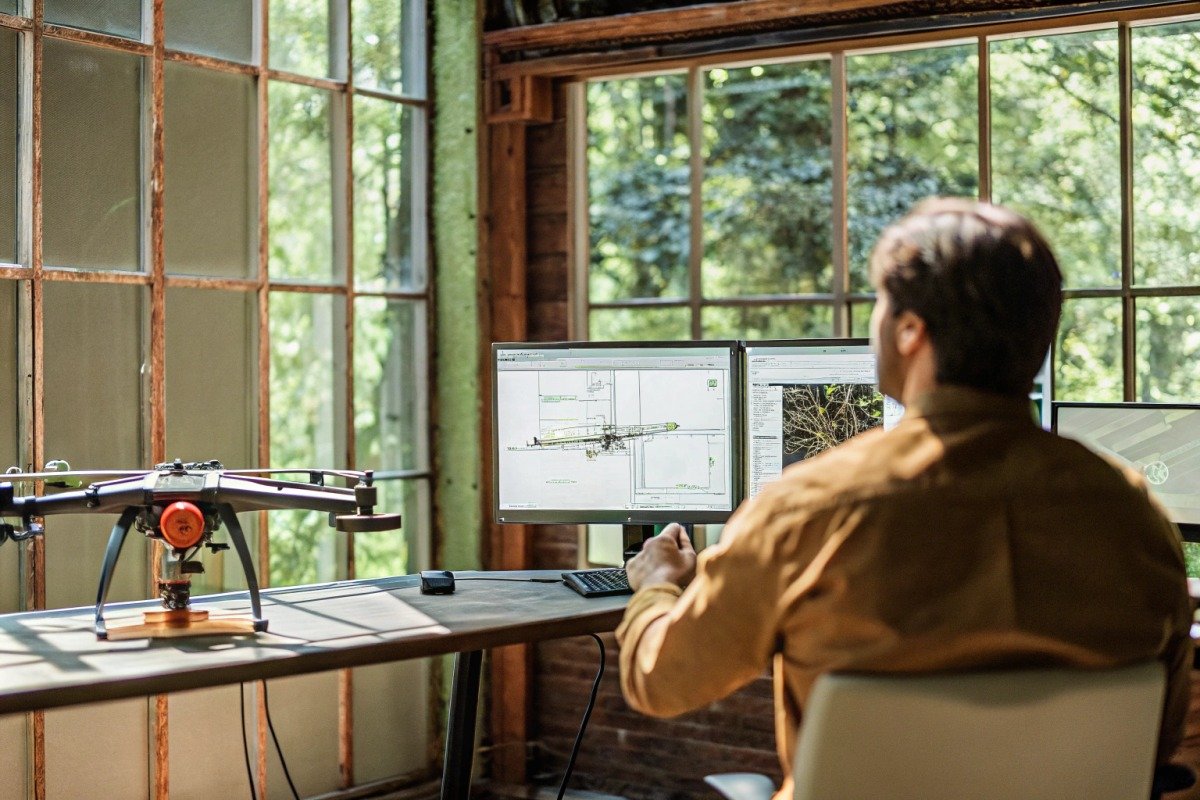
When we ship drones to US partners, our engineering team prepares comprehensive presentation packages. These include thermal camera specifications, flight controller calibration guides, and integration diagrams for systems like Teledyne FLIR SIRAS 3.
Votre fournisseur doit fournir :
- Detailed spec sheets with payload capacities for water drops and retardants
- FAA compliance documentation including Part 107 requirements
- Software integration guides for CAD and GIS systems
- Troubleshooting flowcharts for common demo issues
Engineering Response Time Standards
| Type de soutien | Temps de réponse prévu | Drapeau rouge |
|---|---|---|
| Pre-show technical briefing | 2-3 weeks before event | No briefing offered |
| Remote consultation during show | Within 2 hours during US business hours | No US-hour coverage |
| Emergency technical issue | Within 30 minutes via video call | Email-only support |
| Post-demo follow-up | Dans les 24 heures | No follow-up process |
How Deep Is Their FAA Knowledge?
Fire department procurement managers at events like FDIC International ask specific questions about Dérogations BVLOS 4 and Remote ID compliance. Our engineers spend significant time studying US regulations because we know our partners face these questions daily.
Test your supplier's knowledge by asking about:
- Night operation waiver requirements
- Geofencing protocols for firefighting missions
- la conformité à la NDAA 5 for government contracts
- Data security standards for public safety missions
A supplier who hesitates on these topics will leave you stranded at your booth.
Pre-Show Rehearsal Support
The best suppliers offer virtual rehearsal sessions. We typically schedule three video calls before major US shows—one for hardware review, one for software demonstration walkthrough, and one for Q&A simulation. This preparation makes the difference between confident presentations and awkward silences.
Can my supplier handle the complex logistics and customs clearance needed to get my drones to the venue on time?
Our shipping coordinator once told me about a competitor's drones stuck in customs for three weeks—arriving two days after AFFNA ended. That nightmare scenario happens more often than you'd think.
Reliable suppliers demonstrate logistics capability through established freight forwarding partnerships, experience with drone-specific export documentation, lithium battery shipping certifications, and a track record of on-time deliveries to US trade shows. Request references from previous US exhibition shipments.
Understanding Drone-Specific Shipping Challenges
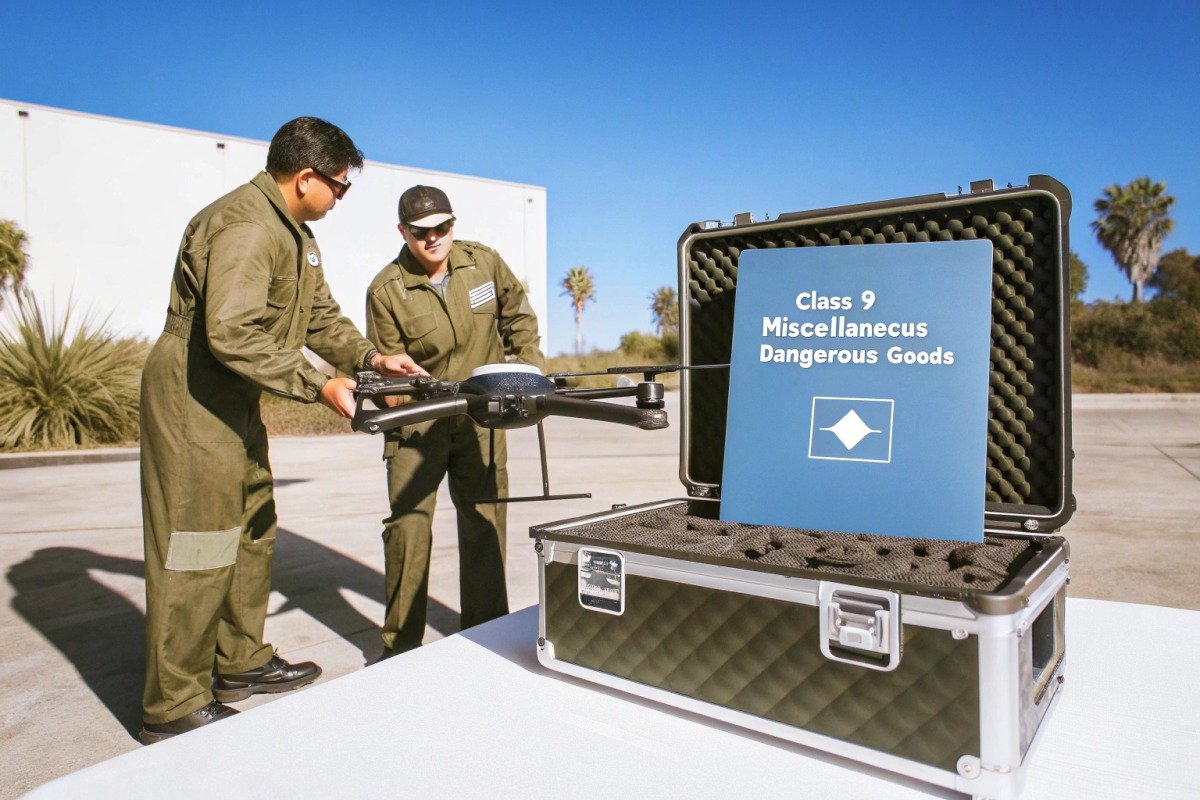
Firefighting drones aren't regular cargo. Our logistics team handles lithium battery regulations, export control classifications, and customs documentation that many freight companies struggle with. We've learned these lessons through years of shipping to US partners.
Key shipping challenges include:
- Lithium battery UN38.3 certification requirements 6
- Export control classification for thermal imaging equipment
- Carnet documentation for temporary exhibition imports
- Insurance requirements for high-value demonstration units
Realistic Timeline Planning
| Shipping Phase | Standard Timeline | Rush Timeline |
|---|---|---|
| Production completion | 4 weeks before show | 3 weeks before show |
| Documentation d'exportation | 1 semaine | 3 jours |
| Sea freight to US West Coast | 3-4 semaines | N/A |
| Air freight to any US city | 5-7 jours | 3 jours |
| Dédouanement | 3-5 jours | 1-2 jours |
| Buffer time | 1 semaine | 3 jours |
Questions to Ask About Logistics Experience
Before committing to a supplier, ask these specific questions:
- How many shipments have you completed to US trade shows in the past two years?
- Which freight forwarders do you partner with for drone shipments?
- Can you provide tracking updates at each logistics milestone?
- Que se passe-t-il si la douane retient l'expédition ?
- Do you carry cargo insurance covering exhibition equipment?
Backup Plans Matter
When we prepare shipments for shows like Fire-Rescue Med or FLOCON, we always discuss contingency plans with our partners. What if the main unit gets damaged? We often ship spare components separately to reduce single-point-of-failure risks. A supplier who doesn't think about backup plans isn't thinking about your success.
What criteria should I use to evaluate a manufacturer's ability to provide high-end OEM branding for my exhibition units?
At trade shows, your brand is on display—literally. I've seen distributors embarrassed by peeling labels and mismatched colors on their exhibition drones. Your supplier's OEM capabilities directly impact your professional image.
Evaluate OEM branding quality by examining sample units with your branding applied, reviewing color matching precision using Pantone standards, checking label durability under heat and UV exposure, and confirming packaging customization options including exhibition-ready display cases.
Visual Branding Quality Indicators
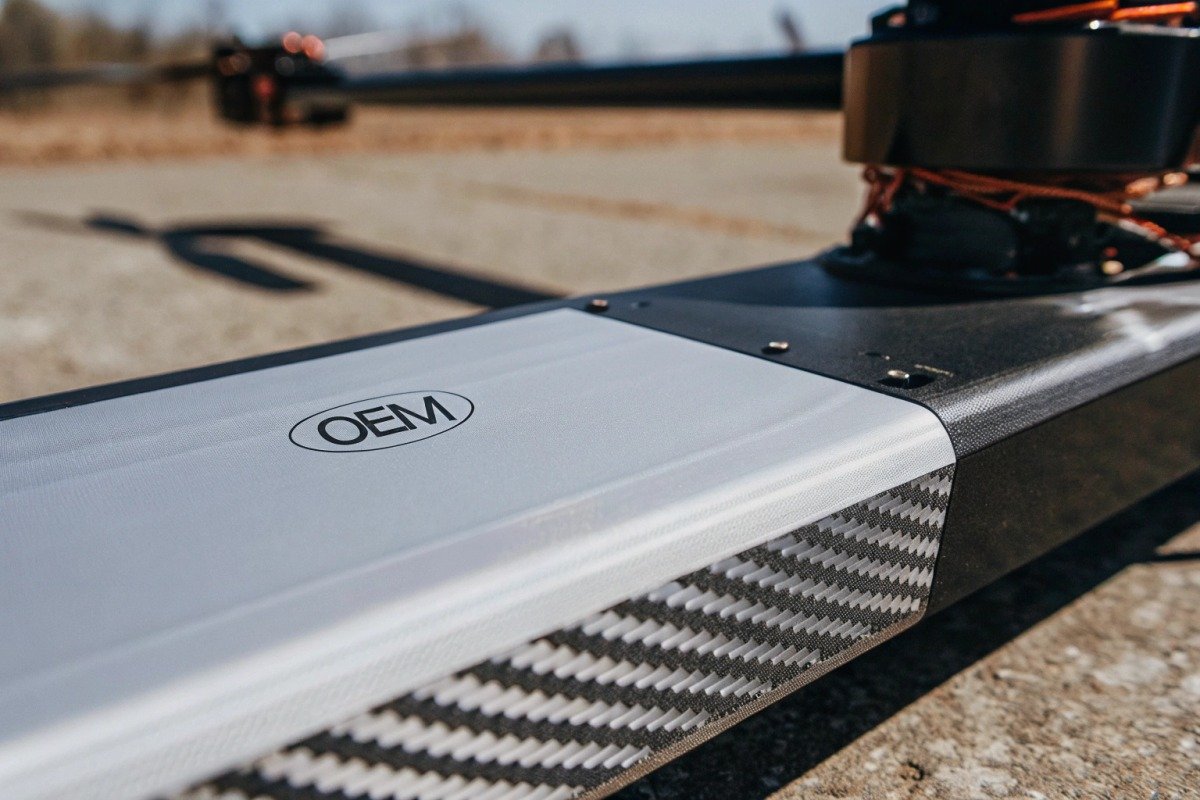
When our design team works on OEM projects, we focus on details that matter during close inspection at trade show booths. Fire chiefs pick up drones, turn them over, and examine every angle.
Quality OEM branding includes:
- Laser-engraved or high-durability printed logos
- Color-matched body panels using RAL or Pantone standards 7
- Branded controller screens and software interfaces
- Emballage personnalisé avec les informations de votre entreprise
OEM Capability Evaluation Checklist
| Critères | Standard haut de gamme | Norme acceptable | Panneau d'avertissement |
|---|---|---|---|
| Application du logo | Laser engraving or durable vinyl | Heat-transfer print | Adhesive stickers |
| Correspondance des couleurs | Pantone/RAL certified | Visual approximation | "Close enough" attitude |
| Software branding | Full UI customization | Boot screen logo only | No software branding |
| Emballage | Custom foam-fitted cases | Branded box with standard foam | Generic packaging |
| Documentation | Fully branded manuals | Co-branded materials | Supplier branding visible |
Sample Unit Protocol
Never commit to a large order without reviewing a physical sample with your branding applied. We recommend requesting samples at least 8 weeks before your trade show to allow time for revisions. Pay attention to:
- How the logo looks under exhibition lighting
- Whether colors match your other marketing materials
- Durability of branding when handled repeatedly
- Professional appearance of all accessories and peripherals
Hidden Branding Opportunities
The best OEM partners think beyond the drone body. Our team has helped distributors brand their exhibition presence through:
- Custom flight controller skins
- Branded carrying cases with embroidered logos
- Co-branded technical documentation
- Personalized software splash screens
- Custom demo flight patterns that display brand messages via light trails
These details separate memorable booths from forgettable ones at events like Commercial UAV Expo where attendees visit dozens of vendors.
How do I ensure my firefighting drone partner offers the durability and stability required for high-stakes live flight demonstrations?
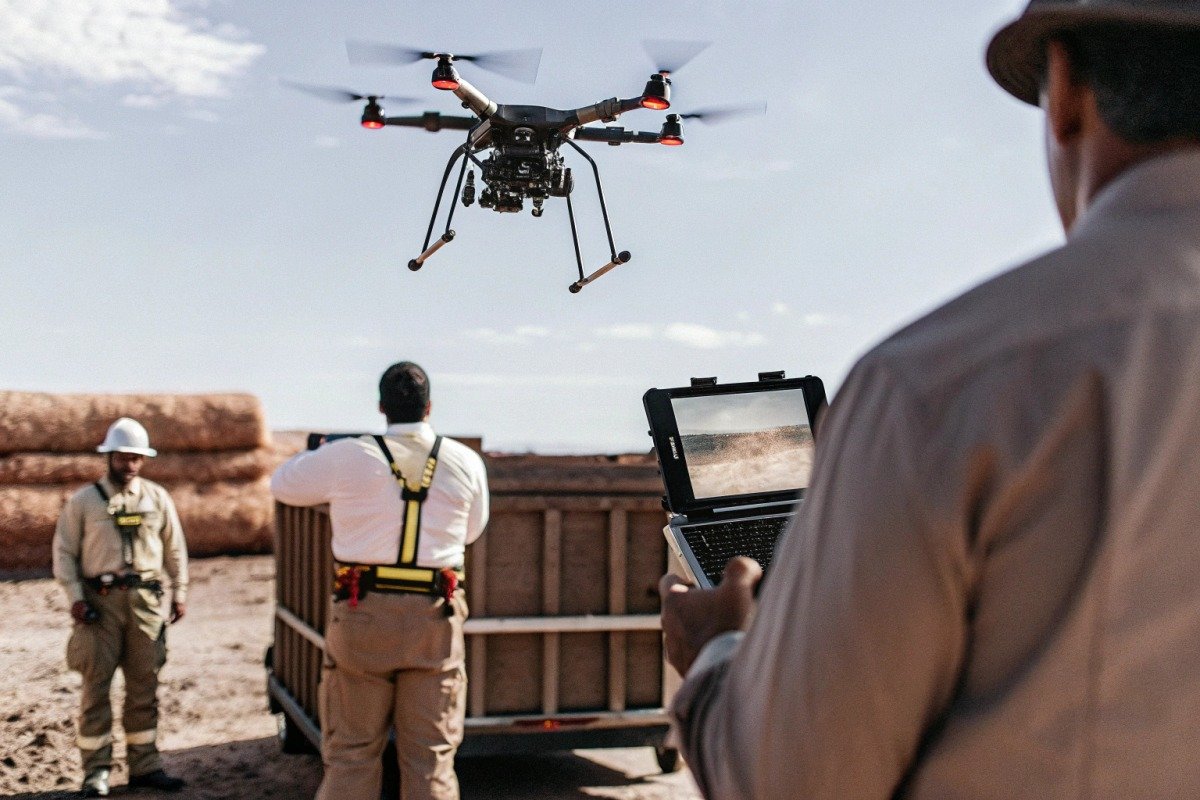
Live demos terrify me. When we watched our partner execute a flawless demonstration at DRONERESPONDERS last year, the relief was immense. But that success came from months of preparation and rigorous testing.
Ensure demonstration readiness by requesting flight hour logs, reviewing redundancy features like dual GPS and backup motor systems, verifying hot-swappable battery capabilities, and confirming the supplier provides trained demo pilots or comprehensive operator training programs for your team.
Understanding Live Demo Risks
Trade show demonstrations carry unique risks. You're flying in unfamiliar venues with electromagnetic interference from hundreds of electronic devices. Wind conditions vary. Crowds gather close. One crash destroys months of relationship building.
Our engineers design with these scenarios in mind. Every firefighting drone we ship for demonstration purposes goes through extended stress testing.
Spécifications critiques de durabilité
| Fonctionnalité | Minimum Demo Standard | Premium Demo Standard |
|---|---|---|
| Temps de vol | 30 minutes | 45+ minutes |
| Résistance au vent | 10 m/s | 15 m/s |
| Température de fonctionnement | 0-40°C | -10-50°C |
| GPS redundancy | Double GPS | Triple GPS with RTK |
| Redondance des moteurs | Octocoptère 8 (survives 1 motor failure) | Octocopter with automatic compensation |
| Battery swap time | Moins de 60 secondes | Moins de 30 secondes |
Pre-Demo Testing Protocol
Before any trade show, we recommend your supplier provide:
- Tests de rodage: At least 10 hours of continuous flight testing on the exact unit being demonstrated
- Tests de stress environnemental: Operation in temperature extremes and high-wind conditions
- Payload cycling: Multiple tests with full firefighting payloads attached
- Emergency procedure verification: Confirmed return-to-home and emergency landing functions
Stability Features That Matter
Fire departments evaluating your drones at shows like AFFNA or Firehouse Expo look for specific stability features. Our engineering team prioritizes:
- Advanced flight controllers with IMU redundancy
- Vibration dampening for thermal camera clarity
- Obstacle avoidance systems that work in smoke conditions
- Automatic hover stability during payload release
Pilot Support Options
Not every distributor has FAA Part 107 certified pilots on staff. Ask your supplier about:
- Demo pilot availability for major US trade shows
- Training programs for your team members
- Simulation software for practice before live events
- Emergency protocol documentation
We've found that distributors who invest in pilot training close more deals at trade shows because they project confidence during demonstrations.
Real-World Stress Testing Questions
Ask potential suppliers these specific questions about their testing protocols:
- What is the total flight hour history of the demonstration unit?
- Has this specific drone been tested in temperatures above 35°C?
- How does the drone perform with a full payload of water or retardant?
- What happens if GPS signal is lost during a demo flight?
- How quickly can you ship a replacement if the demo unit fails?
A supplier who answers these questions confidently has thought through the scenarios that could ruin your trade show investment.
Conclusion
Selecting the right firefighting drone supplier for US trade show support requires careful evaluation across four critical areas: engineering expertise, logistics capability, OEM quality, and demonstration reliability. Use the criteria and checklists in this guide to make confident decisions that protect your trade show investment.
Notes de bas de page
1. Provides official rules and guidelines for commercial drone operations in the US. ︎
2. Replaced with a comprehensive guide on thermal drones from UAV Coach, a reputable drone education platform, which includes information on integration. ︎
3. Offers detailed information about the specific thermal imaging drone system mentioned. ︎
4. Replaced with a detailed guide on obtaining public safety Part 91 BVLOS waivers, which is highly relevant to firefighting drones and references FAA processes. ︎
5. Explains the National Defense Authorization Act’s restrictions on drones for government use. ︎
6. Details the international safety testing standard for the safe transportation of lithium batteries. ︎
7. Explains the proprietary color matching system used for consistent color reproduction. ︎
8. Defines a type of multirotor drone with eight rotors, known for stability and payload capacity. ︎

 English
  Español de México
  Deutsch
  Français
  Русский
  العربية
