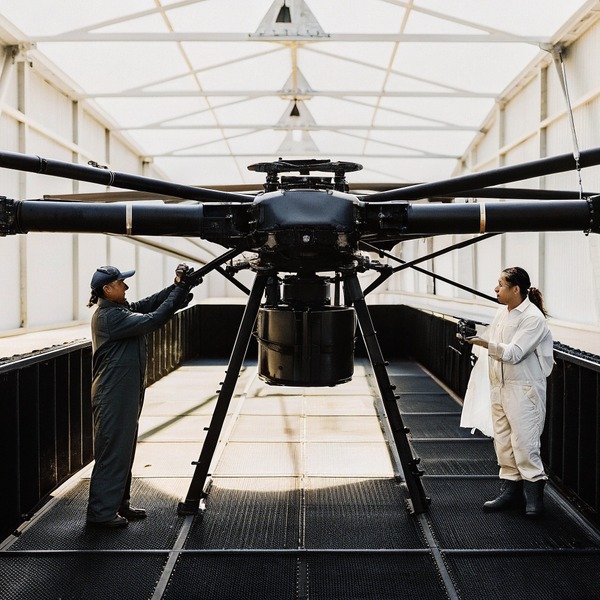
Lorsque notre équipe d'ingénieurs à Xi'an finalise l'étalonnage d'un nouveau pulvérisateur à charge utile lourde, nous savons que le matériel est prêt, mais le parcours administratif pour nos clients américains ne fait que commencer. Vous investissez massivement dans des technologies agricoles avancées Certificat d'opérateur d'aéronefs agricoles 1 pour augmenter les rendements des cultures, pourtant la crainte les rendements des cultures 2 de voir votre équipement saisi par les douanes ou immobilisé par la FAA est une source constante d'anxiété.
Pour importer et exploiter des drones agricoles aux États-Unis, vous devez naviguer entre deux organismes de réglementation principaux : le CBP pour les tarifs douaniers et la FAA pour l'autorité de vol. Vous avez généralement besoin d'un certificat FAA Partie 137 pour la pulvérisation de produits chimiques, d'une exemption Section 44807 pour les drones de plus de 55 livres, et de la conformité obligatoire Remote ID pour toutes les unités.
Comprendre ces règles est essentiel pour éviter des retards coûteux, alors examinons les exigences spécifiques pour rendre votre flotte légale et opérationnelle.
Ai-je besoin d'un certificat Partie 137 pour exploiter les drones agricoles que j'importe ?
Nous aidons fréquemment nos distributeurs à préparer les manuels techniques requis pour leurs demandes de certification, car nous savons que le simple fait d'acheter un drone ne confère pas le droit légal de pulvériser. Rien n'est plus frustrant que d'avoir une machine haute performance qui reste dans un entrepôt parce que la paperasse opérationnelle a été sous-estimée.
Oui, vous devez obtenir un certificat d'opérateur d'aéronefs agricoles en vertu de la 14 CFR Partie 137 pour pulvériser des poisons économiques ou des produits chimiques. Ceci s'applique quelle que soit la taille du drone. De plus, vous aurez probablement besoin d'une exemption Section 44807 pour opérer légalement si votre drone pèse 55 livres ou plus.

Comprendre l'exigence de la Partie 137
La FAA fait une distinction claire entre le vol d'un drone et l'utilisation d'un drone pour la pulvérisation de matériaux. Alors que la 14 CFR Partie 107 couvre le vol général de drones commerciaux, elle n'autorise pas automatiquement le transport et la pulvérisation de produits chimiques agricoles dangereux. C'est là que Partie 137 intervient. C'est la même réglementation qui régit les épandeurs de cultures pilotés, adaptée aux systèmes sans pilote.
Lorsque vous importez nos drones pulvérisateurs, vous importez des "aéronefs agricoles". Pour les exploiter commercialement, vous devez détenir un certificat d'opérateur d'aéronefs agricoles (AAOC) Certificat d'opérateur d'aéronefs agricoles 3. Ce certificat garantit que vos opérations respectent les normes de sécurité pour la manipulation de matières dangereuses. marchandises dangereuses 4
Le rôle des exemptions
La plupart des drones agricoles modernes, y compris les modèles à forte charge utile que nous fabriquons, ne peuvent pas se conformer entièrement à toutes les règles écrites pour les aéronefs habités (comme le transport d'un manuel physique à bord ou la présence d'une ceinture de sécurité). Par conséquent, vous avez besoin d'exemptions.
Si votre drone pèse moins de 55 livres, vous opérez sous la Partie 107 mais avez besoin d'une dérogation pour la Section 107.36 (transport de matières dangereuses) et de plusieurs exemptions de la Partie 137.
Si votre drone pèse 55 livres ou plus (ce qui s'applique aux pulvérisateurs agricoles les plus efficaces), vous opérez sous la Partie 91 et la Partie 137. Cela nécessite une Section 44807 Exemption. Cette exemption accorde une dispense de réglementations spécifiques que les grands drones ne peuvent pas respecter.
Le processus de certification
La FAA a récemment simplifié ce processus. Auparavant, vous deviez soumettre des documents à un bureau local du district de contrôle du vol (FSDO) Bureau du district de contrôle du vol 5. Désormais, une grande partie du processus est centralisée.
- Demande d'exemption : Vous soumettez une demande d'exemption en vertu de la Section 44807.
- Soumettre les manuels : Vous devez fournir à la FAA notre manuel d'exploitation de vol et notre manuel de maintenance propriétaires.
- Certificat d'opérateur : Vous demandez le certificat Partie 137.
Différences clés en matière de certification
Le tableau suivant décrit les différences dans les exigences réglementaires en fonction du type d'opération.
| Fonctionnalité | Commercial standard (Partie 107) | Pulvérisation agricole (< 55 lbs) | Pulvérisation agricole lourde (55+ lbs) |
|---|---|---|---|
| Réglementation principale | 14 CFR Partie 107 | Partie 107 et Partie 137 | Partie 91 et Partie 137 |
| Matières dangereuses | Interdit (sauf dérogation) | Autorisé avec exemption | Autorisé avec exemption |
| Exemption requise | Non | Oui (dérogation 107.36) | Section 44807 Exemption |
| Certificat de pilote | Certificat de pilote à distance | Certificat de pilote à distance | Certificat de pilote à distance et certificat médical de classe 2 (parfois) |
| Inscription | FAADroneZone | FAADroneZone | Registre de l'aviation civile (numéro N) |
L'exemption 44807 est un document essentiel. Sans elle, l'exploitation d'un drone de pulvérisation lourd est illégale. Nous vous recommandons de commencer ces démarches administratives immédiatement après avoir passé votre commande, car l'approbation peut prendre plusieurs mois.
Comment les restrictions de poids de la FAA affectent-elles mes opérations de drones agricoles à charge utile lourde ?
Lorsque nous concevons des cadres structurels pour nos modèles SkyRover à haute capacité, nous surveillons constamment le seuil de 55 livres, car nous savons qu'il modifie fondamentalement l'expérience utilisateur. Passer d'une charge utile légère à une charge utile lourde augmente votre efficacité, mais augmente également votre fardeau réglementaire.
Les drones pesant 55 livres ou plus au décollage sont soumis à un contrôle plus strict de la FAA, nécessitant l'enregistrement du numéro N via le registre de l'aviation civile plutôt que le simple processus en ligne DroneZone. Vous devez également prouver l'historique de propriété et vous assurer que l'aéronef n'est pas enregistré dans son pays de fabrication.

Le seuil de 55 livres
Aux yeux de la FAA, 55 livres (environ 25 kg) est le chiffre magique. Ce poids comprend tout : le drone, la batterie et la charge utile complète de liquide.
La plupart des drones agricoles efficaces dépassent facilement ce poids. Par exemple, un drone transportant 10 gallons d'eau transporte plus de 80 livres de charge utile seule. Cela place l'aéronef fermement dans la catégorie des "grands UAS".
Processus d'enregistrement du numéro N
Pour les drones de moins de 55 livres, vous pouvez vous enregistrer en ligne sur la FAA DroneZone moyennant des frais minimes FAA DroneZone 6, et vous obtenez un numéro instantanément.
Pour les drones de plus de 55 livres, le processus est analogique et rigoureux :
- Demande papier : Vous devez envoyer des documents physiques à la FAA Aircraft Registration Branch à Oklahoma City.
- Notarisation : Les signatures nécessitent souvent une notarisation.
- Délais d'attente : Il peut falloir des semaines ou des mois pour recevoir votre numéro N.
La désimmatriculation est essentielle
C'est un point sensible spécifique pour les importateurs. Si un drone a été testé en Chine et immatriculé auprès de la CAAC (Administration de l'aviation civile de Chine) Administration de l'aviation civile de Chine 7, il ne peut pas être immatriculé aux États-Unis tant qu'il n'est pas désimmatriculé en Chine.
Nous nous assurons que nos unités d'exportation sont "propres" et non immatriculées en Chine pour éviter ce blocage administratif. Cependant, si vous achetez d'occasion ou auprès de fournisseurs moins expérimentés, vous pourriez faire face à un rejet car le drone est toujours inscrit dans un registre étranger.
Marchandises dangereuses et expédition
Le poids a également un impact sur la façon dont nous vous expédions ces unités. Les grosses batteries lithium-ion nécessaires pour soulever plus de 55 livres sont classées comme Classe 9 Marchandises dangereuses.
- Tests UN38.3 : Les batteries doivent avoir passé les tests de sécurité UN38.3.
- Restrictions sur le fret aérien : Les grosses batteries sont fortement restreintes sur les avions de passagers et doivent souvent voyager via des avions de fret uniquement ou par fret maritime.
- Documentation : Le manque de FDS (Fiche de données de sécurité) appropriées ou de rapports de test UN peut entraîner la saisie des batteries par les douanes au port d'entrée.
Impact opérationnel des drones lourds
L'exploitation d'un drone lourd modifie les exigences pour le commandant de bord (PIC) et les observateurs visuels (VO).
| Classe de poids | Exigences du pilote | Observateur visuel | Limite de vitesse |
|---|---|---|---|
| Moins de 55 livres | Pilote à distance Part 107 | Facultatif (sauf si vol BVLOS/FPV) | Max 100 mph |
| Plus de 25 kg | Pilote à distance Part 107 (sous exemption 44807) | Obligatoire (généralement requis par le texte de l'exemption) | Par exemption (généralement max 30-45 mph) |
Bien que le pilote détienne techniquement la même licence Part 107, le Exemption de la section 44807 dictera des paramètres d'exploitation stricts. Il exige souvent la présence d'un observateur visuel pour toutes les opérations, ce qui augmente vos coûts de main-d'œuvre.
La conformité Remote ID est-elle obligatoire pour chaque drone agricole que j'achète ?
Notre équipe d'avionique installe des modules Remote ID directement dans nos contrôleurs de vol car contrôleurs de vol 8 nous comprenons que la non-conformité est inacceptable pour les opérations aux États-Unis. Ignorer cette exigence numérique crée un risque immédiat d'immobilisation, rendant votre investissement inutile dès le premier jour.
Oui, le Remote ID est obligatoire pour tous les drones de plus de 0,55 livre opérant dans l'espace aérien national américain. Les drones fabriqués à l'étranger doivent soit avoir le Remote ID standard intégré, soit être équipés d'un module de diffusion séparé, et les opérateurs étrangers doivent déposer un avis d'identification.

Qu'est-ce que l'identification à distance ?
Pensez à l'identification à distance comme à une ID à distance 9 "plaque d'immatriculation numérique". Elle permet à la FAA, aux forces de l'ordre et à d'autres agences d'identifier les informations de la station de contrôle et l'emplacement du drone pendant son vol.
Pour les opérateurs agricoles, ce n'est pas une option. Étant donné que pratiquement tous les drones agricoles pèsent plus de 0,55 livre (250 grammes), chaque unité doit diffuser ce signal.
Méthodes de conformité
Il existe deux principales façons de se conformer, et en tant qu'importateur, vous devez savoir laquelle votre équipement utilise :
- Remote ID standard : Le fabricant (nous) intègre la capacité de diffusion dans le matériel du drone. Le drone diffuse automatiquement le signal du décollage à l'arrêt. C'est la méthode préférée pour les nouveaux équipements industriels.
- Module d'identification à distance : Si vous importez un ancien modèle ou un équipement personnalisé qui manque de support interne, vous devez attacher un module tiers. Ce module a sa propre batterie ou source d'alimentation et doit être allumé avant chaque vol.
La complication "enregistré à l'étranger"
Si vous êtes une entreprise américaine important un drone pour l'enregistrer aux États-Unis (numéro N), le processus est standard. Le numéro de série du drone est lié à votre enregistrement.
Cependant, si une entité étrangère (comme un technicien en visite ou un fournisseur de services étranger) apporte un drone enregistré dans un autre pays, elle doit suivre des étapes supplémentaires.
- Avis d'identification (NOI) : Si le drone est enregistré en dehors des États-Unis, l'opérateur doit soumettre un NOI à la FAA.
- Identifiant de session : Ils ne peuvent pas utiliser un numéro d'immatriculation américain standard ; ils doivent diffuser un identifiant de session spécifique.
Choisir le bon équipement
Lors de l'approvisionnement en provenance de Chine, vous devez vérifier le statut de l'identifiant à distance.
- Demander le DoC : Demandez au fournisseur la Déclaration de conformité (DoC) acceptée par la FAA.
- Vérifier le numéro de série : Assurez-vous que le numéro de série de l'identifiant à distance est répertorié dans la base de données publique de la FAA.
Si un fournisseur vous expédie un drone sans capacités d'identifiant à distance, vous serez obligé d'acheter des modules de seconde monte (coûtant modules de seconde monte 10 $200-$300 chacun) et de les monter extérieurement à l'aide de velcro ou de ruban adhésif. Ce n'est pas idéal pour les drones agricoles exposés à l'eau, aux pesticides et à la poussière. Les modules externes sont des points de défaillance potentiels dans les environnements agricoles difficiles.
Liste de contrôle de conformité pour les acheteurs
| Vérifier | Action requise | Risque d'échec |
|---|---|---|
| Vérifier le DoC | Consulter le site Web de la FAA pour le modèle de drone | Le drone ne peut pas être légalement enregistré |
| Vérification matérielle | Confirmer le module interne par rapport au module additionnel | Les modules additionnels peuvent tomber ou tomber en panne sous la pluie |
| Support d'application | Assurez-vous que l'application de vol affiche "RID Ready" | Le pilote ne peut pas vérifier la conformité avant le décollage |
Quelles mesures dois-je prendre pour enregistrer les drones de fabrication étrangère auprès de la FAA ?
Nous travaillons dur pour nous assurer que nos factures et actes de vente sont précis car nous avons vu des clients lutter avec les règles strictes de “ citoyenneté ” du registre de l'aviation américaine. Ne pas établir de transfert de propriété clair peut laisser vos actifs importés dans un vide juridique où ils sont physiquement aux États-Unis mais légalement immobilisés.
Vous devez prouver votre citoyenneté américaine ou votre statut d'entreprise pour enregistrer un aéronef. Les drones fabriqués à l'étranger nécessitent un acte de vente montrant un transfert clair à une entité américaine, et les drones lourds ont besoin d'une preuve de désenregistrement du pays d'origine pour obtenir un numéro N.

L'exigence de citoyenneté
Le registre des aéronefs de la FAA est légalement réservé aux " citoyens des États-Unis ". Cela comprend :
- Un individu qui est un citoyen américain.
- Un partenariat où tous les partenaires sont des citoyens.
- Une société organisée en vertu des lois américaines (avec des exigences spécifiques en matière de vote/de direction).
Si vous êtes une entreprise étrangère opérant aux États-Unis, vous ne pouvez généralement pas enregistrer le drone directement. Vous devrez peut-être former une société basée aux États-Unis ou utiliser un trust de vote accord pour détenir le titre de propriété de l'aéronef. C'est une structure juridique courante pour les entreprises internationales exploitant des actifs en Amérique.
Le flux de travail Importation-à-enregistrement
Le calendrier d'enregistrement d'un drone étranger (en particulier un drone de plus de 55 livres) est spécifique.
- Dédouanement : Le drone entre aux États-Unis. Vous payez les droits de douane (y compris les droits de douane potentiels de la Section 301).
- Facture de vente : Vous devez posséder une facture de vente originale (AC Form 8050-2 ou équivalent) du fabricant à votre nom. Elle doit être signée à l'encre (ou un équivalent numérique valide) et retracer la chaîne de propriété.
- Preuve de désenregistrement : Comme mentionné précédemment, si le drone a déjà été enregistré en Chine (même pour des tests), la FAA a besoin d'une lettre de la CAAC indiquant que l'enregistrement a été annulé.
- Déclaration de propriété : Pour les drones neufs qui n'ont jamais été enregistrés ailleurs, vous devrez peut-être soumettre une déclaration indiquant que l'aéronef a été fabriqué pour l'exportation et n'a jamais été enregistré dans le pays étranger.
Conformité FCC à la frontière
Alors que la FAA s'occupe du "N-Number", les douanes et la protection des frontières des États-Unis (CBP) appliquent les règles de la Federal Communications Commission (FCC).
Les drones agricoles utilisent des liaisons radio pour le contrôle et la transmission vidéo. Ces radios doivent être Autorisation d'équipement FCC.
- Le risque : Si votre drone importé utilise une fréquence radio ou un niveau de puissance non certifié par la FCC, les douanes peuvent saisir l'expédition.
- Notre solution : Nous nous assurons que nos radios d'exportation sont certifiées FCC et affichons clairement l'ID FCC sur le matériel. En tant qu'acheteur, vous devriez toujours demander l'ID FCC avant l'expédition pour le vérifier dans la base de données de la FCC.
Support du fabricant vs. Responsabilité de l'acheteur
Il est essentiel de comprendre où notre travail se termine et où le vôtre commence.
| Responsabilité | Fabricant (Us) | Importer (Vous) |
|---|---|---|
| Sécurité des produits | Assurer la navigabilité et le contrôle qualité | Maintenir l'aéronef conformément au manuel |
| Documents d'exportation | Facture commerciale, Liste de colisage | Déclarer le résumé d'entrée (CBP 7501) |
| Inscription | Fournir l'acte de vente et la preuve de désimmatriculation | Soumettre le formulaire 8050-1 à la FAA |
| Tarifs | Fournir le code SH (Classification) | Payer les droits de douane et les taxes de la Section 301 |
En préparant ces documents à l'avance, vous évitez le scénario où un drone reste dans un hangar pendant trois mois en attendant un document de la Chine.
Conclusion
L'importation de drones agricoles aux États-Unis nécessite un équilibre entre l'ambition technique et la diligence réglementaire. Vous devez obtenir un certificat de la Partie 137, obtenir une exemption de la Section 44807 pour le levage de charges lourdes et naviguer dans le processus d'immatriculation du numéro N pour les aéronefs de fabrication étrangère. En vous associant à un fabricant qui comprend ces obstacles spécifiques de la FAA et des douanes, vous pouvez assurer une transition en douceur de votre flotte du conteneur d'expédition au champ de culture.
Notes de bas de page
1. Réglementations officielles de la FAA concernant la certification des aéronefs agricoles de la Partie 137. ︎
2. Institution de recherche agricole de premier plan étudiant la production végétale et la technologie. ︎
3. La National Agricultural Aviation Association représente l'industrie de l'application aérienne. ︎
4. Normes internationales pour le transport de marchandises dangereuses par voie aérienne. ︎
5. Bureaux locaux de la FAA responsables de la certification et des inspections de sécurité. ︎
6. Portail officiel de la FAA pour l'enregistrement des drones et les dérogations. ︎
7. Aperçu de l'autorité de l'aviation régissant les fabricants chinois de drones. ︎
8. Documentation du système de contrôle de vol couramment utilisé dans les drones agricoles. ︎
9. Organisation à but non lucratif œuvrant pour l'avancement des systèmes sans pilote. ︎
10. Principal fabricant de matériel de conformité Remote ID pour drones. ︎
 English
  Español de México
  Deutsch
  Français
  Русский
  العربية
Comments
No comments yet. Be the first to share your thoughts!
Leave a Comment