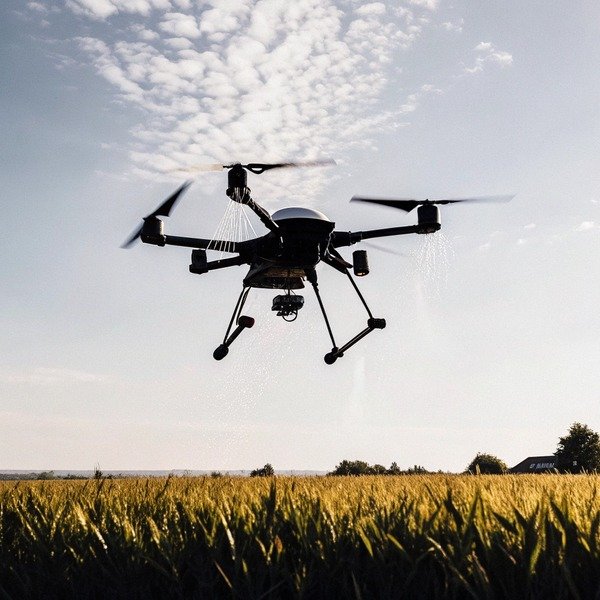
When we discuss fleet requirements with our partners in the United States, the conversation often starts with frustration about battery logistics. You might be struggling to decide if the quiet precision of electric motors is worth the hassle of field charging, or if the raw power of a hybrid engine justifies the extra maintenance. It is a classic trade-off between logistical ease and operational endurance.
Electric agricultural drones are best for small to medium farms under 100 hectares that prioritize low noise and zero emissions, while gas-electric hybrid drones are the superior choice for large-scale commercial operations requiring 1 to 4 hours of continuous flight time and heavy payload capacity.
To help you make the right investment for your specific workflow, let’s break down the technical differences and operational realities of these two propulsion systems propulsion systems 1.
Will a gas-electric hybrid drone offer better flight endurance for my large-scale operations?
We often see our clients trying to map or spray over 1,000 hectares, only to lose valuable daylight hours swapping battery packs. You know the pain of halting a mission just because your power source ran dry in the middle of a massive field. Our engineering team designed our hybrid series specifically to eliminate this interruption and keep your equipment in the air longer.
Yes, gas-electric hybrid drones offer significantly better endurance, typically flying for 1 to 4 hours per tank compared to the 20 to 40-minute limit of pure electric models. This extended range allows you to cover vast areas of 1,200+ hectares in a single day without frequent landings to swap batteries.
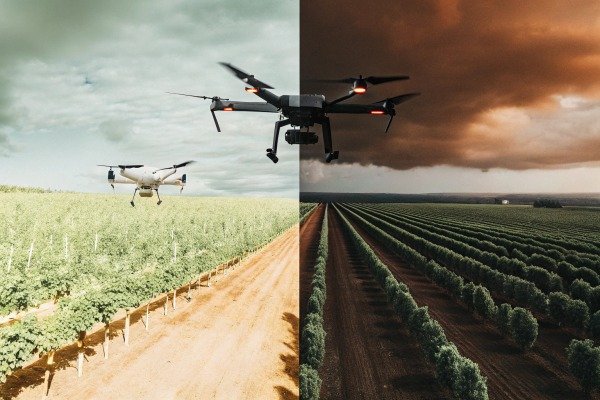
When we evaluate the performance of agricultural drones in real-world scenarios, the gap in endurance between electric and hybrid systems is the most critical factor for large-scale productivity.
The Logistics of Flight Time
If you operate an electric drone, you are likely familiar with the "20-minute rule." Most electric multirotors carrying a full liquid payload can only stay airborne for 15 to 25 minutes before the voltage sags to a safety threshold. For a small vineyard, this is fine. However, for a commodity crop producer, this means the drone commodity crop producer 2 spends more time on the ground being serviced than in the air working.
In contrast, the hybrid systems we test at our facility utilize an onboard internal combustion engine that acts as a generator. It converts gasoline into electricity in real-time to power the motors and recharge a small buffer battery. This results in flight times that can easily exceed 2 hours, even with a payload.
Coverage Efficiency
The difference in flight time translates directly to coverage. A hybrid drone can often finish a 100-acre plot in one continuous mission. An electric drone might require four or five separate flights to cover the same area. Each landing requires the pilot to return the drone to "home," shut down, swap batteries, restart the system, and fly back to the waypoint where it left off. This dead time adds up enormously over a season.
Refueling vs. Recharging
Consider the turnaround time as well. When a hybrid drone lands, refilling the fuel tank takes about two minutes. You pour in the gasoline, and you are ready to launch again.
With electric drones, you need a robust charging infrastructure. To fly continuously, you typically need at least four to six sets of expensive, high-capacity batteries and a powerful portable generator in the field to charge them as you fly. This adds logistical weight and complexity to your transport vehicle.
Comparison of Coverage Capabilities
| Fonctionnalité | Pure Electric Drone | Gas-Electric Hybrid Drone |
|---|---|---|
| Average Flight Time | 20 – 40 minutes | 1 – 4 hours |
| Turnaround Time | 10+ minutes (Swap & Check) | 2 minutes (Refuel) |
| Field Infrastructure | Multiple chargers & Generator | Gas Canister |
| Daily Coverage | ~200-300 Hectares | ~1,200+ Hectares |
| Meilleur cas d'utilisation | Precision Spot Spraying | Broad Acre Coverage |
In summary, if your contracts involve massive acreage where stopping every 20 minutes destroys your profit margin, the hybrid architecture provides the endurance necessary to get the job done efficiently.
How do the long-term operating costs of electric vs hybrid drones affect my ROI?
Many of our distributors are initially attracted to the lower sticker price of electric models, only to be shocked by the recurring costs of high-performance lithium batteries. You need to look beyond the initial invoice to understand where your money really goes over three years. We analyze these Total Cost of Ownership (TCO) figures constantly Total Cost of Ownership (TCO) 3 to ensure our partners remain profitable.
While electric drones have a lower upfront purchase price, their long-term operating costs can be higher due to the need for frequent replacement of expensive LiPo batteries every 300 to 500 cycles. Hybrid drones cost more initially but often deliver a better ROI for high-volume users because gasoline engines have a longer service life than consumable battery packs.

Calculating the Return on Investment (ROI) for industrial drones requires a shift in thinking. You must treat batteries as a "consumable" fuel source, much like gasoline, rather than a permanent asset.
The Hidden Cost of Batteries
Smart batteries used in agricultural drones are marvels of engineering Smart batteries 4, but they are chemically volatile. They degrade with every charge and discharge cycle. In heavy agricultural use—where rapid discharging generates high heat—a battery set might only last 300 to 500 cycles before its capacity drops below a usable level.
If you are flying all day, you might cycle through a battery set 10 times a day. That means you could be replacing a set of batteries (which can cost over $1,000 per set) every month or two during peak season. Over three years, the cost of batteries can easily exceed the cost of the drone frame itself.
Upfront vs. Operational Costs
Hybrid drones require a larger initial investment. You are paying for a complex engine, a generator, a fuel tank, and the flight control integration. However, the ongoing cost is primarily gasoline and oil. A well-maintained 2-stroke or 4-stroke engine can run for hundreds 2-stroke or 4-stroke engine 5 of hours before needing a major overhaul. The cost per hour of flight is often significantly lower with gasoline than with the depreciation cost of lithium batteries.
Resale Value
We also notice a difference in residual value. An electric drone with dead batteries is essentially a paperweight until the buyer invests thousands in new power packs. A hybrid drone, provided the engine has compression, retains more standalone value.
3-Year Estimated Cost Projection (Hypothetical Scenario)
| Catégorie de coût | Electric Drone Fleet | Hybrid Drone Fleet |
|---|---|---|
| Initial Hardware Cost | $15,000 | $28,000 |
| Power Source Cost | $12,000 (12 Battery Sets) | Included in Hardware |
| Yearly "Fuel" Cost | $2,000 (Electricity/Gen Fuel) | $4,500 (Gasoline) |
| Replacement Parts | $18,000 (Batteries over 3 yrs) | $3,000 (Engine maintenance) |
| Total 3-Year Cost | ~$47,000 | ~$40,000 |
Understanding the Break-Even Point
If you are a casual user flying only a few hours a week, the electric drone is cheaper. The batteries will age out due to time rather than cycles. But for a commercial service provider logging 500+ hours a year, the hybrid model often becomes the more improved financial choice after the second season.
Am I facing more complex maintenance issues if I choose a hybrid drone over an electric one?
We receive technical support tickets daily, and the nature of the problem usually tells us which propulsion system the client is using before we even open the file. You likely want to avoid spending your weekends troubleshooting engine carburetors or cleaning spark plugs. Our goal is to minimize your downtime, but the reality of physics dictates the maintenance schedule.
Hybrid drones introduce significantly more complex maintenance challenges, including regular oil changes, filter cleaning, and engine tuning, which require mechanical expertise. Electric drones are much simpler to maintain, as their brushless motors have few moving parts and typically only require basic inspections and occasional bearing replacements.

The maintenance profile is perhaps the starkest difference between these two technologies.
The Simplicity of Electric Systems
Electric motors are incredibly reliable. A brushless DC motor has essentially one moving part brushless DC motor 6: the rotor, supported by bearings. There is no friction from brushes, no combustion, and very little heat compared to an engine.
- Routine Maintenance: For our electric models, maintenance is mostly visual. You check the propellers for cracks, ensure the arm locks are tight, and wipe down the frame.
- Failure Points: The Electronic Speed Controllers (ESCs) and the motors themselves rarely fail Electronic Speed Controllers (ESCs) 7 unless there is a crash or water damage. The main maintenance task is managing the health of your lithium batteries (storage voltage, cell balancing).
The Complexity of Hybrid Engines
A hybrid drone carries a miniature power plant on its back. This is usually a 2-stroke gasoline engine. If you have ever owned a chainsaw or a weed whacker, you know the drill.
- Vibration and Wear: The engine creates high-frequency vibrations that can loosen screws over time. We recommend a "bolt check" before every major operation.
- Consumables: You must mix gas and oil precisely. You need to replace spark plugs, clean air filters (especially in dusty fields), and occasionally tune the carburetor for different altitudes or temperatures.
- The 50-Hour Service: Most hybrid engines require a deeper service every 50 to 100 hours, which might involve replacing piston rings or gaskets. If you lack mechanical skills, you might need to ship the unit back to the dealer or a service center, causing downtime.
Skill Set Requirements
Your team needs different skills for each platform.
- Electric: Requires expertise in battery chemistry safety and electrical diagnostics.
- Hybrid: Requires a mechanic who understands internal combustion engines, fuel lines, and starter motors.
Maintenance Task Comparison
| Task | Electric Drone | Hybrid Drone |
|---|---|---|
| Pre-flight Check | Check props, battery voltage | Check oil, fuel, plug cap, props |
| Cleaning | Wipe down frame | Clean air filter, wipe oil residue |
| Major Service | Replace bearings (rare) | Piston rings, carburetor kit (regular) |
| Skill Level Needed | Basic Tech Savvy | Small Engine Mechanic |
| Mess Factor | Clean | Oily/Fuel smell |
If your operation does not have someone comfortable with a wrench and greasy hands, the hybrid drone can become a frustration rather than an asset.
Which power system is better suited for my specific terrain and crop spraying requirements?
When we design custom flight controllers for clients in mountainous regions, we have to account for thin air and steep gradients. You might be worried about how your drone handles sudden gusts of wind or if the noise will disturb the neighbors’ livestock. These environmental factors often dictate the power system choice more than the specs sheet does.
Electric drones are better suited for operations requiring low noise, minimal vibration, and consistent performance at high altitudes where combustion engines lose power. However, hybrid drones are preferable for flat, rural terrain where long-range transmission and heavy payload stability are more critical than noise pollution concerns.

Your geography and your specific application (spraying vs. mapping) play a huge role in the decision.
Altitude and Air Density
One factor that is often overlooked is elevation. Combustion engines "breathe" air. As you go higher in altitude, the air density drops.
- Hybrid Struggle: A gas engine loses roughly 3% of its power for every 1,000 feet of elevation gain. If you are farming in high plateaus (like parts of Colorado or Yunnan), a hybrid engine might struggle to generate enough lift for a full payload.
- Electric Consistency: Electric motors are anaerobic; they do not need oxygen to produce torque. While the propellers still need air to push against, the motor itself maintains its power output efficiency regardless of altitude. This makes electric drones safer and more responsive in high-altitude environments.
Noise Pollution and Sensitive Areas
We export many units to regions with strict noise ordinances noise ordinances 8.
- The Noise Factor: Hybrid drones are loud. They sound like a lawnmower hovering in the sky. If you are spraying near residential areas, schools, or livestock (cows and horses can be easily spooked), a hybrid drone is likely to cause complaints or issues.
- The Stealth Advantage: Electric drones are significantly quieter. The "whir" of the blades is much less intrusive than the roar of a gas engine. For operations near urban edges or sensitive wildlife, electric is the only viable option.
Vibration and Spray Precision
For tasks like multispectral imaging or Ultra-Low Volume (ULV) spraying Ultra-Low Volume (ULV) 9, stability is key.
- Vibration Issues: The internal combustion engine in a hybrid creates vibration. While we use advanced dampers, some vibration still transmits to the frame. This can sometimes affect the sharpness of mapping images or the consistency of very fine spray droplets.
- Smooth Operation: Electric drones offer incredibly smooth flight characteristics. This allows for higher precision in spot spraying and better data quality when using sensitive cameras for crop health monitoring.
Terrain Suitability Matrix
| Terrain / Condition | Recommended System | Reason |
|---|---|---|
| High Altitude (>2000m) | Electric | Motors don't lose power in thin air. |
| Residential / Urban Edge | Electric | Low noise avoids complaints. |
| Vast Flatlands (>500ha) | Hybrid | Endurance allows fewer home points. |
| Rugged / No Road Access | Hybrid | Carry fuel easier than a generator + batteries. |
| Livestock Presence | Electric | Prevents panic in animals. |
In conclusion, if you are working on a massive, flat cornfield in the middle of nowhere, the hybrid is king. But for a high-value vineyard near a town or a farm in the mountains, the electric drone provides the safety and compliance you need safety and compliance 10.
Conclusion
Choosing between an electric and a gas-electric hybrid drone ultimately comes down to the scale of your land and your tolerance for maintenance. If you manage a farm under 100 hectares or operate near noise-sensitive areas, the electric drone offers a clean, quiet, and simple solution. However, if you are a commercial provider tasked with covering thousands of hectares efficiently, the hybrid drone is the only tool that offers the endurance to ensure your profitability, provided you have the mechanical skills to keep it running. At SkyRover, we are ready to help you configure the perfect platform for your specific needs.
Notes de bas de page
1. Technical overview of the propulsion technologies discussed. ︎
2. Official government definition and statistics regarding commodity crops. ︎
3. University extension resource explaining machinery cost calculations for farmers. ︎
4. Product page from a major manufacturer detailing smart battery technology. ︎
5. General encyclopedia definition of internal combustion engine types. ︎
6. Technical background on the mechanics of brushless motors. ︎
7. Manufacturer category page showing specifications for drone ESCs. ︎
8. Official government information regarding aviation noise regulation and inquiries. ︎
9. World Health Organization guidelines on equipment for ULV application. ︎
10. Official source for drone regulations and safety standards. ︎

 English
  Spanish
  German
  French
  Dutch
Dutch  Arabic
