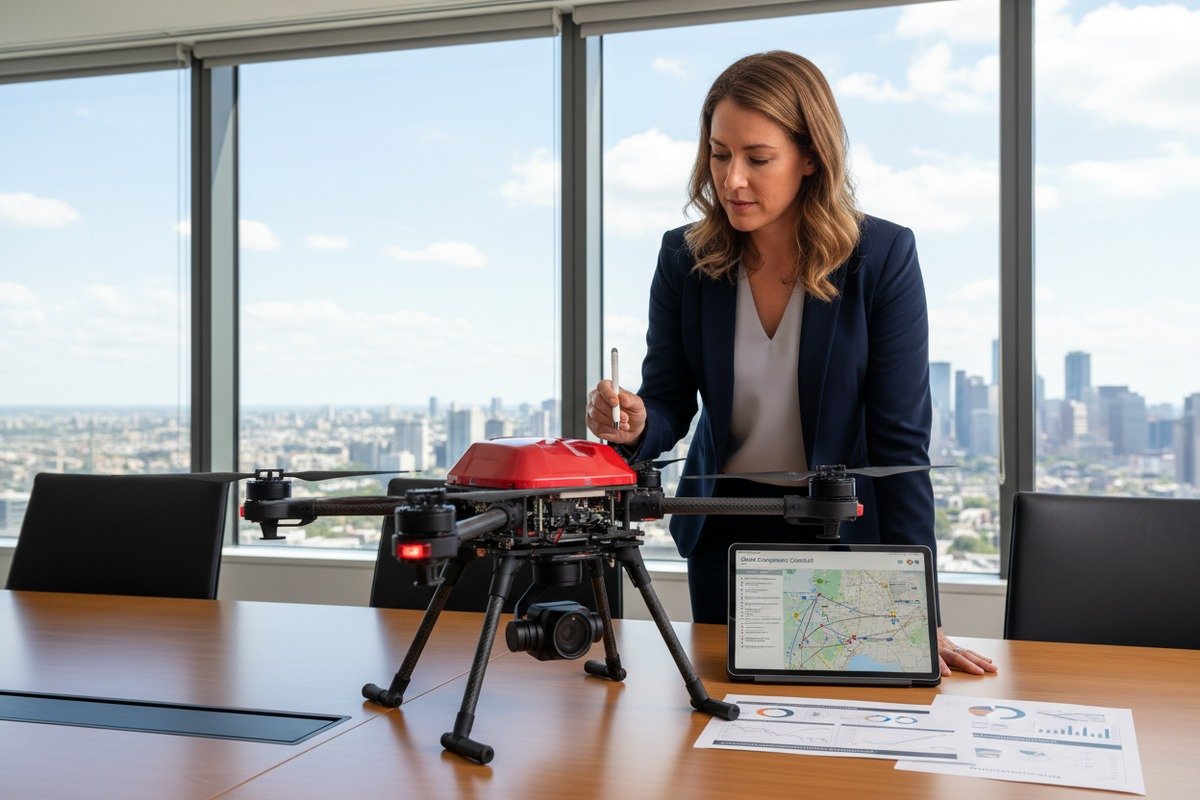
Lorsque notre équipe d'ingénieurs développe drones de lutte contre les incendies 1 pour les marchés internationaux, nous entendons constamment une préoccupation de la part des importateurs : “ Ce drone fonctionnera-t-il réellement dans nos conditions locales ? ” Sans un soutien adéquat en matière d'études de marché locales de la part de votre fournisseur, vous risquez d'acheter du matériel qui échoue aux tests de conformité ou qui ne répond pas aux besoins régionaux critiques.
Pour évaluer le soutien de votre fournisseur en matière d'études de marché locales, vérifiez sa connaissance de la réglementation aéronautique de votre pays, demandez ses études de cas spécifiques à la région, confirmez ses capacités de personnalisation pour les défis environnementaux locaux et vérifiez ses certifications d'exportation et son expérience en matière de documentation d'importation pour votre marché spécifique.
Le marché mondial des drones de lutte contre les incendies 2 a atteint 1,2 milliard de dollars américains en 2024 et devrait croître à un TCAC de 8,5 à 10,5 % jusqu'en 2035. Cette croissance rapide signifie que de plus en plus de fournisseurs entrent sur le marché, mais tous ne comprennent pas l'importance d'un soutien localisé. exigences de permis BVLOS 3. Laissez-moi vous expliquer exactement ce qu'il faut rechercher.
Comment savoir si un fabricant de drones comprend réellement la réglementation et les normes en matière de lutte contre les incendies dans mon pays ?
D'après notre expérience d'exportation en Amérique du Nord et en Europe, conformité réglementaire 4 c'est là que la plupart des transactions réussissent ou échouent. De nombreux acheteurs découvrent trop tard que leur fournisseur n'a jamais expédié dans leur pays auparavant.
Un fabricant démontre sa compréhension réglementaire en fournissant une documentation spécifique pour l'autorité de l'aviation de votre pays, en montrant un historique d'exportation antérieur vers votre région, en expliquant les exigences de permis BVLOS et en offrant des paramètres de conformité préconfigurés pour les restrictions de l'espace aérien local.
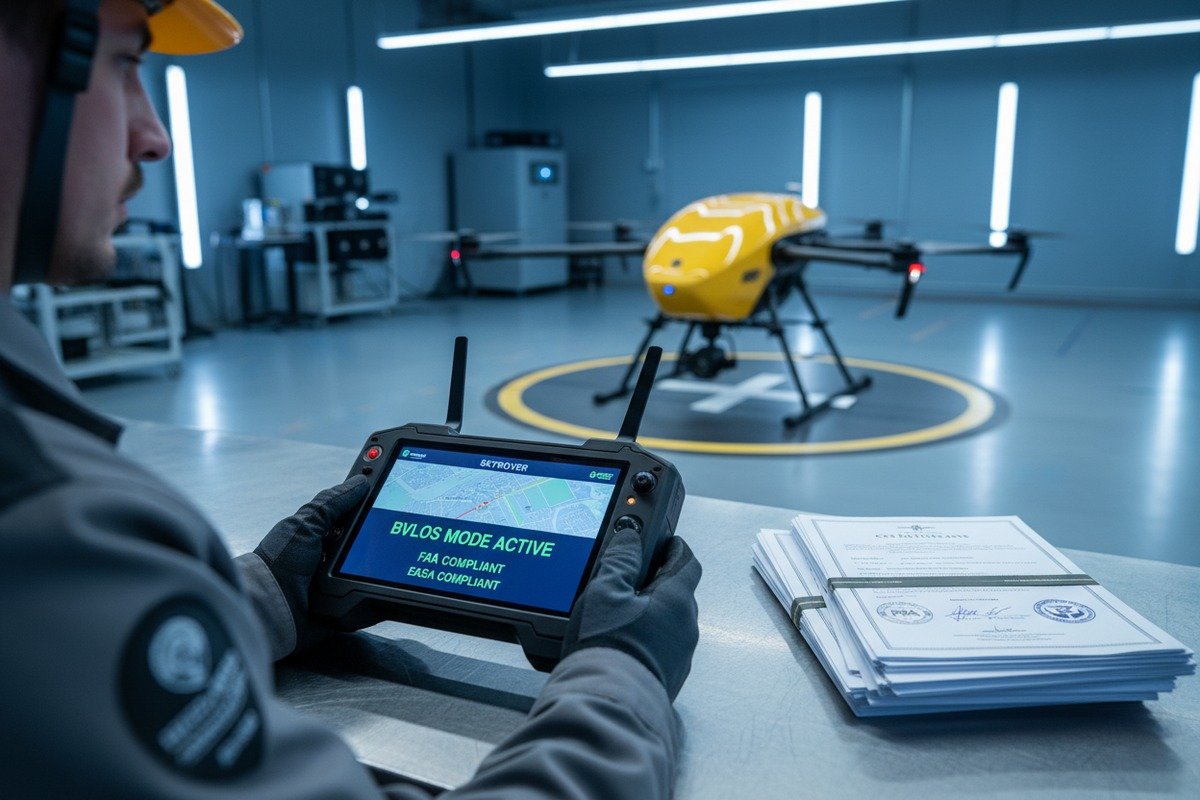
Pourquoi la connaissance réglementaire est plus importante que vous ne le pensez
Les services d'incendie et les agences gouvernementales ne peuvent pas déployer de drones qui n'ont pas les certifications appropriées. Aux États-Unis, FAA Part 107 5 régit les opérations de drones commerciaux, mais la lutte contre les incendies nécessite souvent des dérogations pour le vol hors de portée visuelle. Les marchés européens suivent Réglementation de l'AESA 6 avec différents systèmes de classification. Un fournisseur qui ne comprend pas ces différences vous expédiera un drone qui restera dans un entrepôt.
Notre équipe de contrôle qualité maintient une base de données des exigences de certification pour plus de 40 pays. Lorsqu'un client allemand demande un devis, nous savons déjà qu'il a besoin du marquage CE, de la documentation de conformité EASA et de configurations de bandes de fréquences spécifiques pour son équipement radio.
Principaux domaines réglementaires à vérifier
| Domaine réglementaire | Questions à poser à votre fournisseur | Drapeaux rouges |
|---|---|---|
| Conformité avec l'autorité de l'aviation | " Quelles certifications détenez-vous pour mon pays ? " | Réponses vagues ou aucune documentation spécifique |
| Opérations BVLOS | "Avez-vous fourni des drones pour des missions de lutte contre les incendies BVLOS dans ma région ?" | Pas d'études de cas ni de références |
| Approbation de la radiofréquence | "Quelles bandes de fréquences votre contrôleur utilise-t-il, et sont-elles légales dans mon pays ?" | Configuration globale unique sans variantes régionales |
| Confidentialité des données | "Où sont stockées les données de vol, et sont-elles conformes aux lois locales sur la souveraineté des données ?" | Serveurs cloud dans des pays restreints |
| Documentation d'importation | "Pouvez-vous fournir les codes douaniers et les documents d'importation dont j'ai besoin ?" | Refus d'aider à la documentation |
Comment tester les connaissances réglementaires
Demandez à votre fournisseur potentiel de nommer trois réglementations spécifiques dans votre pays qui affectent le déploiement de drones de lutte contre les incendies. S'ils ne peuvent pas répondre, ils manquent de l'étude de marché locale dont vous avez besoin. Dans notre établissement, nous formons les ingénieurs commerciaux aux exigences spécifiques à la région car nous comprenons qu'un achat de drone n'est réussi que lorsqu'il devient opérationnel.
Demandez un exemple de documentation de conformité. Nous fournissons à nos clients des modèles de déclaration en douane pré-remplis, des certificats de conformité et des dossiers de soumission aux autorités de l'aviation. Les fournisseurs sans cette capacité vous laisseront naviguer seuls dans une bureaucratie complexe.
Quelles informations spécifiques sur le marché un fournisseur peut-il fournir pour m'aider à vendre ses drones à mes clients du gouvernement local ?
Lorsque nous préparons des partenariats de distribution, nous demandons toujours : " Qui sont vos clients finaux ? " Les clients gouvernementaux exigent des approches de vente différentes de celles des acheteurs industriels privés.
Les fournisseurs de qualité fournissent des prévisions de la demande locale, une analyse des prix des concurrents, des informations sur le cycle des marchés publics gouvernementaux, des études de cas de déploiement réussies dans des régions similaires et des témoignages d'utilisateurs finaux de services d'incendie ou d'agences d'urgence qui peuvent appuyer vos présentations commerciales.
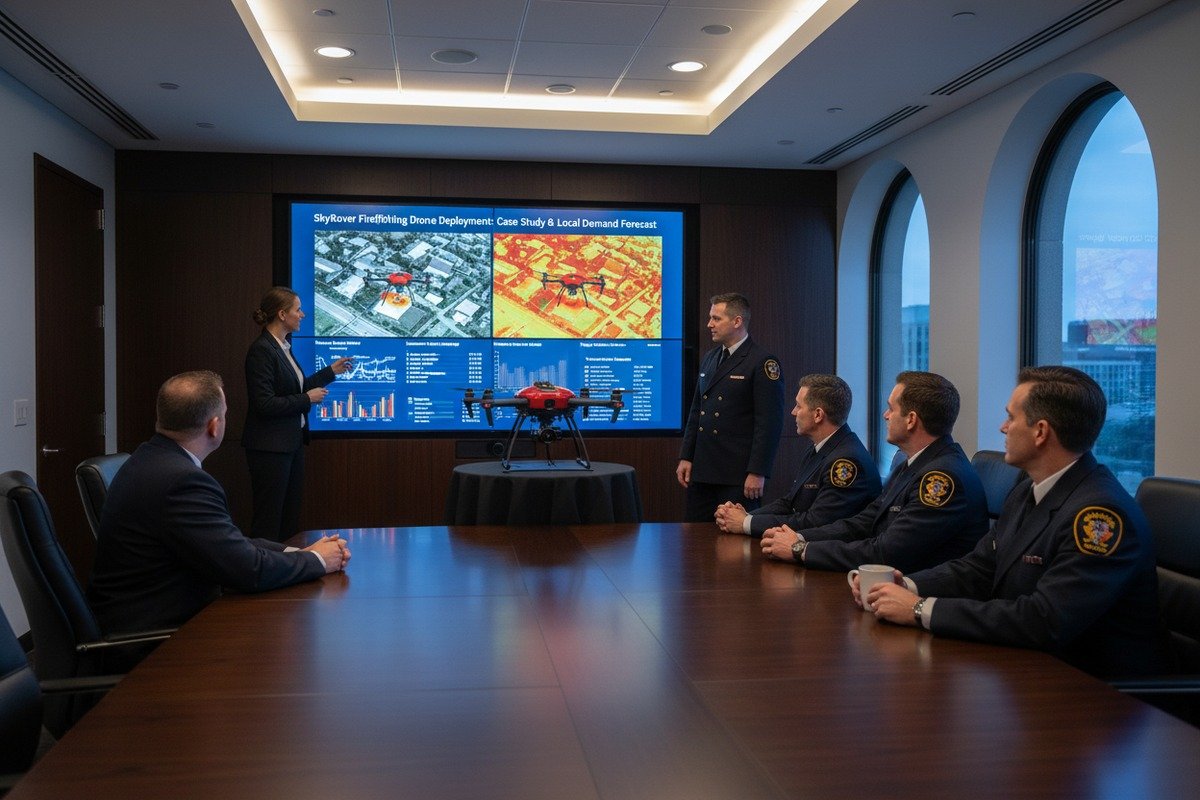
Comprendre les cycles d'approvisionnement gouvernementaux
Les services d'incendie gouvernementaux n'achètent pas d'équipement de la même manière que les entreprises privées. Ils suivent les budgets de l'exercice, nécessitent plusieurs niveaux d'approbation et ont souvent besoin de documentation pour les appels d'offres. cycles d'approvisionnement gouvernementaux 7 Un fournisseur ayant une solide connaissance du marché local saura quand vos gouvernements régionaux publient généralement des appels d'offres pour les équipements d'urgence.
En Amérique du Nord, de nombreux services d'incendie reçoivent des financements de subventions fédérales par le biais de programmes tels que les subventions d'assistance aux pompiers de la FEMA. Notre équipe suit ces cycles de financement et peut conseiller les distributeurs sur le moment optimal pour leurs efforts de vente. Ce type d'information distingue les partenaires de fabrication sérieux des simples vendeurs de produits.
Renseignements sur le marché que vous devriez exiger
| Type de renseignements sur le marché | Ce qu'il faut demander | Comment cela aide vos ventes |
|---|---|---|
| Prévisions de la demande | Projections de croissance régionales pour l'adoption des drones de lutte contre les incendies | Justifie l'investissement en stock et identifie les territoires à fort potentiel |
| Analyse de la concurrence | Comparaison des prix et des fonctionnalités avec d'autres fournisseurs sur votre marché | Positionne efficacement votre offre par rapport aux alternatives locales |
| Études de cas | Déploiements documentés avec des résultats mesurables | Fournit des preuves pour les comités d'approvisionnement gouvernementaux |
| Témoignages d'utilisateurs finaux | Citations de chefs de pompiers ou de responsables des urgences | Renforce la crédibilité auprès des acheteurs gouvernementaux réfractaires au risque |
| Mises à jour réglementaires | Surveillance continue des changements de règles affectant les opérations de drones | Maintient votre équipe de vente informée et digne de confiance |
Adaptation du support de vente pour différents types de clients
Nos distributeurs vendent à divers segments de clientèle. Les services d'incendie ont besoin d'informations différentes de celles des gestionnaires d'installations industrielles. Un fournisseur doit fournir du matériel de vente spécifique à chaque segment.
Pour les clients gouvernementaux, nous préparons des analyses du coût total de possession qui incluent la maintenance, la formation et des projections opérationnelles sur cinq ans. Les responsables des marchés publics doivent justifier les allocations budgétaires à long terme, pas seulement les prix d'achat initiaux. Nos recherches montrent que les drones de lutte contre l'incendie nécessitent environ 15 à 20 % du coût initial par an pour la maintenance et les mises à jour logicielles.
Pour les prestataires de services tiers, nous nous concentrons sur le potentiel de revenus et les gains d'efficacité opérationnelle. Ces acheteurs veulent savoir à quelle vitesse le drone se rentabilise grâce aux services de soutien de lutte contre l'incendie sous contrat.
Vrai partenariat vs. vente transactionnelle
Demandez aux fournisseurs potentiels s'ils proposent des programmes de soutien aux distributeurs. Offrent-ils des fonds de co-marketing ? Participeront-ils aux salons professionnels dans votre région ? Peuvent-ils fournir du personnel technique pour des démonstrations clients importantes ?
Nous avons alloué des gestionnaires de compte dédiés aux marchés clés car nous reconnaissons que le succès local nécessite un soutien continu, pas seulement une transaction unique.
Le fabricant peut-il m'aider à personnaliser les fonctionnalités du drone en fonction des défis environnementaux uniques de ma région locale ?
Notre équipe de R&D reçoit souvent des demandes qui nous surprennent : des drones pour le froid extrême en Scandinavie, une résistance à l'air salin pour les régions côtières, ou des performances en haute altitude pour la lutte contre les incendies en montagne. Chaque région présente des défis uniques.
Les fabricants compétents offrent une personnalisation environnementale, notamment l'optimisation de la chimie des batteries pour les températures extrêmes, des revêtements résistants à la corrosion pour les environnements côtiers ou industriels, le réglage du moteur ajusté à l'altitude, des configurations de charge utile spécialisées pour les types d'incendies régionaux et des modifications logicielles pour les protocoles de communication locaux.
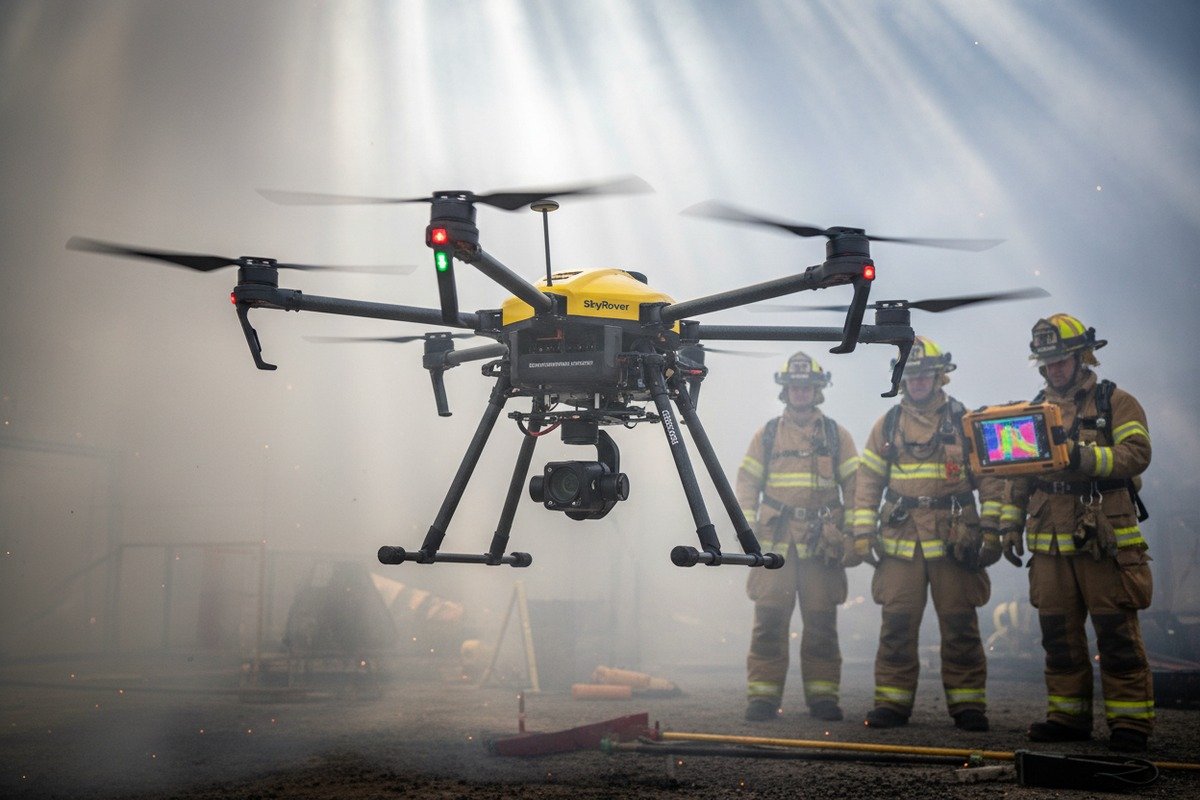
Défis environnementaux nécessitant une personnalisation
Les drones de lutte contre l'incendie sont confrontés à des conditions d'exploitation difficiles. Les configurations standard fonctionnent bien dans les climats modérés, mais les environnements extrêmes exigent des modifications d'ingénierie. Lorsque nous calibrons nos contrôleurs de vol, nous prenons en compte des plages de température ambiante allant de -20°C à +50°C car nos clients opèrent dans des conditions très différentes.
| Défi environnemental | Limitation standard | Solution de personnalisation |
|---|---|---|
| Froid extrême (-30°C et moins) | La capacité de la batterie chute de 40-50%, les moteurs peuvent geler. | Compartiments de batterie chauffés, lubrifiants pour temps froid, systèmes de préchauffage avant vol. |
| Chaleur extrême (+45°C et plus) | Surchauffe de l'électronique, dégradation accélérée de la batterie. | Systèmes de refroidissement améliorés, sélection de composants résistants à la chaleur, logiciel de gestion thermique |
| Haute Altitude (3000m+) | Portance réduite due à l'air raréfié, contrainte moteur | Conception d'hélices pour haute altitude, moteurs améliorés, algorithmes de vol ajustés |
| Environnements Côtiers/Marins | Corrosion saline sur l'électronique et le châssis | Revêtement conforme sur les circuits imprimés, connecteurs de qualité marine, matériaux résistants à la corrosion |
| Conditions de Fumée Dense | Interférence des capteurs, perte de signal GPS | Systèmes de navigation redondants, capteurs capables de pénétrer la fumée, imagerie thermique améliorée |
Personnalisation de la charge utile pour les types d'incendies régionaux
Les incendies urbains nécessitent des capacités différentes de celles des feux de forêt. Notre équipe d'ingénierie a développé des variantes de charge utile spécifiquement pour ces cas d'utilisation distincts.
Pour les incendies urbains et structurels, les caméras thermiques à plus haute résolution aident à identifier les victimes piégées et les points chauds dans les structures complexes des bâtiments. Les systèmes de largage d'eau ou de retardateur de flamme nécessitent un ciblage de précision pour les espaces confinés.
Pour les feux de forêt, l'endurance de vol prolongée est plus importante que la précision de la charge utile. Notre plateforme octocoptère à forte capacité de levage peut transporter des charges utiles de retardateur de flamme jusqu'à 25 kg avec des temps de vol de 35 minutes. Certains clients de l'ouest des États-Unis demandent une intégration avec les systèmes de coordination de la lutte aérienne contre les incendies utilisés par CAL FIRE.
Personnalisation du logiciel et de la communication
Différentes régions utilisent différentes normes de communication d'urgence. Les clients européens ont souvent besoin d'une intégration avec les réseaux TETRA. Les clients nord-américains peuvent nécessiter la compatibilité P25. Notre équipe de développement logiciel peut modifier les protocoles de communication pour correspondre à l'infrastructure locale.
Nous personnalisons également les logiciels de cartographie et de reporting pour répondre aux exigences linguistiques locales et aux formats de données. Les agences gouvernementales ont généralement besoin de rapports qui correspondent à leurs systèmes de gestion d'incidents existants.
Comment évaluer la capacité de personnalisation
Demandez des exemples de projets de personnalisation antérieurs. Demandez les spécifications techniques de la manière dont les modifications ont été mises en œuvre. Un fabricant doté d'une réelle capacité de personnalisation disposera de documentation technique et de données de test à partager.
Méfiez-vous des fournisseurs qui promettent une personnalisation mais n'offrent que des changements cosmétiques comme des palettes de couleurs ou le placement de logos. Une véritable personnalisation environnementale nécessite des modifications matérielles, des ajustements logiciels et des tests de validation.
Comment puis-je confirmer qu'un fournisseur possède les certifications nécessaires et l'expérience d'exportation pour répondre à mes exigences d'importation locales ?
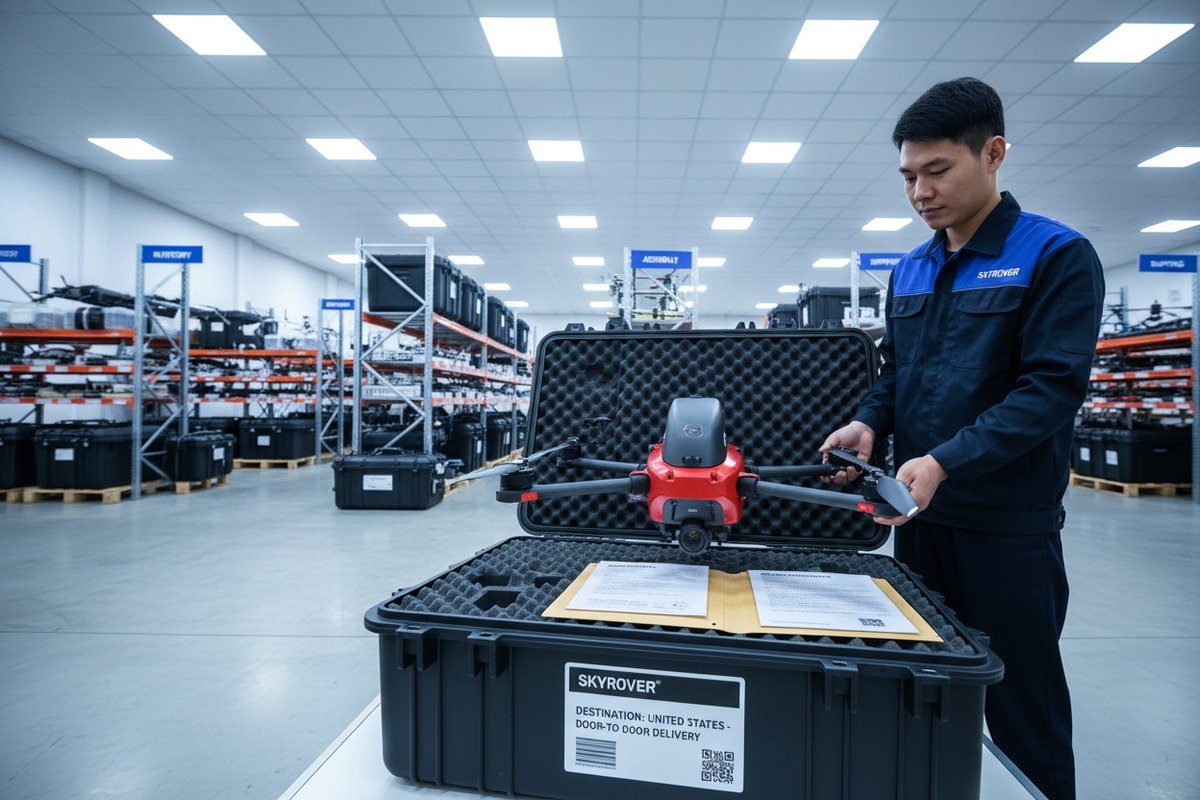
Notre service d'expédition gère quotidiennement la documentation douanière. Nous avons appris que l'expérience d'exportation distingue les fournisseurs fiables des fournisseurs problématiques. Une seule erreur de documentation peut retarder votre expédition de plusieurs semaines.
Confirmez l'expérience d'exportation en demandant des copies des déclarations d'exportation précédentes vers votre pays, en vérifiant la certification ISO 9001 et les certifications de produits pertinentes, en consultant les références des distributeurs actuels dans votre région, en examinant leurs relations avec les courtiers en douane et en confirmant qu'ils comprennent la réglementation sur le contrôle des exportations à double usage pour la technologie des drones.
Certifications essentielles à vérifier
Les certifications de produits varient selon le marché de destination. Un fournisseur complet maintient des certifications pour plusieurs régions et peut fournir rapidement la documentation sur demande.
| Certification | Région | Ce qu'il couvre | Méthode de vérification |
|---|---|---|---|
| Marquage CE | Union européenne | Sécurité des produits, CEM, équipement radio | Demander la déclaration de conformité et les rapports de test |
| FCC Partie 15 | États-Unis | Émissions de radiofréquence | Demander l'identifiant FCC et la documentation de certification |
| ISO 9001 8 | Mondial | Systèmes de gestion de la qualité | Demander le certificat actuel avec les dates d'audit |
| ISO 14001 | Mondial | Gestion environnementale | Demander le certificat actuel |
| Conformité ITAR/EAR | États-Unis | Contrôle des exportations pour les technologies liées à la défense | Demander une détermination de classification à l'exportation |
| Conformité RoHS | UE et autres | Restrictions concernant les substances dangereuses | Demander des déclarations de matériaux |
Documentation d'exportation que votre fournisseur doit fournir
Les exportateurs professionnels préparent des dossiers de documentation complets. Dans nos installations, chaque expédition internationale comprend :
Facture commerciale avec codes HS et descriptions de produits exacts. Liste de colisage avec poids et dimensions. Certificat d'origine pour le traitement tarifaire préférentiel le cas échéant. Certificats de conformité des produits pour le pays de destination. Documentation technique pour la vérification de la classification douanière.
Nous fournissons également des conseils sur les droits d'importation et les exigences spéciales. Par exemple, les expéditions de batteries au lithium nécessitent Rapports de test UN38.3 9 et une documentation spécifique sur les marchandises dangereuses. Un fournisseur peu familier avec ces exigences entraînera la rétention de votre expédition à la douane.
Signaux d'alarme dans l'expérience d'exportation
Surveillez ces signes avant-coureurs lors de l'évaluation de la capacité d'exportation d'un fournisseur :
Incapacité à fournir des exemples de documentation d'exportation antérieurs. Méconnaissance des codes HS pour les produits de drones. Aucune relation établie avec des transitaires ou des courtiers en douane. Demandes pour que vous gériez vous-même toute la logistique d'importation. Manque d'expérience avec les réglementations d'expédition de batteries au lithium.
Contrôles des exportations à double usage
La technologie des drones relève parfois des réglementations de contrôle des exportations en raison de ses applications militaires potentielles. Aux États-Unis, les réglementations ITAR et EAR régissent les exportations de certaines technologies. Les pays européens ont des contrôles similaires.
Un fournisseur responsable comprend ces réglementations et maintient des licences d'exportation appropriées. Il devrait être en mesure d'expliquer comment ses produits sont classifiés et quelle documentation soutient l'exportation légale vers votre pays.
Notre équipe de conformité examine chaque commande internationale par rapport aux listes de contrôle des exportations. Cela nous protège, ainsi que nos clients, contre les violations réglementaires qui pourraient entraîner de lourdes sanctions.
Étapes de vérification pratiques
Références de contact dans votre région. Demandez à d'autres importateurs leur expérience avec le fournisseur. Les expéditions sont-elles arrivées à temps ? La documentation était-elle exacte ? Comment le fournisseur a-t-il géré les problèmes douaniers ?
Demandez une expédition d'essai d'accessoires ou de pièces de rechange avant de vous engager dans une commande complète de drones. Cela teste la capacité logistique du fournisseur avec un risque moindre.
Conclusion
La sélection d'un fournisseur de drones de lutte contre les incendies nécessite une évaluation approfondie de ses capacités de recherche sur le marché local. Vérifiez les connaissances réglementaires, les informations sur le marché de la demande, confirmez la capacité de personnalisation et validez l'expérience d'exportation. Ces quatre domaines déterminent si votre fournisseur devient un véritable partenaire ou une source de problèmes continus.
Notes de bas de page
1. Fournit un aperçu de l'utilisation des drones dans les applications de lutte contre les incendies. ︎
2. Offre des perspectives sur la taille du marché et la croissance des drones de lutte contre les incendies. ︎
3. Lien 404 remplacé par la page officielle de la FAA sur les opérations avancées de UAS, y compris au-delà de la ligne de visée visuelle (BVLOS). ︎
4. Explique l'importance de la conformité réglementaire pour les opérations de drones. ︎
5. Détaille les réglementations spécifiques des États-Unis pour les opérations commerciales de drones. ︎
6. Fournit des informations sur les réglementations européennes relatives aux drones et les systèmes de classification. ︎
7. Fournit un aperçu des services et rôles d'approvisionnement gouvernementaux. ︎
8. Fournit des informations sur la norme internationale des systèmes de management de la qualité. ︎
9. Remplacement du lien 403 par la page d'un organisme de test et de certification réputé sur les tests UN 38.3 pour les batteries au lithium. ︎

 English
  Español de México
  Deutsch
  Français
  Русский
  العربية
