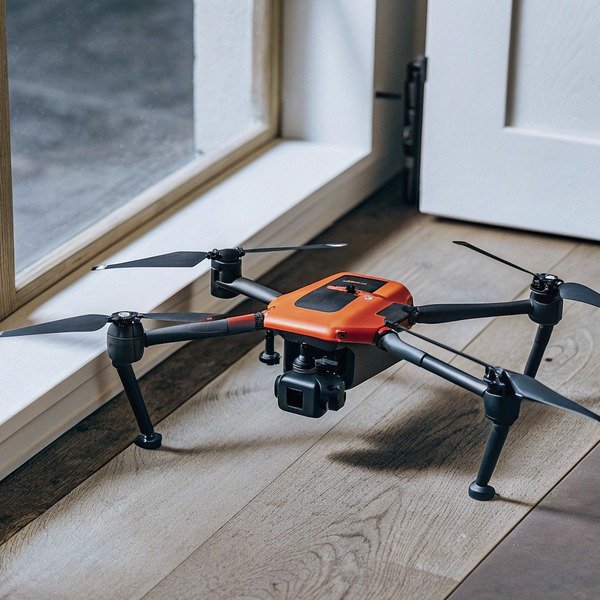
Observer un drone à charge lourde vaciller lors d'un vol d'essai dans notre installation de Xi'an nous a appris que la stabilité commence à l'articulation, pas seulement au contrôleur de vol.
Demandez aux fournisseurs si leurs verrous de bras utilisent des capteurs intégrés, tels que des détecteurs magnétiques ou optiques, pour empêcher le décollage lorsqu'ils ne sont pas sécurisés. De plus, vérifiez si le mécanisme comprend un loquet mécanique secondaire et demandez des données de test de vibration confirmant la stabilité sous contrainte de charge lourde.
Explorons les questions critiques qui garantissent que votre flotte reste en vol et en sécurité lors d'opérations dangereuses.
Quels modèles spécifiques de verrous de bras dois-je rechercher pour assurer une stabilité de vol maximale ?
Lors de la conception de nos châssis SkyRover, nous avons remarqué que les simples verrous à friction échouaient souvent sous contrainte de chaleur élevée, entraînant des vibrations dangereuses lors de moments critiques de la mission.
Recherchez des verrous de bras dotés d'un collier fileté ou d'une conception à verrouillage par came, combinés à des capteurs de détection de verrouillage électroniques. Ces systèmes sécurisent mécaniquement le bras contre le mouvement tout en confirmant numériquement l'état au contrôleur de vol, garantissant que le drone ne peut pas voler si les bras sont desserrés.

La mécanique de la stabilité
Dans le secteur des drones industriels, le verrou de bras est le fondement des performances de vol. secteur des drones industriels 1 Si le bras bouge ne serait-ce que d'une fraction de millimètre, le contrôleur de vol reçoit des données contradictoires de l'unité de mesure inertielle (IMU). Unité de mesure inertielle (IMU) 2 Cela amène les moteurs à surcompenser, entraînant une oscillation ou des "secousses" dans le flux vidéo. Lorsque nous consultons les services d'incendie, nous insistons sur le fait que la stabilité ne concerne pas seulement le logiciel ; il s'agit de rigidité mécanique.
Vous devriez rechercher des conceptions qui compriment mécaniquement l'articulation. Un collier fileté, similaire à un raccord de tuyau haute pression, offre la meilleure compression. Il se serre autour de toute la circonférence du tube du bras. Cela élimine le "jeu" ou le mou.
Systèmes de vérification électronique
Les normes de sécurité modernes exigent désormais plus qu'un simple verrouillage physique. Normes de sécurité modernes 3 Les drones de lutte contre l'incendie haut de gamme devraient avoir des bras "intelligents". drones de lutte contre les incendies 4 Cela implique un capteur à l'intérieur de l'articulation.
- Capteurs magnétiques à effet Hall : Un petit aimant dans le bras déclenche un capteur lorsque celui-ci est complètement verrouillé.
- Micro-interrupteurs : Un bouton physique qui est pressé lorsque le loquet est fermé.
- Capteurs optiques : Un faisceau lumineux qui est interrompu lorsque le bras est en position.
Si ces capteurs ne détectent pas un état "fermé", le logiciel du drone doit bloquer le démarrage des moteurs. Cela empêche le pilote de décoller avec un bras mal fixé dans la précipitation.
Comparaison des architectures de verrouillage
Différents fabricants utilisent différentes philosophies de verrouillage. Voici un aperçu de ce que nous observons sur le marché et de ce que vous devriez privilégier pour les opérations de levage lourd.
H3 – Comparaison des mécanismes de verrouillage de bras courants
| Type de verrouillage | Description du mécanisme | Note de stabilité | Adéquation à la lutte contre l'incendie |
|---|---|---|---|
| Collier fileté | Une bague rotative se visse sur l'articulation, la comprimant comme un raccord de plomberie. | Haut | Meilleur. Extrêmement rigide et étanche à la poussière. |
| Loquet à came | Un levier rapproche l'articulation, similaire à un système de déverrouillage rapide de roue de vélo. | Moyenne-élevée | Bon. Rapide à déployer, mais la tension doit être ajustée régulièrement. |
| Goupille à bouton-poussoir | Une goupille à ressort s'enclenche dans un trou. | Faible-Moyen | Pauvre. Risque de développer du jeu avec le temps. |
| Ajustement par friction | Le bras est inséré de force dans une fente sans verrou dédié. | Faible | Dangereux. Risque élevé de défaillance sous vibration. |
Lorsque vous parlez à un représentant commercial, demandez spécifiquement si le verrou permet un réglage de tension sans outil. Avec le temps, tous les mécanismes se desserrent. Une bonne conception permet au pilote de resserrer le verrou à la main sur le terrain sans avoir besoin d'une clé Allen ou d'un tournevis.
Comment puis-je vérifier la résistance des matériaux et la durabilité du mécanisme de bras pliant ?
Nous rejetons souvent des alliages moins chers dans notre chaîne d'approvisionnement car ils deviennent cassants après des cycles de pliage répétés par temps froid, risquant une défaillance structurelle lors des déploiements hivernaux.
Demandez des certifications de matériaux spécifiant de l'aluminium de qualité aéronautique (comme le 7075 ou le 6061) ou des composites en fibre de carbone pour les articulations. De plus, demandez des rapports de tests de cycle de vie montrant que le mécanisme résiste à des milliers de cycles de pliage sans développer de jeu ni de fatigue du métal.

Science des matériaux dans les environnements à haute température
Les drones de lutte contre les incendies sont confrontés à un défi unique : les changements rapides de température. Un drone peut être stocké dans un camion de pompiers froid à 5°C, puis voler près d'un incendie où les températures dépassent 60°C. Cela provoque une dilatation thermique. Si les matériaux sont bon marché, le verrouillage du bras peut se bloquer (dilatation) ou se desserrer (contraction). dilatation thermique 5
Nous recommandons d'insister sur Aluminium 7075 usiné CNC. Cet alliage est utilisé dans les ailes d'avions. Il a une résistance à la traction élevée et résiste à la fatigue. Certains drones moins chers utilisent de l'aluminium moulé ou du plastique moulé pour l'articulation de pliage. Le plastique peut fondre ou se déformer près d'un incendie. L'aluminium moulé est cassant et peut se fissurer si le drone atterrit brutalement.
Validation des affirmations de durabilité
N'acceptez pas seulement la parole de la brochure. Vous devez demander les données du "Test de cycle". Ce test consiste à plier et déplier le bras des milliers de fois à l'aide d'une machine.
- Demandez : "Quel est le cycle de vie nominal du mécanisme de pliage ?"
- Objectif : Vous voulez un nombre supérieur à 2 000 cycles.
- Demandez : "Les articulations sont-elles usinées CNC ou moulées sous pression ?"
- Objectif : L'usinage CNC est supérieur.
H3 – Identification des schémas d'usure
Lors de l'évaluation d'une unité de démonstration, inspectez l'intérieur de l'articulation de pliage. Si vous voyez des copeaux de métal ou de la poudre, cela signifie que l'aluminium se frotte contre lui-même. C'est un signe de matériau mou ou d'une anodisation médiocre. Les articulations de haute qualité comportent généralement une doublure ou une rondelle faite d'un matériau différent (comme du laiton ou du Téflon) pour réduire la friction et l'usure.
H3 – Liste de contrôle des performances des matériaux
| Composant Matériel | Matériau recommandé | Pourquoi c'est important pour la lutte contre les incendies |
|---|---|---|
| Joint Principal | Aluminium 7075-T6 | Rapport résistance/poids élevé ; résiste aux fissures lors d'atterrissages difficiles. |
| Collier de Blocage | Aluminium 6061 | légèrement plus souple que le joint pour éviter le grippage (usure par frottement). |
| Axe de Pivot | Acier inoxydable | Résiste à la rouille due aux projections d'eau et de mousse ; résistance élevée au cisaillement. |
| Douille/Rondelle | Bronze Phosphoreux ou Téflon | Autolubrifiant ; empêche le joint de grincer ou de frotter. |
Nous conseillons toujours à nos clients de vérifier si l'axe de pivot est en acier inoxydable. Les drones de lutte contre l'incendie sont mouillés. Si l'axe rouille, le bras se bloquera et vous ne pourrez plus le replier dans le boîtier.
Les verrous de bras sont-ils dotés de loquets de sécurité secondaires pour empêcher le déverrouillage accidentel pendant les opérations ?
Lors des tests sur le terrain avec des charges utiles lourdes, nous avons découvert que les verrous primaires peuvent se desserrer sous l'effet des vibrations sans système de secours, créant un point de défaillance unique.
Oui, les drones de lutte contre l'incendie haut de gamme doivent être dotés d'un système de double verrouillage, tel qu'une goupille de sécurité physique ou un loquet à ressort qui s'engage automatiquement. Cette redondance garantit que le bras reste rigide même si le collier de serrage ou le loquet primaire se desserre involontairement lors d'un vol turbulent.
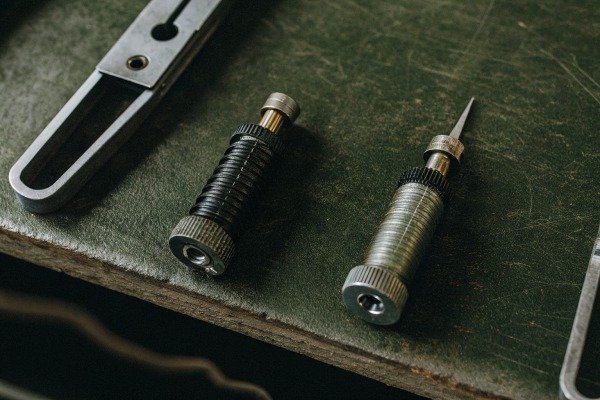
Le Principe de Redondance
En aviation, la redondance, c'est la vie. Une seule défaillance ne devrait jamais faire tomber l'avion. En aviation, la redondance, c'est la vie 6 La serrure principale (comme le collier fileté) fait le gros du travail. Elle maintient le bras rigide. Cependant, les vibrations agissent comme une main invisible, essayant constamment de dévisser ce collier.
A loquet de sécurité secondaire agit comme une sécurité en cas de défaillance. Il ne supporte pas la charge du bras, mais il bloque physiquement le bras pour qu'il ne se replie pas. Même si la serrure principale tombe complètement, le loquet secondaire maintient le drone en l'air.
Types de mécanismes secondaires
Lorsque vous inspectez un drone, recherchez ces caractéristiques spécifiques :
- Goupilles de sécurité : Une goupille en acier qui glisse à travers l'articulation. C'est la méthode la plus fiable. Elle est visuelle et physique. Vous pouvez voir que la goupille est en place.
- Boutons à ressort : Un bouton qui se met en place lorsque le bras est complètement déployé. Vous devez appuyer sur ce bouton pour replier le bras.
- Colliers à filetage inversé : Certaines conceptions utilisent des filetages qui se serrent lorsque le drone vibre, plutôt que de se desserrer.
H3 – Erreur humaine et loquets de sécurité
Le loquet secondaire protège également contre les erreurs du pilote. Dans le chaos d'une intervention d'urgence, un pilote pourrait oublier de serrer complètement le collier principal. intervention d'urgence 7 S'il existe un système secondaire de "clic", le bras est toujours sûr pour un court vol.
Nous intégrons ces fonctionnalités car nous savons que sur le terrain, les opérateurs portent des gants épais. Ils pourraient ne pas avoir le retour tactile pour savoir si une vis est parfaitement serrée. Un levier ou une goupille de sécurité large et visible est plus facile à vérifier visuellement qu'une vis serrée.
H3 – Fonctionnalités de redondance à demander
| Nom de la fonctionnalité | Fonction | Question de vérification |
|---|---|---|
| Goupille de sécurité | Bloque physiquement le mouvement de pliage. | "Le bras nécessite-t-il une action distincte pour être déverrouillé après l'ouverture du loquet principal ?" |
| Indicateur visuel | Indique l'état rouge/vert du verrou. | "Y a-t-il une marque codée par couleur qui confirme que le verrou est complètement engagé ?" |
| Clic audible | Le son confirme l'engagement. | "Le mécanisme émet-il un son distinct lorsqu'il est solidement verrouillé ?" |
| Pièces attachées | Empêche la perte de goupilles/écrous. | "Les goupilles de sécurité sont-elles attachées au cadre pour ne pas se perdre dans l'herbe ?" |
Si un fournisseur vous dit que son verrouillage principal est "si solide qu'il n'a pas besoin de secours", soyez très sceptique. Tout système mécanique peut tomber en panne. La redondance est la marque des équipements professionnels.
Quels rapports de test de vibration et de contrainte dois-je demander pour valider la fiabilité des verrous de bras ?
Notre équipe d'ingénierie passe des semaines à analyser les journaux de vol pour s'assurer que les articulations des bras ne génèrent pas de bruit affectant l'IMU, ce qui est essentiel pour un vol stationnaire de précision dans la fumée.
Demandez les journaux de vol démontrant des niveaux de vibration inférieurs à 2,0 m/s² sur les articulations des bras lors de manœuvres à pleine charge. Demandez également les résultats des tests de chute et les rapports de cyclage thermique qui prouvent que les verrous maintiennent leur intégrité lors de la transition entre Temps moyen entre les pannes (MTBF) 8 des températures extrêmes et des altitudes glaciales.
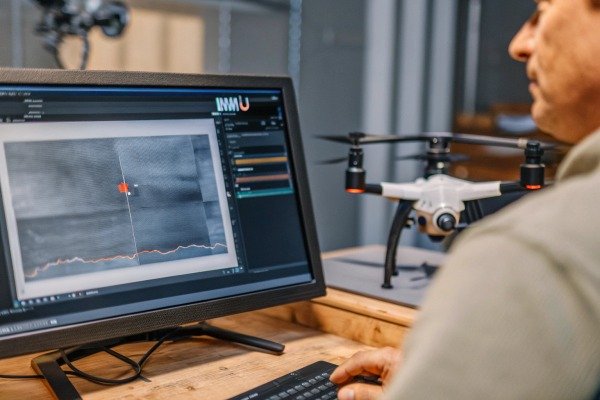
Comprendre les données de vibration
La vibration est l'ennemi des drones. Elle desserre les vis, perturbe les capteurs et fissure les soudures. La vibration est l'ennemi 9 Le verrou de bras est la source la plus courante de mauvaises vibrations. Si le verrou est lâche, le moteur au bout du bras agit comme un levier, amplifiant les secousses.
Lorsque vous demandez un "Rapport de test de vibration", vous recherchez des données spécifiques. Vous voulez voir l'amplitude des vibrations mesurée en gravité (g) ou en m/s².
- Bon résultat : Vibration inférieure à 1,0 m/s² pendant le vol stationnaire.
- Résultat acceptable : Vibration inférieure à 2,5 m/s² pendant un freinage agressif.
- Mauvais résultat : Pics supérieurs à 4,0 m/s². Cela indique que le bras bouge indépendamment du corps.
Tests de résistance pour des scénarios réels
Les drones de lutte contre l'incendie transportent des charges lourdes : tuyaux d'eau, boules extinctrices ou caméras thermiques lourdes. Les verrous de bras doivent supporter ce poids ainsi que la force G du vol.
Vous devriez demander un Rapport de test de charge statique. Cela montre combien de poids pèse sur le bras avant que le verrou ne cède. Pour un drone qui transporte 10 kg, le verrou du bras doit supporter au moins 30 kg de force pour tenir compte des forces G lors d'un virage serré.
H3 – Le test "Shake and Bake"
Le test le plus rigoureux est le test combiné de thermique et de vibration. Nous appelons cela le "Shake and Bake". Le drone est placé sur une table vibrante à l'intérieur d'une chambre climatique. table vibrante 10 Il est secoué pendant que la température oscille de -20°C à +50°C.
Cela simule une intervention d'urgence en hiver. Le métal se contracte dans l'air froid, ce qui peut desserrer le verrou. Ensuite, les vibrations commencent. Si la conception est médiocre, le bras cédera. Demander ce rapport spécifique distingue les fabricants haut de gamme des fabricants de jouets.
H3 – Indicateurs clés de test à exiger
| Type de test | Indicateur à rechercher | Implication dans le monde réel |
|---|---|---|
| Analyse des vibrations | < 2,0 m/s² (RMS) | Assure une vidéo stable et une tenue GPS précise. |
| Charge statique | 3x Poids de charge utile maximum | Assure que le bras ne cassera pas lors d'un freinage à haute vitesse. |
| Test de chute | Chute de 1 mètre (plié) | Garantit que le verrou ne se fissure pas en cas de chute de l'étui. |
| Cycles thermiques | De -20°C à +60°C | Garantit que le verrou fonctionne en hiver et près des feux. |
| Protection contre les intrusions | IP55 ou supérieur | Garantit que les projections d'eau/mousse ne bloquent pas le verrou. |
Enfin, demandez Temps moyen entre les pannes (MTBF) pour le mécanisme de verrouillage. Il s'agit d'une valeur statistique basée sur des tests. S'ils ne peuvent pas fournir ces données, il est probable qu'ils ne l'aient pas testé suffisamment en profondeur pour les normes de sécurité industrielles.
Conclusion
L'achat d'un drone de lutte contre l'incendie nécessite de regarder au-delà des spécifications de la caméra et de se concentrer sur la sécurité structurelle. En vous renseignant sur l'intégration des capteurs, les qualités de matériaux comme l'aluminium 7075, les loquets redondants et les données de vibration, vous vous assurez que votre équipe opère avec un équipement fiable qui ne faillira pas lorsque des vies sont en jeu.
Notes de bas de page
1. Portail du fabricant leader pour les solutions de drones industriels et de sécurité publique. ︎
2. Explique la technologie critique des capteurs qui repose sur la stabilité du bras pour des données de vol précises. ︎
3. Documentation du fabricant illustrant les caractéristiques et normes de sécurité actuelles des drones professionnels. ︎
4. Couverture médiatique récente mettant en évidence le déploiement réel et les défis des drones de lutte contre l'incendie. ︎
5. Explication scientifique de la manière dont les changements de température affectent les dimensions des matériaux et l'ajustement des joints. ︎
6. Principes officiels de sécurité aérienne concernant la redondance des systèmes pour prévenir les défaillances catastrophiques. ︎
7. Ressource éducative sur les complexités et les exigences de sécurité des opérations de gestion des urgences. ︎
8. Terminologie standard de l'industrie pour mesurer la fiabilité des composants mécaniques dans le temps. ︎
9. Contexte scientifique sur la manière dont les vibrations affectent les structures aérospatiales et les composants électroniques. ︎
10. Normes techniques pour la réalisation d'essais de vibration sur les systèmes aériens sans pilote. ︎
 English
  Español de México
  Deutsch
  Français
  Русский
  العربية
Comments
No comments yet. Be the first to share your thoughts!
Leave a Comment