
Vous êtes confronté à un défi de taille lorsque vous approuvez un budget pour de nouveaux équipements de lutte contre les incendies. équipement de lutte contre les incendies 1 Lors de nos interactions avec les chefs de pompiers et les responsables des achats qui visitent nos lignes de production à Xi’an, nous entendons souvent la même préoccupation : “ Cette technologie coûteuse sera-t-elle obsolète dans trois ans ? ” Nous comprenons cette crainte car nous constatons la rapidité d’évolution du marché des composants.
Pour évaluer la capacité d’un fournisseur à évoluer sur le long terme, vérifiez que sa modularité matérielle permet le remplacement des composants et assurez-vous qu’il fournit un SDK ouvert pour l’intégration logicielle indépendante. Vous devez également confirmer son engagement financier en R&D et son historique de publication de mises à jour du firmware qui ajoutent de nouvelles fonctionnalités aux modèles existants plutôt que de simplement corriger des bugs.
Examinons les questions spécifiques et les indicateurs que vous devez rechercher pour garantir la longévité de votre investissement.
Comment puis-je vérifier la solidité de l’équipe R&D du fabricant pour le développement continu ?
Nous invitons souvent les clients à visiter nos laboratoires d’ingénierie avant qu’ils ne visitent l’atelier d’assemblage. Nous le faisons car le ratio d’ingénieurs par rapport aux ouvriers d’assemblage vous indique exactement où se situent les priorités d’une entreprise. Si un fournisseur se contente d’acheter des pièces et de les assembler, il ne peut pas inventer l’avenir pour vous.
Vous pouvez vérifier la solidité de la R&D en analysant le ratio de réinvestissement du fournisseur et en vous assurant qu’il possède la profondeur technique nécessaire pour concevoir des algorithmes de vol propriétaires plutôt que de s’appuyer uniquement sur des composants prêts à l’emploi. Demandez des preuves de programmes de tests bêta continus et une feuille de route détaillant explicitement les fonctionnalités autonomes prévues et la compatibilité future des capteurs.
Distinguer les innovateurs des assembleurs
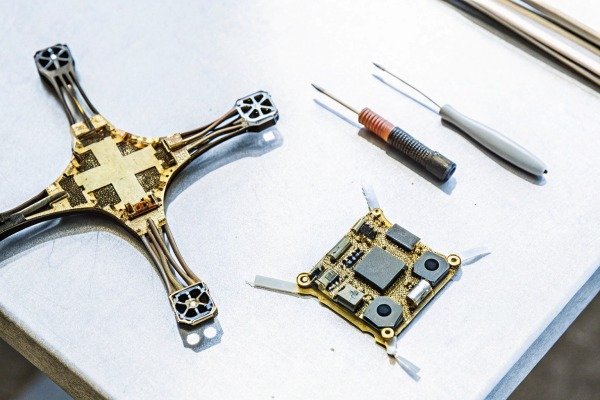
Lorsque vous dépensez un capital important pour un octocoptère de qualité professionnelle, vous devez savoir qui a réellement conçu la machine. De nombreux fournisseurs sur le marché sont des " intégrateurs ". Ils achètent un châssis dans une usine, des moteurs dans une autre et un contrôleur de vol auprès d’un tiers. Bien que ces drones volent, le fournisseur n’a aucun contrôle sur la technologie de base. Si le fabricant du contrôleur de vol cesse son support, votre drone devient une brique.
En revanche, un véritable fabricant doté de solides capacités de R&D écrit son propre code ou a un accès approfondi au code source. Lorsque nous développons nos systèmes, nous examinons spécifiquement la " marge de traitement ". Il s’agit de la puissance de calcul inutilisée disponible sur la carte mère du drone au moment de l’achat. Une équipe de R&D solide surdimensionnera le matériel actuel afin qu’il puisse gérer les algorithmes d’IA de demain. Si un drone fonctionne à 95 % de sa capacité CPU juste pour planer, il n’y a plus de place pour les itérations futures.
Indicateurs clés de la profondeur d’ingénierie
Vous devriez demander des données spécifiques concernant leur personnel d'ingénierie. Un fabricant sain devrait avoir une part importante de son personnel dédiée à la recherche, pas seulement aux ventes ou à l'assemblage. Vous devriez également rechercher leur implication dans les normes de l'industrie. normes de l'industrie 2. normes de l'industrie 3 Sont-ils actifs dans la définition de protocoles de sécurité des données ou de communication ? Cela montre qu'ils dirigent l'industrie, pas qu'ils la suivent simplement.
Liste de contrôle d'évaluation R&D
Utilisez ce tableau pour évaluer les fournisseurs potentiels en fonction de leurs capacités de développement.
| Critères d'évaluation | Le fournisseur "Assembleur" | Le fournisseur "Innovateur" |
|---|---|---|
| Code de vol principal | Utilise un micrologiciel open-source standard, non modifié, ou un micrologiciel tiers verrouillé. | Personnalise et optimise le code ; détient la propriété intellectuelle des algorithmes principaux. |
| Spécifications matérielles | Les composants sont choisis pour le coût le plus bas ; généralement une technologie de génération plus ancienne. | Les composants sont choisis pour la performance ; incluent une "marge" pour les futures mises à jour. |
| Feuille de route produit | Vague ou inexistante ; dépend de ce que leurs fournisseurs publient. | Chronologie claire de 3 à 5 ans montrant les fonctionnalités prévues comme l'autonomie ou le swarming. |
| Réponse aux bugs | Lente ; doit attendre que leur fournisseur en amont corrige les problèmes. | Rapide ; les ingénieurs internes peuvent corriger le code et publier des mises à jour immédiatement. |
Quelles questions dois-je poser concernant leur support SDK logiciel et la fréquence des mises à jour du firmware ?
Nos ingénieurs logiciels passent plus de temps assis avec les spécialistes informatiques des pompiers que vous ne pourriez l'imaginer. Nous avons vite compris que le matériel n'est qu'un système de diffusion de données. Si notre plateforme de vol ne peut pas communiquer avec votre logiciel de gestion d'incidents, elle échoue dans sa mission. logiciel de gestion d'incidents 4
Vous devriez demander si le fournisseur propose un SDK entièrement documenté qui permet une intégration tierce avec vos systèmes de commandement existants sans l'aide du fournisseur. De plus, demandez un journal des mises à jour du firmware pour les modèles abandonnés afin de confirmer que le fournisseur continue de prendre en charge le matériel pendant au moins cinq ans après la fin de la production.
Le rôle essentiel de l'architecture ouverte
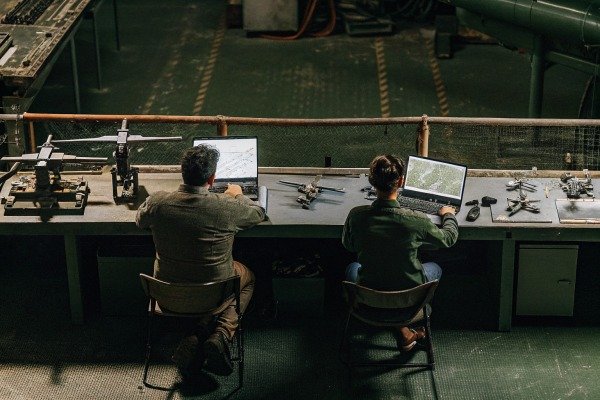
Dans le secteur de la lutte contre les incendies, l'approche du "jardin clos" – où un fabricant vous oblige à n'utiliser que son logiciel propriétaire – représente un risque majeur. Votre département utilise probablement des systèmes spécifiques de répartition assistée par ordinateur (RAP) répartition assistée par ordinateur (RAP) 5 ou des outils de cartographie SIG. Un fournisseur engagé dans une itération à long terme fournira une API (interface de programmation d'applications) ou un SDK (kit de développement logiciel).
Cette ouverture permet à votre département, ou à un développeur tiers, d'écrire des applications personnalisées pour le drone. Par exemple, si un nouvel algorithme de détection d'incendie par IA devient disponible l'année prochaine, un système ouvert vous permet d'installer ce logiciel sur votre drone existant. Un système fermé vous obligerait à acheter un tout nouvel appareil.
Analyse de l'historique des mises à jour
Ne demandez pas seulement si ils mettent à jour le firmware ; demandez ce que ces mises à jour contiennent. Nous vous recommandons de demander les "Notes de publication" d'un modèle qu'ils ont vendu il y a trois ans.
- Drapeau rouge : Les mises à jour ne listent que des "corrections de bugs" ou des "améliorations mineures de stabilité". Cela suggère que le produit est en mode de maintenance.
- Drapeau vert : Les mises à jour listent "nouvelle fonctionnalité : logique de retour autonome", "ajout de la prise en charge de la caméra X" ou "algorithme de gestion de batterie amélioré". Cela prouve que le fournisseur améliore activement la valeur du produit au fil du temps.
Normes d'interopérabilité
Vous devez également vous renseigner sur des normes telles que MAVLink. normes telles que MAVLink 6 Si le drone utilise des protocoles de communication standard, il est plus susceptible d'être compatible avec les futures stations de contrôle au sol ou même avec des logiciels de gestion de flottes mixtes. Cela évite le "verrouillage propriétaire", garantissant que si le fournisseur cesse son activité, votre équipement pourra toujours communiquer avec des logiciels de contrôle génériques.
Le fournisseur proposera-t-il des conceptions matérielles modulaires qui me permettront de mettre à niveau les composants ultérieurement ?
Lorsque nous concevons le châssis de nos drones à charge utile lourde, nous laissons intentionnellement de l'espace libre et utilisons des points de montage universels. Nous savons que la caméra que vous souhaitez aujourd'hui ne sera pas celle que vous souhaiterez en 2027. Verrouiller un client sur une charge utile de capteur fixe est un désavantage pour son budget.
Un fournisseur compétent doit proposer une conception de cellule modulaire avec des ports universels et des supports échangeables à chaud, vous permettant de mettre à niveau les capteurs et les caméras indépendamment. Assurez-vous que le compartiment de la batterie est conçu avec un volume supplémentaire pour accueillir les futures technologies de batterie avec des facteurs de forme différents ou des densités d'énergie plus élevées.
La philosophie du "Drone comme plateforme"
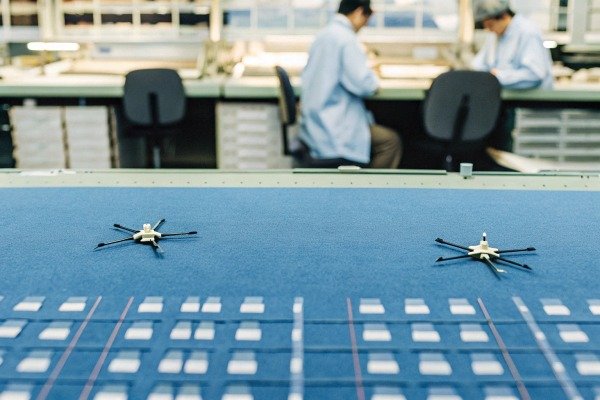
Les exigences en matière de lutte contre les incendies évoluent rapidement. Une saison, vous pourriez avoir besoin d'une imagerie thermique haute résolution ; la suivante, vous pourriez avoir besoin d'un système de largage de fret pour des fournitures médicales. imagerie thermique 7 Si le drone est doté d'une caméra intégrée qui ne peut pas être retirée (courant sur les drones grand public), l'unité entière devient obsolète une fois que la technologie des capteurs s'améliore.
Nous prônons la philosophie du "Drone comme plateforme". L'aéronef lui-même — les moteurs, les hélices et le cadre — devrait être un véhicule robuste. La "charge utile" (capteurs et charges utiles) devrait être interchangeable. Recherchez des interfaces standard telles que des ports HDMI, Ethernet ou UART exposés sur le corps du drone. Cette connectivité physique est le pont vers l'avenir.
Architecture et longévité des batteries
Les batteries sont le composant qui évolue le plus rapidement dans l'aviation. La technologie lithium-ion actuelle est standard, mais les batteries à état solide batteries à semi-conducteurs 8 sont à l'horizon batteries à semi-conducteurs 9.
Un logement de batterie rigide et moulé sur mesure est un défaut de conception pour une possession à long terme. Si le drone n'accepte qu'une batterie d'une forme très spécifique et inhabituelle, vous êtes à la merci de cette chaîne d'approvisionnement spécifique. Si le fournisseur cesse de fabriquer ce moule en plastique spécifique, votre drone est immobilisé pour toujours.
Un fournisseur qui pense à l'itération à long terme concevra un compartiment de batterie flexible ou utilisera un type de connecteur standard. Cela vous permettra d'adapter de nouvelles sources d'alimentation à mesure qu'elles sont inventées, prolongeant potentiellement les temps de vol de 30 minutes à 60 minutes simplement en mettant à niveau la batterie dans trois ans.
Comparaison de la durée de vie des composants
| Composant | Durée de vie standard | Stratégie de mise à niveau pour la valeur à long terme |
|---|---|---|
| Cellule/Moteurs | 5-7 ans | Inspecter pour la fatigue ; remplacer les roulements. Haute durabilité requise. |
| Caméra thermique | 2-3 ans | Doit être interchangeable. La résolution double tous les quelques années. |
| Piles | 1-2 ans (Cycles) | Doit être de facteur de forme standard. Permet l'adoption de nouvelles chimies. |
| Ordinateur de bord | 3-4 ans | Baie modulaire préférée. Permet d'échanger le "cerveau" pour un traitement IA plus rapide. |
Comment puis-je déterminer si une usine est véritablement ouverte à la conception collaborative et au développement de fonctionnalités personnalisées ?
Nous recevons des croquis de chefs de pompiers sur des serviettes en papier et des dessins CAO détaillés d'entrepreneurs gouvernementaux. La différence entre un fournisseur qui dit “ non, prenez ce qui est en stock ” et un qui dit “ voyons si nous pouvons usiner ce support ” définit votre succès opérationnel à long terme.
Déterminez le potentiel de collaboration en demandant des études de cas où l'usine a modifié les spécifications matérielles ou logicielles pour une application client spécifique. Vous devriez également vérifier leur volonté de partager les fichiers CAO 3D de la cellule et d'attribuer un ingénieur de liaison dédié pour soutenir vos projets d'intégration personnalisée.

Au-delà du "Marquage Blanc"
De nombreux fournisseurs prétendent offrir des " services OEM ", mais souvent, cela signifie simplement qu'ils imprimeront votre logo sur la boîte. Ce n'est pas une conception collaborative. Une véritable capacité collaborative signifie que l'usine est disposée à modifier le produit physique ou le comportement du logiciel pour répondre à vos besoins uniques.
Par exemple, un service d'incendie pourrait avoir besoin d'un mécanisme de libération spécifique pour une boule ignifuge qui ne figure pas dans le catalogue standard. Une usine rigide refusera. Un partenaire collaboratif examinera les points de montage, imprimera en 3D un adaptateur prototype et vous aidera à le tester.
Tester le fournisseur
Pour évaluer cela, proposez une personnalisation hypothétique lors de votre négociation. Demandez-leur : " Si nous devions monter un capteur de gaz non standard pesant 500 grammes sur le dessus du drone, comment nous soutiendriez-vous ? "
- Mauvaise réponse : " Vous pouvez essayer de le coller, mais cela annule la garantie. "
- Bonne réponse : " Nous avons un port d'extension de montage supérieur. Nous pouvons vous envoyer les fichiers STEP Fichiers STEP 10 (fichiers de conception 3D) pour le support de montage afin que votre équipe puisse concevoir un support, ou nos ingénieurs peuvent le concevoir pour vous moyennant des frais. "
L'importance d'un interlocuteur dédié
Le développement collaboratif nécessite une communication. Si vous êtes dirigé vers un e-mail de vente général pour des questions techniques, la collaboration échouera. Vous avez besoin d'une ligne directe avec un chef de projet ou un ingénieur. D'après notre expérience, les projets réussissent lorsque le client connaît le nom de l'ingénieur qui travaille sur son dossier. Cette relation garantit qu'au fur et à mesure que les tactiques de votre département évoluent, le fabricant écoute et adapte la feuille de route du produit pour correspondre à votre réalité.
Conclusion
L'évaluation d'un fournisseur de drones de lutte contre l'incendie nécessite de regarder au-delà de la fiche technique actuelle. Vous n'achetez pas seulement une machine volante ; vous entrez dans un partenariat. En vérifiant la profondeur de R&D du fournisseur, en insistant sur le matériel modulaire, en garantissant l'ouverture du logiciel et en testant sa volonté de collaborer à la conception, vous protégez votre investissement contre l'obsolescence rapide. Choisissez un partenaire qui construit en pensant à l'avenir, afin que votre flotte reste prête pour la mission pendant des années.
Notes de bas de page
1. Le NIST fournit des recherches et des normes pour la technologie et l'équipement de lutte contre l'incendie. ︎
2. L'ISO 21384-3 est la norme internationale spécifique régissant les procédures opérationnelles des systèmes d'aéronefs sans pilote. ︎
3. L'ISO/TC 20/SC 16 traite des normes internationales pour les systèmes d'aéronefs sans pilote. ︎
4. Esri fournit des logiciels SIG et de commandement d'incident utilisés par les services d'incendie. ︎
5. La CISA fournit des normes et des directives officielles pour les systèmes de répartition d'urgence utilisés par les services de sécurité publique. ︎
6. Explique le protocole de communication standard pour les véhicules sans pilote. ︎
7. Teledyne FLIR est le leader de l'industrie pour les capteurs d'imagerie thermique de lutte contre les incendies. ︎
8. Contexte sur la technologie émergente des batteries mentionnée dans le texte. ︎
9. La NASA mène des recherches sur la technologie des batteries à semi-conducteurs spécifiquement pour améliorer la sécurité et les performances de l'aviation. ︎
10. La Bibliothèque du Congrès maintient la définition officielle de STEP (ISO 10303) comme format de données 3D préféré. ︎

 English
  Español de México
  Deutsch
  Français
  Русский
  العربية
