
Lorsque notre équipe logistique prépare une expédition de drones de lutte contre les incendies de grande valeur pour l'exportation, nous savons que la période d'attente peut être stressante pour vous. Maersk, COSCO ou MSC 1. Vous devez savoir exactement où se trouve votre investissement.
Pour suivre efficacement votre expédition maritime, utilisez le numéro du connaissement (B/L) sur le site Web du transporteur pour les étapes officielles. Complétez cela avec des outils de suivi de navire AIS pour des données de localisation en temps réel, et demandez des notifications de statut automatisées à votre transitaire pour suivre les blocages douaniers et les heures d'arrivée.
Voici comment vous pouvez maintenir une visibilité complète sur votre équipement critique pendant son voyage océanique.
Comment utiliser le numéro du connaissement pour suivre mon conteneur de drones de lutte contre les incendies ?
Nous nous assurons toujours que les numéros de suivi générés par notre service d'expédition vous sont envoyés immédiatement après le départ du navire. Perdre de vue une cargaison spécialisée pendant le transit n'est pas une option.
Vous pouvez utiliser le numéro du connaissement en saisissant la chaîne alphanumérique unique dans le champ “Track & Trace” sur le site Web officiel du transporteur maritime. Cela fournit les données les plus fiables concernant le chargement du conteneur, le déchargement du port et le statut de garde actuel de votre équipement de lutte contre les incendies.
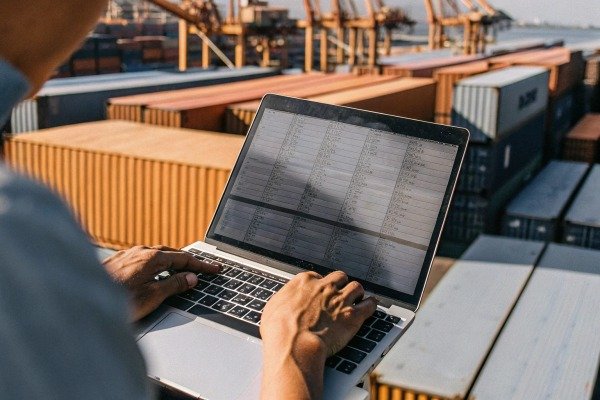
Le connaissement (B/L) est le document le plus critique dans la logistique internationale. Lettre de voiture 2 Connaissement (B/L) 3 Considérez-le comme le passeport de votre cargaison. Lorsque nous expédions des drones SkyRover vers les États-Unis ou l'Europe, le numéro B/L est la clé principale pour débloquer des informations sur la progression de l'expédition.
Ce numéro n'est pas juste un code aléatoire. C'est un identifiant spécifique qui relie votre cargaison au système interne de la compagnie maritime. La plupart des transporteurs, tels que Maersk, COSCO ou MSC, disposent de portails de suivi publics. Maersk 4 Il vous suffit de naviguer sur leur page d'accueil, de trouver la section de suivi et de saisir le numéro B/L.
Cependant, vous pourriez voir différents types de numéros sur les documents que nous fournissons. Il est important de savoir lequel utiliser. Le connaissement principal (MBL) est émis par la compagnie maritime au transitaire. Le connaissement secondaire (HBL) est émis par le transitaire à vous. Généralement, le MBL ou le numéro de conteneur spécifique fonctionne le mieux sur le site du transporteur.
Comprendre les identifiants de suivi
L'utilisation du mauvais numéro peut entraîner des erreurs "Aucun enregistrement trouvé", ce qui provoque une panique inutile. Voici une répartition des identifiants que vous trouverez sur vos documents d'expédition.
| Nom de l'identifiant | Exemple de format | Où l'utiliser | Ce que cela montre |
|---|---|---|---|
| Numéro de conteneur | 4 lettres + 7 chiffres (par exemple, CLHU1234567) | Site Web du transporteur et applications tierces | L'emplacement physique de la boîte et les événements de statut (entrée en gare, chargé, déchargé). |
| Connaissement principal (MBL) | Alphanumérique (par exemple, MAEU123456789) | Site Web du transporteur | Le contrat entre le transitaire et l'opérateur du navire. Indique les détails principaux du voyage. |
| Connaissement de la maison (HBL) | Alphanumérique (varie selon le transitaire) | Portail du transitaire | Le contrat entre vous et le transitaire. Indique les détails spécifiques de votre commande de drone. |
| Numéro de réservation | Numérique ou alphanumérique | Site Web du transporteur | Utile avant l'émission du connaissement, principalement pendant la phase de pré-expédition. |
Pourquoi c'est important pour les drones de lutte contre les incendies
Le suivi via le connaissement est essentiel pour la planification. Les drones de lutte contre l'incendie sont des outils opérationnels, pas des biens de consommation courante. Vous pourriez avoir une date limite d'appel d'offres ou un calendrier de formation avec un service d'incendie local. Le site Web du transporteur vous donnera l""Heure d'arrivée estimée" (ETA).
Nous vous recommandons de vérifier ce statut chaque semaine. Tant que le navire est en pleine mer, les mises à jour seront rares. Mais dès que le navire approche d'un port, le suivi du connaissement affichera les détails du "Manifeste", indiquant que votre courtier en douane doit commencer à déposer les documents.
Quelles mises à jour logistiques spécifiques dois-je demander à mon transitaire ?
Nos responsables export coordonnent fréquemment avec les transitaires pour s'assurer qu'ils comprennent l'urgence de livrer du matériel de réponse d'urgence. Nous soulignons que le silence est la pire mise à jour possible pendant ces longs transits.
Vous devriez demander des mises à jour spécifiques sur les étapes clés, y compris la confirmation de l'entrée au port (Gate-In), la vérification du chargement à bord (“Loaded on Board”), les changements de l'heure d'arrivée estimée (ETA), le statut de transbordement le cas échéant, et des alertes immédiates concernant les blocages douaniers en raison de la nature à double usage des drones industriels.

Se fier uniquement à un site Web est passif. Pour gérer la chaîne d'approvisionnement d'actifs de grande valeur tels que les drones de lutte contre l'incendie SkyRover chaîne d'approvisionnement 5, vous devez être proactif. Votre transitaire a accès à des données plus détaillées que celles disponibles publiquement. Vous devez lui demander de vous transmettre les informations, plutôt que d'attendre que vous les demandiez.
La phase la plus critique pour les drones industriels est souvent la vérification de la documentation. Parce que nos drones transportent des batteries au lithium de haute capacité et des caméras thermiques haute définition, ils peuvent parfois être signalés pour des contrôles "à double usage". Cela signifie que les autorités veulent vérifier que les drones sont destinés à un usage civil de lutte contre l'incendie, et non à des fins militaires. Si votre transitaire ne vous informe pas immédiatement d'un blocage de documents, votre cargaison pourrait rester au port pendant des semaines, entraînant des frais de stockage élevés.
Étapes clés à surveiller
Vous devriez définir des attentes claires avec votre partenaire logistique. Dites-leur que vous avez besoin d'alertes par e-mail pour les événements spécifiques énumérés ci-dessous. Cela garantit que vous pouvez réagir rapidement si quelque chose tourne mal.
| Étape clé de l'expédition | Description | Action requise de votre part |
|---|---|---|
| Entrée en douane à l'origine | Le conteneur est entré dans le terminal portuaire en Chine. | Confirmez avec nous que les marchandises ont quitté notre usine en toute sécurité. |
| Départ du navire (ATD) | Le navire a physiquement quitté le port. | Demandez-nous le connaissement final et la facture commerciale. |
| Arrivée au transbordement | Le conteneur est transféré d'un navire à un autre dans un hub (par exemple, Singapour). | Surveillez attentivement ; c'est là que les conteneurs sont souvent retardés ou "roulés" sur un navire ultérieur. |
| Avis d'arrivée (NOA) | Le navire approche du port de destination (environ 5 jours avant l'arrivée). | Envoyez les documents à votre courtier en douane pour commencer le dédouanement immédiatement. |
| Blocage douanier | Les autorités ont suspendu l'expédition pour inspection. | Fournissez immédiatement les fiches techniques ou les déclarations d'utilisateur final. |
Gestion des réglementations sur les batteries
Les drones de lutte contre l'incendie utilisent de grandes batteries au lithium-polymère. grandes batteries au lithium-polymère 6 Celles-ci sont classées comme marchandises dangereuses (MD) en vertu du droit maritime (Code IMDG). Code IMDG 7 L'expéditeur doit confirmer que le transporteur a accepté la déclaration de marchandises dangereuses.
Si vous voyez une mise à jour de statut telle que "DG Hold" ou "Vessel Rejection", cela signifie généralement que des documents sont manquants. En demandant des mises à jour spécifiques sur le "DG Compliance Status", vous vous assurez que la nature dangereuse des batteries n'arrête pas l'expédition. Nous fournissons la FDS (Fiche de Données de Sécurité) pour chaque batterie. Fiche de données de sécurité 8, mais le transitaire doit le transmettre correctement à l'exploitant du navire.
Quels outils de suivi en ligne fournissent la localisation la plus précise en temps réel de ma cargaison ?
Nous testons souvent différentes plateformes de suivi pour voir lesquelles offrent la meilleure visibilité pour nos expéditions vers l'Amérique du Nord. Nous avons constaté que la combinaison de sources fonctionne mieux que de s'appuyer sur une seule.
Les outils les plus précis combinent les sites Web spécifiques aux transporteurs pour les événements de statut officiels avec des plateformes AIS (système d'identification automatique) comme MarineTraffic ou VesselFinder pour le positionnement géographique en temps réel. Les agrégateurs tiers comme Project44 ou Vizion fournissent également des données consolidées sur différentes lignes maritimes.
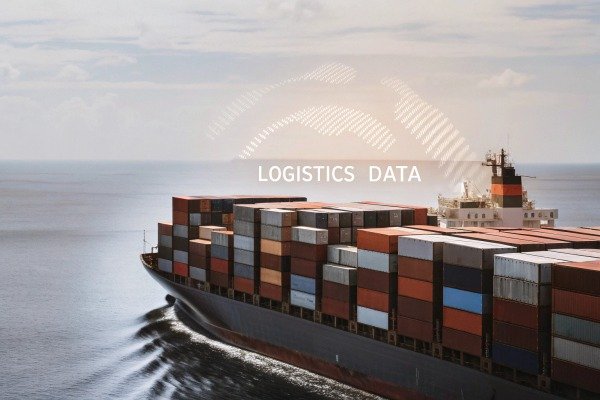
Aucun outil unique n'est parfait. Les sites Web des transporteurs sont précis pour le statut administratif (comme "Customs Released"), mais ils sont souvent terribles pour montrer où se trouve réellement le navire physiquement. Ils peuvent dire "En transit" pendant trois semaines sans mise à jour de la carte.
Pour la localisation physique, vous avez besoin de traceurs AIS. Traceurs AIS 9 Traceurs AIS 10 Chaque navire commercial doit transmettre sa position par satellite. Des outils comme MarineTraffic vous permettent de saisir le nom du navire (trouvé sur votre connaissement) et de voir exactement où il se trouve dans l'océan Pacifique ou Atlantique.
Comparaison des technologies de suivi
Différents outils servent à différentes fins. Si vous voulez savoir si le navire est pris dans une tempête, utilisez un outil basé sur une carte. Si vous voulez savoir si vous devez payer des frais de retard, utilisez le site du transporteur.
Matrice de sélection des outils
| Type d'outil | Exemples | Meilleure utilisation pour | Pour | Cons |
|---|---|---|---|---|
| Direct transporteur | Sites Web Maersk, COSCO, MSC | Statut légal officiel, libération douanière, dates d'arrivée. | Le plus précis pour les données administratives. Gratuit. | Pas de carte visuelle. temps d'arrêt fréquents. mauvaise interface utilisateur. |
| Visualiseurs AIS | MarineTraffic, VesselFinder | Voir l'emplacement physique du navire et les conditions météorologiques. | Visuels de carte en temps réel. Indique la vitesse et le cap. | Ne suit pas votre conteneur spécifique, seulement le navire. |
| Agrégateurs logistiques | AfterShip, Track-Trace | Vérifications rapides sans naviguer sur des sites complexes de transporteurs. | Interface simple. Prend en charge plusieurs transporteurs. | Les données peuvent être retardées de 12 à 24 heures. |
Pourquoi la localisation en temps réel est importante
Pour les équipements sensibles comme nos drones, la visibilité de l'itinéraire est importante. Si vous voyez que le navire traverse une zone de conditions météorologiques extrêmes (en utilisant un outil AIS avec une superposition météorologique), vous pouvez anticiper des retards potentiels.
L'humidité élevée et l'eau salée sont les ennemis de l'électronique. Bien que notre emballage soit robuste et résistant à l'eau, comprendre les conditions environnementales du voyage est utile. Si un navire est retardé dans une zone tropicale pendant des semaines, vous pourriez vouloir inspecter les indicateurs d'humidité à l'intérieur des caisses à l'arrivée. L'utilisation de ces outils vous donne la prévoyance nécessaire pour planifier ces inspections.
Que signifie si le statut de mon expédition reste inchangé pendant une longue période ?
Notre équipe de support reçoit occasionnellement des e-mails inquiets de clients lorsque leur suivi n'a pas été mis à jour pendant plusieurs jours. Nous comprenons l'inquiétude, surtout lorsque vous attendez du matériel pour honorer un contrat.
Un statut stagnant indique généralement que le navire se trouve en haute mer, hors de portée de l'AIS terrestre, ou que la cargaison attend dans un hub de transbordement. Cela signifie rarement que la cargaison est perdue ; cependant, un silence prolongé près de la destination pourrait signaler un problème de documentation douanière.

Voir le même message de statut pendant dix jours est frustrant. Cependant, dans le transport maritime, "pas de nouvelles" est souvent normal. Lorsqu'un navire voyage de la Chine au port de Long Beach ou de Rotterdam, il passe des jours dans des zones où les signaux radio standard n'atteignent pas les récepteurs terrestres.
À moins que vous ou le transporteur ne payiez pour un suivi satellite coûteux, l'icône du navire sur les cartes de suivi gratuites cessera de bouger une fois qu'il quittera la côte. Elle ne réapparaîtra que lorsqu'il s'approchera de la prochaine masse terrestre. C'est ce qu'on appelle une "zone d'ombre"."
Raisons courantes des retards de mise à jour
- Transit en haute mer : Comme mentionné, le navire est tout simplement hors de portée. Le conteneur est en sécurité ; la connexion de données est juste interrompue.
- Plateformes de transbordement : C'est un goulot d'étranglement courant. Si votre expédition de drones est destinée à un port plus petit, elle pourrait s'arrêter dans une plateforme majeure comme Busan ou Singapour. Le conteneur descend du grand navire et attend un plus petit navire de liaison. Pendant cette attente, le statut indiquera simplement "Déchargé" ou "En attente de transbordement" pendant des jours, voire des semaines.
- Navigations à vide : Parfois, les transporteurs annulent une traversée pour économiser de l'argent. Votre conteneur reste au port en attendant le prochain navire. Le statut semblera bloqué.
- Décalage des données : Les systèmes des transporteurs ne sont pas instantanés. Un conteneur peut être déchargé le vendredi, mais le site web pourrait ne pas être mis à jour avant le lundi.
Quand devriez-vous vous inquiéter ?
Bien que la patience soit nécessaire, vous ne devriez pas être complaisant. Il existe des statuts "bloqués" spécifiques qui nécessitent une action immédiate de votre part ou de la nôtre.
- Bloqué à "Rétention douanière" : Si ce statut dure plus de 48 heures après l'arrivée, il y a un problème. Les autorités attendent probablement un document.
- Bloqué à "Entrée en port" (Origine) : Si le navire est parti mais que le statut de votre conteneur est toujours "Entrée en port", votre cargaison a peut-être été laissée pour compte (roulée) pour le prochain navire.
- Bloqué à "Navire arrivé" : Si le navire est arrivé il y a trois jours mais que le conteneur n'est pas "Disponible pour enlèvement", le terminal pourrait être encombré, ou le conteneur est enfoui dans une pile.
Si vous remarquez ces problèmes spécifiques, contactez immédiatement votre transitaire. Nous conservons des copies numériques de toutes les spécifications techniques et certifications prêtes. Nous pouvons les envoyer par e-mail instantanément pour résoudre les blocages douaniers, mais nous devons savoir que le blocage existe.
Conclusion
Le suivi d'un envoi maritime nécessite un mélange de patience et de vérification proactive. En utilisant le numéro du connaissement sur les sites des transporteurs, en suivant le navire via l'AIS et en maintenant un contact étroit avec votre transitaire, vous pouvez vous assurer que vos drones de lutte contre l'incendie arrivent prêts à l'action.
Notes de bas de page
1. Lien direct vers l'un des principaux transporteurs maritimes mentionnés pour le suivi des conteneurs. ︎
2. Définition officielle de l'U.S. International Trade Administration. ︎
3. Fournit un aperçu complet des fonctions juridiques et logistiques du connaissement. ︎
4. Lien direct vers le principal leader de l'industrie mentionné dans le texte. ︎
5. Ressource académique pour la recherche avancée en gestion de la chaîne d'approvisionnement et en logistique. ︎
6. Normes industrielles et réglementations de sécurité pour le transport de batteries au lithium. ︎
7. Organisme de normalisation officiel pour les réglementations relatives aux marchandises dangereuses maritimes. ︎
8. Guide officiel du gouvernement sur les exigences des fiches de données de sécurité. ︎
9. Aperçu technique du système de suivi par la Garde côtière américaine. ︎
10. Explique la technologie derrière les systèmes d'identification automatique utilisés pour le suivi des navires. ︎



 English
  Español de México
  Deutsch
  Français
  Русский
  العربية
Comments
No comments yet. Be the first to share your thoughts!
Leave a Comment