
We often often a large spark 1 see operators in the field losing valuable daylight simply because a battery latch is stuck or a connector is hard to reach. In our design labs, we constantly analyze these bottlenecks because we know that during the peak spraying season, every minute the drone sits on the ground is money lost for the service provider.
You must focus on designs that feature tool-free quick-release mechanisms for rapid turnover, IP67-rated seals to prevent pesticide ingress, and high-cycle connectors rated for thousands of mates. Additionally, look for vibration-damped cradles and thermal management features like ventilation channels to ensure safety and longevity during intensive spraying operations.
To help you select the right equipment, let’s examine the specific engineering details that make a battery system reliable.
How does the battery release mechanism affect my team's turnaround time during peak spraying seasons?
When we observe flight crews working 12-hour shifts, we notice that fatigue leads to mistakes fatigue leads to mistakes 2, especially with complex locking systems. Our engineering team prioritizes ergonomics because a mechanism that works well in a clean factory must also work when an operator is wearing thick gloves covered in mud.
The release mechanism directly dictates efficiency by allowing single-handed swaps in under 30 seconds, which is vital for maintaining continuous flight cycles. A robust, tool-free spring latch system eliminates the need for extra equipment and significantly reduces operator fatigue, ensuring your team can sustain high-tempo operations throughout the entire day.

The Economics of Swap Speed
In agricultural drone operations, "turnaround time" is a key performance indicator. A standard spray mission might last only 8 to 12 minutes before the battery is depleted. standard spray mission 3 If your ground crew takes 3 minutes to swap a battery because they are fumbling with screw-locks or tight cables, that is a 25% loss in potential productivity.
We advise buyers to look for "slide-in" or "drop-in" designs. These systems allow the battery to glide into place and lock automatically with an audible click. To release, the operator should only need to press a single button or pull a lever. This simplicity is not just about speed; it is about reducing the cognitive load on the pilot or ground crew. When the mechanism is intuitive, the risk of dropping a heavy battery or damaging the frame decreases.
Ergonomics and Glove Compatibility
Another critical factor we consider in our designs is the size protective gear is mandatory 4 of the release interface. Agricultural work often happens in early mornings or late evenings when temperatures can be low, or in environments where protective gear is mandatory.
Small, recessed buttons are a design failure in this context. You need large, tactile levers that can be operated while wearing heavy chemical-resistant gloves. If an operator has to remove their gloves to change a battery, safety is compromised, and time is wasted.
Comparing Release Mechanisms
The following table breaks down common release styles we see in the market and how they impact field operations.
| Mechanism Type | Average Swap Time | Pour | Cons |
|---|---|---|---|
| Manual Cable + Velcro | 2-3 Minutes | Low cost; universal battery compatibility. | Slow; cables wear out; high risk of human error. |
| Screw-Lock / Knobs | 1-2 Minutes | Extremely secure vibration proofing. | Requires tools or high hand strength; slow. |
| Slide-in Quick Release | < 30 Seconds | Fastest operation; one-handed use; self-locking. | Proprietary batteries usually required; higher cost. |
Mechanical Wear and Tear
Frequent usage puts immense stress on moving parts. A latch might work perfectly for the first 50 flights, but what about the 500th? In our durability tests, we cycle latches thousands of times. You should look for mechanisms that use metal components for the primary locking lug, even if the exterior handle is plastic. All-plastic latches tend to wear down, leading to a loose fit over time. A loose battery causes vibration warnings in the flight controller and can lead to dangerous power disconnects.
What protection ratings are necessary to prevent pesticide corrosion on the internal contacts?
We frequently receive repair requests where the damage isn’t from a crash, but from the slow, silent killer of corrosion. Our quality control department places immense emphasis on sealing because we know that agricultural chemicals are far more aggressive than simple rainwater.
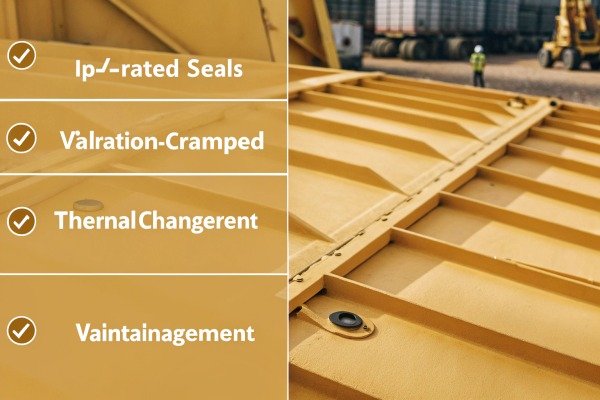
You need a battery compartment with at least an IP67 rating to effectively block the ingress of corrosive fertilizers and liquid pesticides. This level of protection ensures that internal electrical contacts and the Battery Management System (BMS) remain isolated from chemical exposure, preventing short circuits and the rapid oxidation that destroys expensive hardware.
Understanding the Chemical Threat
Waterproofing is not the same as chemical proofing. Battery Management System 5 Rainwater is relatively neutral, but the fertilizers and pesticides sprayed by these drones are often highly highly acidic or alkaline 6 acidic or alkaline. When these fluids dry, they leave behind crystalline residues that are conductive and corrosive.
If these chemicals reach the copper or gold-plated contacts of your battery interface, they eat away the plating. This increases electrical resistance. Higher resistance creates heat. Eventually, this heat can melt the plastic housing around the connector, leading to a total failure of the drone's power system.
The Importance of Gaskets and Potting
When evaluating a drone, inspect the battery port. You should see high-quality silicone or rubber gaskets that encircle the connection points. These gaskets act as the primary line of defense. When the battery is inserted, it should compress these seals tightly.
Furthermore, look for "potted" electronics. Potting involves filling the electronic assembly of the connector board with a solid resin. This ensures that even if some moisture gets past the first seal, it cannot reach the solder joints or the circuit board itself. In our manufacturing process, we view potting as a non-negotiable step for any ag-drone component.
Maintenance and Cleaning Design
Design plays a huge role in maintenance. A good battery compartment is designed to be "washable" or at least easy to wipe down.
- Drainage Ports: Does the compartment have a way for liquid to escape? If a spill occurs, you do not want the liquid pooling around the connectors.
- Smooth Geometry: We prefer designs with smooth, flat surfaces rather than complex ribs where chemicals can accumulate.
IP Ratings Explained for Ag Drones
Here is how different protection levels translate to real-world agricultural risks.
| Indice IP | Niveau de protection | Suitability for Ag Drones |
|---|---|---|
| IP54 | Dust protected; splash resistant. | Poor. Cannot withstand pressure washing or heavy chemical exposure. |
| IP65 | Dust tight; resistant to water jets. | Acceptable. Good for general use but contacts may still corrode over time. |
| IP67 | Dust tight; immersion up to 1m. | Ideal. Can handle accidental drops in puddles and heavy cleaning. |
The "Sacrificial" Interface
Some advanced designs feature a modular interface board. This is a smart feature to look for. Even with the best seals, contacts will eventually degrade. If the connector is soldered directly to the drone's main power distribution board, replacing it is a major repair job.
However, if the drone uses a separate, screw-on interface board, you can replace just that part in the field. This design philosophy acknowledges that wear is inevitable and provides a cheap, easy path to fix it without sending the drone back to the factory.
How do I ensure the connector design can withstand thousands of plug-in cycles without wearing out?
Our data shows that the connection point is the single most common failure point in high-hour drones. We choose specific alloys and geometries because a loose connection during a high-current maneuver can cause voltage sag and trigger an emergency landing.
To guarantee longevity, you must select connector designs that feature self-cleaning, spark-proof terminals capable of enduring high-amperage surges. Look for robust alignment guides that prevent physical damage during blind insertion, ensuring that the electrical interface remains tight and efficient over thousands of operational cycles.
The Challenge of High Current
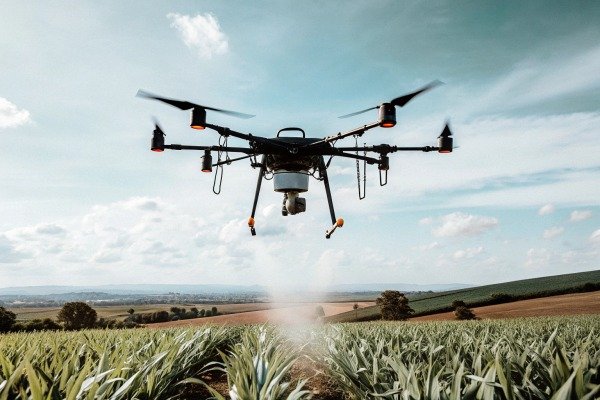
Agricultural drones are heavy lifters. They pull massive amounts of current—often peaking between 150A and 200A during takeoff peaking between 150A and 200A 7 or aggressive maneuvers. This high current places extreme demand on the connector.
If a connector is worn out, the contact area decreases. Less contact area means higher resistance. In the world of electricity, resistance equals heat. We have seen cases where poor quality connectors got so hot they welded themselves together. This is why standard RC hobby connectors (like XT60s) are insufficient for industrial ag drones. You need AS150, QS90, or proprietary blade connectors designed for heavy loads.
Spark Prevention (Anti-Spark)
When you plug a high-voltage battery (12S or 14S, roughly 44V-60V) Contrôleurs électroniques de vitesse 8 into a drone, there is often a large spark. This happens because the capacitors in the drone's ESCs (Electronic Speed Controllers) draw power instantly.
This spark pits the metal surface of the connector. Over time, these pits ruin the connection.
- The Solution: Look for "Anti-Spark" connectors. These have a built-in resistor tip that makes contact first, charging the capacitors slowly (in milliseconds) before the main connection is made. This eliminates the spark and saves the connector tips.
Blind Mating and Alignment
In the field, operators often insert batteries at awkward angles or without a clear line of sight. This is called "blind mating."
If the design lacks proper guide rails, the operator might force the battery in slightly askew. This bends the pins or cracks the plastic housing.
- Guide Rails: A good compartment has long plastic rails that engage avant the electrical pins touch. These rails force the battery into perfect alignment.
- Floating Connectors: Some advanced designs allow the connector on the drone side to "float" or wiggle slightly (about 1-2mm). This tolerance helps it center itself with the battery connector, reducing mechanical stress.
Connector Lifespan Factors
| Fonctionnalité | Fonction | Benefit for the Buyer |
|---|---|---|
| Gold Plating | coating the contact surface. | Prevents oxidation and ensures low resistance for efficient power transfer. |
| Split-Tip Pins | Pins that expand/compress. | Maintains spring tension for a tight fit even after the metal wears down. |
| High-Temp Nylon | Housing material. | Prevents melting if the connector warms up during heavy payload flights. |
Inspection Protocols
We advise our clients to inspect connectors weekly. Look for black marks (carbon buildup) or melted plastic. If the design allows for user-replaceable connector modules (as mentioned in the previous section), keep spares on hand. A $20 connector replacement can save a $15,000 drone from falling out of the sky due to power loss.
Why is a vibration-proof locking system essential for maintaining stable power during flight?
In our flight testing facility, we simulate the violent shaking of heavy-lift motors to ensure our frames hold together. We have learned that if a battery is free to rattle even a millimeter, it acts like a hammer inside the fuselage, damaging components and risking power interruption.
A vibration-proof locking system is strictly required because the intense high-frequency oscillations from heavy-lift motors can momentarily disconnect battery terminals, causing catastrophic power failure. A system that clamps the battery firmly against the frame prevents this movement, protecting the electrical interface and maintaining the drone’s center of gravity.

The Physics of Liquid Sloshing and Vibration
An agricultural drone is not a static weight. center of gravity 9 It carries a tank of liquid that sloshes around, and it is powered by large motors spinning large propellers. This creates a complex vibration environment.
If the battery is not locked down tight, two things happen:
- Micro-Disconnects: The battery vibrates against the connector. Even if it doesn't fully unplug, it can break the circuit for a fraction of a second. This "brownout" can reboot the flight controller or cause the ESCs to desync.
- Mechanical Hammering: A 5kg battery rattling inside a plastic compartment will eventually crack the compartment walls or break the locking latch shear pin.
Designs that Absorb Shock
When you are shopping, look for compartments that use damping materials. You want to see high-density foam or rubber pads lining the battery bay.
These pads serve two purposes:
- They absorb the high-frequency vibrations from the motors.
- They provide compression. When you lock the latch, it should squeeze the battery against these pads. This tension keeps the battery immobilized.
Managing Battery Swelling
Here is a detail many buyers miss: Lithium batteries swell as they age or when they get hot. Lithium batteries swell 10 A brand-new battery might slide in easily, but a hot, slightly swollen battery might get stuck.
A smart design accounts for this "expansion gap." The compartment should be slightly larger than the battery but rely on the compressible foam pads to hold it secure. This way, if the battery swells by 2mm, the foam compresses further, but the battery doesn't get permanently wedged inside the drone.
Vertical vs. Horizontal Mounting
We also see differences in stability based on how the battery is mounted.
- Top-Loading (Gravity Assist): Batteries that drop in from the top use gravity to help keep them seated. This is generally safer.
- Rear/Side Slide-In: These rely entirely on the latch to fight gravity and vibration. If the latch fails, the battery can slide out. For these designs, a secondary safety clip or a double-lock mechanism is essential.
Summary of Stability Features
- Positive Locking: The latch should physically block the battery's exit path. Friction alone is never enough.
- Audible Click: The operator needs to hear that the lock is engaged.
- Visual Indicator: Some systems have a red/green marker to show if the latch is fully closed. This allows for a quick visual pre-flight check.
Conclusion
When you invest in an agricultural drone, the battery compartment often gets overlooked in favor of motor size or tank capacity. However, for a team doing 30 swaps a day, the battery interface is the most used part of the machine. By focusing on tool-free release mechanisms, IP67 chemical protection, high-amperage anti-spark connectors, et vibration-proof clamping, you ensure that your operations run smoothly. These details reduce downtime, lower maintenance costs, and ultimately protect your investment from preventable failures.
Notes de bas de page
1. Manufacturer of the anti-spark connectors used to prevent this issue. ︎
2. Official FAA guidance on the risks of operator fatigue. ︎
3. Official specifications for a leading agricultural drone confirming flight times. ︎
4. Official EPA guidance on mandatory PPE for handling agricultural chemicals. ︎
5. General background on BMS functionality in high-capacity batteries. ︎
6. Educational resource explaining the pH properties of agricultural chemicals. ︎
7. Industry leader in heavy-lift drone motors, validating high current requirements. ︎
8. Manufacturer documentation explaining the role of ESCs in drone power systems. ︎
9. FAA handbook explaining the importance of weight and balance in flight. ︎
10. OSHA safety bulletin documenting the swelling hazards of lithium batteries. ︎

 English
  Spanish
  German
  French
  Dutch
Dutch  Arabic
