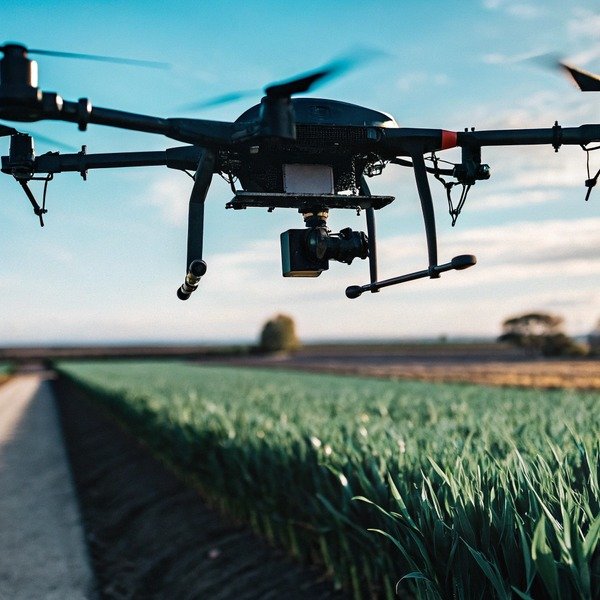
Lorsque nous concevons les châssis SkyRover dans notre usine de Chengdu, nous constatons à quel point le soleil est brutal sur le plastique. Un boîtier bon marché se fissure en quelques mois, clouant au sol toute votre flotte pendant la haute saison.
Pour évaluer la résistance au vieillissement par UV, vérifiez si le boîtier utilise des polymères stabilisés aux UV comme l'ASA ou le nylon chargé de verre plutôt que l'ABS standard. Exigez des rapports de laboratoire ASTM G154 ou ISO 4892 montrant une rétention de la résistance à la traction supérieure à 80 % après 1 000 heures d'exposition accélérée aux intempéries.
Voici comment nous garantissons que nos matériaux survivent à des années d'exposition directe au soleil et comment vous pouvez le vérifier.
Quels matériaux sont les mieux adaptés pour résister aux dommages causés par les UV dans les environnements agricoles difficiles ?
Notre équipe d'ingénieurs a passé des années à tester des polymères pour trouver un équilibre entre poids et durabilité. Choisir le mauvais plastique entraîne une fragilité rapide et des défaillances coûteuses sur le terrain.
Les meilleurs matériaux pour les drones agricoles sont l'ASA (Acrylonitrile Styrène Acrylate) et les mélanges de polycarbonate stabilisés aux UV, souvent renforcés de fibres de carbone ou de verre. Contrairement à l'ABS standard qui jaunit et se fissure rapidement, ces polymères d'ingénierie maintiennent leur intégrité structurelle malgré un rayonnement solaire intense et une exposition chimique.
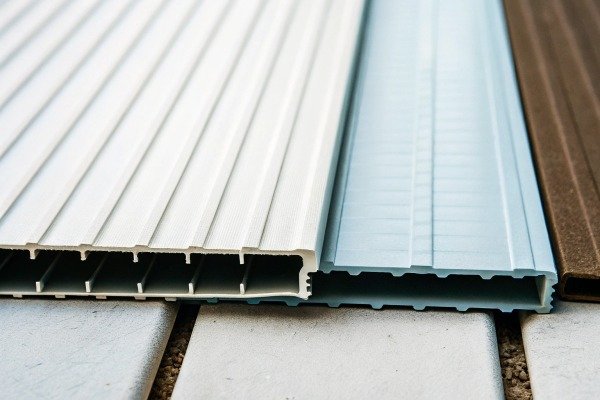
Lorsque vous évaluez la fiche technique d'un fournisseur, le type spécifique de plastique indiqué pour la cellule est le premier indicateur de longévité. Aux débuts de l'industrie des drones, de nombreux fabricants utilisaient l'ABS standard (Acrylonitrile Butadiène Styrène) car il était bon marché et facile à mouler. Acrylonitrile Butadiène Styrène 1 Cependant, nous avons découvert que l'ABS a un défaut fatal : le composant en caoutchouc butadiène se dégrade rapidement sous la lumière UV. Cela conduit à ce que nous appelons le "jaunissement" et, plus dangereusement, à une fragilisation sévère.
Pour les applications agricoles, nous recommandons vivement de rechercher l'ASA (Acrylonitrile Styrène Acrylate). Acrylonitrile Styrène Acrylate 2 Pensez à l'ASA comme au "cousin d'extérieur" de l'ABS. Il remplace ce caoutchouc butadiène vulnérable par du caoutchouc acrylate. caoutchouc acrylate 3, qui est intrinsèquement résistant aux rayons UV. Dans nos tests internes, les boîtiers en ASA conservent leur couleur et leur résistance aux chocs beaucoup plus longtemps que les équivalents en ABS sans nécessiter de peinture lourde.
Une autre excellente option que vous pourriez voir sur nos modèles SkyRover haut de gamme est le polymère renforcé de fibre de carbone (CFRP) ou le nylon renforcé de fibre de verre (PA66-GF). Polymère renforcé de fibre de carbone 4 Bien que la fibre de carbone pure soit imperméable aux UV (la résine est le point faible, mais généralement bien protégée), elle est coûteuse. Une approche hybride, utilisant du nylon stabilisé aux UV pour les bras structurels et de l'ASA pour les capots, offre souvent le meilleur équilibre entre coût et durabilité.
Comparaison des performances des matériaux
Vous trouverez ci-dessous une comparaison des matériaux courants que nous rencontrons dans la chaîne d'approvisionnement. Cela peut vous aider à éliminer rapidement les options de faible qualité lors de l'approvisionnement.
| Type de matériau | Résistance aux UV | Résistance aux chocs | Coût | Verdict pour les drones agricoles |
|---|---|---|---|---|
| ABS standard | Pauvre | Moyen | Faible | À éviter. Se dégrade rapidement au soleil. |
| ASA | Excellent | Moyenne-élevée | Moyen | Recommandé. Meilleur choix polyvalent. |
| Polycarbonate (PC) | Modéré | Haut | Moyen | Acceptable uniquement avec des stabilisateurs UV ajoutés. |
| Nylon (PA66) + Fibre de verre | Bon | Très élevé | Haut | Recommandé pour les bras/joints structurels. |
| Fibre de carbone composite | Excellent | Extrême | Très élevé | Premium. Idéal pour les cadres à forte charge. |
Le rôle des additifs
Il ne s'agit pas seulement de la résine de base. Même un matériau comme le polycarbonate (PC), célèbre pour être incassable, a besoin d'aide. Le PC a tendance à jaunir et à se microfissurer s'il est laissé sans traitement au soleil. Nous ajoutons des stabilisants UV spécifiques (comme les HALS – Hindered Amine Light Stabilizers) pendant le processus de moulage par injection. Lorsque vous posez des questions à un fournisseur sur son matériau, demandez s'il utilise des "qualités stabilisées aux UV". S'il ne sait pas ce que cela signifie, c'est un signal d'alarme.
De plus, les environnements agricoles sont uniques en raison du facteur chimique. Les drones sont constamment recouverts de brouillard de pesticides. Certains plastiques peuvent bien résister au soleil, mais fondent ou se fissurent lorsqu'ils sont exposés à certains engrais. C'est pourquoi nous préférons les plastiques semi-cristallins comme le nylon ou les plastiques amorphes chimiquement résistants comme l'ASA aux PC standard pour les pièces qui entrent directement en contact avec des produits chimiques.
Quels rapports de laboratoire spécifiques dois-je exiger pour vérifier la stabilité aux UV du boîtier ?
Lorsque nous exportons aux États-Unis, les acheteurs avisés comme vous demandent des fiches techniques, pas seulement des arguments marketing. Sans rapports de laboratoire vérifiés, vous naviguez à l'aveugle face aux éléments.
Vous devriez exiger des rapports de test tiers basés sur les normes ASTM G154 ou ISO 4892-2, en recherchant spécifiquement des données sur la rétention de la résistance à la traction et l'allongement à la rupture après 1 000 à 2 000 heures d'exposition. Vérifiez également les valeurs de changement de couleur Delta E inférieures à 3,0.

Demander un produit "résistant aux UV" est vague ; demander un rapport ASTM G154 est précis. Rapport ASTM G154 5. ASTM G154 6 Dans notre laboratoire de contrôle qualité à Xi'an, nous utilisons des chambres de test QUV pour simuler des années d'abus en quelques semaines. En tant qu'acheteur, vous devez savoir quelles normes sont importantes afin de pouvoir écarter les fournisseurs qui se contentent de deviner.
Comprendre les normes
Il existe deux tests principaux que vous verrez dans les fiches techniques :
- ASTM G154 (UV fluorescents) : Ce test utilise des lampes UV pour bombarder le plastique avec des rayons UV. Il est excellent pour tester les changements de propriétés physiques comme la fragilité. Si un fournisseur fournit ce rapport, recherchez la durée d'exposition. Un test de 100 heures est dénué de sens pour un drone agricole. Nous recommandons de rechercher au moins 1 000 heures, ce qui correspond approximativement à quelques années de service extérieur selon l'emplacement.
- ISO 4892-2 (Arc au xénon) : Ceci utilise une lampe à arc au xénon pour simuler le spectre complet de la lumière du soleil, y compris la lumière visible et infrarouge. C'est mieux pour vérifier la décoloration et le vieillissement thermique.
Indicateurs clés à examiner
Lorsque vous ouvrez ces rapports, ne vous contentez pas de chercher une note "Réussite". Vous devez examiner des chiffres spécifiques. Le plus critique la métrique la plus critique pour un drone 7 la métrique pour un drone est Rétention de la résistance à la traction.
- Scénario : Un bras de drone a une résistance à la traction de 50 MPa à neuf.
- Bon résultat : Après 1 000 heures de test UV, il conserve 90 % (45 MPa).
- Mauvais résultat : Après 1 000 heures, il conserve 50 % (25 MPa).
Si la rétention est faible, le plastique est devenu cassant. Le drone peut sembler intact, mais un atterrissage brutal qu'il aurait auparavant supporté brisera maintenant le boîtier.
Liste de contrôle d'évaluation des rapports
Utilisez ce tableau pour évaluer les rapports de laboratoire fournis par vos fournisseurs.
| Paramètre d'essai | Norme / Méthode | Valeur cible pour les acheteurs | Pourquoi c'est important |
|---|---|---|---|
| Temps d'exposition | ASTM G154 / ISO 4892 | Min. 1 000 heures | Simule 1 à 3 ans d'utilisation réelle. |
| Rétention de la résistance | Test de traction (ASTM D638) | Rétention > 80% | Garantit que le drone ne cassera pas en plein vol. |
| Changement de couleur | Spectrophotomètre | Delta E < 3,0 | Un changement de couleur important signale souvent une dégradation. |
| Résistance aux chocs | Test d'impact Izod | Rétention > 70% | Crucial pour survivre aux atterrissages difficiles. |
La corrélation "monde réel"
Les tests en laboratoire sont accélérés, ce qui signifie qu'ils sont des approximations. Selon notre expérience, la combinaison de la lumière UV et l'humidité (cycles de rosée) est ce qui détruit les matériaux. Assurez-vous que le rapport mentionne les "cycles de condensation". Cette partie du test éteint les lumières et laisse l'humidité se déposer sur le plastique chaud, le forçant à absorber l'eau. Cette expansion et contraction, combinées aux dommages causés par les UV, est le véritable test de durabilité d'un drone SkyRover.
Comment la dégradation par les UV affecte-t-elle l'intégrité structurelle et la sécurité de vol de mes drones ?
Nous avons analysé des unités accidentées retournées à notre usine et avons constaté que les dommages causés par le soleil sont souvent le tueur silencieux. Un cadre affaibli vibre excessivement, provoquant des défaillances électroniques critiques en plein vol.
La dégradation par UV brise les chaînes polymères, provoquant des microfissures qui réduisent considérablement la résistance aux chocs et la capacité de charge. Cet affaiblissement structurel conduit à une défaillance catastrophique du cadre sous la forte vibration du vol multi-rotor, risquant des accidents, des déversements de produits chimiques et des dommages aux cultures ou aux opérateurs.

Le danger du vieillissement par UV est qu'il agit de manière invisible au niveau moléculaire jusqu'à ce qu'il soit trop tard. Pour les drones agricoles, qui transportent de lourdes charges liquides (souvent de 20 kg à 50 kg), l'intégrité structurelle du boîtier n'est pas seulement cosmétique, elle est essentielle à la mission.
Le mécanisme de défaillance
Au niveau moléculaire, les photons UV possèdent suffisamment d'énergie pour rompre les liaisons chimiques des chaînes polymères. Photons UV 8 Ce processus est appelé "cisaillement de chaîne". Lorsque ces longues chaînes sont coupées, le matériau perd son élasticité. Imaginez un élastique qui a séché au soleil ; lorsque vous le tirez, il se casse au lieu de s'étirer.
Dans un drone, les moteurs tournent à des milliers de tours par minute, créant des vibrations à haute fréquence. Un boîtier en plastique neuf et flexible amortit ces vibrations. Un boîtier vieilli par les UV et cassant ne peut pas absorber l'énergie. Au lieu de cela, des micro-fissures commencent à se former, généralement autour des points de contrainte comme les trous de vis, les supports moteur ou les articulations de pliage de bras.
Risques pour la sécurité des opérateurs
Lorsqu'un boîtier échoue en raison de la dégradation par les UV, cela arrive rarement lorsque le drone est posé sur une étagère. Cela se produit sous charge maximale, au décollage ou lors d'un virage à haute vitesse.
- Détachement du moteur : Le plastique autour des vis du moteur se fissure, provoquant le détachement du moteur en plein vol. Le drone se retourne et s'écrase instantanément.
- Fuite du réservoir : Les supports structurels maintenant le réservoir de pesticides s'affaiblissent. S'ils cassent, le réservoir se déplace, déséquilibrant le centre de gravité et rendant le drone incontrôlable.
- Défaillance de l'étanchéité : C'est un mode de défaillance subtil mais coûteux. Les dommages causés par les UV provoquent un craquellement de surface (minuscules fissures). Ces fissures compromettent la classification IP67. Indice IP67 9 La prochaine fois que vous laverez le drone ou que vous volerez sous la pluie, l'eau s'infiltrera dans le contrôleur de vol ou les ESC, provoquant un court-circuit électrique.
Impact sur les sous-systèmes du drone
Le tableau ci-dessous détaille comment les dommages causés par les UV affectent des parties spécifiques de l'anatomie du drone.
| Composant | Effet des dommages causés par les UV | Conséquence opérationnelle |
|---|---|---|
| Supports de moteur | Fissuration autour des trous de vis | Les vibrations du moteur augmentent ; détachement potentiel. |
| Corps principal | Fragilité et craquellement | Perte d'étanchéité ; dommages causés par l'eau aux composants électroniques. |
| Bras pliants | Perte de résistance à la traction | Le bras se casse lors d'une charge lourde ou d'un atterrissage brutal. |
| Train d'atterrissage | fragilisation | Se brise à l'impact, faisant basculer le drone. |
Ingénierie pour la redondance
Pour atténuer cela, nous concevons nos drones SkyRover avec des cadres internes métalliques redondants. Cependant, la coque extérieure reste la première ligne de défense. Si la coque se dégrade, l'aérodynamisme et la protection du drone sont compromis. Pour vous, en tant qu'acheteur, comprendre ce risque aide à justifier le coût des matériaux haut de gamme. Un drone qui coûte $500 de moins mais utilise du plastique bon marché vous coûtera probablement des milliers en réparations et en temps d'arrêt dans les 18 premiers mois.
Quels sont les signes visibles de vieillissement par UV que je devrais rechercher lors de l'inspection d'unités d'échantillonnage ?
Avant d'expédier les commandes en gros, notre équipe de contrôle qualité inspecte chaque surface pour détecter les défauts minimes. Vous pouvez repérer les premiers signes avant-coureurs d'une mauvaise qualité de matériau grâce à une simple vérification visuelle.
Les signes visibles du vieillissement dû aux UV comprennent le farinage, où un résidu poudreux se forme à la surface, et un changement de couleur distinct ou un jaunissement du matériau. Vous pouvez également observer un craquellement, qui apparaît comme un réseau de fines fissures qui compromet le joint d'étanchéité du boîtier.
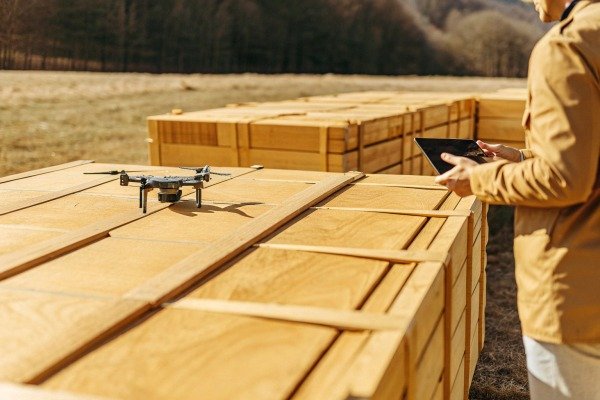
Lorsque vous recevez une unité d'échantillon ou inspectez un envoi qui a été stocké pendant un certain temps, vous n'avez pas besoin d'un laboratoire pour repérer les bases. Il existe plusieurs "tests sur le terrain" que vous pouvez effectuer pour évaluer immédiatement la qualité du matériau du boîtier.
Le test de "pulvérisation"
La pulvérisation est l'un des signes les plus courants de dégradation par les UV signes de dégradation par les UV 10 dans les plastiques et peintures de moindre qualité. Elle se produit lorsque la résine à la surface se décompose, laissant derrière elle des particules de pigment lâches.
- Comment tester : Frottez simplement votre doigt fermement sur la surface du boîtier du drone.
- Ce qu'il faut rechercher : Si un résidu poudreux blanc ou coloré se détache sur votre doigt, le matériau se dégrade. Cela signifie que la couche extérieure protectrice échoue. Les matériaux ASA ou stabilisés aux UV de haute qualité doivent être lisses et ne laisser aucun résidu.
Changement de couleur et jaunissement
"Le "jaunissement" est le symptôme classique des polymères non stabilisés. Bien que la plupart des drones agricoles soient peints, regardez attentivement les pièces non peintes comme les hélices, les joints du train d'atterrissage ou les couvercles translucides du GPS.
- Comparaison : Si vous avez une pièce de rechange neuve, tenez-la à côté de l'unité. Un changement de couleur important indique que les liaisons polymères changent. Les couleurs foncées peuvent pâlir en gris (décoloration), tandis que les pièces blanches jaunissent.
Craquelures vs. Fissures
Il est important de distinguer une fissure structurelle des "craquelures"."
- Craquelures : Ce sont de très fines fissures en réseau qui ressemblent à une toile d'araignée à la surface. Elles n'ont peut-être pas encore traversé complètement, mais elles indiquent que la surface du matériau est cassante et sous contrainte. Utilisez une loupe ou le mode macro de l'appareil photo de votre téléphone pour inspecter les zones de forte contrainte comme les joints des bras.
- Fissures structurelles : Ce sont des fissures plus profondes. Si vous en voyez sur un échantillon relativement nouveau, cela suggère que le matériau a une contrainte interne élevée et une faible résistance aux UV.
Perte de brillance de surface
Le plastique fraîchement moulé par injection a généralement un éclat ou une texture spécifique. Le rayonnement UV attaque d'abord la surface, détruisant cette finition.
- Inspection : Tenez le boîtier du drone sous un angle sous une lumière vive.
- Signe : Recherchez des zones inégales où la brillance est devenue mate ou rugueuse. Cette "perte de brillance" est souvent le tout premier stade de vieillissement, se produisant avant la défaillance mécanique.
Protocole d'inspection visuelle
Nous recommandons de mettre en œuvre cette vérification simple pour tous les drones d'occasion ou échantillons que vous évaluez :
- Nettoyer la surface pour enlever la poussière et les pesticides séchés.
- Test de frottement pour le farinage sur les surfaces orientées vers le haut.
- Inspection par photo macro des supports moteur pour le craquellement.
- Test de flexion : Pliez doucement les pièces plus fines (comme les capuchons d'antenne). Une pièce endommagée par les UV sera rigide ou produira un son "craquant", tandis qu'une pièce saine devrait fléchir silencieusement.
Conclusion
Choisir des boîtiers résistants aux UV protège votre investissement. Privilégiez les matériaux ASA et les données de laboratoire certifiées pour garantir que votre flotte résiste au soleil agricole intense pendant des années.
Notes de bas de page
1. Fournit un aperçu général de la composition chimique et des propriétés du plastique ABS. ︎
2. Explique les propriétés de résistance aux UV de l'ASA par rapport à d'autres polymères. ︎
3. Explique le composant chimique résistant aux UV présent dans le plastique ASA. ︎
4. Détails techniques sur la durabilité et les performances UV des composites en fibre de carbone. ︎
5. Spécification de norme officielle pour le fonctionnement des appareils à lumière UV fluorescente. ︎
6. Norme officielle pour le fonctionnement des appareils à lumière fluorescente pour l'exposition aux UV des matériaux non métalliques. ︎
7. Définit la résistance à la traction comme la propriété mécanique clé pour la sécurité. ︎
8. Explication scientifique de l'énergie ultraviolette et de son interaction avec la matière. ︎
9. Définition officielle de l'indice de protection contre la pénétration pour l'étanchéité. ︎
10. Explique les indicateurs visibles de la dégradation des matériaux due au soleil. ︎
 English
  Español de México
  Deutsch
  Français
  Русский
  العربية
Comments
No comments yet. Be the first to share your thoughts!
Leave a Comment