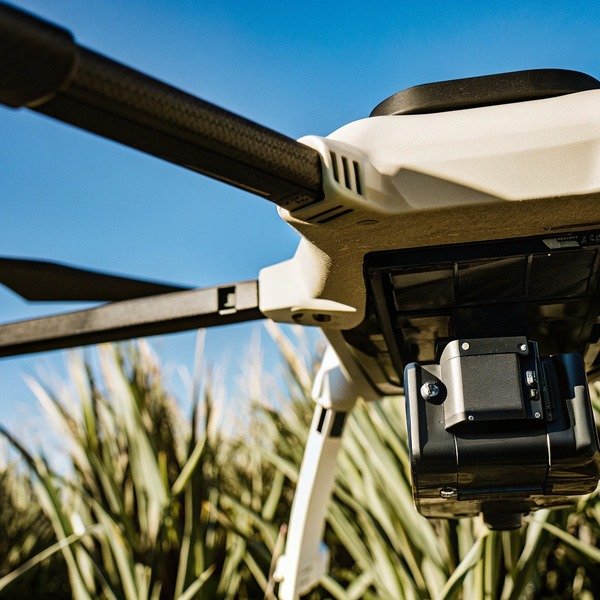
Lors de nos opérations d'exportation de Xi'an vers les États-Unis, nous rencontrons fréquemment des retards douaniers car les acheteurs sous-estiment la complexité de l'expédition batteries au lithium de haute capacité 1 batteries au lithium de haute capacité.
Les réglementations internationales classent les batteries de drones agricoles comme marchandises dangereuses de classe 9, nécessitant le respect des normes UN3480 ou UN3481. Vous devez vous assurer de la conformité avec les restrictions de fret aérien de l'IATA, en particulier concernant les limites de l'état de charge, et vérifier que votre fournisseur fournit des résumés de test UN38.3 valides et un emballage conforme.
Comprendre ces règles ne concerne pas seulement la paperasse ; c'est essentiel pour garantir que votre équipement arrive en toute sécurité et dans le respect du budget.
Quelle est la différence entre les classifications UN3480 et UN3481 pour mes expéditions de batteries de drones ?
Nous constatons souvent que les clients sont confus lorsque notre équipe logistique leur demande s'ils souhaitent que les batteries soient expédiées séparément ou à l'intérieur du drone, car cette décision change fondamentalement la catégorie réglementaire.
UN3480 couvre les batteries lithium-ion expédiées seules, tandis que UN3481 s'applique aux batteries contenues dans ou emballées avec l'équipement. Pour les drones agricoles lourds, UN3480 est la classification la plus courante car les batteries de rechange sont généralement expédiées en vrac par avion cargo uniquement en raison de leur indice de puissance élevé en wattheures.
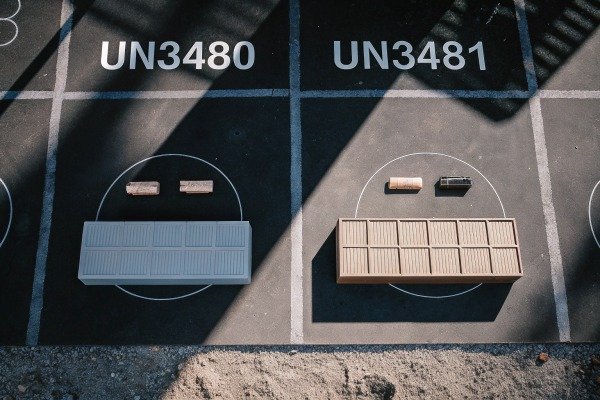
Comprendre la distinction entre UN3480 et UN3481 est vital car cela dicte les instructions d'emballage instructions d'emballage (PI) 2 (PI) et les limites de quantité que notre équipe d'entrepôt doit suivre. Les drones agricoles utilisent généralement des batteries haute tension (souvent 12S ou 14S, dépassant 22 000 mAh), ce qui les place bien au-delà des seuils standard définis pour l'électronique grand public.
Les définitions et implications fondamentales
Lors de la fabrication de notre série SkyRover, les batteries sont des unités industrielles lourdes.
- UN3480 (Batteries, en vrac) : Cette classification est utilisée lorsque nous expédions des batteries de rechange sans le drone, ou lorsque les batteries ne sont pas installées dans le drone. Pour le transport aérien, celles-ci sont strictement limitées aux Avions Cargo Uniquement (CAO) si elles dépassent certaines capacités. C'est la catégorie la plus stricte.
- UN3481 (Batteries contenues dans l'équipement) : Ceci s'applique lorsque la batterie est installée à l'intérieur du corps du drone. Bien que cela puisse parfois permettre des règles d'emballage légèrement plus souples, les drones agricoles sont souvent trop grands pour être expédiés avec les batteries installées, ou la densité énergétique de la batterie est si élevée qu'elle déclenche toujours des protocoles stricts de marchandises dangereuses (MD).
- UN3481 (Batteries emballées avec l'équipement) : Ceci est utilisé lorsque la batterie se trouve dans la même boîte que le drone mais n'est pas branchée.
Pourquoi les drones agricoles sont différents
Contrairement aux petits drones de photographie, les modèles agricoles nécessitent un stockage d'énergie massif pour soulever des réservoirs de liquide. Une seule batterie peut dépasser 1 000 wattheures (Wh). Les réglementations internationales, en particulier celles de l'IATA (Association internationale du transport aérien) Association internationale du transport aérien 3, traitent tout ce qui dépasse 100 Wh avec prudence, et tout ce qui dépasse 160 Wh comme un article à haut risque. Étant donné que la plupart de nos batteries de drones agricoles dépassent largement 160 Wh, nous devons presque toujours utiliser les protocoles UN3480/Classe 9 pour les batteries de rechange.
Si vous classez mal un envoi – par exemple, en étiquetant une boîte de batteries en vrac comme UN3481 pour éviter tout examen – les inspecteurs des douanes signaleront probablement l'envoi. Cela entraîne des amendes, la confiscation ou le retour des marchandises dans notre usine en Chine, ce qui vous coûte des semaines de retards opérationnels.
Comparaison des classifications
| Classification | Description | Cas d'utilisation typique dans l'agriculture | Rigueur réglementaire |
|---|---|---|---|
| UN3480 | Batteries lithium-ion expédiées seules | Expéditions en vrac de batteries de rechange pour opérations de pulvérisation | Le plus élevé : Limite de SoC stricte de 30% ; Avion cargo uniquement. |
| UN3481 | Batteries emballées avec équipement | Un drone expédié avec 2 batteries de rechange dans la même boîte | Haut : nécessite toujours une déclaration de marchandises dangereuses en raison de la puissance élevée en Wh. |
| UN3481 | Batteries contenues dans équipement | Batterie installée dans le drone pendant le transport | Modéré : souvent irréalisable pour les grands drones en raison des risques de sécurité. |
Quels documents essentiels, tels que UN38.3 et MSDS, dois-je demander pour le dédouanement ?
Nos ingénieurs qualité passent des semaines à s'assurer que chaque nouveau modèle de batterie réussit des tests de sécurité spécifiques le contrôle de la qualité 4, car des documents manquants sont le moyen le plus rapide de faire rejeter une expédition à la frontière.
Vous devez demander un résumé de test UN38.3 valide, une fiche de données de sécurité des matériaux (MSDS/SDS) et une déclaration de marchandises dangereuses. Ces documents prouvent que les batteries ont passé les tests thermiques, de vibration et de choc et fournissent aux transporteurs des instructions de manipulation critiques pour la sécurité et les interventions d'urgence.
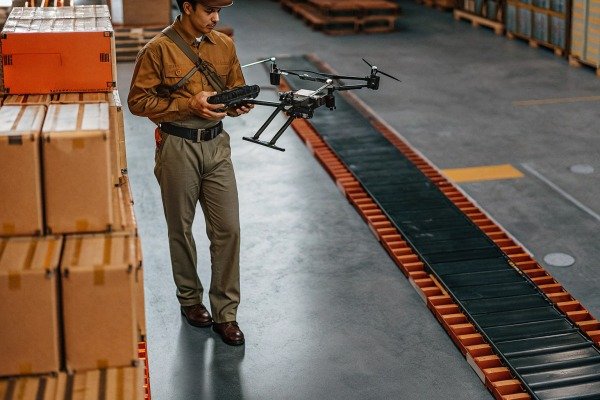
Lors de l'importation sur des marchés comme les États-Unis ou l'Europe, la documentation n'est pas qu'une formalité ; c'est la preuve principale que votre équipement est sûr. Nous avons vu des cas où un client a acheté des batteries moins chères auprès d'un fournisseur qui ne pouvait pas fournir un résumé UN38.3 vérifiable. Le résultat a été que les batteries sont restées bloquées au port de Los Angeles, et le client a finalement dû payer pour leur destruction.
The UN38.3 Test Summary
C'est le " passeport " de la batterie de votre drone. Avant même de pouvoir réserver un vol pour vos marchandises, le modèle de batterie doit réussir le Manuel des Nations Unies des essais Manuel d'essais et critères de l'ONU 5 et critères, Partie III, sous-section 38.3. Cela comprend :
- T1 Simulation d'altitude : S'assurer que la batterie ne fuit pas à basse pression.
- T2 Test thermique : Changements rapides de température de -40°C à +75°C.
- T3 Vibration : Simulation de l'environnement difficile du transport.
- T4 Choc : Simulation d'impact.
- T5 Court-circuit externe : S'assurer que la batterie gère un court-circuit sans feu.
Depuis 2020, les transporteurs exigent un Résumé des essais plutôt qu'un simple certificat. Ce résumé doit indiquer les tests spécifiques réussis et les coordonnées du laboratoire. En tant qu'acheteur, vous devez vérifier ce résumé par rapport au numéro de modèle de la batterie.
FDS (Fiche de Données de Sécurité)
La FDS (maintenant souvent appelée FDS) identifie la composition chimique des cellules lithium-ion. cellules lithium-ion 6 Il est essentiel pour l'équipe de matières dangereuses du transporteur. Il leur indique comment gérer un incendie s'il se produit. Nous mettons à jour notre FDS chaque année pour nous conformer aux dernières normes IATA et IMDG (maritimes).
Le rapport d'essai de chute de 1,2 m
Pour les batteries expédiées sous les numéros UN3480 ou UN3481, l'emballage lui-même doit être certifié l'emballage lui-même doit être certifié 7. Bien qu'il s'agisse techniquement d'une exigence d'emballage, les douanes demandent souvent le " Rapport d'essai de chute de 1,2 mètre " pour les boîtes utilisées. Cela prouve que si la boîte tombe d'un chariot élévateur, les batteries à l'intérieur ne seront pas endommagées au point de s'enflammer.
Liste de contrôle des documents essentiels
| Nom du document | Objectif | Points de données critiques à vérifier |
|---|---|---|
| UN38.3 Résumé du test | Preuve de conformité aux tests de sécurité | Correspondance du numéro de modèle ; Signature du laboratoire ; Date du test. |
| FICHE DE DONNÉES DE SÉCURITÉ / FDS | Identification des dangers et intervention d'urgence | Numéro UN (3480/3481) ; Nom d'expédition approprié ; Numéro d'urgence 24h/24. |
| Déclaration de l'expéditeur pour marchandises dangereuses | Déclaration formelle au transporteur | Poids correct ; Instruction d'emballage (par exemple, PI 965) ; Étiquette de classe 9. |
| Preuve de l'état de charge (SoC) | Conformité aux limites du transport aérien | Déclaration ou journal indiquant que les batteries sont chargées à ≤30%. |
Comment les restrictions de fret aérien de l'IATA affectent-elles les coûts et les délais d'expédition des batteries de drones de haute capacité ?
Lorsque nous calculons les devis d'expédition pour nos clients, la capacité de la batterie est la variable la plus importante, doublant souvent le coût logistique par rapport à l'expédition du châssis du drone seul.
Les restrictions de l'IATA imposent que les batteries lithium-ion dépassant 100Wh soient expédiées uniquement par avion cargo et strictement réglementées comme marchandises dangereuses de classe 9. Cela entraîne des frais de fret considérablement plus élevés, des surcharges obligatoires pour marchandises dangereuses et des délais plus longs en raison de la disponibilité limitée des vols pour les matières dangereuses.

La logistique des drones agricoles est fondamentalement différente de celle de l'électronique grand public en raison de la puissance brute impliquée. Une batterie typique pour notre drone pulvérisateur de 30 litres peut être évaluée à 22 000 mAh et 51,8 V.
Calcul des Watt-heures
Pour comprendre la restriction, vous devez regarder les Watt-heures (Wh), pas seulement les milliampères-heures.
$$ Wh = (mAh \div 1000) \times Tension $$
Pour une batterie de 22 000 mAh et 51,8 V :
$$ 22 \times 51,8 = 1 139,6 Wh $$
Les réglementations de l'IATA fixent une limite stricte à 100Wh.
- < 100Wh : Peuvent souvent voler sur des avions de passagers (avec des limitations).
- > 100Wh : Fortement restreint.
- > 160Wh : Doit continuer Avions Cargo Uniquement (CAO).
Étant donné que nos batteries dépassent 1 000 Wh, elles sont strictement CAO. Cela signifie qu'elles ne peuvent pas être transportées en soute d'un vol passagers (comme un vol Delta ou United transportant des voyageurs). Elles doivent attendre des avions-cargos dédiés (comme FedEx Feeder, UPS ou DHL Aviation).
Implications financières
L'expédition de marchandises dangereuses de classe 9 entraîne plusieurs coûts supplémentaires que nous devons intégrer dans votre prix DDP (rendu droits acquittés) ou CIF :
- Frais de manutention DG : Les compagnies aériennes facturent une prime par lettre de transport aérien pour l'inspection des documents relatifs aux matières dangereuses.
- Transport spécialisé : Le camion qui prend en charge les marchandises de notre usine et les livre à votre domicile doit être agréé pour le transport de matières dangereuses.
- Coûts d'emballage : Nous devons utiliser des boîtes en carton ondulé homologuées UN (4G) qui sont plus chères que le carton standard.
Retards de délais
Parce que ces batteries sont limitées aux avions-cargos limitées aux avions-cargos 8, la fréquence des vols est plus faible. Alors qu'une expédition aérienne standard de la Chine vers les États-Unis peut prendre 5 à 7 jours, une expédition de batteries DG prend souvent 10 à 14 jours. Pendant les périodes de pointe (comme le T4), l'espace cargo pour les DG est le premier à être réduit, ce qui peut prolonger les retards à 3 semaines.
Fret maritime : L'alternative viable
Pour les grosses commandes, par exemple, l'équipement d'une flotte de 10 drones, nous recommandons vivement le fret maritime (Code IMDG). Bien que le temps de transit soit plus long (30-45 jours), les restrictions sont moins prohibitives en termes de coût, bien que l'étiquetage de Classe 9 et les règles d'emballage UN s'appliquent toujours. Étiquetage de Classe 9 9
Impact des Watts-heures sur le mode d'expédition
| Puissance nominale de la batterie en Wh | Mode aérien autorisé | Multiplicateur de coût estimé | Délai de livraison typique (CN vers US) |
|---|---|---|---|
| < 100Wh (Petits drones) | Passagers ou cargaison | 1x (Standard) | 5-7 jours |
| 100Wh – 160Wh | Passager (avec approbation) ou Cargo | 1.5x | 7-10 jours |
| > 160Wh (Drones agricoles) | Avions cargos uniquement | 3x – 4x | 10-15 jours |
Quelles normes spécifiques d'emballage et d'étiquetage mon fournisseur doit-il suivre pour garantir un transport international sûr ?
Nos équipes d'emballage respectent une liste de contrôle rigoureuse avant de sceller tout carton, car même une étiquette légèrement mal placée peut entraîner le rejet d'une palette par le personnel d'acceptation des marchandises dangereuses de la compagnie aérienne.
Les fournisseurs doivent utiliser un emballage de performance conforme aux normes UN (souvent en carton-fibre 4G) capable de résister aux tests de chute, avec les batteries individuellement protégées contre les courts-circuits. La boîte extérieure doit porter l'étiquette Classe 9 Batterie au lithium, l'étiquette Avion cargo uniquement, et le numéro UN spécifique (UN3480 ou UN3481).

L'emballage physique est la dernière ligne de défense contre l'emballement thermique pendant un vol. Lorsque nous expédions des batteries SkyRover, nous ne les jetons pas simplement dans une boîte avec du papier bulle. Le processus est régi par l'Instruction d'emballage 965 (pour UN3480) section IA.
Exigences relatives à l'emballage intérieur
La sécurité commence à l'intérieur de la boîte.
- Protection contre les courts-circuits : Chaque borne de batterie est scellée par du ruban adhésif ou un capuchon. La batterie est ensuite placée dans un sac en plastique résistant, non conducteur.
- Isolation : Nous utilisons des inserts en mousse pour garantir que les batteries ne se touchent pas entre elles ni les parois de la boîte. Tout mouvement à l'intérieur de la boîte est strictement interdit.
- État de charge (SoC) : Comme mentionné précédemment, pour le transport aérien, les batteries doit doivent être à un état de charge ne dépassant pas 30 %. Nous les déchargeons à ce niveau en usine. Vous devrez les charger à réception.
Emballage extérieur et étiquetage
La boîte extérieure n'est pas une boîte en carton standard. C'est une boîte homologuée UN, testée pour résister à une chute de 1,2 mètre sans éclater.
Marquages requis :
- Classe 9 Étiquette : L'étiquette de danger en forme de losange avec des rayures noires et blanches verticales dans la moitié supérieure et un symbole de batterie dans la moitié inférieure.
- Numéro ONU : "UN 3480" doit être imprimé clairement près de l'étiquette en losange.
- Étiquette "Cargo Aircraft Only" (CAO) : Une étiquette orange montrant une silhouette bloquant des bagages, indiquant que le colis ne peut pas être transporté dans des avions de passagers.
- Informations sur l'expéditeur et le destinataire : Les coordonnées complètes doivent être visibles.
Sur-emballages
Si nous empilons plusieurs boîtes sur une palette, nous devons placer une marque "OVERPACK" sur le film rétractable, en veillant à ce que toutes les étiquettes de danger soient reproduites à l'extérieur ou soient clairement visibles à travers le plastique.
Erreurs d'emballage courantes à surveiller
Lors de l'évaluation d'un nouveau fournisseur, demandez une photo d'une boîte de batterie prête à être expédiée.
- Drapeau rouge : Utilisation de boîtes brunes standard sans marquages de certification UN.
- Drapeau rouge : Étiquettes manuscrites ou autocollants qui se décollent.
- Drapeau rouge : Absence de l'étiquette CAO pour les batteries de haute capacité.
Si un fournisseur fait des économies sur l'emballage, il met votre chaîne d'approvisionnement en danger. Un incendie à bord d'un avion ou d'un camion dû à un emballage défectueux est une responsabilité qu'aucun responsable des achats ne souhaite affronter.
Conclusion
Naviguer dans la réglementation pour les batteries de drones agricoles est complexe, mais c'est une partie gérable des achats modernes. En distinguant entre UN3480 et UN3481, en insistant sur une documentation complète comme le résumé UN38.3 Résumé UN38.3 10, et budgétisation pour les réalités du transport de Classe 9, vous assurez que vos opérations restent conformes et efficaces. Chez SkyRover, nous pensons que la sécurité dans les airs commence par la sécurité dans la boîte.
Notes de bas de page
1. Lignes directrices de la FAA pour l'expédition de batteries au lithium. ︎
2. Ressources de l'IATA sur les instructions d'emballage des batteries. ︎
3. Site web officiel de l'organisation mentionnée. ︎
4. Norme internationale pour les systèmes de management de la qualité pertinents pour la fabrication de batteries. ︎
5. Manuel officiel de l'UNECE pour les tests de batteries. ︎
6. Contexte technique sur la chimie et la sécurité des cellules lithium-ion. ︎
7. Normes PHMSA pour les emballages certifiés UN. ︎
8. Réglementations de l'IATA concernant les restrictions sur les avions cargo. ︎
9. Contexte général sur la classification des matières dangereuses diverses. ︎
10. Exigence PHMSA pour les résumés de tests. ︎

 English
  Español de México
  Deutsch
  Français
  Русский
  العربية
Comments
No comments yet. Be the first to share your thoughts!
Leave a Comment