
Lorsque nous envoyons nos unités SkyRover à de nouveaux clients aux États-Unis, nous entendons souvent la panique dans leur voix concernant les réglementations frontalières. Vous voulez vous concentrer sur la pulvérisation des cultures, pas sur la paperasserie complexe.
Bien que la loi ne l'exige pas pour les importations personnelles, il est fortement recommandé de faire appel à un courtier en douane agréé pour les expéditions commerciales de drones agricoles. Les courtiers naviguent dans les classifications complexes du tarif harmonisé, assurent la conformité avec les mandats de la FAA et de la FCC et gèrent le paiement des droits de douane afin d'éviter des saisies ou des retards coûteux.
Décortiquons les différentes options pour vous aider à choisir la meilleure voie pour votre entreprise.
Mon fournisseur de drones agricoles peut-il s'occuper du dédouanement et de la livraison pour moi ?
Nous organisons fréquemment la logistique pour nos clients, car nous savons à quel point il est stressant de coordonner le fret à travers l'océan. Nous voulons que votre équipement arrive prêt à être utilisé sur le terrain, et non coincé dans un entrepôt.
Oui, de nombreux fournisseurs proposent un service d'expédition "Delivered Duty Paid" (DDP), dans le cadre duquel ils s'occupent pour vous du dédouanement, des droits de douane et de la livraison finale. Toutefois, vous devez vérifier leur expérience de la réglementation américaine afin de vous assurer que les responsabilités de l'importateur officiel sont correctement gérées.

Pour de nombreux nouveaux acheteurs, la manière la plus simple d'importer des drones agricoles est de laisser l'usine s'en charger. Cette méthode est souvent appelée "Door-to-Door" ou, en termes commerciaux, "Delivered Duty Paid" (DDP). Livré Droits acquittés 1 Livré droits acquittés (DDP) 2 Dans nos installations de Xi'an, nous proposons ce service parce qu'il décharge le client. Vous payez simplement un prix final, et les drones apparaissent dans votre ferme ou votre entrepôt.
Comment DDP fonctionne pour vous
Dans le cadre des conditions DDP, le vendeur assume une responsabilité maximale. Nous engageons le transitaire, nous payons les frais d'exportation en Chine et nous nous occupons du dédouanement à l'importation aux États-Unis. Nous payons également les droits et taxes à l'importation en votre nom. Cette formule est très appréciée de nos clients qui sont des experts en agriculture mais des débutants en matière de commerce international.
Il convient toutefois d'être prudent. Tous les fournisseurs ne comprennent pas les règles spécifiques applicables aux équipements agricoles de haute technologie. Si un fournisseur vend habituellement des jouets ou de l'électronique simple, il peut ne pas connaître les réglementations spécifiques aux drones agricoles lourds.
Risques liés au recours à l'habilitation des fournisseurs
Même si nous nous occupons de la logistique, le service des douanes et de la protection des frontières des États-Unis (CBP) considère que vous êtes le propriétaire final des marchandises. Si les documents sont erronés, le gouvernement peut toujours vous demander des explications.
Par exemple, les drones agricoles pèsent souvent plus de 55 livres. Ils utilisent également des batteries au lithium de grande capacité. Ces batteries sont des marchandises dangereuses. Si un fournisseur ne les déclare pas correctement pour économiser de l'argent, l'envoi peut être saisi. Pour éviter cela, nous veillons toujours à ce que nos partenaires logistiques soient spécialisés dans les matières dangereuses. matières dangereuses 3
Comparaison des conditions d'expédition
Cela permet de savoir exactement ce que vous payez. Voici comment le DDP se compare à d'autres méthodes d'expédition courantes que vous pouvez voir sur un devis.
| Terme d'expédition (Incoterm) | Qui engage l'expéditeur ? | Qui s'occupe du dédouanement aux États-Unis ? | Qui paie les droits et taxes à l'importation ? | Recommandé pour les débutants ? |
|---|---|---|---|---|
| EXW (Ex Works) | Vous (Acheteur) | Vous (Acheteur) | Vous (Acheteur) | Non. Risque/effort très élevé. |
| FOB (franco à bord) | Vous (Acheteur) | Vous (Acheteur) | Vous (Acheteur) | Seulement si vous avez un courtier. |
| DDP (Delivered Duty Paid) (livrés droits acquittés) | Vendeur (Usine) | Vendeur (Usine) | Vendeur (Usine) | Oui. L'effort le plus faible. |
Si vous optez pour le DDP, assurez-vous que votre fournisseur est digne de confiance. Demandez-lui des preuves de ses expéditions réussies vers les États-Unis. Cela confirme qu'il sait comment traiter les codes HTS spécifiques aux aéronefs sans pilote. Codes HTS 4
Quels documents dois-je préparer pour les douanes lors de l'importation de drones ?
Notre équipe d'exportateurs passe des heures à vérifier chaque facture commerciale avant qu'elle ne quitte notre bureau facture commerciale 5 car une simple faute de frappe peut entraîner une semaine de retards. Nous savons que l'exactitude des documents est le seul moyen de franchir la frontière sans encombre.
Vous devez fournir une facture commerciale, une liste de colisage, un connaissement et des certificats de conformité spécifiques. Pour les drones agricoles, il s'agit notamment de la certification de fréquence radio de la FCC et des documents potentiellement liés à la FAA, ainsi que de la preuve d'origine pour déterminer les tarifs commerciaux applicables en vertu de l'article 301.
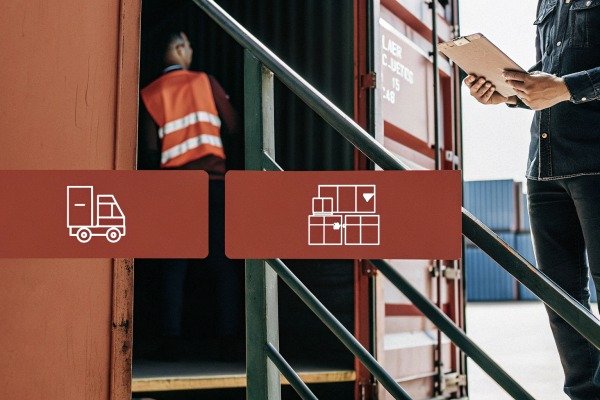
Lorsque vous importez une technologie aussi complexe qu'un drone de pulvérisation, vous n'importez pas seulement une machine. Vous importez des radios, des batteries et du matériel d'aviation. Chaque pièce nécessite sa propre trace écrite.
Le paquet d'importation standard
Chaque envoi doit être accompagné des "trois grands" documents. Votre courtier ou l'agent du CBP vous les demandera immédiatement.
- Facture commerciale : Elle doit mentionner l'acheteur, le vendeur et une description détaillée des marchandises. Elle doit mentionner le code HTS (généralement 8806.21 ou similaire pour les drones). Code HTS 6 Il doit faire apparaître la valeur réelle de la transaction.
- Liste d'emballage : Il précise le poids brut, le poids net et les dimensions des boîtes.
- Lettre de voiture (Bill of Lading) : Il s'agit du reçu du transporteur. Il prouve que vous avez le droit de réclamer la cargaison.
Conformité spécifique aux drones
C'est là que les choses se compliquent. Les drones agricoles sont réglementés par plusieurs agences américaines. Si vous ne disposez pas de ces documents, votre cargaison pourrait être retenue par des agences gouvernementales partenaires (Partner Government Agencies - PGA).
- Certification FCC : La télécommande et le drone communiquent par radiofréquences. Ils doivent avoir un numéro d'identification FCC. Nous veillons à ce que tous nos émetteurs soient conformes, mais vous avez besoin du certificat pour le prouver.
- Formulaires de l'EPA : Si les drones électriques sont généralement exemptés, certains modèles hybrides à essence doivent faire l'objet d'une déclaration auprès de l'EPA. Toutefois, les réservoirs de pulvérisation peuvent susciter des questions s'ils contiennent des résidus (les nôtres sont expédiés neufs et vides).
- Déclarations de la batterie : Les grandes batteries au lithium (plus de 100Wh) sont des marchandises dangereuses de classe 9. Vous avez besoin d'une fiche de données de sécurité (FDS) et d'un rapport d'essai UN38.3. Nous les fournissons avec chaque envoi de piles.
La question du tarif de l'article 301
Comme nos produits sont originaires de Chine, ils sont soumis aux droits de douane de la section 301. Il s'agit d'une taxe commerciale supplémentaire. Votre documentation doit clairement indiquer le pays d'origine. Si vous essayez de le cacher, les sanctions sont sévères.
Liste de contrôle des documents pour les importateurs
Utilisez cette liste de contrôle pour vous assurer que vous avez tout ce qu'il vous faut avant l'arrivée du navire.
| Nom du document | Objectif | Agence gouvernementale | Note critique |
|---|---|---|---|
| Facture commerciale | Valeur et description | CBP | Doit correspondre au code HTS utilisé. |
| Formulaire 740 de la FCC | Conformité aux radiofréquences | FCC | Nécessaire pour les contrôleurs/télémétrie. |
| FICHE DE DONNÉES DE SÉCURITÉ / UN38.3 | Sécurité des batteries | DOT / CBP | Obligatoire pour les piles au lithium-ion. |
| Informations sur l'identification à distance | Sécurité aérienne | FAA | Le drone doit émettre des signaux d'identification. |
| Déclaration d'utilisation finale | Intention d'utilisation | BIS | Confirme l'utilisation de l'agriculture (non militaire). |
Combien coûte généralement l'engagement d'un courtier en douane pour mon envoi ?
Nous comprenons que les marges sont étroites dans l'agriculture et que personne n'aime payer des frais supplémentaires en plus du coût de l'équipement. Cependant, nous avons constaté que le paiement d'une redevance professionnelle est souvent moins onéreux que le coût du stockage lorsqu'un conteneur est bloqué.
Les frais de courtage en douane varient généralement entre $150 et $400 par entrée, en fonction de la complexité et de la valeur de l'envoi. Vous devez également prévoir un budget pour les frais de traitement des marchandises (MPF), les droits de douane potentiels au titre de la section 301 et les frais de manutention supplémentaires pour les matières dangereuses telles que les piles au lithium.

Le coût de l'importation ne se limite pas au prix du drone. Lorsque vous calculez votre budget, vous devez tenir compte du "coût au débarquement". Ce coût comprend les frais de courtage et les taxes gouvernementales.
Ventilation des frais de courtage
La plupart des courtiers facturent un montant forfaitaire pour leur service. Cette somme couvre le travail d'enregistrement dans le système ACE (Automated Commercial Environment). Environnement commercial automatisé 7
- Frais d'inscription : Habituellement $150-$200 pour un envoi standard.
- Frais PGA : S'ils doivent déposer des formulaires supplémentaires pour la FCC ou la FDA, ils peuvent facturer un supplément de $20-$50 par agence.
- Dépôt de l'ISF : Pour le fret maritime, un dossier de sécurité de l'importateur (ISF) doit être déposé avant que le navire ne quitte la Chine. Les courtiers facturent environ $25-$50 pour cela.
Frais de gouvernement (non négociables)
Votre courtier perçoit ces frais auprès de vous et les verse à l'État.
- Frais de traitement des marchandises (MPF) : Il s'agit d'une taxe perçue par le CBP. Pour les entrées formelles (valeur supérieure à $2 500), elle s'élève à 0,3464% de la valeur des marchandises. Le minimum est d'environ $30, et le maximum d'environ $600.
- Cautionnement douanier : Vous ne pouvez pas importer commercialement sans caution. Vous pouvez acheter une caution à entrée unique (environ $50-$100 par envoi) ou une caution continue (environ $400-$500 par an). Si vous prévoyez d'acheter chez nous plus de deux fois par an, le cautionnement annuel vous permet d'économiser de l'argent.
Coûts des droits
Il s'agit souvent de la dépense la plus importante.
- Service standard : Pour de nombreux drones, le taux de droit de base est 0%.
- Section 301 du tarif : Pour les drones chinois, il y a souvent un droit supplémentaire de 25%. Sur un drone de $10 000, cela représente un supplément de $2 500. Un courtier s'assure que ces droits sont calculés correctement afin d'éviter tout audit ultérieur.
Scénario de coût : importation d'un drone agricole $10 000
Voici une estimation réaliste de ce que vous pourriez payer à un courtier par rapport au gouvernement.
| Poste de coût | Montant estimé | Qui reçoit l'argent ? |
|---|---|---|
| Frais d'entrée du courtier | $150.00 | Courtier en douane |
| Obligation à entrée unique | $60.00 | Société de cautionnement |
| Dépôt de l'ISF | $35.00 | Courtier en douane |
| Frais de traitement des marchandises | $34.64 (0.3464%) | Douanes américaines (CBP) |
| Tarif de la section 301 (25%) | $2,500.00 | Douanes américaines (CBP) |
| Total des droits et taxes | $2,779.64 |
Note : Ce montant ne comprend pas les frais de transport. Les frais de courtage ne représentent qu'une petite partie de l'impôt total à payer.
Quels sont les risques si j'essaie de m'occuper moi-même du dédouanement ?
Nous avons déjà vu un client tenter de remplir lui-même une commande importante pour économiser quelques centaines de dollars, et se voir infliger des amendes massives pour avoir mal classé le drone en tant que jouet. C'est un pari qui est rarement payant pour les équipements de grande valeur.
Les risques liés à l'autodéclaration comprennent une classification HTS incorrecte, entraînant un paiement excessif ou des pénalités, et le non-respect des exigences des agences gouvernementales partenaires, telles que celles de la FCC ou de la FAA. Les erreurs entraînent souvent la saisie des envois, de longs délais de stockage et des amendes importantes en vertu de la norme de "diligence raisonnable".

Le système douanier américain vous permet de remplir vous-même votre déclaration, mais il fonctionne selon une norme juridique appelée "diligence raisonnable"." Soins raisonnables 8 Cela signifie que l'ignorance n'est pas une défense. Si vous commettez une erreur, le CBP considère que vous n'avez pas fait preuve d'une attention raisonnable pour apprendre les règles.
Le piège de la classification
Les drones sont difficiles à classer. S'agit-il d""aéronefs" ou de "caméras" ?
- S'il s'agit d'un jouet, les droits sont peu élevés.
- S'il s'agit d'une machine industrielle, les obligations peuvent être différentes.
- Si le code tarifaire de la section 301 n'est pas respecté, le CBP considère qu'il s'agit d'une fraude fiscale.
Nous avons vu des pénalités égales à la valeur de l'envoi lui-même. Un courtier dispose d'une assurance et d'une expertise pour éviter cela.
Le risque de double usage
Les drones agricoles sont puissants. Ils ont une grande capacité de levage et un long rayon d'action. Parfois, les autorités les considèrent comme des biens à "double usage", ce qui signifie qu'ils pourraient être utilisés à des fins militaires. Un courtier sait comment déposer une déclaration d'utilisation finale pour prouver que le drone est destiné à l'agriculture. Si vous vous y prenez mal par vous-même, votre nom risque de figurer sur une liste de surveillance, ce qui rendra toute importation future impossible.
Interdictions réglementaires et listes noires
La situation politique évolue rapidement. La FCC tient à jour une "Covered List" (liste des équipements interdits). Liste couverte 9 À partir de la fin de l'année 2025, les restrictions sur les technologies étrangères sont plus strictes. Un courtier professionnel se tient au courant de ces changements quotidiens. Si vous vous inscrivez vous-même, vous risquez d'essayer d'importer sans le savoir un composant interdit, ce qui entraînerait la saisie et la destruction immédiates des marchandises.
Le coût caché des retards
Si vous commettez une erreur administrative, votre cargaison ne reste pas là gratuitement. Le port facture des "surestaries" (frais de stockage).
- Frais de surestaries : Peut fonctionner avec $200-$500 par jour par contenant.
- Frais d'examen : Si la CBP veut passer votre boîte aux rayons X parce que vos papiers étaient vagues, vous payez les rayons X (des centaines de dollars).
Tableau de comparaison des risques
| Facteur de risque | Traitement des courtiers | Autogestion |
|---|---|---|
| Classification HTS | Mission d'expert ; faible taux d'erreur. | Risque élevé d'erreur ; amendes potentielles. |
| Conformité PGA (FCC/FAA) | Classement de routine ; signalement précoce des problèmes. | Facile à négliger ; entraîne des crises d'épilepsie. |
| Section 301 Tarifs | Correctement calculée et classée. | des erreurs de calcul fréquentes. |
| Responsabilité | Le courtier joue un rôle de tampon (dans une certaine mesure). | Vous portez la responsabilité personnelle de 100%. |
| Vitesse | L'élimination se fait souvent en quelques minutes grâce à l'ABI. | Le traitement manuel prend des jours. |
Conclusion
L'importation de drones agricoles implique de se conformer aux règles de sécurité strictes de la FAA et aux lois sur les radiocommunications de la FCC. Règles de sécurité de la FAA 10, et des tarifs commerciaux complexes. Bien que l'autodéclaration soit légale, les risques de saisie et d'amende sont élevés. Pour la plupart des acheteurs commerciaux, l'investissement le plus judicieux consiste à faire appel à un courtier ou à utiliser les services d'expédition DDP d'un fabricant de confiance comme le nôtre.
Notes de bas de page
1. Page officielle de la Chambre de commerce internationale définissant l'Incoterm DDP et les responsabilités du vendeur. ︎
2. Définit l'Incoterm spécifique mentionné dans le texte concernant les responsabilités en matière d'expédition. ︎
3. Normes industrielles de l'IATA concernant la classification et le transport de matières dangereuses par voie aérienne. ︎
4. Outil de recherche officiel du gouvernement américain pour déterminer les classifications correctes de l'Harmonized Tariff Schedule. ︎
5. Informations générales sur les fonctions juridiques et commerciales d'une facture commerciale. ︎
6. Liens vers l'outil de recherche officiel de l'USITC pour les codes de l'Harmonized Tariff Schedule. ︎
7. Page officielle du CBP expliquant le système ACE utilisé pour le traitement des importations. ︎
8. Publication officielle du CBP définissant la norme légale de diligence raisonnable pour les importateurs. ︎
9. Lien direct vers la liste officielle de la FCC des équipements de communication considérés comme une menace pour la sécurité nationale. ︎
10. Page officielle de l'Administration fédérale de l'aviation concernant les réglementations relatives aux systèmes aériens sans pilote (UAS). ︎

 English
  Español de México
  Deutsch
  Français
  Русский
  العربية
