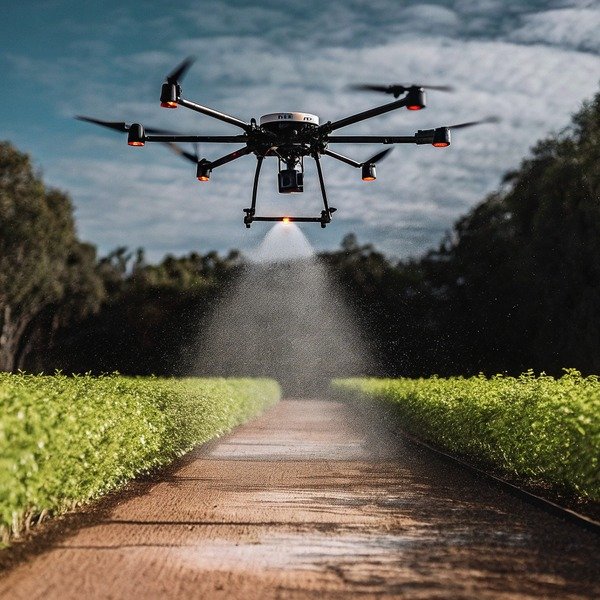
Je me souviens qu'un client a perdu une saison de plantation entière parce que son précédent fournisseur avait promis quatre semaines mais avait livré en six mois. Voir les cultures échouer à cause de la logistique est déchirant, c'est pourquoi nous alignons strictement nos calendriers d'assemblage sur les stocks de composants vérifiés.
Vous évaluez la crédibilité en exigeant des preuves concrètes : demandez des références de clients récents des six derniers mois, vérifiez les stocks actuels par des appels vidéo horodatés et auditez leur stratégie d'approvisionnement en composants. Les fournisseurs fiables offrent des calendriers de production transparents et des contrats standard avec des clauses de pénalité pour les retards non communiqués.
Examinons les étapes spécifiques pour vérifier ces affirmations avant que vous ne signiez le chèque.
Comment puis-je vérifier la capacité de production du fabricant avant de passer ma commande ?
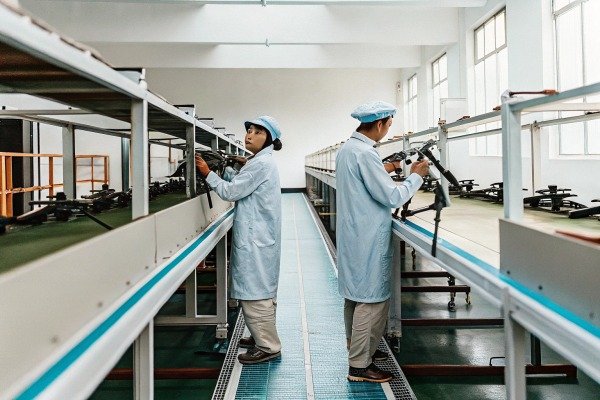
Rien de pire que d'entendre “rupture de stock” après avoir versé l'acompte. Dans notre usine de Chengdu, nous alignons strictement les calendriers d'assemblage sur les stocks de composants entrants pour éviter ce scénario pour nos partenaires.
Demandez un audit vidéo en direct de la chaîne d'assemblage pour voir votre lot spécifique en production. Demandez une photo “Preuve de vie” des stocks actuels et examinez leurs données de carnet de commandes. Les fabricants à forte capacité partagent ouvertement leurs taux de production et disposent de stocks tampons visibles pour les pièces critiques comme les capteurs.
La réalité de la production par rapport aux stocks
Sur le marché des drones agricoles marché évalué à 4 à 6 milliards de dollars 1, "en stock" signifie souvent "nous avons commandé les pièces"." drone agricole 2 Cette distinction est dangereuse. Avec un marché évalué à 4 à 6 milliards de dollars en 2025, la demande dépasse souvent l'offre. Nous avons vu des concurrents lister des drones comme disponibles, pour ensuite se précipiter pour trouver des contrôleurs de vol une fois que le virement bancaire est effacé.
Pour protéger votre entreprise, vous devez comprendre la différence entre la capacité théorique et le débit réel. Une usine peut avoir l'espace pour construire 500 drones par mois, mais si un capteur spécifique leur manque en raison de tarifs mondiaux, cette capacité est nulle.
Étapes de vérification exploitables
Ne vous fiez pas à une brochure. Nous encourageons nos distributeurs potentiels à demander une "Vérification de production en direct". Cela implique un simple appel vidéo où l'ingénieur commercial se promène dans l'usine. Vous devriez demander à voir le modèle spécifique que vous achetez. S'ils le fabriquent, vous verrez des cadres sur la chaîne, des moteurs en cours de test et des contrôleurs de vol en cours de calibrage.
Une autre métrique critique est le carnet de commandes. Demandez directement au fournisseur : "Quel est votre rendement quotidien actuel par rapport à votre file d'attente de commandes ?" S'ils produisent 10 unités par jour mais ont un carnet de commandes de 500, une promesse de "délai de 2 semaines" est mathématiquement impossible.
Analyse de la chaîne d'approvisionnement
Vous devez également vous renseigner sur l'approvisionnement de leurs composants. Les perturbations de la chaîne d'approvisionnement de 2025 nous ont appris que le recours à une source unique pour la propulsion le recours à une source unique 3 les systèmes ou les batteries est risqué. Les fabricants fiables diversifient. Nous nous approvisionnons en composants critiques auprès de plusieurs régions pour garantir que si une frontière ferme ou qu'un tarif change, notre chaîne continue de fonctionner.
Liste de contrôle pour la vérification de la capacité
| Méthode de vérification | Ce qu'il faut rechercher | Drapeau rouge |
|---|---|---|
| Audit vidéo | Vue en direct des chaînes d'assemblage, présence d'ouvriers, tests actifs. | Refus de montrer l'usine pour des raisons de "secret" ou des établis vides. |
| Preuve d'inventaire | Photos de votre modèle spécifique dans l'entrepôt avec un journal actuel ou un horodatage. | Photos de stock d'un site Web ou images de boîtes vides. |
| Approvisionnement en composants | Liste des fournisseurs de niveau 1 pour les moteurs, les batteries et les capteurs. | Réponses vagues comme "divers fournisseurs" ou dépendance à une seule marque restreinte. |
| Données de backlog | Chiffres clairs sur la longueur actuelle de la file d'attente par rapport à la production quotidienne. | "Nous pouvons vous intégrer immédiatement" pendant la haute saison (avril-juin). |
Le fournisseur a-t-il une expérience suffisante en matière d'exportation pour éviter les retards de dédouanement ?
Votre drone bloqué indéfiniment à la douane américaine est un cauchemar pour tout responsable des achats. Nous avons appris très tôt que la documentation méticuleuse des batteries et les codes SH appropriés sont le seul moyen d'assurer la rapidité.
Vérifiez leur historique d'expéditions réussies vers votre région spécifique en demandant des connaissements expurgés de clients américains ou européens précédents. Assurez-vous qu'ils comprennent la logistique des matières dangereuses pour les batteries au lithium et qu'ils ont établi des relations avec des transitaires spécialisés qui traitent les machines agricoles et les technologies à double usage.

La complexité de la logistique des drones
L'exportation de drones industriels n'est pas comme l'expédition d'électronique grand public. Les drones agricoles sont grands, lourds et relèvent souvent de la réglementation "à double usage" en fonction de la capacité de charge utile et de la technologie. De plus, les batteries au lithium-polymère de haute capacité requises pour les drones pulvérisateurs sont classées comme marchandises dangereuses de classe 9 Classe 9 Marchandises dangereuses 4 (MD).
De nombreux fournisseurs sous-estiment la documentation requise pour ces batteries. Classe 9 Marchandises dangereuses 5 Si un fournisseur expédie des batteries sans le résumé des tests UN38.3 résumé des tests UN38.3 6 ou la FDS (Fiche de Données de Sécurité) correcte, l'expédition sera saisie ou retournée. Cela peut ajouter des semaines ou des mois à votre délai de livraison.
Vérification de la capacité "atterrie"
Lorsque nous parlons à de nouveaux clients aux États-Unis ou en Europe, nous soulignons la différence entre "date d'expédition" et "date de livraison". Un fournisseur peut expédier à temps, mais s'il manque d'expérience à l'exportation, le processus de dédouanement consommera votre délai.
Demandez au fournisseur une preuve de livraisons réussies récentes dans votre pays. Un connaissement expurgé ou un historique de suivi d'une expédition précédente est une excellente preuve. Cela montre qu'ils savent quels codes SH utiliser pour minimiser les litiges douaniers. 10. Listes de colisage avec des détails sur les composants 7 et que leur emballage respecte les normes internationales.
Conformité réglementaire et certifications
Vous devez également vérifier que le drone répond aux normes de destination. Pour les États-Unis, cela peut impliquer une certification FCC pour les liaisons radio. En Europe, le marquage CE est non négociable. Marquage CE 8 Si un fournisseur expédie un drone qui n'a pas ces certifications, les douanes peuvent bloquer l'entrée entièrement.
Nous vous recommandons également de vous renseigner sur leur transitaire. Les fabricants expérimentés s'associent à des sociétés de logistique spécialisées dans le fret de marchandises dangereuses (DG). L'utilisation d'un coursier standard pour une expédition de 200 kg de drones et de batteries entraîne souvent un rejet au centre de tri.
Pièges logistiques courants
| Élément logistique | Pourquoi cela cause des retards | Comment vérifier la capacité |
|---|---|---|
| Expédition de batteries | Les marchandises dangereuses de classe 9 nécessitent un emballage et un étiquetage spéciaux. | Demandez leurs rapports UN38.3 et des exemples de déclarations DG. |
| Codes SH | Un codage incorrect déclenche des inspections et des litiges tarifaires. | Demandez quel code SH ils utilisent pour les "drones agricoles" par rapport aux "jouets". |
| Courtage en douane | L'absence d'un courtier local ralentit le paiement des droits de douane et la libération. | Vérifiez s'ils proposent le DDP (Delivered Duty Paid) ou si vous avez besoin de votre propre courtier. |
| Emballage en bois | Les palettes en bois non traitées sont rejetées par les douanes américaines/européennes. | Assurez-vous qu'ils utilisent des caisses fumigées ou en contreplaqué (conformes à la norme ISPM 15). |
Quels sont les signaux d'alarme qui indiquent qu'un fournisseur promet trop sur les dates de livraison ?
Si un représentant commercial promet une livraison immédiate pendant la saison de pulvérisation intense sans vérifier le stock, méfiez-vous. Nous ne proposons jamais de date avant que notre chef de production ne confirme le créneau spécifique pour ce lot.
Les principaux signaux d'alarme incluent des délais de livraison nettement plus courts que la moyenne de l'industrie de 4 à 8 semaines pendant la haute saison ou l'absence d'un plan clair d'approvisionnement en composants. Soyez prudent s'ils ne peuvent pas expliquer la résilience de leur chaîne d'approvisionnement face aux tarifs douaniers ou s'ils refusent de fournir des témoignages clients spécifiques de votre région.
Le délai "trop beau pour être vrai"
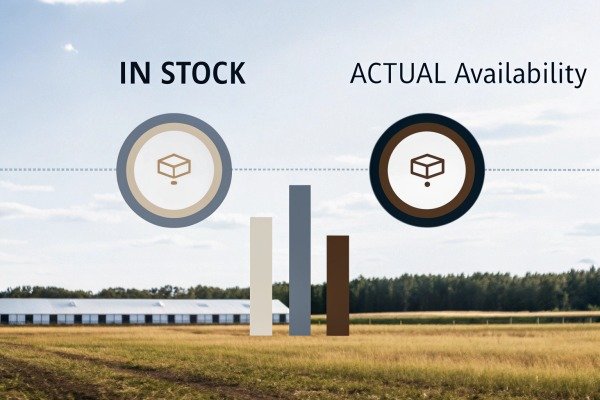
Le marché des drones agricoles est saisonnier. La demande augmente avant les saisons de plantation et de pulvérisation. Pendant ces périodes, les délais de livraison s'allongent naturellement. Si le délai moyen de l'industrie est de 6 à 8 semaines et qu'un fournisseur promet une livraison en 1 semaine, il ment probablement ou vend des "vaporwares" (produits qui n'existent pas encore).
Nous avons vu des concurrents prendre des commandes basées sur des projections optimistes d'arrivée de pièces. Lorsque ces pièces sont bloquées en transit, le client se retrouve à attendre. Un fournisseur crédible sera honnête quant à la file d'attente. Il dira : "Nous avons un arriéré de 4 semaines, mais si vous commandez maintenant, nous sécurisons votre créneau."
Silence sur l'approvisionnement
La transparence est essentielle. Si un fournisseur refuse de discuter de l'origine de ses moteurs ou de ses contrôleurs de vol, prenez-en note. Les chaînes d'approvisionnement mondiales sont fragiles. Les tarifs douaniers et les restrictions commerciales peuvent couper l'accès à des composants spécifiques du jour au lendemain.
Dans notre usine, nous discutons ouvertement de notre diversification de la chaîne d'approvisionnement car cela renforce la confiance. Si un fournisseur est évasif sur la manière dont il gère les pénuries de composants, il n'a probablement pas de plan d'urgence. Cela signifie que votre date de livraison est entièrement à la merci de ses sous-fournisseurs.
Manque de support local ou de pièces
Un autre signal d'alarme est l'absence d'un écosystème de pièces de rechange. Un drone est un outil qui s'use. Si un fournisseur promet un drone mais ne peut pas promettre la disponibilité immédiate des hélices, des buses ou des pompes, il n'est pas prêt pour les clients industriels.
Les retards dans la livraison des pièces de rechange sont aussi préjudiciables que les retards dans la livraison de l'unité principale. Si vous cassez un train d'atterrissage et devez attendre 3 semaines pour un remplacement, votre exploitation s'arrête. Un fournisseur qui promet une livraison rapide de drones mais qui n'a pas de stock de pièces est un signe d'avertissement majeur.
Modèles de communication
Faites attention à la façon dont ils communiquent pendant le processus de vente. Répondent-ils instantanément aux questions de prix mais mettent-ils des jours à répondre aux questions de logistique technique ? Cela reflète souvent leur efficacité opérationnelle. Si le côté administratif est désorganisé, le côté fabrication l'est généralement aussi.
Signaux du marché vs. Déclarations du fournisseur
| Signal | Comportement crédible du fournisseur | Comportement suspect du fournisseur |
|---|---|---|
| Délai de livraison en haute saison | "Le carnet de commandes actuel est de 5 semaines en raison d'une forte demande." | "Nous pouvons expédier demain ! Pas d'attente !" |
| Questions techniques | Réponses détaillées des ingénieurs ou des chefs d'équipe techniques. | Réponses vagues, génériques ou ignorance de la question. |
| Vérification des références | Fournit les coordonnées d'acheteurs récents dans votre secteur. | "La "confidentialité du client" les empêche de partager des références. |
| Examen du contrat | Ouvert à la discussion des conditions et des pénalités de livraison. | Insiste sur une facture pro forma standard sans clauses de responsabilité. |
Quels termes contractuels dois-je inclure pour protéger mon entreprise contre les expéditions tardives ?
Une poignée de main ne protège pas votre investissement en cas de défaillance logistique. Nous encourageons nos partenaires à rechercher des contrats qui définissent des pénalités, car cela maintient notre propre équipe logistique responsable et concentrée.
Inclure une clause de “ dommages-intérêts liquidés ” imposant une pénalité financière pour chaque semaine de retard au-delà du délai de grâce. Assurez-vous que le contrat définit clairement la “ livraison ” comme une arrivée à destination, et non comme un simple expédition d'usine, et garantissez le droit d'annuler avec un remboursement intégral si le retard dépasse un délai spécifique.

Le pouvoir des dommages-intérêts liquidés
Dans le commerce international, normes internationales 9 une promesse ne vaut rien sans pénalité. Nous conseillons aux acheteurs d'insérer une clause de " dommages-intérêts liquidés " pour retard de livraison. Dommages-intérêts liquidés 10 Par exemple, pour chaque semaine où l'expédition est retardée au-delà de la date convenue, le fournisseur accorde une remise de 1% ou 2% de la valeur totale de la commande, jusqu'à un plafond (généralement 10-15%).
Cela fait deux choses. Premièrement, cela vous compense pour le désagrément. Deuxièmement, et c'est plus important, cela place votre commande en tête de la liste de priorités du fournisseur. Si un fabricant doit choisir quelle commande expédier en premier, il privilégiera celle qui lui coûte de l'argent en cas de retard.
Définir la " livraison "
L'ambiguïté est l'ennemi d'une livraison rapide. Une astuce courante consiste pour les fournisseurs à définir la livraison comme " départ usine " (EXW) – ce qui signifie que le chronomètre s'arrête une fois qu'ils ont mis la boîte sur leur propre quai de chargement.
Vous devriez négocier des conditions qui correspondent à vos besoins. Si vous gérez l'expédition, vérifiez la date de " prêt à l'enlèvement ". Si le fournisseur gère l'expédition (DDP ou CIF), la date de livraison doit être liée à la remise au transporteur principal ou à l'arrivée au port de destination. Soyez clair sur qui supporte le risque des retards douaniers.
Le " droit d'annuler "
Vous devez avoir une stratégie de sortie. Nous avons vu des acheteurs piégés dans des retards de 6 mois parce qu'ils avaient payé 100% d'avance et n'avaient aucune clause contractuelle leur permettant d'annuler.
Votre contrat devrait stipuler que si la livraison est retardée de plus d'une période définie (par exemple, 30 jours) sans événement de force majeure, vous avez le droit d'annuler la commande et de recevoir un remboursement intégral de l'acompte dans les 7 jours. Cela protège votre trésorerie et vous permet de vous tourner vers un fournisseur différent ou un prestataire de services si la saison est compromise.
Critères d'acceptation
Enfin, assurez-vous que le délai de livraison comprend une période d'inspection de qualité. Le chronomètre ne devrait pas s'arrêter tant que vous n'avez pas vérifié que les marchandises sont fonctionnelles. La " livraison " implique la livraison d'unités fonctionnelles. Si un drone arrive cassé et prend 2 semaines à réparer, c'est un retard de délai de livraison.
Clauses essentielles pour les contrats d'approvisionnement de drones
| Type de clause | Objectif | Terme recommandé |
|---|---|---|
| Dommages-intérêts liquidés | Pénalité financière pour retard. | 11% de la valeur totale par semaine de retard, plafonné à 10%. |
| Définition de la date | Clarifie quand "l'horloge s'arrête"." | Date précise de remise au premier transporteur international. |
| Droit d'annulation | Porte de sortie pour les retards extrêmes. | Droit à un remboursement intégral si le retard >30 jours. |
| Force Majeure | Limite les excuses pour retard. | restreindre aux catastrophes authentiques ; exclure la "pénurie de pièces" ou les "retards douaniers normaux"." |
| Conditions de paiement | Levier contre la non-performance. | 30% d'acompte, 70% sur preuve de préparation à l'expédition (photos/vidéo). |
Conclusion
La vérification des délais de livraison nécessite de la diligence. En auditant la production par vidéo, en vérifiant l'historique des exportations et en signant des contrats solides, vous vous assurez que votre flotte arrive avant que les mauvaises herbes ne s'installent. Faites confiance aux données, pas seulement aux promesses, pour protéger votre saison.
Notes de bas de page
1. Fait référence à des données de recherche de marché faisant autorité concernant l'évaluation de l'industrie. ︎
2. Fournit un aperçu général de la technologie et de ses applications dans l'agriculture. ︎
3. Liens vers les définitions standard de l'industrie et les risques de l'approvisionnement unique. ︎
4. Normes officielles de classification pour le transport des batteries au lithium. ︎
5. Autorité internationale sur la réglementation du transport aérien des batteries au lithium. ︎
6. Cite la norme obligatoire d'essai de sécurité pour le transport des batteries. ︎
7. Source officielle des codes du Système Harmonisé utilisés dans le commerce international et les douanes. ︎
8. Site officiel de la Commission européenne expliquant les exigences du marquage CE. ︎
9. L'ISO 9001 est la norme pour les systèmes de management de la qualité dans la fabrication. ︎
10. Définition juridique et contexte des clauses pénales dans les contrats commerciaux. ︎

 English
  Español de México
  Deutsch
  Français
  Русский
  العربية
