
L'investissement dans les drones agricoles nécessite un capital important drones agricoles 1, Rien n'épuise votre budget plus rapidement que des batteries qui ne fonctionnent pas. Dans notre unité de production de Xi'an, nous testons fréquemment les unités de nos concurrents par rapport aux nôtres et nous constatons que l'écart entre une brochure commerciale et la réalité sur le terrain est souvent alarmant. Vous devez regarder au-delà des spécifications brillantes et exiger des preuves de qualité technique avant de vous engager dans un achat.
Pour vérifier les affirmations du fournisseur, demandez des journaux de vol documentés montrant les performances avec une charge utile complète et dans des conditions de vent spécifiques, et pas seulement des temps de vol stationnaire. Croisez la cote C avec la consommation maximale de courant de votre drone, demandez des captures d'écran du logiciel du système de gestion de la batterie (BMS) montrant l'historique de l'équilibrage des cellules, et vérifiez si la garantie couvre la perte de capacité basée sur le cycle.
Voici comment valider systématiquement ces systèmes d'alimentation critiques.
Quels rapports d'essais en vol dois-je demander pour confirmer l'endurance du drone à pleine charge ?
Voir une fiche technique promettre 30 minutes de vol est excitant, jusqu'à ce que votre drone atterrisse après seulement 15 minutes de travail réel. Dans notre processus d'étalonnage des contrôleurs de vol, nous savons que le poids de la charge utile modifie considérablement les profils de consommation d'énergie. poids de la charge utile 2 Ne vous contentez pas de simples données de survol, car elles ne sont pas pertinentes pour vos activités agricoles quotidiennes.
Exigez un rapport d'essai en vol indiquant explicitement le poids total en charge (AUW), y compris la charge utile liquide, enregistré à des vitesses de vent opérationnelles moyennes. Le rapport doit indiquer la courbe d'affaissement de la tension pendant les manœuvres à couple élevé, prouvant que la batterie maintient des niveaux de tension sûrs pendant toute la durée de la mission de pulvérisation, sans coupure prématurée.

Le piège "planant" ou la pulvérisation active
La plupart des fournisseurs calculent le temps de vol annoncé sur la base d'un drone en vol stationnaire dans des conditions calmes au niveau de la mer. Il s'agit du "meilleur scénario" et il est pratiquement inutile pour un responsable des achats. Lorsque nous concevons nos drones pour l'exportation, nous effectuons des tests "basés sur la mission". Cela implique que le drone accélère, freine, tourne et pulvérise. Ces actions créent des pics de courant, ce qui n'est pas le cas du vol stationnaire.
Vous devez demander un "carnet de vol de mission". Ce document permet de suivre la tension de la batterie depuis le décollage jusqu'à l'atterrissage, pendant que le drone effectue un quadrillage. Les drones agricoles consomment beaucoup plus d'énergie lorsqu'ils tournent à la fin d'une rangée de pulvérisation, car les moteurs doivent lutter contre l'inertie pour changer de direction. Une batterie qui dure 20 minutes en vol stationnaire peut ne durer que 12 minutes lors d'une pulvérisation serrée.
Analyse de l'affaissement de tension sous charge
Le point de données le plus critique dans un rapport d'essai n'est pas le temps total, mais la "chute de tension"." affaissement de la tension 3 Cela se produit lorsque le drone a besoin d'une poussée de puissance, par exemple lorsqu'il remonte d'un plongeon ou qu'il lutte contre une rafale de vent soudaine.
Si la batterie d'un fournisseur est de mauvaise qualité, la tension chutera brusquement sous cette charge, ce qui pourrait déclencher un atterrissage de sécurité en cas de basse tension, même si la batterie a encore une capacité de 40%. Nous conseillons à nos clients de rechercher une courbe de tension qui reste lisse et régulière. Si le graphique ressemble à une dent de scie déchiquetée, les cellules de la batterie ne peuvent pas supporter l'appel de courant requis pour les charges utiles agricoles lourdes.
Paramètres de test recommandés
Lorsque vous demandez des données à un fournisseur, fournissez-lui ce tableau et demandez-lui d'indiquer ses conditions d'essai spécifiques. S'il n'est pas en mesure de le faire, c'est qu'il n'a probablement pas testé le produit de manière approfondie.
| Paramètres | Réclamation marketing des fournisseurs | Vérification requise des tests |
|---|---|---|
| État de la charge utile | Chargement vide ou partiel | 100% Réservoir plein (poids maximum au décollage) |
| Trajectoire de vol | Vol stationnaire | Grille avec virages à 90 degrés |
| Conditions de vent | 0 m/s (intérieur/calme) | 3-5 m/s (brise réelle) |
| Tension finale | 0% (Drainage complet) | 15-20% (marge de sécurité à l'atterrissage) |
Comment faire la différence entre les statistiques des batteries testées en laboratoire et les performances réelles sur le terrain ?
Les environnements de laboratoire sont parfaits, mais ce n'est pas le cas de votre ferme. Lorsque nous exportons vers des climats variés comme le Midwest américain ou l'Europe du Nord, nous constatons que la température influe considérablement sur la portée. Ignorer les facteurs environnementaux conduit à des échecs opérationnels et à la frustration de votre équipe.
Distinguez ces statistiques en vérifiant la température de test et l'altitude indiquées en petits caractères. Les statistiques du laboratoire supposent une température de 25°C et une altitude nulle, alors que les performances réelles diminuent considérablement par temps froid ou à haute altitude. Calculez un tampon de 20% sur toutes les capacités revendiquées en laboratoire pour tenir compte de la résistance au vent et des manœuvres de virage.

L'impact de la température sur la chimie
Les batteries au lithium-polymère (LiPo) sont très sensibles à la température. Batteries au lithium-polymère (LiPo) 4 Dans nos chambres de test, nous constatons qu'une batterie fonctionnant parfaitement à 25°C (77°F) perd environ 15-20% de sa capacité effective si la température ambiante descend à 10°C (50°F).
Cela est dû au fait que la réaction chimique interne ralentit dans le froid, ce qui augmente ce que les ingénieurs appellent la "résistance interne" (RI). Résistance interne 5 Résistance interne 6 Un IR élevé signifie que la batterie génère plus de chaleur résiduelle et fournit moins de puissance aux moteurs. Si un fournisseur annonce une durée de vol de 20 minutes, vous devez demander : "À quelle température ?" Si vous opérez au début du printemps ou à la fin de l'automne, vous devez appliquer un facteur de déclassement. À l'inverse, une chaleur extrême (supérieure à 35 °C) ne réduit pas immédiatement le temps de vol, mais dégrade de façon permanente la chimie de la batterie, ce qui raccourcit sa durée de vie totale.
Le facteur d'élévation
De nombreux acheteurs oublient que la densité de l'air influe sur l'efficacité des drones. densité de l'air 7 densité de l'air 8 En altitude, l'air est plus fin. Les hélices doivent donc tourner plus vite pour générer la même portance, ce qui consomme plus d'ampérage.
Une batterie qui fournit 15 minutes de temps de pulvérisation au niveau de la mer peut ne fournir que 12 minutes à 1 000 mètres d'altitude. Nous demandons toujours à nos clients de nous indiquer l'altitude de leur exploitation lors de la phase de conception. Si un fournisseur ne tient pas compte de votre géographie, il vous fournira des données de laboratoire génériques qui vous décevront sur le terrain.
Calculer votre mémoire tampon dans le monde réel
Pour éviter les surprises, vous devez appliquer un calcul de "tampon dans le monde réel" à toutes les fiches techniques que vous recevez.
Formule :
Temps de vol annoncé × 0,80 (vent/manœuvres) × 0,90 (facteur de vieillissement de la batterie) = Attente réaliste
Par exemple, si une brochure annonce 25 minutes :
25 min × 0,80 = 20 min
20 min × 0,90 = 18 minutes.
Planifiez vos opérations autour de 18 minutes, et non de 25. Cette approche prudente permet de s'assurer que votre drone rentre toujours à la maison en toute sécurité.
Quels sont les indicateurs clés des piles intelligentes de haute qualité qui garantissent une plus longue durée de vie ?
Les piles bon marché semblent identiques aux piles de qualité supérieure, mais elles gonflent et tombent en panne au bout de quelques mois. Notre équipe d'approvisionnement rejette immédiatement les piles dont la résistance interne est inégale, car nous savons qu'elles ne peuvent pas durer. Vous devez savoir ce qu'il faut rechercher à l'intérieur du boîtier pour vous assurer que vous achetez de la qualité.
Les batteries intelligentes de haute qualité sont dotées d'un système de gestion de la batterie (BMS) qui équilibre activement la tension des cellules dans une tolérance de 0,05V. Recherchez des valeurs de résistance interne (IR) faibles, généralement inférieures à 5 milliohms par cellule pour les nouvelles unités, et un câblage de gros calibre qui supporte des valeurs C de décharge élevées sans surchauffe pendant les opérations de pulvérisation intensives.
Le rôle de la GTB intelligente
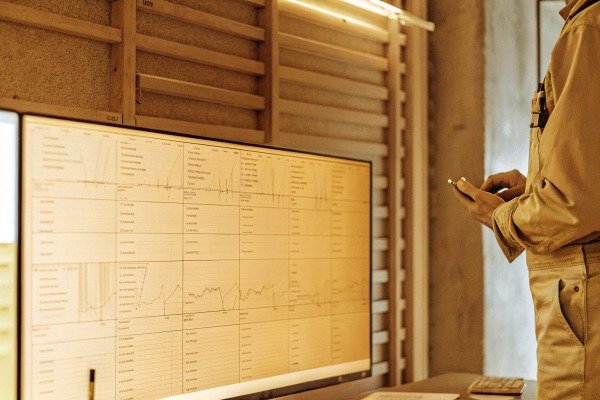
Le système de gestion de la batterie (BMS) est le cerveau de la batterie. Dans les drones agricoles, une batterie "muette" est un handicap. Un système de gestion de batterie intelligent de haute qualité ne se contente pas d'arrêter la surcharge, il équilibre activement les cellules.
Les batteries sont constituées de plusieurs éléments connectés en série. Si une cellule se charge un peu plus rapidement que les autres, elle peut être surchargée alors que les autres sont sous-chargées. Avec le temps, ce déséquilibre détruit la batterie. Un système de gestion de la batterie de qualité évacuera l'énergie des cellules les plus chargées pour compenser celle des cellules les moins chargées, afin qu'elles restent parfaitement synchronisées. Lors de la vérification d'un fournisseur, demandez-lui si son BMS enregistre le "Delta de cellule" (la différence de tension entre la cellule la plus haute et la plus basse). Si ce chiffre dépasse fréquemment 0,1 V, la qualité de la batterie est médiocre.
Comprendre les indices C et la chaleur
La "cote C" mesure la vitesse à laquelle une batterie peut se décharger. Cote C 9 l'énergie en toute sécurité.
- 1C : Décharge la totalité de la batterie en 1 heure.
- 20C : Décharge la totalité de la batterie en 3 minutes (rafale théorique).
Les drones agricoles sont des engins de levage lourds. Ils nécessitent des indices C élevés (souvent de 15C à 25C en continu). Si un fournisseur utilise des cellules de mauvaise qualité avec un faible indice C (par exemple, 5C), la batterie surchauffera physiquement pendant le vol. La chaleur est l'ennemi des batteries au lithium. Si la batterie est extrêmement chaude au toucher après un vol standard, le coefficient C est probablement insuffisant pour le poids du drone.
Vérification de la résistance interne (IR)
Vous pouvez vérifier la qualité de la batterie à l'aide d'un chargeur intelligent standard. Vérifiez la résistance interne (IR) de chaque cellule.
| État de la batterie | Résistance interne par cellule | L'évaluation |
|---|---|---|
| Nouvelle prime | 1 - 4 milliohms (mΩ) | Excellente qualité de fabrication. |
| Nouvelle norme | 5 - 10 milliohms (mΩ) | Acceptable pour un usage général. |
| Vieux / Pauvres | > 15 milliohms (mΩ) | Provoque un affaissement de la tension ; à éviter. |
| Endommagé | > 20 milliohms (mΩ) | Risque pour la sécurité ; ne pas prendre l'avion. |
Si vous recevez une batterie "neuve" et que l'IR est déjà supérieur à 10mΩ, il s'agit probablement d'un ancien stock ou de matériaux de qualité inférieure.
Le fournisseur offre-t-il une garantie qui couvre spécifiquement la durée de vie et la capacité de la batterie ?
Une garantie protège généralement le vendeur, pas vous. Nous voyons souvent des concurrents proposer des garanties de "6 mois" qui excluent l""usure normale", ce qui les rend inutiles pour les utilisateurs fréquents. Vous avez besoin d'une protection qui couvre les cycles d'utilisation réels, et pas seulement les jours calendaires.
Assurez-vous que la garantie couvre explicitement un nombre garanti de cycles de charge, généralement de 300 à 500, en conservant une capacité d'au moins 80%. Évitez les garanties génériques "basées sur la durée" qui excluent l'usure, et vérifiez si les journaux du BMS sont acceptés comme preuve d'une utilisation correcte pour éviter que les fournisseurs ne refusent des réclamations valables.
L'échappatoire de l""usure normale
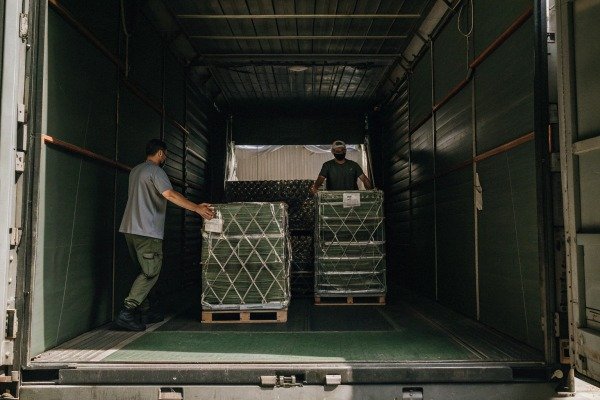
De nombreux fournisseurs offrent une garantie de 12 mois sur le châssis du drone, mais seulement de 3 ou 6 mois sur la batterie. Même dans ce cas, ils incluent souvent une clause excluant la "diminution de la capacité due à une utilisation normale". C'est un piège. Dans l'agriculture, l""utilisation normale" est intense.
Vous devez négocier une garantie basée sur Cycles. Un cycle correspond à une charge et une décharge complètes. Une batterie agricole professionnelle devrait durer au moins 300 à 500 cycles avant que sa capacité ne descende en dessous de 80%. Si une batterie tombe en panne après 50 cycles, il s'agit d'un défaut de fabrication et non d'usure.
Les enregistrements de données comme assurance
Les fournisseurs refusent souvent les réclamations au titre de la garantie en rejetant la faute sur l'utilisateur. Ils peuvent dire : "Vous l'avez mal stocké" ou "Vous l'avez trop déchargé". C'est là que le Smart BMS devient votre meilleur ami.
Un bon fournisseur aura une politique de garantie qui s'appuie sur les enregistrements de données. Le BMS enregistre l'historique de chaque charge et décharge. Si les registres montrent que vous n'êtes jamais descendu en dessous de 3,5 V par cellule et que vous avez toujours conservé la tension de stockage, le fournisseur ne peut pas vous reprocher une défaillance prématurée.
Liste de contrôle des garanties pour la passation de marchés
Avant de signer un contrat, vérifiez ces conditions spécifiques dans le document de garantie :
- Définition de la fin de vie : La garantie s'applique-t-elle lorsque la capacité tombe en dessous de 80%, ou seulement si la batterie meurt complètement ? (Il devrait s'agir du premier cas).
- Limite du nombre de cycles : Existe-t-il un chiffre précis (par exemple, 400 cycles) garanti ?
- Frais d'expédition : Si une batterie tombe en panne, qui paie les frais d'expédition des matières dangereuses pour la renvoyer ? expédition de matières dangereuses 10 (Idéalement, le fournisseur devrait couvrir ces frais ou simplement envoyer un produit de remplacement après vérification des données à distance).
Conclusion
Pour vérifier les affirmations relatives aux batteries de drones agricoles, il faut passer de la confiance dans le marketing à l'analyse des données. En exigeant des journaux de vol à pleine charge, en calculant les tampons environnementaux réels, en vérifiant les valeurs de résistance interne et en obtenant une garantie basée sur le cycle, vous protégez votre investissement. Chez SkyRover, nous pensons que la transparence de ces détails techniques est la base d'un partenariat à long terme. N'achetez pas seulement une batterie ; achetez la performance éprouvée qui garantit que votre opération continue à voler.
Notes de bas de page
1. Vue d'ensemble de l'utilisation des drones dans l'agriculture par la FAO. ︎
2. Ressource éducative de la NASA expliquant la physique fondamentale du poids en vol. ︎
3. Définition et explication de la chute de tension (sag) dans les systèmes électriques. ︎
4. Article de l'IEEE traitant de la sécurité et des caractéristiques de la chimie des piles au lithium. ︎
5. Définition technique d'un grand fabricant d'équipements de test électronique. ︎
6. Note d'application technique de Keysight expliquant comment mesurer la résistance interne d'une batterie. ︎
7. Source gouvernementale officielle (NOAA) expliquant la physique de la densité de l'air. ︎
8. Calculatrice NOAA et explication de la variation de la densité de l'air en fonction de l'altitude. ︎
9. Ressource largement acceptée par l'industrie pour définir les taux de décharge des batteries. ︎
10. Réglementation officielle de la FAA concernant la sécurité du transport aérien des piles au lithium. ︎
 English
  Español de México
  Deutsch
  Français
  Русский
  العربية
Comments
No comments yet. Be the first to share your thoughts!
Leave a Comment