
In our years of engineering industrial UAVs for the global market, we have seen how critical seconds are during a high-rise crisis. high-rise crisis 1 Firefighters often face inaccessible windows that block water from reaching the source, turning a manageable blaze into a structural disaster. To solve this, our design team focuses heavily on integrating precise breaching tools with rapid suppression systems.
To address these needs, look for a heavy-lift drone featuring a dedicated pneumatic window breaker and a high-pressure extinguishing jet nozzle. Ensure the system includes dual thermal-RGB sensors for targeting, recoil compensation algorithms for stability, and prop cages to protect against glass debris.
Let’s examine the specific components that transform a standard heavy-lift drone into a capable high-rise rescue tool. high-rise rescue tool 2
What specific window-breaking mechanisms should I look for in a professional firefighting drone?
When we collaborate with distributors in the US and Europe, the most common request we receive is for a system that can breach double-paned tempered glass safely. tempered glass 3 Standard payloads often lack the necessary force, putting the drone at risk of collision if the pilot flies too close to compensate for weak impact power.
You should prioritize pneumatic or spring-loaded mechanical breakers capable of shattering tempered glass from a safe hover distance. These systems must mount on quick-release gimbals and pair with reinforced propeller guards to prevent damage from flying shards during the breach.
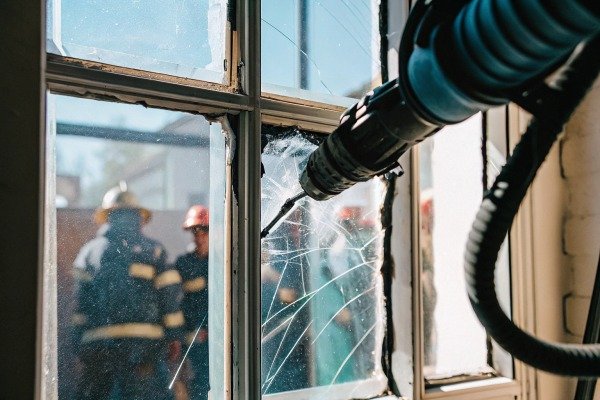
Understanding the Mechanics of the Breach
When you select a firefighting drone, the window-breaking mechanism is your entry key. We often advise procurement managers to avoid simple "ramming" attachments. Ramming requires the drone to crash into the glass, which is dangerous. Instead, you need a projectile or kinetic impact system.
The most reliable mechanism we install is a pneumatic launcher. pneumatic launcher 4 This system uses compressed air to fire a tungsten or steel tip at high velocity. The advantage here is "standoff distance." The drone can hover 1 to 3 meters away from the window. This distance keeps the aircraft safe from the immediate blast of heat and glass shards that follows the break.
The Importance of Modular Design
In our factory, we design these systems to be modular. A fixed breaker limits the drone. You should look for a "quick-release" bay. This allows the operator to swap the broken payload for a fire hose or a sensor package in seconds. Fire scenes change fast. Your equipment must adapt just as quickly.
Debris Protection is Mandatory
Breaking a window creates a cloud of debris. If a glass shard hits a propeller, the drone will crash. We insist on heavy-duty cage guards for any drone used for breaching. These guards encircle the propellers. They add weight, but they ensure the drone survives the initial entry.
Comparing Breaker Technologies
Below is a comparison of common breaker types we encounter in the industry. This will help you decide which fits your safety protocols.
| Característica | Pneumatic Launcher | Mechanical Spring-Loaded | Explosive Charge |
|---|---|---|---|
| Mechanism | Compressed air fires a reusable bolt. | Heavy spring drives a metal spike. | Small controlled detonation. |
| Safety Distance | High (1-3 meters). | Medium (Contact required). | High (Remote detonation). |
| Reusability | High (Reload air tank). | High (Reset spring). | Single use only. |
| Risk of Damage | Low (No physical contact needed). | Medium (Recoil is direct). | High (Shrapnel risk). |
| Mejor caso de uso | High-rise tempered glass. | Lower floors, standard glass. | Specialized military/police use. |
How do I determine if the drone has enough stability to handle the recoil from breaking glass?
Our flight test engineers in Chengdu spend hundreds of hours fine-tuning propulsion systems to handle sudden shocks. If a drone drifts backward or tilts uncontrollably after firing a breaker or opening a high-pressure hose, it can crash into the building it is trying to save.
Assess stability by checking for specific recoil compensation algorithms in the flight controller and a heavy-lift multi-rotor design. The aircraft requires high-torque motors and a minimum Level 5 wind resistance rating to maintain position against the backward force of the impact.
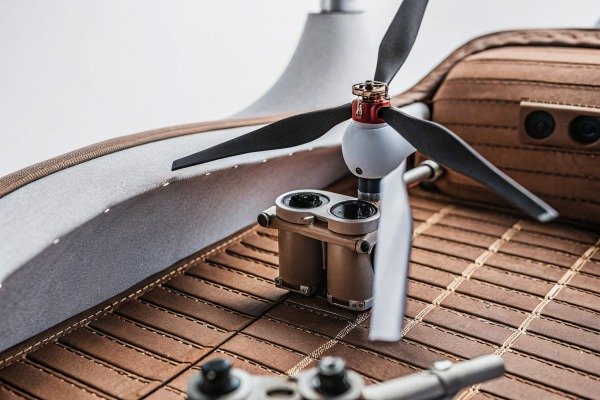
The Physics of Recoil and Flight Control
Every action has a reaction. When a drone fires a projectile to break a window, the physics pushes the drone backward. If the flight controller is standard, it treats this push as a wind gust. It might react too slowly.
You need a drone with "recoil compensation." recoil compensation 5 This is a software feature. The computer knows when the trigger is pulled. It instantly increases power to the rear motors to push forward against the recoil. This keeps the camera steady on the target. When we customize firmware for clients, this is a top priority.
Hardware Requirements for Stability
Software alone is not enough. The physical frame must be heavy and rigid. We recommend an octocopter (8 motors) or a heavy-duty quadcopter with large propellers.
- Weight Matters: A heavier drone absorbs shock better than a light one.
- Motor Torque: High-torque motors react faster to sudden changes.
- Arm Stiffness: Carbon fiber arms should not flex under load. Flexing causes vibration which confuses the sensors.
Wind Resistance Ratings
Fires create their own weather. Hot air rises rapidly, creating strong updrafts near high-rise buildings. We classify our drones by wind resistance levels. wind resistance levels 6 For window breaking, you should accept nothing less than Level 5 or Level 6 resistance. This means the drone can hold its position in winds of 10-13 meters per second.
Checklist for Stability Assessment
Use this table to evaluate if a supplier's drone can handle the job.
| Componente | Standard Drone Spec | Required Firefighting Spec | Why it Matters |
|---|---|---|---|
| Frame Type | Plastic or Light Composite | Carbon Fiber / Aviation Aluminum | Rigid frames prevent vibration during payload firing. |
| Propulsion | Standard Kv Motors | Low Kv, High Torque Motors | Provides instant thrust adjustments to counter recoil. |
| Flight Mode | GPS Position Hold | Attitude/Sport Mode + Recoil Logic | GPS alone is too slow to correct for sudden physical shock. |
| Payload Position | Underslung (Dangling) | Rigidly Mounted / Gimbal Lock | Swinging payloads destabilize the aircraft; rigid mounts are safer. |
Which fire extinguishing payloads are most effective to deploy immediately after a window breach?
Once the glass is broken, the "golden time" for suppression begins. We have found that many customers struggle to choose between carrying a tank or dragging a hose. The wrong choice can delay water delivery just when the fire is most vulnerable to the new oxygen source.
High-pressure boom nozzles that spray fire extinguishing foam or dry powder directly through the breach are most effective. For high-rise operations, select tethered systems offering continuous agent supply, or interchangeable onboard tanks for rapid, targeted suppression in hard-to-reach areas.
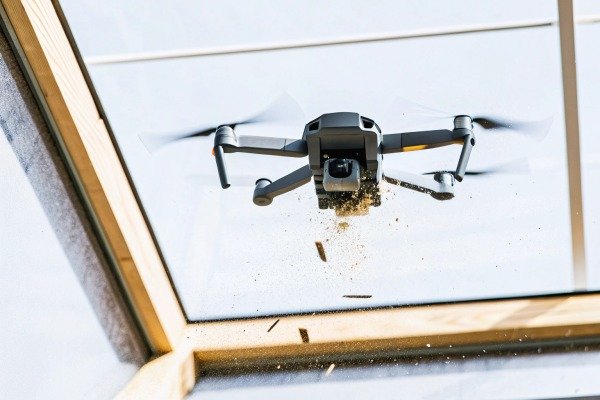
Choosing the Right Agent Delivery System
After the window breaks, you must inject the extinguishing agent immediately. The type of fire determines the payload.
- Onboard Tank (dry powder or foam): This is best for initial suppression. The drone carries a small tank (e.g., 6kg to 25kg). It is fast and agile. It can fly high without the weight of a hose. However, it runs out quickly.
- Tethered Hose System: This connects the drone to a fire truck on the ground. It provides unlimited water or foam. The downside is mobility. The hose is heavy. The drone cannot fly behind obstacles.
The Advantage of the "Boom" Nozzle
Standard sprayers just mist the area. For a broken window, you need a "boom." This is a rigid tube that extends forward from the drone. It allows the pilot to stick the nozzle dentro the broken window.
We manufacture booms that are 1 to 2 meters long. This keeps the drone outside the smoke but puts the water inside the room. This direct injection is far more efficient than spraying from the outside.
Material Compatibility
Not all tanks handle all chemicals. Firefighting foam is corrosive. Dry powder is abrasive. firefighting foam 7 When you buy, ask about the "wetted materials" in the pump and nozzle. Stainless steel and specialized plastics are required. If you use a cheap agricultural sprayer for firefighting foam, the seals will fail after a few uses.
Payload Effectiveness Comparison
We use this data to help clients match the payload to their building types.
| Payload Type | Deployment Speed | Reach (Height) | Duración | Ideal Scenario |
|---|---|---|---|---|
| Firefighting Missile | Very Fast | High (>100m) | Instant (One Shot) | Initial breach and suppression of a specific room. |
| Onboard Powder Tank | Fast | Medium-High | Short (1-2 mins) | Knocking down flames to allow entry; electrical fires. |
| Tethered Water Hose | Slow | Limited (~60-100m) | Unlimited | Sustained cooling of a structure; preventing fire spread. |
What vision sensors and cameras do I need to ensure accurate targeting through smoke and windows?
Smoke is the pilot's worst enemy. In our testing grounds, we simulate dense smoke to calibrate our sensors. We frequently see pilots fail to align the window breaker because they rely on standard video cameras, which become useless when the building vents smoke.
Require a hybrid payload system featuring a radiometric thermal camera to see hotspots through smoke and a 30x optical zoom RGB camera for visual confirmation. An integrated laser rangefinder is also necessary to calculate precise firing distances for breakers and extinguishers.
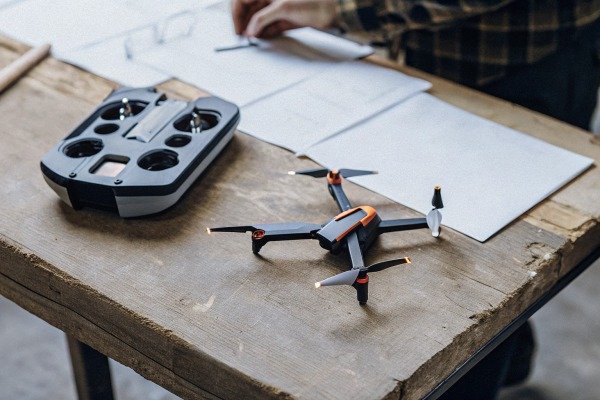
The Necessity of Thermal Imaging
You cannot hit what you cannot see. Smoke blocks visible light, but it passes infrared radiation. A thermal camera sees the heat. thermal camera 8
- Hotspots: It identifies the hottest part of the fire.
- Structure: It reveals the studs and frames of the window, even in pitch black.
- Radiometric Data: This is crucial. A standard thermal camera just shows colors. A "radiometric" camera measures temperature. It tells the pilot if the fire is 200°C or 800°C. This helps decide which agent to use.
Optical Zoom for Detail
Thermal is great for detection, but bad for detail. You need a second camera. This must be a high-resolution RGB camera with optical zoom optical zoom 9 (at least 30x).
Why zoom?
- Verification: Before you break a window, you must verify no people are standing right behind it.
- Damage Assessment: After the shot, zoom in to check if the glass is fully cleared or if shards remain.
Laser Rangefinders for Precision
Depth perception is difficult on a screen. A laser rangefinder measures the exact distance to the glass. laser rangefinder 10
- Breaker Range: If your pneumatic breaker works best at 2 meters, the laser tells you when you are exactly 2 meters away.
- Safety: It warns you if you drift too close to the building.
Fusion Displays
The best systems use "sensor fusion." This software overlays the thermal image onto the visual image. It gives the pilot the best of both worlds: the sharp edges of the visual camera and the heat data of the thermal sensor. We strongly recommend flight apps that support this Picture-in-Picture or Fusion mode.
Conclusión
Purchasing a firefighting drone is an investment in public safety. At SkyRover, we believe the right tool combines robust flight stability with specialized breach-and-suppress payloads. By prioritizing pneumatic breakers, heavy-lift stability, direct-injection nozzles, and multi-sensor vision, you equip your team to handle complex high-rise emergencies effectively.
Notas al pie
1. NIST provides research on high-rise fire dynamics and structural safety challenges. ↩︎
2. Reuters report on the real-world application of drones in high-rise firefighting. ↩︎
3. NFPA standards define safety requirements for building materials like tempered glass. ↩︎
4. Wikipedia entry explaining the mechanical principles of pneumatic launching systems. ↩︎
5. IEEE research paper on control algorithms for managing UAV recoil and stability. ↩︎
6. FAA guidelines on drone safety and operational limits in adverse wind conditions. ↩︎
7. FAO technical documentation on the properties and environmental impact of firefighting foam. ↩︎
8. FLIR is the industry leader in radiometric thermal imaging for fire detection. ↩︎
9. DJI technical specifications for enterprise-grade optical zoom and hybrid camera sensors. ↩︎
10. Wikipedia background on the technology and application of laser rangefinders. ↩︎

 English
  Spanish
  German
  French
  Dutch
Dutch  Arabic
