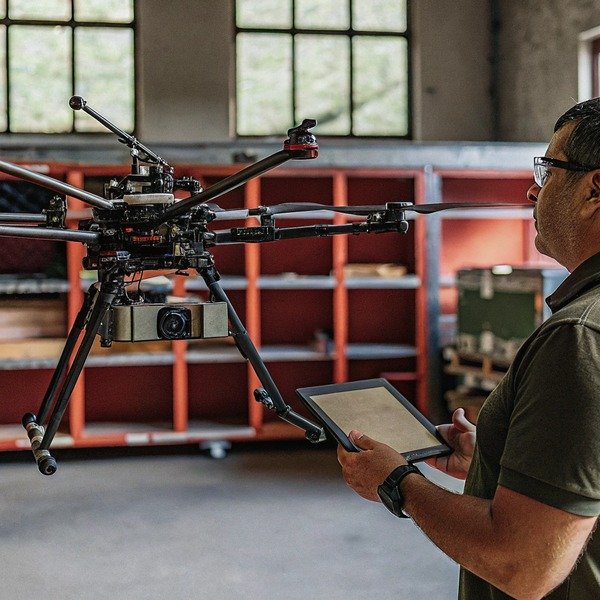
En nuestras instalaciones de pruebas de Xi'an, a menudo vemos a clientes que luchan contra el “bloqueo de proveedor” después de comprar bloqueo de proveedor 1 equipos costosos que no pueden adaptarse a nuevos sensores. Priorizamos las interfaces que evolucionan con las necesidades de la misión, evitando que su flota quede obsoleta.
Para evaluar la universalidad de la interfaz de carga útil, priorice drones con SDK abiertos y montajes estándar como DJI SkyPort o rieles de liberación rápida. Asegúrese de que el sistema admita protocolos como CAN-bus y UART para la integración de diversos sensores. Verifique los límites de salida de potencia y el ancho de banda de datos para manejar futuros módulos de IA o herramientas de supresión pesadas sin requerir modificaciones de hardware complejas.
Analicemos los factores técnicos críticos que debe verificar antes de firmar ese contrato de adquisición para garantizar el éxito operativo a largo plazo.
¿La plataforma de vuelo admite SDK abiertos y sistemas de montaje estándar para equipos de terceros?
Mientras diseñábamos nuestros marcos SkyRover, aprendimos que los bloqueos propietarios frustran a los operadores que necesitan flexibilidad en escenarios de emergencia. No debería verse obligado a comprar todos los accesorios de una sola fuente, ya que los requisitos de la misión evolucionan más rápido que los ciclos de productos.
Una plataforma de vuelo robusta debe ofrecer un SDK a bordo abierto y montajes físicos estándar de la industria para garantizar la compatibilidad de equipos de terceros. Busque sistemas que admitan comunicación independiente del protocolo, como la disponibilidad simultánea de CAN Bus y PWM, lo que le permite integrar herramientas especializadas de extinción de incendios o sensores heredados sin estar limitado al ecosistema propietario del fabricante del dron.
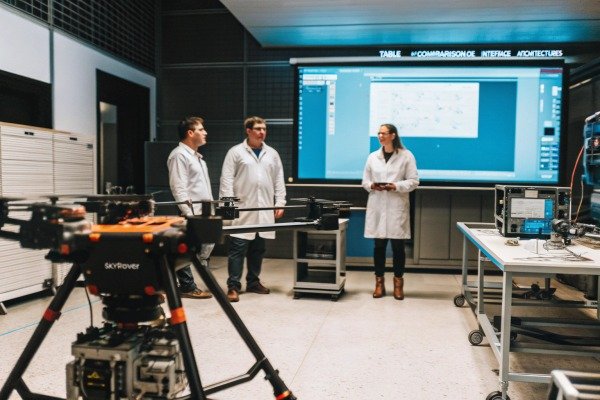
Al evaluar un cuadricóptero grande para extinción de incendios, la arquitectura física y digital del soporte es su principal preocupación. Un sistema cerrado lo limita a las herramientas que el fabricante cree que necesita, mientras que un sistema abierto le permite adaptarse a las realidades del lugar del incendio.
Estandarización física frente a bloqueos propietarios
En el mercado de drones industriales, vemos dos tendencias distintas. Algunos fabricantes utilizan soportes "inteligentes" propietarios que solo aceptan sus cámaras de marca. Si bien son plug-and-play, son muy limitantes. Debe buscar rieles de liberación rápida estándar o puertos universales (como las implementaciones genéricas de SkyPort o los soportes de cola de milano de uso general). Esta universalidad física significa que puede montar una cámara hiperespectral especializada de un proveedor científico de terceros cámara hiperespectral 2 tan fácilmente como una cámara con zoom óptico estándar.
El papel de los SDK abiertos
El hardware es solo la mitad de la batalla. El SDK (Kit de Desarrollo de Software) a bordo es lo que permite SDK a bordo 3 que la carga útil "hable" con el controlador de vuelo. Sin un SDK abierto, un detector de gas de terceros podría montarse físicamente, pero el dron no transmitirá sus datos a su estación terrestre. Recomendamos verificar que el fabricante proporcione un documento API completo. Esto permite que su equipo de ingeniería o un integrador de sistemas escriban controladores personalizados. Por ejemplo, vincular un nuevo sensor térmico directamente a la marca de tiempo GPS del dron requiere un acceso de software profundo que los sistemas cerrados simplemente no proporcionan.
Agnosticismo de protocolo
Una interfaz verdaderamente universal admite múltiples estándares de comunicación simultáneamente. Su interfaz de carga útil no debería obligarle a elegir uno. Debería admitir:
- CAN Bus: Para una comunicación robusta y resistente al ruido con motores y sensores inteligentes.
- PWM: Para controlar servos simples, como un pasador de liberación de mecanismo de caída.
- UART/Serial: Para flujos de datos intensivos de módulos de sensores personalizados.
Tabla 1: Comparación de arquitecturas de interfaz
| Característica | Interfaz de estándar abierto | Interfaz cerrada propietaria | Impacto en las operaciones de lucha contra incendios |
|---|---|---|---|
| Montaje físico | Rieles universales / Cola de milano | Bloqueo específico de la marca | Abierto permite el montaje de herramientas especializadas de terceros (por ejemplo, LiDAR). |
| Acceso al software | SDK / API Abierto | Firmware cerrado | El SDK abierto permite aplicaciones personalizadas para análisis de incendios específicos. |
| Implicaciones de costos | Precios competitivos en accesorios | Altas primas por herramientas de marca | Los sistemas abiertos reducen los costos de mantenimiento de la flota a largo plazo. |
| Ruta de Actualización | Alto; intercambiar componentes libremente | Bajo; dependiente de las actualizaciones del proveedor | Los sistemas abiertos protegen su inversión contra la obsolescencia. |
¿Qué tan fácil es para mi equipo cambiar entre diferentes módulos de extinción de incendios y cámaras en el campo?
Durante simulaciones de campo con brigadas de bomberos locales, notamos que manipular tornillos cuesta segundos valiosos cuando las líneas de contención se ven amenazadas. Nuestros ingenieros se centran en mecanismos sin herramientas para ahorrar tiempo cuando el calor aumenta y los guantes están puestos.
La facilidad de intercambio en campo depende de mecanismos de liberación rápida sin herramientas que permitan a los operadores cambiar de carga útil en menos de treinta segundos. Evalúe la interfaz para capacidades de “intercambio en caliente”, asegurando que el controlador de vuelo reconozca automáticamente nuevos módulos como cámaras térmicas o sistemas de lanzamiento sin necesidad de reiniciar completamente el sistema o una recalibración manual compleja en entornos de alto estrés.
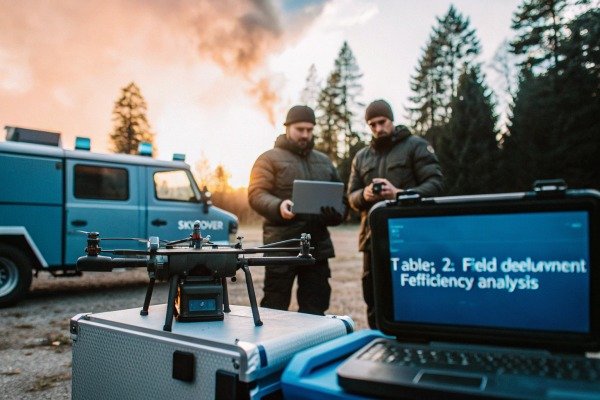
En un incidente de incendio dinámico, el perfil de la misión cambia rápidamente. Puede comenzar con un estudio térmico para identificar puntos calientes y luego necesitar cambiar inmediatamente a una carga útil de supresión, como un lanzador de bolas extintoras de incendios o un rociador de polvo seco. Si este cambio lleva diez minutos y requiere un destornillador, el incendio ya se ha propagado.
La "Regla de los 30 Segundos" y el Diseño sin Herramientas
Aconsejamos a los gerentes de adquisiciones que prueben la "regla de los 30 segundos". ¿Puede un operador con guantes quitar la cámara óptica e instalar un sistema de lanzamiento en menos de medio minuto? La interfaz debe utilizar palancas de bloqueo robustas o cierres a presión en lugar de tornillos. En el entorno caótico de un incendio forestal o de estructuras, los tornillos pequeños se pierden fácilmente en la tierra o las cenizas. Un diseño sin herramientas no es un lujo; es una necesidad operativa. Además, verifique la clasificación de Protección de Ingreso (IP) de los conectores. Clasificación de Protección de Ingreso (IP) 4 Cuando se retira una carga útil, ¿están los pines expuestos a la neblina de agua y a los productos químicos retardantes? Las interfaces de alta calidad incluyen tapas de sellado automáticas o recubrimientos resistentes a la corrosión.
Intercambio en Caliente y Reconocimiento de Firmware
El lado electrónico del intercambio es igualmente crítico. Una capacidad de "intercambio en caliente" significa que el dron permanece encendido mientras cambia la herramienta. Esto ahorra los 2-3 minutos que requiere el dron para reiniciarse y volver a adquirir satélites GPS. Satélites GPS 5 Sin embargo, el verdadero intercambio en caliente requiere que el Sistema de Gestión de Vuelo (FMS) reconozca instantáneamente el nuevo ID del dispositivo.
Cuando conecta un sistema de caída pesada, el dron debe ajustar automáticamente sus bucles de control para la nueva distribución de peso sin que el piloto necesite introducir manualmente los valores PID. Valores PID 6 Hemos visto incidentes en los que un piloto olvidó cambiar la configuración del software después de intercambiar una cámara ligera por una carga pesada, lo que resultó en un vuelo inestable. El reconocimiento automatizado mitiga este riesgo.
Durabilidad del conector
Los entornos de extinción de incendios son duros. El conector físico en el lado del dron soportará cientos de ciclos de acoplamiento. Busque conectores de grado industrial (como los utilizados en la industria aeroespacial) en lugar de USB de grado de consumo o delicados cables planos. USB 7 La interfaz debe soportar la vibración de los motores y el impacto del aterrizaje.
Tabla 2: Análisis de Eficiencia de Despliegue de Campo
| Fase de operación | Montaje de tornillo estándar | Intercambio en caliente de liberación rápida | Ganancia operativa |
|---|---|---|---|
| Eliminación de carga útil | 3-5 minutos (requiere herramientas) | < 10 segundos (sin herramientas) | Reacción más rápida a la dinámica cambiante del fuego. |
| Reinicio del sistema | 2-3 minutos (intercambio en frío) | 0 minutos (intercambio en caliente) | Conciencia situacional continua; sin pérdida de bloqueo GPS. |
| Configuración de software | Se requiere selección manual | Detección automática | Reduce el error del piloto y la carga mental. |
| Tiempo total de respuesta | 5-8 minutos | < 1 minuto | Tiempo crítico ahorrado para intervenciones de seguridad vital. |
¿Puedo integrar sensores o herramientas diseñadas a medida si cambian los requisitos de mi misión?
Con frecuencia recibimos solicitudes para montar detectores de gas específicos o unidades LiDAR que no construimos nosotros mismos. LiDAR 8 Un dron verdaderamente versátil se adapta a sus herramientas de ingeniería específicas y a las regulaciones cambiantes, no al revés.
La integración de herramientas personalizadas requiere una interfaz de carga útil que proporcione puertos UART, I2C y Ethernet accesibles para la transmisión de datos. Debe verificar que el firmware del dron permita la configuración de parámetros personalizados y que los algoritmos de compensación física del centro de gravedad puedan ajustarse a la distribución de peso única de sensores no estándar o equipos experimentales de extinción de incendios.
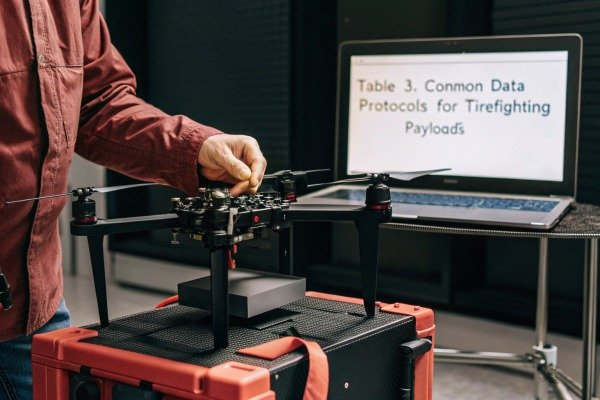
El panorama de la lucha contra incendios está cambiando hacia respuestas basadas en datos. Las agencias ya no se conforman solo con video; quieren mapeo 3D en tiempo real, análisis de toxicidad de gases y modelado del viento. Esto a menudo requiere la integración de sensores que no son accesorios de drones "listos para usar".
Disponibilidad del protocolo de datos
Para integrar un sensor personalizado, como un detector químico específico para incidentes de materiales peligrosos, el dron debe ofrecer las "tuberías" de datos adecuadas."
- UART/Serial: Esencial para datos de bajo ancho de banda como lecturas de concentración de gas (ppm) o niveles de radiación.
- Ethernet: Absolutamente crítico para sensores modernos como LiDAR o cámaras multiespectrales de alta resolución. Si la interfaz carece de Ethernet, no podrá transmitir los datos masivos de nube de puntos necesarios para crear gemelos digitales en tiempo real de una estructura en llamas.
- I2C/SPI: Útil para una integración más profunda de componentes a nivel de placa si está construyendo una carcasa completamente personalizada.
Compensación del centro de gravedad (CoG)
Cuando atornilla una carga útil personalizada a un dron, altera su física. Una cámara estándar está equilibrada; un mecanismo de liberación personalizado puede ser pesado en la parte delantera. Los drones de lucha contra incendios de alta gama utilizan compensación dinámica del CoG. El controlador de vuelo detecta el desequilibrio y ajusta la salida del motor para mantener la aeronave nivelada sin sobrecalentar los motores del lado "pesado". Al evaluar un dron, pregunte si el software le permite ingresar las coordenadas de desplazamiento XYZ de su carga útil personalizada. Si el sistema asume que cada carga útil está perfectamente centrada, experimentará deriva y tiempos de vuelo reducidos con herramientas personalizadas.
Pruebas estándar NIST para cargas útiles personalizadas
Recomendamos utilizar los métodos de prueba estándar del NIST (Instituto Nacional de Estándares y Tecnología) para validar integraciones personalizadas, específicamente los PAY (Payload) protocolos. Antes de desplegar una herramienta de supresión personalizada, ejecútela a través de las pruebas de alineación de cubos y precisión de caída del NIST. Si la interfaz introduce latencia o el soporte se tambalea, fallará estas pruebas estandarizadas. Una interfaz expandible no se trata solo de conectarla; se trata de que el sistema funcione de manera confiable bajo las tensiones específicas de la carga útil.
Tabla 3: Protocolos de datos comunes para cargas útiles de lucha contra incendios
| Protocolo | Aplicación típica | Ancho de banda | Complejidad de la integración |
|---|---|---|---|
| UART / Serial | Detectores de gas, Sensores de radiación, Etiquetas GPS | Bajo | Bajo – Datos de texto fáciles de analizar. |
| Bus CAN | Actuadores inteligentes, Retroalimentación del motor, Información de la batería | Medio | Medio – Requiere identificadores de mensaje específicos. |
| Ethernet | LiDAR, Transmisión de video 4K, Cajas Edge de IA | Alto | Alto – Se requiere conocimiento de redes. |
| PWM | Liberaciones de caída, Servos, Interruptores | Muy bajo | Muy bajo – Pulso de señal simple. |
¿Qué límites de potencia y transmisión de datos debo verificar para garantizar la compatibilidad futura de la carga útil?
En nuestros laboratorios de alto voltaje, probamos cómo las cargas pesadas agotan las baterías bajo carga para evitar fallos catastróficos. Si la interfaz no puede suministrar energía regulada de alta corriente, su equipo avanzado fallará a mitad del vuelo o dañará el dron.
Para garantizar la compatibilidad futura, verifique las salidas de alimentación de alto voltaje capaces de impulsar cargas pesadas como focos o bombas sin baterías separadas. Verifique el ancho de banda de transmisión de datos, priorizando la integración de Ethernet para el procesamiento de video en tiempo real. Asegúrese de que la interfaz funcione muy por debajo del 85% de su capacidad de potencia máxima para evitar el sobrecalentamiento durante operaciones intensivas de extinción de incendios.
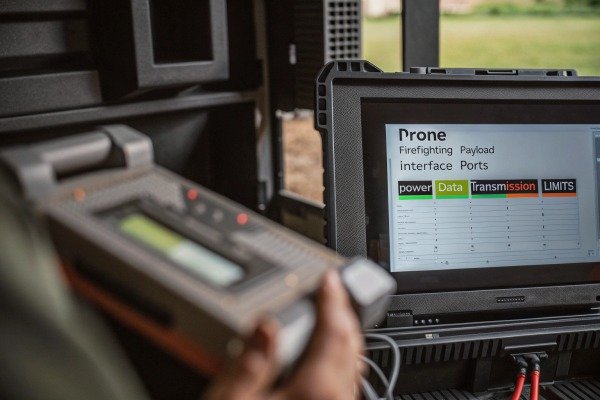
Uno de los aspectos más pasados por alto de las interfaces de carga útil es el presupuesto de energía. Las herramientas de extinción de incendios consumen mucha energía. Un foco de alto lumen o una computadora de IA a bordo (como un módulo NVIDIA Jetson para la detección de incendios) NVIDIA Jetson 9 consume una corriente significativa.
Regulación de Voltaje y Picos de Amperaje
Muchos drones comerciales básicos solo ofrecen salida de 12V con bajo amperaje (por ejemplo, 2A). Esto es insuficiente para equipos de extinción de incendios de alta resistencia. Debe buscar una interfaz que proporcione:
- Riel de Alto Voltaje: Acceso directo al voltaje de la batería de vuelo (por ejemplo, LiPo 12S, aprox. 44V-50V) para dispositivos de alta potencia como bombas o cabrestantes de elevación pesada.
- Ferrocarril regulado: Una línea estable de 12V y 5V para electrónica sensible como cámaras y sensores.
Si la interfaz no puede suministrar esta energía, se verá obligado a montar baterías separadas para sus cargas útiles. Esto añade "peso muerto" que reduce su tiempo de vuelo y hace que el cambio de cargas útiles sea engorroso.
Ancho de banda para IA y computación en el borde (Edge Computing)
A medida que nos acercamos a 2025, la tendencia es la "computación en el borde"." Edge Computing 10 Los drones están procesando video a bordo para identificar personas o líneas de fuego automáticamente, en lugar de enviar video sin procesar a tierra. Esto requiere un ancho de banda de datos interno masivo.
- El cuello de botella: Si su interfaz utiliza velocidades USB 2.0, no podrá alimentar video 4K a un procesador de IA a bordo lo suficientemente rápido.
- La solución: Verifique que el bus interno admita transferencias de alta velocidad (Gigabit Ethernet) para asegurar su inversión. Esto garantiza que a medida que el software mejore (por ejemplo, las alertas de IA de Jocloud), su hardware no sea el factor limitante.
Gestión térmica y márgenes de seguridad de potencia
Extraer energía a través de la interfaz genera calor en los pines del conector. En un entorno de extinción de incendios, la temperatura ambiente ya es alta. Si su carga útil consume 10A y el pin está clasificado para 10A, corre el riesgo de derretir el conector. Aconsejamos un margen de seguridad: operar al 80-85% de la capacidad nominal. Además, verifique si el dron tiene "Protección contra sobrecorriente" en el puerto de carga útil. Si una carga útil personalizada se cortocircuita, el dron debería cortar la energía al puerto inmediatamente para salvar los sistemas de vuelo principales. Sin esto, un sensor defectuoso podría derribar toda la aeronave.
Conclusión
Evaluar la universalidad y la capacidad de expansión de la interfaz de carga útil de un dron de extinción de incendios se trata de garantizar la relevancia operativa a largo plazo. Al priorizar SDK abiertos, montajes físicos estándar, diseños intercambiables en caliente y arquitecturas de datos/potencia robustas, protege su inversión contra los rápidos cambios tecnológicos. Un dron que pueda transportar la cámara de hoy y la herramienta de supresión de IA de mañana es la única opción viable para las agencias modernas de seguridad pública.
Notas al pie
1. Define el concepto de negocio de dependencia de un único proveedor, relevante para la advertencia del artículo. ↩︎
2. Recurso gubernamental que explica la aplicación científica de la imagen espectral en la monitorización ambiental. ↩︎
3. Documentación oficial para la tecnología específica del kit de desarrollo de software referenciada. ↩︎
4. La Comisión Electrotécnica Internacional es la autoridad que define los estándares del código IP. ↩︎
5. Sitio oficial del gobierno de EE. UU. que detalla la constelación del Sistema de Posicionamiento Global. ↩︎
6. Recurso educativo de una universidad importante que explica la teoría del bucle de control PID. ↩︎
7. El USB Implementers Forum es el organismo de la industria que mantiene las especificaciones USB. ↩︎
8. Resumen gubernamental autorizado de la tecnología LiDAR y sus aplicaciones. ↩︎
9. Página del fabricante del módulo de computación de IA integrado específico mencionado en el texto. ↩︎
10. Importante empresa de tecnología que define el concepto de computación distribuida cerca de las fuentes de datos. ↩︎

 English
  Español de México
  Deutsch
  Français
  Русский
  العربية
