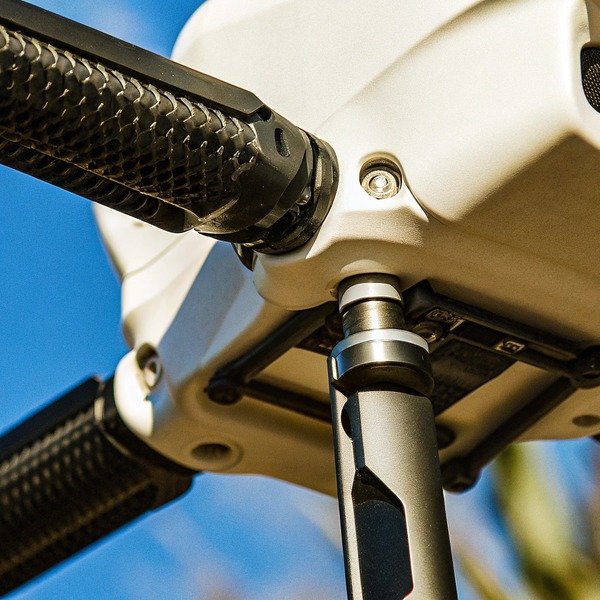
When we test our SkyRover prototypes in Chengdu, we see how easily a weak joint ruins a harvest Cam-Lock 1. Broken arms mean downtime, costing you money and valuable spraying windows during the busiest season spraying windows 2.
To determine if a folding mechanism is sturdy, inspect the materials for aviation-grade aluminum or carbon fiber rather than standard plastic. Check for zero play in locked joints, ensure the locking system uses heavy-duty screw-locks, and verify that internal wiring is protected from pinching during fold cycles.
Let’s examine the critical details that separate reliable machinery from fragile equipment Spring-Loaded Pin 3.
What specific materials should I look for to ensure the folding joints are durable?
We often see competitors use cheap alloys that crack under stress to save manufacturing costs. If your drone's joints fail mid-flight, your entire operation stalls immediately, leading to massive financial losses.
Look for folding joints constructed from high-tensile 7075 aluminum or high-grade carbon fiber composites. These materials resist fatigue better than reinforced plastics or standard die-cast metals. Additionally, check for anodized coatings or stainless steel hinge pins that prevent corrosion from aggressive agricultural chemicals like fertilizers and pesticides.

The material composition of the folding joint is the single most critical factor in the longevity of an agricultural drone. In our engineering lab, we have seen that the stress concentrations on a folding joint stress concentrations 4 are significantly higher than on the rest of the airframe. This is because the joint must handle the leverage of a long arm holding a heavy motor and propeller, often while the drone is carrying a payload of up to 50 kilograms.
The Problem with Standard Plastics
Many entry-level agricultural drones utilize glass-reinforced nylon or standard plastics for the folding knuckles to save weight and cost. While these materials are acceptable for small photography drones, they are inadequate for industrial agriculture. Over time, UV exposure from the sun and the chemical reaction from pesticides cause these plastics to become brittle. reaction from pesticides 5 Once they lose their elasticity, the vibrations from the motors can cause micro-cracks that eventually lead to catastrophic failure mid-flight.
Why Aviation Aluminum and Carbon Fiber Reign Supreme
We strictly recommend looking for CNC-machined 7075 Aluminum o Carbon Fiber Composites. 7075 aluminum contains zinc as the primary alloying element, giving it strength comparable to many steels but with the light weight of aluminum. 7075 aluminum 6 This is crucial for resisting the shearing forces applied during takeoff and landing.
Furthermore, the hinge pin—the pivot point itself—must be made of Stainless Steel (304 or 316 grade). This is non-negotiable. If the pin is made of regular steel, it will rust within weeks due to the corrosive nature of liquid fertilizers. If the pin rusts, it expands, causing the joint to seize up or crack the surrounding material.
Analyzing Material Properties
When you are reading the spec sheet or inspecting a unit, use the following table to evaluate if the manufacturer has chosen the right materials for the job.
| Component Material | Durability Rating | Corrosion Resistance | Verdict |
|---|---|---|---|
| Injection Molded Plastic | Bajo | Alto | Avoid for heavy-lift drones (over 10kg). |
| Die-Cast Aluminum | Medio | Medio | Acceptable for budget models, but prone to hidden porosity. |
| CNC 7075 Aluminum | Muy alto | High (if anodized) | Preferred standard for professional equipment. |
| Carbon Fiber Composite | Alto | Muy alto | Excellent, provided the resin quality is industrial grade. |
| Stainless Steel (Pins) | Extreme | Extreme | Essential for the pivot pin to prevent seizing. |
By prioritizing these materials, you ensure that the drone can withstand the physical abuse of being tossed into the back of a pickup truck and the chemical abuse of daily spraying.
How do I evaluate if the arm locking system is secure enough for heavy payloads?
During our field trials, we discovered that loose locks lead to catastrophic vibration issues that confuse the flight controller. A secure lock prevents the arm from retracting during high-speed maneuvers, ensuring safety for your crew and crops.
Evaluate the arm locking system by physically testing for lateral movement when the arm is extended. A secure system uses thread-locking collars or industrial snap-latches that provide audible feedback. Avoid friction-only locks, as they loosen over time due to the high-frequency vibrations generated by heavy payload rotors.

The locking system is the "gatekeeper" of structural integrity. Even if the materials are perfect, a weak lock renders the drone dangerous. When we design our systems, we assume the farmer will be operating in a hurry, perhaps wearing gloves, and in dusty conditions. The lock must be secure despite these variables.
The "Wiggle" Test
The most immediate way to test a locking system is the "Wiggle Test." Fully extend the arm and engage the lock. Grip the motor mount with one hand and the main body of the drone with the other. Try to gently twist and move the arm.
- Good Result: The arm feels like a solid, single piece of the frame. There is zero play or clicking sounds.
- Bad Result: You feel a slight "clunk" or movement at the joint.
Any movement here is magnified ten-fold when the propellers are spinning at high RPM. This vibration travels to the IMU (Inertial Measurement Unit), causing the drone Inertial Measurement Unit 7 to drift or fly unpredictably. Inertial Measurement Unit 8
Locking Mechanism Types
There are generally three types of locking mechanisms used in the industry. Understanding the difference helps you make a smarter purchase.
- Threaded Collar (Screw Lock): This is the most common and robust method. A threaded sleeve screws over the joint to hold it rigid. It is highly resistant to vibration because the thread friction prevents it from backing off.
- Cam-Lock / Snap-Latch: Similar to a bicycle wheel quick-release. These are fast to deploy but require precise tension adjustment. If the tension screw loosens, the latch offers zero security.
- Spring-Loaded Pin: A pin pops into a hole. We generally advise against this for heavy-lift drones because the hole elongates over time (ovalization), leading to permanent slop in the arm.
Why Redundancy Matters
For heavy payloads (30kg+), we recommend systems that have a "secondary safety." This might be a physical clip that prevents the threaded collar from unscrewing or a visual marker that shows green only when fully locked.
Comparing Mechanism Reliability
| Mechanism Type | Setup Speed | Vibration Resistance | Long-Term Wear |
|---|---|---|---|
| Threaded Collar | Slower (5-10 sec) | Excelente | Low wear; threads are self-cleaning to a degree. |
| Cam-Lock Latch | Fast (2 sec) | Moderado | High wear; requires frequent tension adjustment. |
| Spring Pin | Fast (2 sec) | Poor | High wear; hole widens causing permanent play. |
We always advise our US clients to prefer the Threaded Collar design. It takes a few seconds longer to set up, but the peace of mind it offers is worth the extra time.
Can I request fatigue testing data to verify the lifespan of the folding mechanism?
Many buyers accept generic specs, but we know actual lab data tells the real story about longevity. Without verified cycle counts, you are guessing about long-term reliability and risking unexpected failure during the harvest.
Yes, reputable manufacturers should provide fatigue testing data detailing the number of fold-and-unfold cycles the mechanism can withstand. Look for reports citing at least 1,000 to 2,000 successful cycles under load. This data confirms the joint structure and wiring harness will not fail prematurely during daily agricultural operations.

In the manufacturing world, "fatigue testing" is the process of simulating years of use in a condensed period. We use robotic arms to fold and unfold a drone arm thousands of times while sensors monitor for resistance changes or structural cracks. As a buyer, you have the right to ask for this data. If a supplier refuses or claims they don't have it, that is a major red flag.
What the Data Should Show
When you review a fatigue test report, do not just look for the number of folds. You need to look for Cable Integrity. Inside the folding arm, there are thick power cables and thin signal wires.
- The Hidden Failure: Often, the metal joint survives the test, but the internal wires fray or snap due to the bending motion. This cuts power to the motor in mid-air.
- The Standard: A passing grade for a professional ag drone is typically 2,000 cycles with zero damage to the wire insulation and zero loss of locking tension.
Simulating Real-World Conditions
Standard lab tests are done in clean rooms. However, better manufacturers perform "Environmental Fatigue Testing." This involves adding sand, dust, or salt spray to the joint while it cycles.
- Sand/Dust: Ag drones fly in dusty fields. If dust gets into the hinge, it acts like sandpaper. Testing should confirm that the joint is sealed (IP67) or open-design IP67 9 enough to let dust escape without grinding down the metal. sealed (IP67) 10
- Salt Spray: This simulates corrosion over time. We test this rigorously because many of our clients operate near coastal areas or use corrosive chemicals.
Checklist for Validating Manufacturer Claims
When communicating with a supplier, copy and paste these questions to verify their claims.
- "What is the rated cycle count for the folding mechanism?" (Target: >1,000)
- "Was the fatigue test performed with the internal wiring harness installed?" (Crucial, as wires often fail before metal).
- "Do you have video evidence or third-party certification of these tests?"
Recommended Testing Metrics for Heavy-Lift Drones
| Test Parameter | Minimum Standard | Professional Standard | Why it Matters |
|---|---|---|---|
| Fold Cycles | 500 Cycles | 2,000+ Cycles | Simulates 3-5 years of daily use. |
| Load Testing | Static Load | Dynamic Load + Vibration | Ensures lock holds while drone vibrates. |
| Cable Bend Test | Visual Check | Resistance Monitoring | Ensures internal wires don't break internally. |
| Medioambiental | Clean Room | Dust/Sand Chamber | Real-world simulation of farm grit. |
By demanding this data, you filter out the "toy" drones from the industrial tools.
What are the visual indicators that tell me a drone's folding structure is built to last?
When we inspect returned units for repair, the signs of failure are always visible early on to the trained eye. Ignoring small cracks, misaligned pins, or poor finishes leads to expensive crashes that could have been prevented.
Visual indicators of a durable folding structure include thick, reinforced hinge knuckles and protected internal cable routing that prevents pinching. Inspect for precise CNC machining marks rather than rough casting lines. High-quality joints also feature sealed bearings or bushings to keep out dust and liquids, preventing abrasive wear over time.

You don't always need a laboratory to judge quality. Your eyes and hands are excellent tools for spotting "cost-cutting" measures that manufacturers hope you won't notice. When you unbox a sample unit or inspect one at a trade show, look closely at the "knuckle"—the part where the arm meets the body.
1. Cable Protection and Routing
This is the number one visual indicator of a thoughtful design.
- Bad Design: You see exposed wires bridging the gap between the arm and body. When you fold the arm, the wire kinks sharply or gets pinched between two metal plates.
- Good Design: The wires are routed through a hollow center in the hinge or protected by a flexible rubber grommet/conduit. When the arm folds, the wire bends in a gentle arc, not a sharp angle.
2. Machining vs. Casting
Look at the surface texture of the metal joint.
- Casting (Rough): If the surface looks like orange peel or has a grainy texture, it is cast metal. Castings often have internal air bubbles (porosity) which are weak points.
- CNC Machining (Smooth): If you see very fine, uniform lines or a perfectly smooth, shiny finish, it was likely machined from a solid block of aluminum. This is significantly stronger and indicates a higher production budget.
3. Bushings and Seals
Look at the pivot pin. Is it just metal rubbing on metal?
- The Durable Choice: You should see a small bronze or brass ring (bushing) or a sealed bearing around the pin. This acts as a sacrificial wear layer. It makes the fold feel smooth and prevents the aluminum arm from wearing out.
- The Dust Seal: High-end models will have rubber O-rings or caps covering the hinge mechanism. This prevents fine pesticide powder from entering the moving parts and turning into a grinding paste.
4. Symmetry and Alignment
Unfold the drone and look at it from the front. Do all the arms sit at the exact same angle?
- If one arm sags slightly lower than the others, it indicates poor manufacturing tolerances in the folding stop-block. A sagging arm causes the drone to fight itself to stay level, draining the battery faster and heating up the motors.
Visual Red Flags Summary
| Visual Indicator | Meaning | Acción |
|---|---|---|
| Exposed Wires | High risk of short circuit or power loss. | Reject |
| Rough Surface Texture | Cheap cast metal; prone to cracking. | Caution |
| Brass/Bronze Bushings | Designed for longevity and smooth operation. | Approve |
| Rubber Dust Caps | Protected against farm environment. | Approve |
| Sagging Arms | Poor tolerances; flight instability. | Reject |
Conclusión
Choosing a sturdy folding mechanism ensures your drone survives the season without costly interruptions. Prioritize aviation-grade materials, check for secure, vibration-resistant locking systems, and demand fatigue testing data. By carefully inspecting these physical and documented indicators, you protect your investment and ensure reliable operation in the field.
Notas al pie
1. General background information on this specific locking mechanism. ↩︎
2. Educational resource explaining the critical timing constraints in agricultural spraying. ↩︎
3. Technical overview of the spring pin mechanism. ↩︎
4. Defines the mechanical engineering concept relevant to joint failure. ↩︎
5. Background on the chemical composition and environmental impact of pesticides. ↩︎
6. Technical specifications for 7075 aluminum from a leading manufacturer. ↩︎
7. Authoritative definition from a leading industry manufacturer. ↩︎
8. IEEE standard for Inertial Measurement Units (IMU) used in navigation systems. ↩︎
9. Official standard definition for ingress protection ratings. ↩︎
10. Official IEC explanation of IP ratings for dust and water protection. ↩︎

 English
  Spanish
  German
  French
  Dutch
Dutch  Arabic
