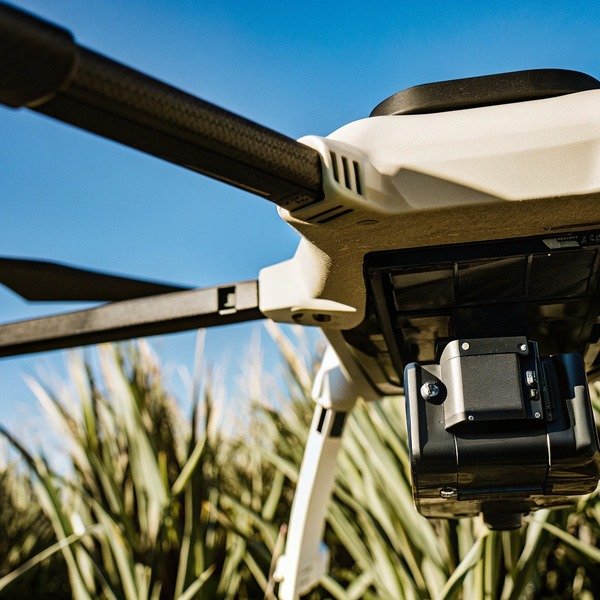
During our export operations from Xi'an to the United States, we frequently encounter customs delays because buyers underestimate the complexity of shipping high-capacity lithium batteries 1 high-capacity lithium batteries.
International regulations classify agricultural drone batteries as Class 9 Dangerous Goods, requiring adherence to UN3480 or UN3481 standards. You must ensure compliance with IATA air cargo restrictions, specifically regarding the State of Charge limits, and verify that your supplier provides valid UN38.3 test summaries and compliant packaging.
Understanding these rules is not just about paperwork; it is critical for ensuring your equipment arrives safely and on budget.
What is the difference between UN3480 and UN3481 classifications for my drone battery shipments?
We often see clients confused when our logistics team asks if they want the batteries shipped separately or inside the drone, as this decision fundamentally changes the regulatory category.
UN3480 covers lithium-ion batteries shipped on their own, while UN3481 applies to batteries contained in or packed with equipment. For heavy agricultural drones, UN3480 is the most common classification because spare batteries are usually shipped in bulk via cargo-only aircraft due to their high watt-hour ratings.
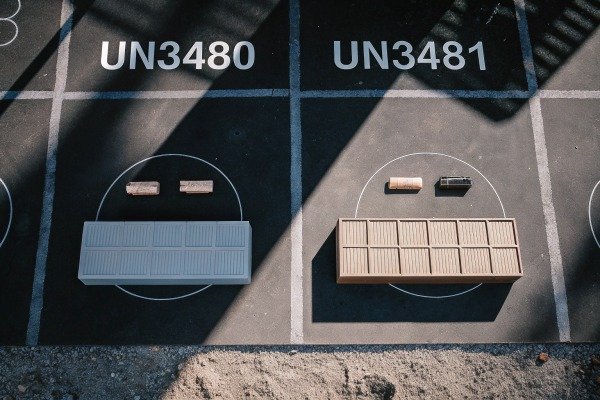
Understanding the distinction between UN3480 and UN3481 is vital because it dictates the packing instructions packing instructions (PI) 2 (PI) and quantity limits our warehouse team must follow. Agricultural drones typically utilize high-voltage batteries (often 12S or 14S, exceeding 22,000mAh), which pushes them well beyond the standard thresholds set for consumer electronics.
The Core Definitions and Implications
When we manufacture our SkyRover series, the batteries are heavy industrial units.
- UN3480 (Batteries, loose): This classification is used when we ship spare batteries without the drone, or when the batteries are not installed in the drone. For air transport, these are strictly limited to Cargo Aircraft Only (CAO) if they exceed certain capacities. This is the strictest category.
- UN3481 (Batteries contained in equipment): This applies when the battery is installed inside the drone body. While this can sometimes allow for slightly more lenient packaging rules, agricultural drones are often too large to ship with batteries installed, or the battery's energy density is so high that it still triggers strict Dangerous Goods (DG) protocols.
- UN3481 (Batteries packed with equipment): This is used when the battery is in the same box as the drone but not plugged in.
Why Agricultural Drones Are Different
Unlike small photography drones, agricultural models require massive energy storage to lift liquid tanks. A single battery pack can exceed 1,000 Watt-hours (Wh). International regulations, particularly those from IATA (International Air Transport Association) International Air Transport Association 3, treat anything over 100Wh with caution, and anything over 160Wh as a high-risk item. Since most of our agri-drone batteries are well above 160Wh, we almost always have to use UN3480/Class 9 protocols for spare packs.
If you misclassify a shipment—for example, labeling a box of loose batteries as UN3481 to avoid scrutiny—customs inspectors will likely flag the shipment. This leads to fines, confiscation, or the return of the goods to our factory in China, costing you weeks in operational delays.
Comparison of Classifications
| Clasificación | Descripción | Typical Use Case in Agriculture | Regulatory strictness |
|---|---|---|---|
| UN3480 | Lithium-ion batteries shipped alone | Bulk shipments of spare batteries for spraying operations | Highest: Strict 30% SoC limit; Cargo Aircraft Only. |
| UN3481 | Baterías empaquetadas con equipment | One drone shipped with 2 spare batteries in the same box | Alto: still requires DG declaration due to high Wh rating. |
| UN3481 | Batteries contained in equipment | Battery installed inside the drone during transit | Moderate: often not feasible for large drones due to safety risks. |
Which essential documents, such as UN38.3 and MSDS, do I need to request for customs clearance?
Our quality control engineers spend weeks ensuring every new battery model passes specific safety tests quality control 4, as missing paperwork is the fastest way to get a shipment rejected at the border.
You must request a valid UN38.3 Test Summary, a Material Safety Data Sheet (MSDS/SDS), and a Dangerous Goods Declaration. These documents prove the batteries have passed thermal, vibration, and shock testing and provide carriers with critical handling instructions for safety and emergency response.
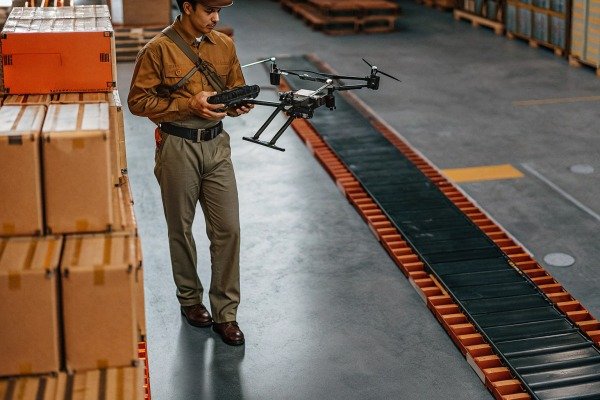
When importing into markets like the US or Europe, documentation is not just a formality; it is the primary evidence that your equipment is safe. We have seen instances where a client purchased cheaper batteries from a supplier who could not provide a verifiable UN38.3 summary. The result was that the batteries were stuck at the Port of Los Angeles, and the client eventually had to pay for their destruction.
The UN38.3 Test Summary
This is the "passport" for your drone battery. Before we can even book a flight for your goods, the battery model must pass the UN Manual of Tests UN Manual of Tests and Criteria 5 and Criteria, Part III, subsection 38.3. This includes:
- T1 Altitude Simulation: Ensuring the battery doesn't leak at low pressure.
- T2 Thermal Test: Rapid temperature changes from -40°C to +75°C.
- T3 Vibration: Simulating the rough environment of transport.
- T4 Shock: Simulating impact.
- T5 External Short Circuit: Ensuring the battery handles a short without fire.
Since 2020, carriers require a Test Summary rather than just a certificate. This summary must list the specific tests passed and the laboratory's contact information. As a buyer, you should verify this summary against the battery's model number.
MSDS (Material Safety Data Sheet)
The MSDS (now often called SDS) identifies the chemical composition of the lithium-ion cells. lithium-ion cells 6 It is essential for the carrier's hazmat team. It tells them how to handle a fire if one occurs. We update our MSDS annually to comply with the latest IATA and IMDG (maritime) standards.
The 1.2 Drop Test Report
For batteries shipped under UN3480 or UN3481, the packaging itself needs to be certified packaging itself needs to be certified 7. While this is technically a packaging requirement, customs often asks for the "1.2 Meter Drop Test Report" for the boxes used. This proves that if the box falls off a forklift, the batteries inside will not be damaged to the point of ignition.
Lista de verificación de documentación esencial
| Nombre del documento | Objetivo | Datos críticos que se deben verificar |
|---|---|---|
| Resumen de la prueba UN38.3 | Proof of safety testing compliance | Model number match; Lab signature; Date of test. |
| MSDS / SDS | Hazard identification & emergency response | UN number (3480/3481); Proper Shipping Name; 24h Emergency Number. |
| Shipper's Declaration for DG | Formal declaration to the carrier | Correct weight; Packing Instruction (e.g., PI 965); Class 9 label. |
| State of Charge (SoC) Proof | Compliance with air transport limits | Statement or log showing batteries are at ≤30% charge. |
How do IATA air cargo restrictions impact the shipping costs and timelines for high-capacity drone batteries?
When we calculate shipping quotes for our clients, the battery capacity is the single biggest variable, often doubling the logistics cost compared to shipping the drone frame alone.
IATA restrictions mandate that lithium-ion batteries exceeding 100Wh must be shipped via Cargo Aircraft Only and strictly regulated as Class 9 Dangerous Goods. This results in significantly higher freight charges, mandatory dangerous goods surcharges, and longer lead times due to limited flight availability for hazardous materials.

The logistics of agricultural drones are fundamentally different from consumer electronics because of the sheer power involved. A typical battery for our 30-liter sprayer drone might be rated at 22,000mAh and 51.8V.
Calculating Watt-Hours
To understand the restriction, you must look at Watt-hours (Wh), not just milliamp-hours.
$$ Wh = (mAh \div 1000) \times Voltage $$
For a 22,000mAh, 51.8V battery:
$$ 22 \times 51.8 = 1,139.6 Wh $$
IATA regulations draw a hard line at 100Wh.
- < 100Wh: Can often fly on passenger planes (with limitations).
- > 100Wh: Heavily restricted.
- > 160Wh: Must go on Cargo Aircraft Only (CAO).
Since our batteries are over 1,000Wh, they are strictly CAO. This means they cannot be transported on the belly of a passenger flight (like a Delta or United flight carrying travelers). They must wait for dedicated freighters (like FedEx Feeder, UPS, or DHL Aviation).
Cost Implications
Shipping Class 9 Hazardous Goods involves several extra costs that we have to factor into your DDP (Delivered Duty Paid) or CIF price:
- DG Handling Fee: Airlines charge a premium per airway bill for inspecting hazardous paperwork.
- Specialized Trucking: The truck picking up the goods from our factory and delivering to your door must be licensed to carry hazardous materials.
- Packaging Costs: We must use UN-rated fiberboard boxes (4G) which are more expensive than standard cardboard.
Timeline delays
Because these batteries are restricted to cargo planes restricted to cargo planes 8, the frequency of flights is lower. While a standard air shipment from China to the US might take 5-7 days, a DG battery shipment often takes 10-14 days. During peak seasons (like Q4), cargo space for DG is the first to be cut, potentially extending delays to 3 weeks.
Sea Freight: The Viable Alternative
For large orders—say, equipping a fleet of 10 drones—we strongly recommend sea freight (IMDG Code). While the transit time is longer (30-45 days), the restrictions are less prohibitive regarding cost, although the Class 9 labeling and UN packaging rules still apply. Class 9 labeling 9
Watt-Hour Impact on Shipping Mode
| Battery Wh Rating | Allowable Air Mode | Estimated Cost Multiplier | Typical Lead Time (CN to US) |
|---|---|---|---|
| < 100Wh (Small drones) | Passenger or Cargo | 1x (Standard) | 5-7 Days |
| 100Wh – 160Wh | Passenger (w/ approval) or Cargo | 1.5x | 7-10 Days |
| > 160Wh (Agri Drones) | Cargo Aircraft Only | 3x – 4x | 10-15 Days |
What specific packaging and labeling standards must my supplier follow to ensure safe international transport?
Our packing teams adhere to a rigid checklist before sealing any carton, as even a slightly misplaced label can cause a pallet to be rejected by the airline's dangerous goods acceptance staff.
Suppliers must use UN-spec performance packaging (often 4G fiberboard) capable of withstanding drop tests, with batteries individually protected against short circuits. The outer box must display the Class 9 Lithium Battery label, the Cargo Aircraft Only label, and the specific UN number (UN3480 or UN3481).

The physical packaging is the last line of defense against thermal runaway during a flight. When we ship SkyRover batteries, we don't just throw them in a box with bubble wrap. The process is governed by Packing Instruction 965 (for UN3480) section IA.
Inner Packaging Requirements
Safety starts inside the box.
- Short Circuit Protection: Each battery terminal is taped or capped. The battery is then placed in a heavy-duty, non-conductive plastic bag.
- Isolation: We use foam inserts to ensure batteries do not touch each other or the sides of the box. Movement inside the box is strictly prohibited.
- State of Charge (SoC): As mentioned earlier, for air transport, batteries must be at a State of Charge not exceeding 30%. We discharge them to this level at the factory. You will need to charge them upon receipt.
Outer Packaging and Labeling
The outer box is not a standard cardboard box. It is a UN-rated box, tested to withstand a 1.2-meter drop without bursting.
Required Markings:
- Class 9 Label: The diamond-shaped hazard label with vertical black and white stripes in the upper half and a battery symbol in the lower half.
- UN Number: "UN 3480" must be printed clearly near the diamond label.
- Cargo Aircraft Only (CAO) Label: An orange label showing a figure barring luggage, indicating the package cannot go on passenger planes.
- Shipper and Consignee Info: Full contact details must be visible.
Overpacks
If we stack multiple boxes on a pallet, we must place an "OVERPACK" marking on the shrink wrap, ensuring all hazard labels are reproduced on the outside or are clearly visible through the plastic.
Common Packaging Mistakes to Watch For
When evaluating a new supplier, ask for a photo of a ready-to-ship battery box.
- Red Flag: Using standard brown boxes without UN certification markings.
- Red Flag: Hand-written labels or peeling stickers.
- Red Flag: Lack of the CAO label for high-capacity batteries.
If a supplier cuts corners on packaging, they are putting your supply chain at risk. A fire on an aircraft or a truck due to poor packaging is a liability that no procurement manager wants to face.
Conclusión
Navigating the regulations for agricultural drone batteries is complex, but it is a manageable part of modern procurement. By distinguishing between UN3480 and UN3481, insisting on full documentation like the UN38.3 summary UN38.3 summary 10, and budgeting for the realities of Class 9 transport, you ensure your operations remain compliant and efficient. At SkyRover, we believe that safety in the air starts with safety in the box.
Notas al pie
1. FAA guidelines for shipping lithium batteries. ↩︎
2. IATA resources on battery packing instructions. ↩︎
3. Official website of the mentioned organization. ↩︎
4. International standard for quality management systems relevant to battery manufacturing. ↩︎
5. Official UNECE manual for battery testing. ↩︎
6. Technical background on the chemistry and safety of lithium-ion cells. ↩︎
7. PHMSA standards for UN-certified packaging. ↩︎
8. IATA regulations regarding cargo aircraft restrictions. ↩︎
9. General background on the classification of miscellaneous hazardous materials. ↩︎
10. PHMSA requirement for test summaries. ↩︎

 English
  Spanish
  German
  French
  Dutch
Dutch  Arabic
