
Every week, our customer support team fields calls from American distributors confused about licensing federal FAA Part 107 certification 1. They purchased our agricultural spray drones, tested them brilliantly, then discovered they cannot legally operate without proper certifications. This multi-layered regulatory maze costs businesses time and money.
US agricultural drone spraying requires federal FAA Part 107 certification as a baseline, with Part 137 Agricultural Aircraft Operator Certificates for dispensing pesticides. Each state then adds its own commercial pesticide applicator license requirements, typically demanding a Core certification plus an Aerial application category endorsement from the state department of agriculture.
Let me walk you through exactly what you need to know Part 137 Agricultural Aircraft Operator Certificates 2. The following sections break down federal requirements, state-specific rules, multi-state operations, and technical compliance standards.
How do I find the specific agricultural drone licensing rules for my state?
When we ship spray drones to different US states, our team always reminds customers that federal compliance is just the starting point. The real complexity hides in state-level regulations. Many operators assume one license covers everything. That mistake can result in fines or grounded operations.
Contact your state's Department of Agriculture pesticide bureau directly for current requirements. Most states require a commercial pesticide applicator license with an Aerial category endorsement. Visit your state's official agriculture website, search for "pesticide applicator certification," and request the specific drone or unmanned aircraft application requirements.

Start With Your State Department of Agriculture
No centralized federal database lists every state's drone spraying rules. You must go directly to the source. Each state's Department of Agriculture maintains pesticide applicator licensing programs. Search for terms like "commercial applicator certification" or "aerial pesticide license" on their websites.
Some states have created drone-specific guidance documents. Others simply classify drones under existing aerial application categories. Call the pesticide bureau and ask specifically about unmanned aircraft systems 3. Staff members can clarify whether drones fall under standard aerial rules or require separate certification.
State Licensing Structure Overview
Most states follow a similar framework but differ in details. Here is a general breakdown:
| License Component | Descripción | Typical Requirement |
|---|---|---|
| Core Certification | General pesticide safety and handling knowledge | Written exam required |
| Aerial Category | Specific endorsement for aerial application | Additional exam or training |
| Commercial vs. Private | Commercial operators charge fees; private apply on own land | Commercial has stricter requirements |
| State Registration | Some states require drone registration beyond FAA | Varies by state |
| Decals/Permits | Visual identification for commercial operations | Often required if charging fees |
Tennessee: A Detailed Example
Tennessee provides one of the clearest regulatory frameworks. Operators need FAA Part 107 certification plus the Unmanned Aircraft General-Small exam. For pesticide dispensing, Part 137 certification becomes mandatory.
Commercial applicators must obtain Category 1 (agriculture) or Category 2 (forest pest) certification. They also need an Aerial Applicator License and an aerial decal if charging for services. Private applicators on their own property face lighter requirements but still need proper applicator certification.
Resources to Check First
Before operating in any state, gather information from these sources:
- State Department of Agriculture 4 official website
- State pesticide applicator certification program page
- FAA DroneZone 5 for federal registration status
- EPA pesticide label database for product compliance
Contact state offices directly when websites lack clarity. Regulations change frequently, and online information may be outdated.
What FAA Part 137 requirements must I meet before applying for state-level permits?
Our engineering team designs spray systems to handle payloads up to 40 liters. But even the most capable drone sits idle without proper FAA certification. Part 137 is the federal gateway to agricultural aircraft operations. Understanding it prevents costly delays.
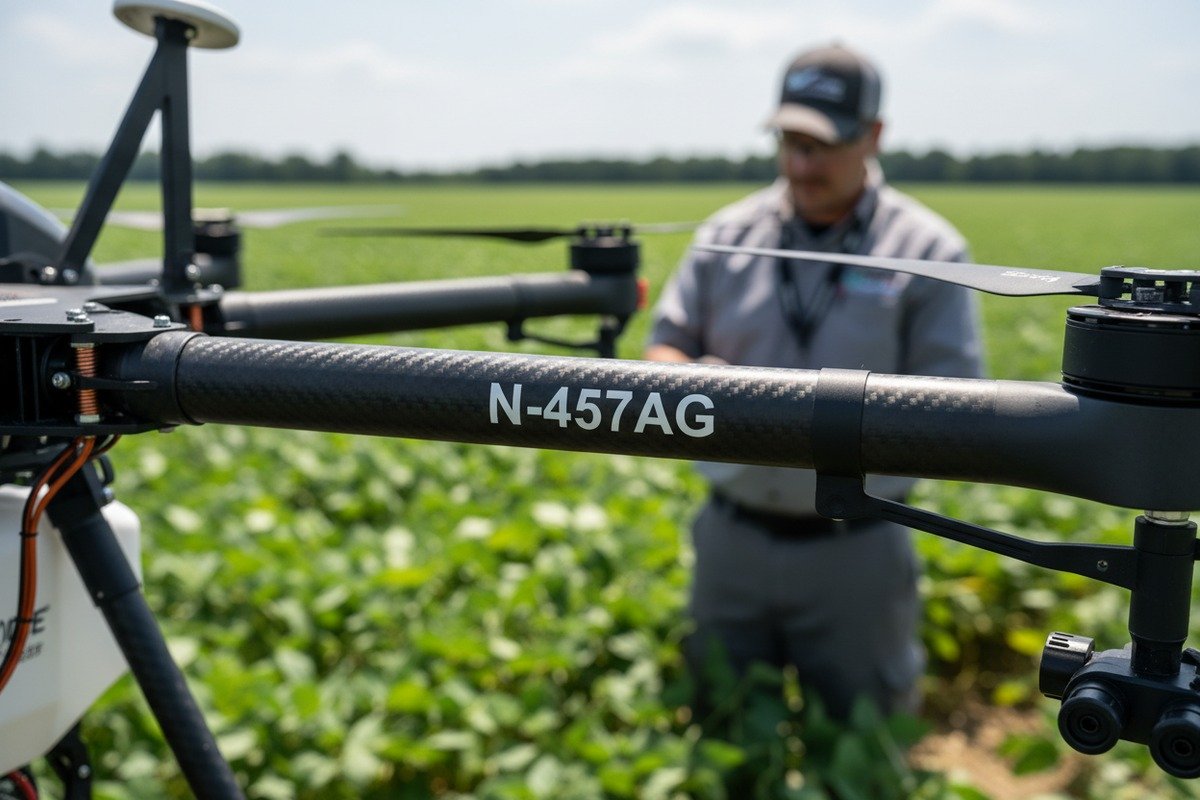
FAA Part 137 requires operators to demonstrate competency in agricultural aircraft operations, maintain proper aircraft registration with N-number display, carry required insurance, and follow operational rules for dispensing substances. You must submit an application to your local FAA Flight Standards District Office and pass knowledge and skill tests.
When Part 137 Applies
Part 137 governs agricultural aircraft operations involving the dispensing of substances. If your drone sprays pesticides, fertilizers, or seeds, Part 137 applies. Simple imaging or mapping flights do not trigger this requirement.
Weight matters significantly. Drones under 55 pounds at takeoff can operate under Part 107 for general commercial flights. However, dispensing agricultural substances requires Part 137 regardless of weight. Heavier drones exceeding 55 pounds need additional exemptions under Section 44807.
Part 137 Application Process
The application process involves several steps:
| Step | Action | Details |
|---|---|---|
| 1 | Contact FSDO | Reach your local Flight Standards District Office |
| 2 | Submit Application | Use FAA Form 8610-1 for operator certification |
| 3 | Knowledge Test | Pass the agricultural aircraft operations exam |
| 4 | Skill Demonstration | Show competency in dispensing operations |
| 5 | Aircraft Registration | Register drone with N-number for identification |
| 6 | Receive Certificate | Obtain Agricultural Aircraft Operator Certificate |
Knowledge and Skill Requirements
The FAA tests knowledge of safe handling procedures, operating limitations, and emergency protocols. You must understand how agricultural chemicals interact with aircraft systems. Drift management, buffer zones, and environmental considerations appear on examinations.
Skill demonstrations require showing practical competency. Examiners evaluate your ability to safely load, dispense, and clean agricultural substances. They assess flight patterns, altitude maintenance, and application accuracy.
Insurance and Documentation
Part 137 operators must carry liability insurance meeting minimum coverage requirements. Many states add their own insurance mandates on top of federal minimums. Keep insurance certificates current and accessible during operations.
Documentation requirements include maintenance logs, pilot records, and operational manuals. Inspectors may request these records during audits. Organized documentation demonstrates professional operations and protects against compliance issues.
Recent FAA Developments
The FAA has expanded capabilities for agricultural drone operators. March 2024 updates enabled swarming operations, night flights, and beyond visual line of sight for certain heavy drones. These changes benefit large-scale agricultural operations but require additional approvals.
The agency is streamlining Part 137, Section 44807 exemptions, and Third-Class Medical Certificate processes. Future approval times may decrease significantly. Stay current with FAA announcements through official channels.
Do I need a separate commercial pesticide applicator license for every state I operate in?
Our distributors often service customers across multiple states. A company based in Texas might have clients in Oklahoma, Louisiana, and New Mexico. This raises an important question about licensing portability. The answer affects business planning significantly.
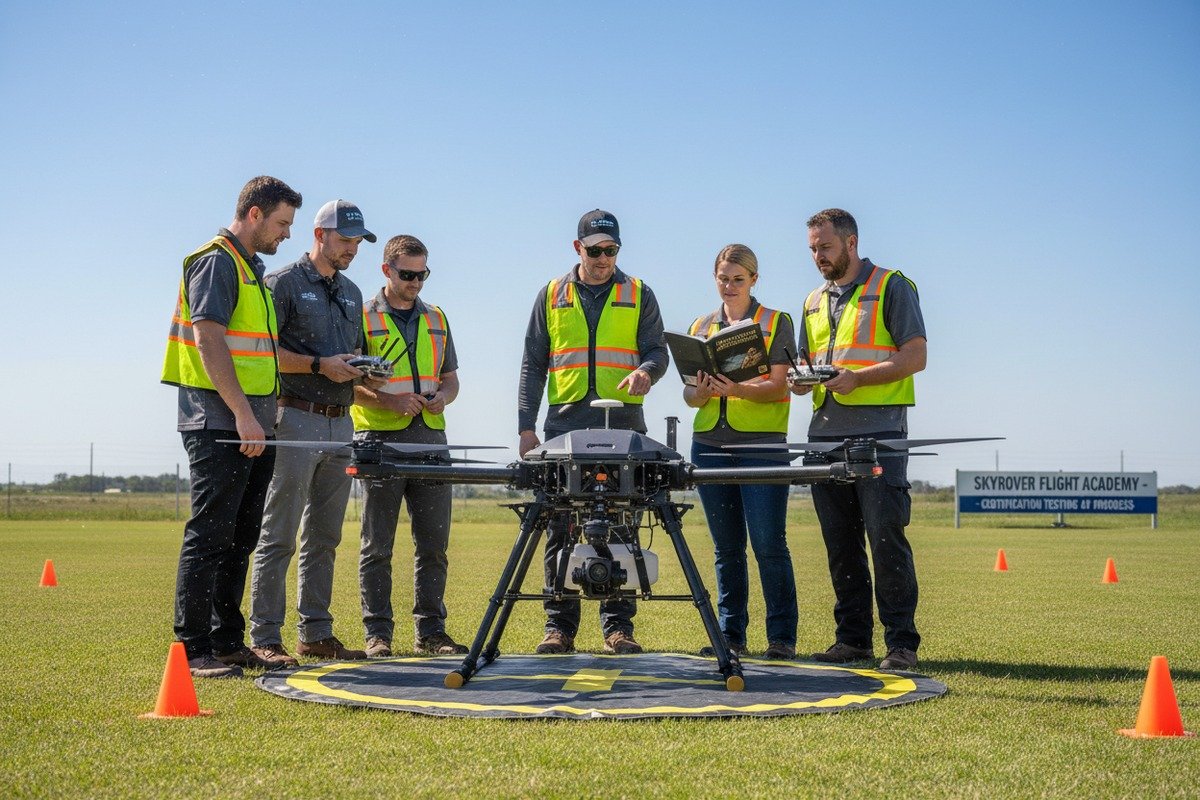
Yes, most states require operators to hold their own commercial pesticide applicator license to spray within their borders. Some states offer reciprocal licensing agreements that streamline the process for applicators already certified in participating states. Check each state's reciprocity policies before assuming your home license transfers automatically.
Understanding State Licensing Independence
Each state administers its pesticide applicator program independently. Your commercial applicator license from California does not automatically authorize operations in Arizona. State agriculture departments protect their residents through localized oversight.
This independence exists because pest pressures, crops, and environmental conditions vary dramatically across states. A certified applicator in humid Florida faces different challenges than one in arid Nevada. States tailor training and testing to local conditions.
Reciprocal Licensing Agreements
Good news exists for multi-state operators. Many states participate in reciprocal licensing agreements 6. These agreements recognize certifications from other participating states, reducing redundant testing.
Reciprocity typically works in two ways:
| Reciprocity Type | Descripción | Process |
|---|---|---|
| Full Reciprocity | License transfers completely | Submit application with home state certification |
| Partial Reciprocity | Core exam waived; category exams required | Take state-specific aerial category test |
| No Reciprocity | Complete certification required | Pass all exams as new applicant |
Steps for Multi-State Operations
Plan your licensing strategy before expanding operations. Follow these steps:
- Identify target states where customers need services
- Research each state's pesticide bureau website for reciprocity policies
- Contact state offices directly to confirm current agreements
- Gather documentation including home state license copies and test scores
- Submit applications with required fees to each new state
- Complete additional training if states require local education hours
- Maintain all licenses through continuing education and renewal
Common Reciprocity Pitfalls
Reciprocity does not mean automatic approval. States may require additional steps even with agreements in place. Some require applicants to pass state-specific exams covering local pests, crops, or environmental regulations.
Aerial category endorsements sometimes face stricter scrutiny than other categories. States may accept your Core certification but require their own aerial exam. Always verify the specific categories covered under reciprocal agreements.
Keeping Licenses Current Across States
Managing multiple state licenses demands organization. Each state sets its own renewal periods, continuing education requirements, and fee schedules. Create a tracking system to avoid lapses.
Expired licenses in any state stop operations there immediately. Some states impose penalties for operating with lapsed certifications. Professional operators maintain calendars with renewal deadlines and education requirements for every state where they hold licenses.
How can I ensure my drone fleet meets the technical standards required for state spraying certifications?
Our production floor tests every drone against strict performance standards. But meeting our factory specifications does not guarantee compliance with American regulations. Technical requirements extend beyond flight capability to include registration, labeling, and equipment calibration.
Ensure each drone displays proper FAA registration and N-number markings, verify spray equipment calibration matches pesticide label requirements, confirm payload capacities keep total weight within certification limits, and maintain detailed records of all equipment inspections and maintenance activities.

FAA Registration and Marking Requirements
Every commercial drone must register with the FAA through DroneZone. Agricultural spray drones operating under Part 137 require N-number registration similar to manned aircraft. Display this number prominently on the aircraft exterior where inspectors can read it easily.
Registration involves submitting aircraft specifications including manufacturer, model, and serial number. Keep registration certificates current. Expired registration grounds your aircraft until renewed.
Weight Considerations and Limits
Drone weight affects which regulations apply. The critical threshold sits at 55 pounds maximum takeoff weight, including payload. Our 40-liter spray drones approach this limit when fully loaded.
| Weight Category | Regulations | Additional Requirements |
|---|---|---|
| Under 55 lbs | Part 107 + Part 137 | Standard registration |
| 55 lbs and over | Part 137 + Section 44807 | Special exemption required |
| Over 55 lbs with exemption | Expanded capabilities possible | Swarming, BVLOS may apply |
Calculate maximum takeoff weight accurately. Include the aircraft, battery, spray tank at full capacity, and any accessories. Underestimating weight creates compliance violations.
Spray System Calibration
Pesticide labels 8 specify application rates. Your spray system must deliver chemicals within labeled parameters. Calibration ensures proper droplet size, flow rate, and coverage patterns.
Improper calibration creates multiple problems. Under-application fails to control pests effectively. Over-application wastes chemicals and may violate label requirements. Both scenarios expose operators to liability.
Document all calibration activities. Record nozzle types, pressure settings, flow rates, and test results. This documentation proves compliance during inspections and protects against claims of improper application.
Pesticide Label Compliance
EPA requires strict adherence to pesticide product labels. Labels dictate everything from application rates to buffer zone requirements. Some products specify "ground application only" and cannot legally be applied by drone.
Verify each pesticide you plan to apply carries labeling permitting aerial or drone application. Some labels reference "RPAS" (remotely piloted aircraft systems) specifically. Others use broader "aerial application" language that includes drones.
Equipment Maintenance Records
Maintain comprehensive maintenance logs for each aircraft in your fleet. Record inspections, repairs, component replacements, and software updates. Regulators may request these records during audits.
Preventive maintenance schedules vary by manufacturer. Our drones include recommended inspection intervals in technical documentation. Following these schedules extends equipment life and demonstrates professional operations.
FCC Compliance Considerations
Recent FCC rules affect drone equipment procurement. Starting January 2026, new authorizations for certain foreign-manufactured drones and components face restrictions. Existing fleets remain operational until at least January 2027.
Operators purchasing new equipment should verify FCC compliance status. Blue UAS listed products and domestically manufactured alternatives avoid these restrictions. Plan fleet expansions with regulatory timelines in mind.
Conclusión
Navigating US agricultural drone spraying licenses requires attention to federal FAA requirements, state pesticide applicator certifications, and technical compliance standards. Start with your state's Department of Agriculture for specific rules. Plan for multi-state licensing if your operations cross borders. Proper preparation keeps your drone fleet flying legally and profitably.
Notas al pie
1. Explains federal requirements for commercial drone operation. ↩︎
2. Details federal certification for agricultural aircraft operations. ↩︎
3. Replaced HTTP 404 with the main FAA Unmanned Aircraft Systems (UAS) hub page. ↩︎
4. Replaced HTTP 404 with Wikipedia category page listing US state departments of agriculture, as a direct article was not found. ↩︎
5. Directs users to the official FAA portal for drone registration. ↩︎
6. Replaced HTTP 404 with an official Washington State Department of Agriculture page on reciprocal pesticide licenses. ↩︎
7. Defines and explains requirements for this specific license. ↩︎
8. Explains the importance of adhering to pesticide product labels. ↩︎
9. Details the importance and process of calibrating agricultural spray systems. ↩︎

 English
  Spanish
  German
  French
  Dutch
Dutch  Arabic
