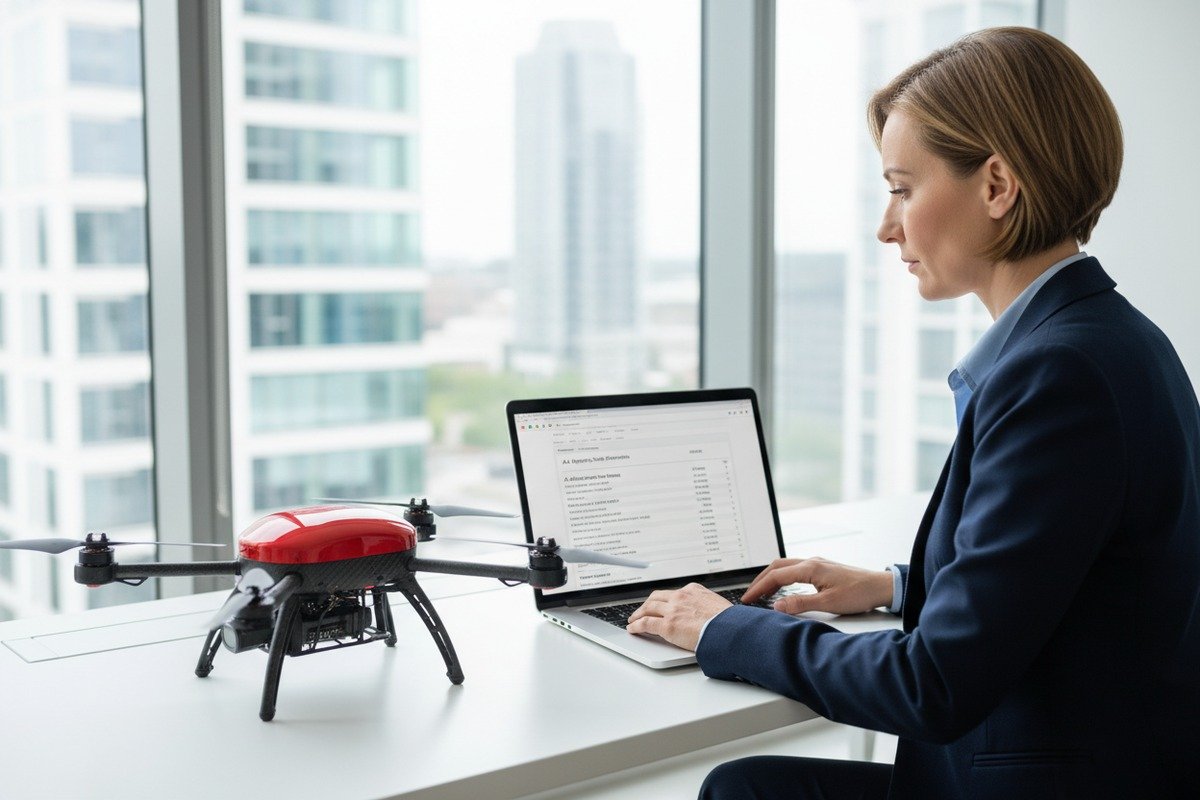
When our engineering team first developed subscription management protocols for firefighting drone fleets 1, we noticed a common problem. Many fire departments struggle to understand exactly what they pay for. Hidden fees, unclear renewal terms, and vague service descriptions create budget nightmares for procurement teams.
To verify software update subscription fees for firefighting drones, request detailed quotes directly from vendors, review contract terms for auto-renewal clauses and escalation rates, compare pricing across competitors like DJI FlightHub and CAPE, and confirm which specific features—mapping, AI analytics, cloud storage—are included in each tier.
This guide walks you through practical steps to audit your drone software costs fleet management dashboard 2. We cover vendor ecosystems, pricing structures, and negotiation tactics that save departments thousands annually.
How do I verify the annual software subscription costs for my firefighting drone fleet?
Our production facility ships hundreds of firefighting drones each year, and we hear the same concern repeatedly multi-year subscription agreements 3. Customers open their renewal invoices and find charges they never expected. The subscription model can feel opaque, especially when multiple software platforms run simultaneously.
Verify annual subscription costs by requesting itemized quotes from each vendor, checking invoices against original contracts, auditing all active licenses in your fleet management dashboard, and comparing renewal rates with current market pricing for platforms like DJI FlightHub 2, Autel Mapper, or DroneDeploy.

Start With Your Vendor Portal
Log into each software platform your department uses. Most vendors provide a billing section showing active subscriptions, renewal dates, and payment history. Export this data into a spreadsheet for comparison.
Check these key details:
- License type (monthly, annual, perpetual)
- Number of seats or drones covered
- Auto-renewal status
- Next billing date
- Price at last renewal versus original contract
Request Fresh Quotes
Contact vendors directly for updated pricing. Markets shift, and your three-year-old contract may reflect outdated rates. Some vendors offer loyalty discounts. Others raise prices annually without notice.
When requesting quotes, ask specifically:
- What is the per-drone annual cost?
- Are there volume discounts for fleets over 5, 10, or 20 units?
- What happens if I add drones mid-contract?
- Is there a multi-year discount?
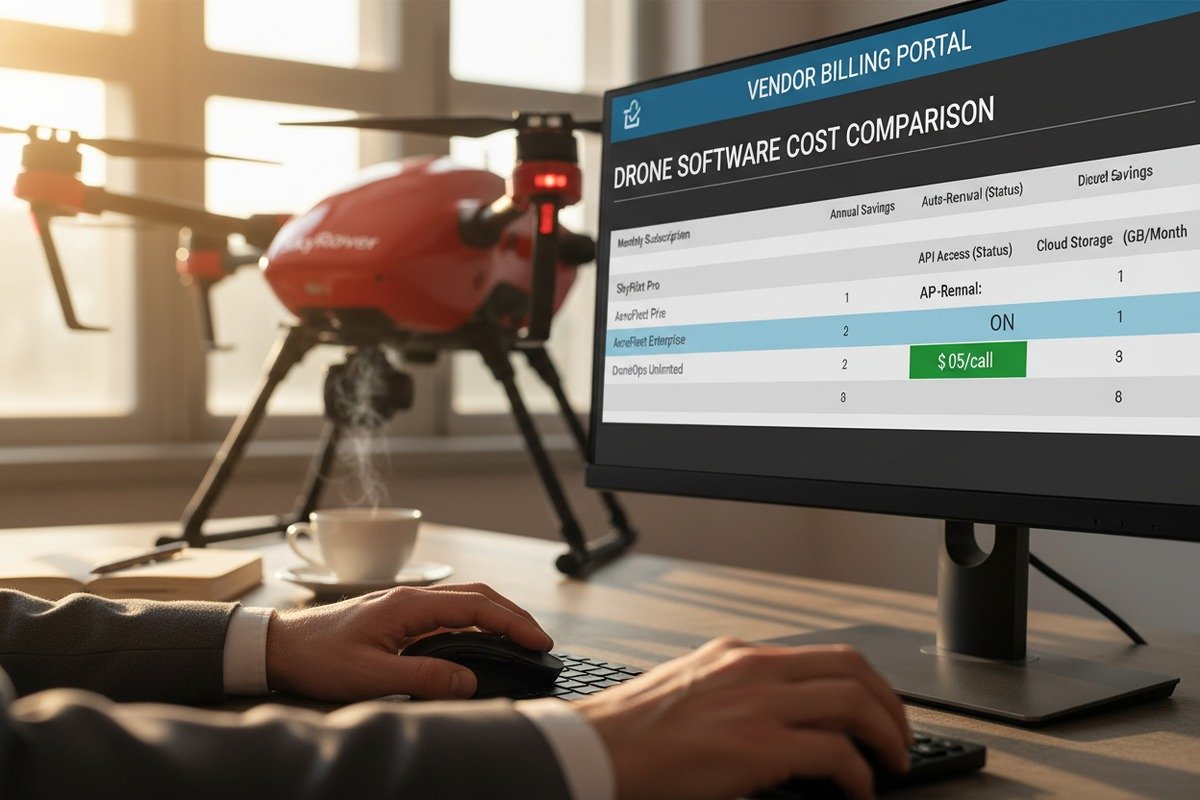
Build a Cost Comparison Table
| Platform | Annual Cost Per Drone | Fleet Discount (10+ units) | Includes Cloud Storage | Auto-Renewal Default |
|---|---|---|---|---|
| DJI FlightHub 2 | $500–$1,200 | 10–15% | Yes (limited) | Sí |
| CAPE (Motorola) | $1,500–$3,000 | Negotiable | Sí | Sí |
| DroneDeploy | $600–$1,800 | 10% | Sí | Sí |
| Autel Mapper | $400–$800 | None listed | No | No |
| PIX4D | $800–$2,500 | 15% | Optional add-on | Sí |
This table helps visualize where your money goes. Cross-reference it with your actual invoices. Discrepancies reveal billing errors or unauthorized charges.
Audit Hidden Costs
Beyond base subscription fees, look for:
- Data export charges
- Premium support tiers
- Additional user seats
- API access fees
- Training module add-ons
Our customers sometimes discover they pay for features they never use. A quarterly audit prevents budget creep.
What specific support services are included in my firefighting drone software update fee?
In our experience working with US fire departments, the biggest frustration comes from vague service descriptions. A subscription might promise "full support," but what does that actually mean during a wildfire emergency at 2 AM?
Software update fees typically include firmware patches, security updates, technical support (response times vary by tier), cloud-based mission data storage, access to new mapping features, and sometimes training webinars—but exact services differ significantly between vendors, so always request a detailed service level agreement.
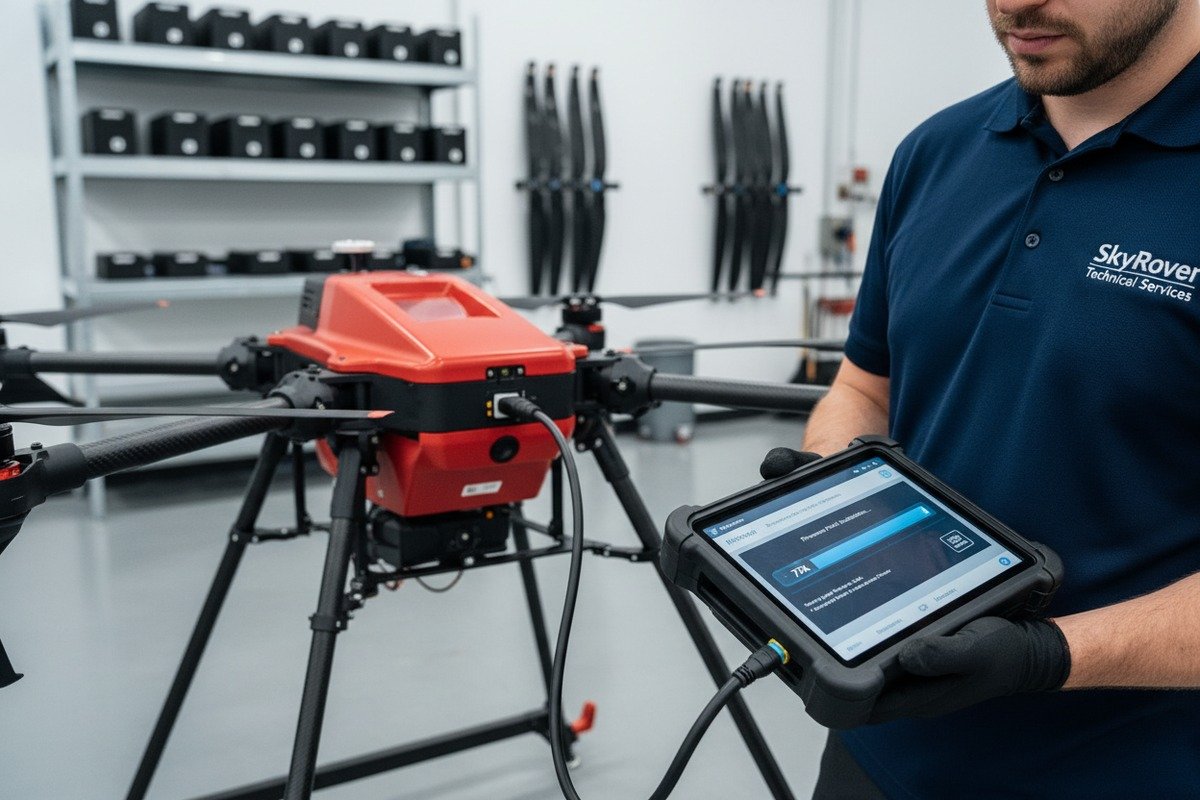
Demand a Service Level Agreement (SLA)
An SLA defines exactly what you receive. Without one, you have no recourse when support fails. Service Level Agreement (SLA) 5 Key SLA elements include:
- Response time guarantees: Is it 24 hours or 4 hours for critical issues?
- Disponibilidad de soporte: 24/7 or business hours only?
- Update frequency: Monthly patches or quarterly releases?
- Uptime guarantees: What happens if cloud servers go down during an incident?
Fire departments need priority support. A delayed response during active firefighting operations costs lives, not just money.
Understand What "Updates" Actually Include
Not all updates deliver equal value. Break down the category:
| Update Type | Descripción | Typical Inclusion |
|---|---|---|
| Firmware patches | Fix bugs, improve stability | Always included |
| Security updates | Address vulnerabilities | Always included |
| Feature releases | New mapping tools, AI upgrades | Sometimes included |
| Regulatory compliance 6 | FAA airspace updates, BVLOS protocols | Usually included |
| Hardware compatibility | Support for new payloads/cameras | Varies by vendor |
| Training content | Updated tutorials, certification prep | Often extra cost |
When our team calibrates flight controllers, we ensure firmware compatibility with major platforms. But vendors control what software features you actually receive. Clarify this upfront.
Evaluate Cloud and Data Services
Cloud storage sounds simple until you hit limits. Ask vendors:
- How much storage is included?
- What file formats are supported?
- How long is data retained?
- Can you export data if you switch vendors?
- Is data encrypted and compliant with public safety standards?
Firefighting generates massive thermal imaging files. A 10GB limit disappears quickly during wildfire season.
Training and Onboarding
Some subscriptions include ongoing training for new software features. Others charge separately. Training costs typically run $1,500–$3,000 per pilot. If your subscription includes training webinars or updated certification modules, that represents significant value.
Our customers often overlook this. They budget for the subscription but forget their pilots need recertification when software changes.
Can I lock in software maintenance pricing during my initial drone procurement process?
When we negotiate supply contracts with large distributors, pricing discussions always include long-term software costs. Smart procurement managers ask about price locks before signing anything. Yet many departments miss this opportunity entirely.
Yes, you can often negotiate locked software pricing during initial procurement by requesting multi-year subscription agreements, volume commitments, or bundled hardware-software packages—vendors prefer guaranteed revenue streams and may offer 10–20% discounts or price freeze clauses for commitments of three to five years.
Why Vendors Agree to Price Locks
Software vendors face intense competition. DJI, Autel, CAPE, and DroneDeploy all chase the same firefighting market. Locking in a customer for three to five years guarantees revenue they would otherwise fight to retain annually.
Use this leverage. When purchasing drones, make software pricing part of the hardware negotiation. Vendors often bundle deals to close sales.
Negotiation Strategies That Work
| Strategy | Cómo funciona | Expected Discount |
|---|---|---|
| Multi-year commitment | Sign a 3–5 year software contract upfront | 10–20% off annual rate |
| Volume bundling | Commit to a fleet size (10+ drones) | 10–15% fleet discount |
| Hardware-software package | Purchase drones and subscriptions together | 5–15% bundle discount |
| Prepayment | Pay multiple years in advance | 5–10% cash discount |
| Competitor leverage | Show competing quotes | Match or beat pricing |
Our sales team frequently sees procurement managers succeed with competitor leverage. Showing a CAPE quote to DJI (or vice versa) often unlocks discounts neither vendor advertises publicly.
Contract Terms to Request
Beyond price, protect yourself with these clauses:
- Price escalation cap: Limit annual increases to 3–5% maximum
- Renewal notification: Require 90-day advance notice before auto-renewal
- Cancellation terms: Define exit conditions without penalty
- Feature guarantees: Specify which features remain included throughout the contract
- Data portability: Ensure you can export data if you switch vendors
Fire departments operate on tight budgets approved years in advance. A sudden 25% price increase devastates planning. Escalation caps prevent this.
Timing Your Negotiation
Negotiate software pricing before you sign the drone purchase order. Once you own the hardware, your leverage decreases. Vendors know switching platforms mid-deployment costs departments time and money.
Our recommendation: include software pricing as a line item in your initial RFP (request for proposal 7). Require vendors to quote both hardware and five-year software costs together.
How do I ensure my firefighting drone software updates provide the necessary safety and performance improvements?
Our engineers spend months testing firmware before we ship drones to customers. But software updates from third-party platforms remain outside our direct control. Fire departments must verify that updates actually improve safety rather than introducing new risks.
Ensure software updates deliver safety and performance improvements by reviewing vendor release notes for specific fixes and features, testing updates on non-critical drones before fleet-wide deployment, confirming regulatory compliance (FAA, NFPA), monitoring pilot feedback after updates, and requiring vendors to provide security audit documentation.
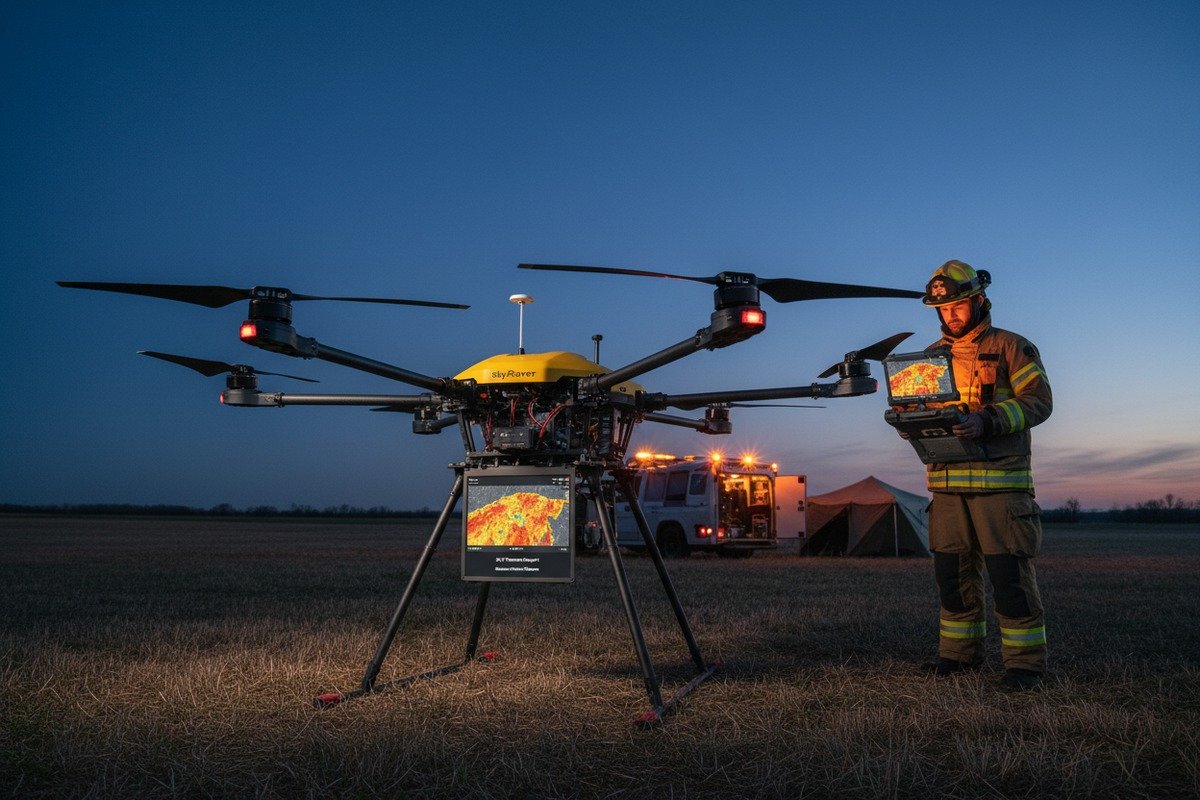
Review Release Notes Critically
Every software update includes release notes. Read them carefully. Look for:
- Security vulnerability patches
- Bug fixes affecting flight stability
- New features for thermal mapping or hazard detection
- Regulatory compliance updates (FAA airspace, BVLOS protocols)
- Known issues or limitations
Vague release notes signal problems. If a vendor cannot explain what changed, question whether the update was adequately tested.
Test Before Full Deployment
Never push updates to your entire fleet simultaneously. Designate one or two drones as test units. Run updates on these first. Conduct test flights under controlled conditions before deploying to operational aircraft.
Our quality control team uses a similar approach. We test firmware on dedicated units before shipping to customers. Fire departments should adopt the same discipline.
Verify Regulatory Compliance
Firefighting drones operate under strict regulations. Updates must maintain compliance with:
| Regulatory Body | Requisitos clave |
|---|---|
| FAA | Remote ID, airspace authorization, BVLOS waivers |
| NFPA | Equipment standards for fire service operations |
| State agencies | Specific wildfire operation protocols |
| Local ATC | Coordination with manned aircraft during incidents |
Ask vendors to confirm that updates maintain all necessary compliance. Request documentation if needed for audits.
Monitor Real-World Performance
After deploying updates, collect feedback from pilots. Create a simple reporting system:
- Did flight stability change?
- Are mapping features working correctly?
- Did battery consumption increase?
- Are there new error messages or warnings?
- Is live streaming reliable during operations?
Track trends over time. If multiple pilots report the same issue after an update, escalate to the vendor immediately.
Require Security Audit Documentation
Firefighting drones capture sensitive data—incident locations, infrastructure details, personnel positions. Software must protect this information. Ask vendors for:
- Cybersecurity audit reports
- Compliance certifications (SOC 2, ISO 27001 8)
- Encryption standards for data at rest and in transit
- Incident response protocols for breaches
Public safety agencies face increasing scrutiny over data security. Verify that your software meets appropriate standards.
Conclusión
Verifying software subscription fees requires proactive effort. Audit your current costs, negotiate during procurement, demand clear SLAs, and test every update before deployment. Your budget and your firefighting operations depend on it.
Notas al pie
1. Replaced with a comprehensive article on firefighting drones from a reputable vendor. ↩︎
2. Replaced with a relevant and comprehensive resource on drone fleet management. ↩︎
3. Explains the benefits and considerations of long-term software contracts. ↩︎
4. Details how AI processes drone data for valuable insights. ↩︎
5. Replaced with an authoritative Wikipedia definition of Service Level Agreement (SLA). ↩︎
6. Provides official information on drone operations and safety regulations. ↩︎
7. Replaced with an authoritative Wikipedia definition of Request for Proposal (RFP). ↩︎
8. Identifies an international standard for information security management systems. ↩︎

 English
  Spanish
  German
  French
  Dutch
Dutch  Arabic
