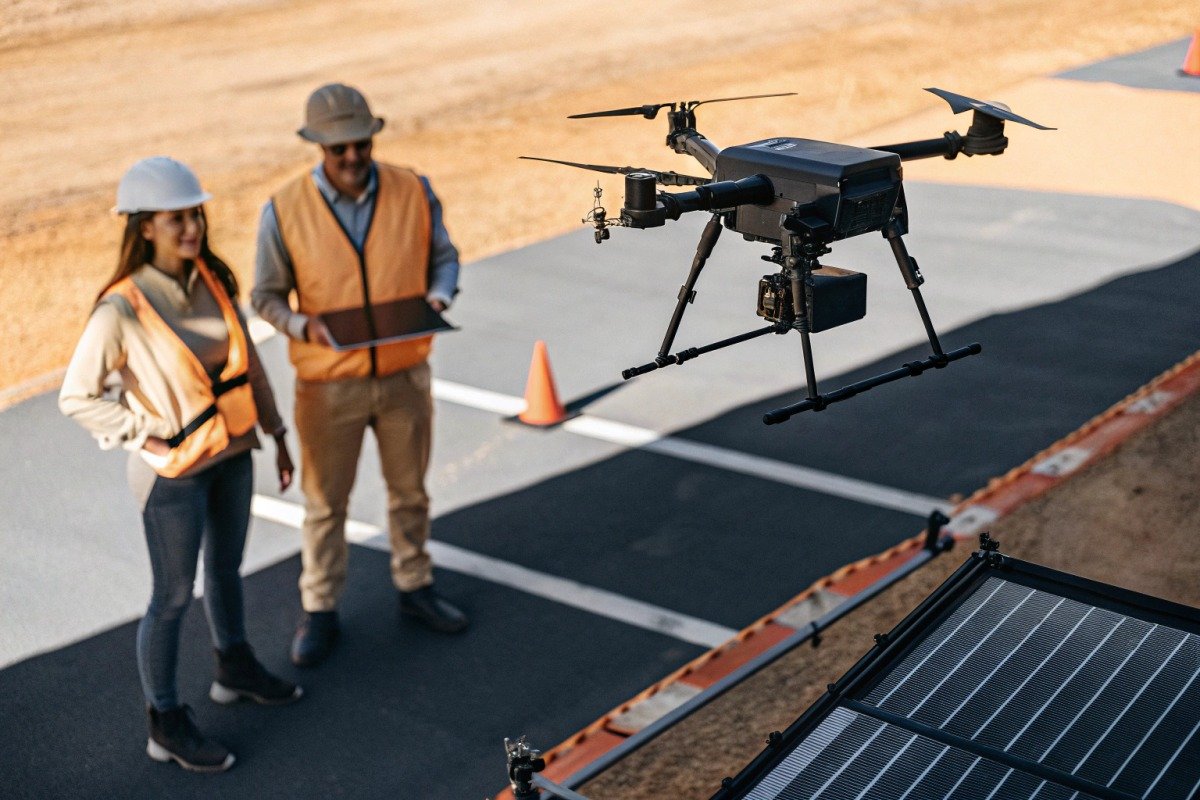
Last year, our engineering team watched a fire department lose a $18,000 drone into thick wildfire smoke MTBF (Mean Time Between Failures) data 1. The drone simply vanished because its failsafe systems were never properly verified before purchase. This expensive lesson happens more often than you think.
To verify breakpoint resume and failsafe return-to-home features, buyers must request live demonstrations simulating signal loss and low battery conditions, review RTK-enabled specifications, demand third-party test reports, examine detailed flight logs, and conduct field trials in smoke-simulated environments before finalizing any purchase agreement.
In this guide, we share the exact verification methods our quality control team uses daily. These practical steps will help you avoid costly mistakes and ensure your firefighting drone investment performs reliably in the harshest conditions.
How can I verify the accuracy of the breakpoint resume feature during a flight demonstration?
When we test breakpoint resume on our production line, we see many units from other suppliers fail basic accuracy checks. The feature sounds simple on paper, but real-world performance varies dramatically between manufacturers. Your investment depends on getting this right.
To verify breakpoint resume accuracy, request a live demonstration where the operator intentionally triggers a failsafe mid-mission, then observes if the drone automatically resumes from the exact GPS/RTK coordinates after signal recovery. Accurate systems should resume within 1-3 meters of the original pause point.
Understanding What Breakpoint Resume Actually Does
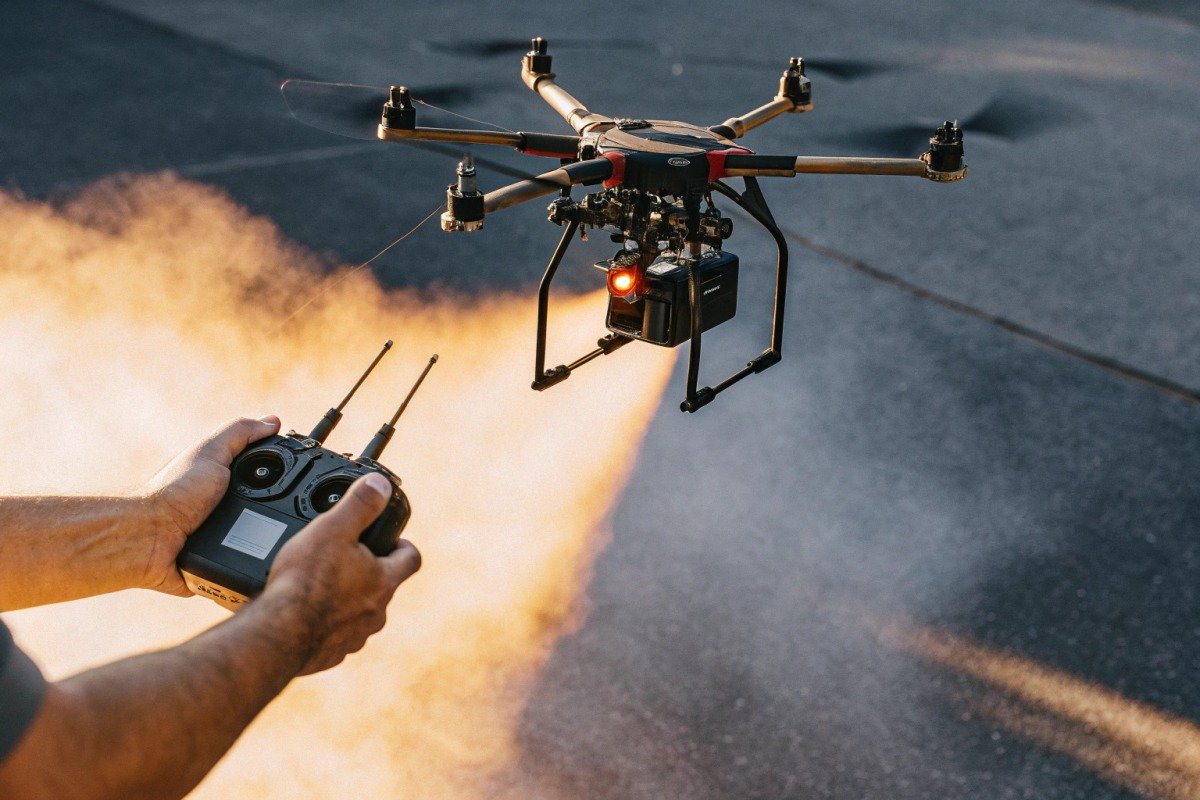
Breakpoint resume stores your drone's exact position when an interruption occurs. This could be signal loss, low battery warnings, or obstacle detection. Once conditions normalize, the drone should continue its pre-planned mission from that saved point.
Our flight controller engineers explain it like a bookmark in a book. The drone remembers where it stopped. Without this feature, operators must manually restart entire missions after every interruption. In firefighting scenarios, this wastes precious time.
Proceso de verificación paso a paso
First, ask the supplier to program a simple waypoint mission 2 with at least 5 points. Second, let the drone fly to point 3. Third, turn off the remote controller to simulate signal loss. Watch what happens next.
A properly configured drone should hover briefly, then initiate return-to-home. After the controller reconnects, the drone should offer an option to resume from point 3. This is the critical moment.
| Escenario de Prueba | Expected Behavior | Bandera Roja |
|---|---|---|
| Signal loss at waypoint 3 | Hover, RTH, then resume option appears | Drone restarts entire mission |
| Low battery at 30% | Returns home, resume after battery swap | Loses all waypoint data |
| Obstacle detection mid-route | Pauses, avoids, resumes same path | Skips waypoints or drifts |
| GPS drift in smoke simulation | RTK corrects within 10cm | Position error exceeds 3 meters |
Key Metrics to Record During Testing
Document the resume accuracy in meters. Our standard is under 1 meter deviation with RTK systems. Basic GPS units show 2-5 meter drift, which may be acceptable for some applications but not precision mapping.
Also record the time delay between reconnection and resume. Quality systems resume within 10-15 seconds. Longer delays suggest firmware issues or processing limitations.
Common Tricks to Watch For
Some suppliers pre-program demonstration units to perform perfectly. Request testing on a random unit from inventory. Also, run the test multiple times. Consistent results across 5+ trials indicate genuine reliability.
What specific failsafe return-to-home triggers should I look for to protect my investment in harsh environments?
During our export shipments to U.S. fire departments, buyers consistently ask about failsafe triggers. Harsh environments destroy drones without proper failsafe configurations. Knowing which triggers matter most saves equipment and missions.
Essential failsafe RTH triggers include signal loss for 3+ seconds, battery level below 25%, GPS signal degradation, motor malfunction detection, IMU sensor errors, geofence breach, and high wind warnings. Advanced systems also trigger RTH on thermal overload and compass interference.
Primary Failsafe Triggers Every Buyer Must Verify
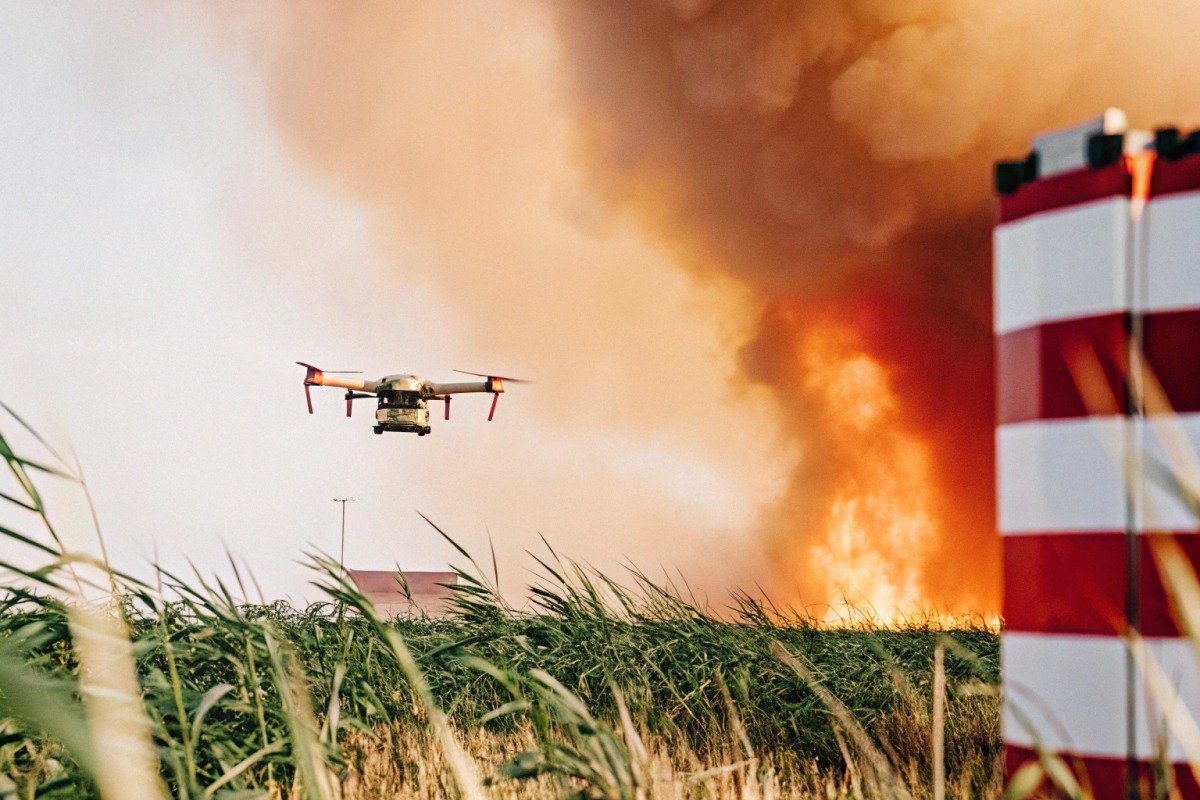
Signal loss remains the most common trigger. Fire environments create interferencias electromagnéticas 4 from power lines, radio communications, and metallic structures. Your drone must recognize signal loss within 3 seconds and respond automatically.
Low battery triggers prevent drones from running out of power mid-flight. Quality systems calculate remaining flight time based on distance to home, wind conditions, and current consumption. They trigger RTH with enough reserve to reach home safely.
Environmental Triggers for Fire Operations
Temperature monitoring triggers RTH before heat damages electronics. Our thermal testing shows electronic failures increase dramatically above 50°C. Firefighting drones operating near active flames need automatic thermal protection.
Wind speed triggers protect against loss of control. Strong updrafts from fires create unpredictable conditions. Drones rated for 22 mph winds should trigger warnings at 18 mph and RTH at sustained speeds above rated limits.
| Trigger Type | Standard Threshold | Firefighting Recommendation |
|---|---|---|
| Signal loss | 3-5 segundos | 3 seconds maximum |
| Battery level | 20-25% | 30% for fire ops |
| Temperatura | 45°C warning | 40°C trigger |
| Velocidad del viento | Rated maximum | 80% of rated maximum |
| Satélites GPS | Less than 6 | Less than 8 for precision |
| Motor current | 120% rated | 110% for early warning |
Advanced Triggers Worth Requesting
IMU sensor errors 5 indicate potential control problems. The inertial measurement unit tracks orientation and movement. Anomalies suggest sensor damage or interference. Quality drones monitor IMU health continuously.
Motor malfunction detection identifies failing motors before complete failure. Current monitoring and RPM tracking reveal problems early. Emergency landing on 3 propellers requires this detection system.
Configurable vs. Fixed Triggers
Some triggers should remain fixed for safety. Signal loss response, for example, must always activate. Other triggers benefit from customization based on mission type.
Ask suppliers which triggers are configurable. Fire departments often need different thresholds than agricultural operators. Flexibility indicates mature software design.
Redundancy in Trigger Systems
Single-point failures defeat failsafe purposes. Quality systems use redundant sensors. Two GPS modules, dual IMUs, and independent battery monitoring provide backup if primary sensors fail.
Our quality control tests each sensor independently. We deliberately fail one sensor to verify the backup activates correctly. Request evidence of this testing from your supplier.
Can I customize the failsafe logic through the supplier's software development support?
When our software team collaborates with U.S. distributors on custom firmware, we discover unique requirements for every fire department. Standard failsafe settings rarely match specific operational needs. Customization capability separates professional suppliers from basic resellers.
Yes, reputable manufacturers offer SDK access or custom firmware development to modify failsafe parameters, add new triggers, integrate department-specific protocols, and connect with existing command systems. Request documentation of previous customization projects and ongoing software support commitments.
Tipos de personalización disponibles
Parameter adjustment represents the simplest customization. This includes changing battery thresholds, signal loss timing, and RTH altitudes. Most quality manufacturers provide this through standard software interfaces.
Deeper customization requires SDK 6 or direct firmware modification. Adding custom triggers, integrating with dispatch systems, or modifying flight behaviors needs manufacturer cooperation.
Questions to Ask About Software Support
Does the supplier provide an SDK with documentation? Without documentation, even available SDKs become unusable. Our SDK includes sample code, API references, and integration guides.
What is the turnaround time for custom firmware requests? Professional manufacturers typically deliver custom builds within 2-4 weeks. Longer timelines suggest limited development resources.
| Nivel de personalización | Typical Availability | Tiempo de Implementación |
|---|---|---|
| Parameter adjustment | Standard software | Inmediato |
| Trigger threshold changes | SDK or supplier request | 1-2 semanas |
| New trigger integration | Firmware personalizado | 3-4 semanas |
| Third-party system integration | Development partnership | 4-8 semanas |
| Complete custom failsafe logic | Enterprise agreement | 8-12 semanas |
Evaluating Development Partnership Potential
Long-term software support matters more than initial purchase features. Drones require firmware updates as regulations change and new vulnerabilities appear. Suppliers without development capacity cannot provide ongoing support.
Ask about the supplier's development team size. Our 70-person team includes 15 dedicated software engineers. This capacity allows continuous improvement and custom project support.
Integración con los sistemas existentes
Fire departments often use specific dispatch software, mapping platforms, or communication systems. Failsafe events should notify command centers automatically. Custom integration makes this possible.
Request examples of previous integrations. Suppliers with enterprise customers have experience connecting drones to larger systems. This experience reduces implementation risk for your deployment.
Protegiendo su inversión en personalización
Custom firmware creates dependency on the supplier. Ensure contracts include source code escrow or documentation sufficient for another developer to maintain. This protects your investment if the supplier relationship changes.
Also verify that customizations survive standard firmware updates. Poor software architecture forces recustomization after every update. Quality systems maintain custom settings through upgrade cycles.
What technical documentation should I request from my manufacturer to prove these safety systems are reliable?
Our export customers in Europe demand extensive documentation before procurement approval. We understand this requirement protects buyers from unreliable products. Proper documentation separates serious manufacturers from assemblers who rebrand imported units.
Request flight controller architecture documents, failsafe algorithm flowcharts, environmental testing reports (temperature, humidity, EMI), third-party certification certificates, sample flight logs showing failsafe events, firmware version history, and MTBF (Mean Time Between Failures) data for critical components.

Categorías de Documentación Esencial
Design documentation proves the manufacturer understands their own product. Flight controller schematics, sensor integration diagrams, and failsafe logic flowcharts demonstrate engineering competence. Resellers cannot provide this documentation.
Testing documentation proves claims with evidence. Environmental stress testing reports, electromagnetic compatibility certificates, and flight hour accumulation logs show real-world validation.
Specific Documents to Request
Flight controller architecture documents 7 explain how the system processes sensor data and makes decisions. Understanding this architecture helps evaluate failsafe reliability and identifies potential failure modes.
Failsafe algorithm flowcharts show exactly what happens when triggers activate. Does signal loss immediately trigger RTH? Does low battery override waypoint missions? These flowcharts answer critical questions.
| Tipo de documento | Lo que demuestra | Bandera roja si falta |
|---|---|---|
| Flight controller schematic | Engineering competence | Reseller without design capability |
| Environmental test report | Validated performance claims | Untested specifications |
| EMI compliance certificate | Safe operation near equipment | Potential interference issues |
| Sample flight logs | Real failsafe performance | Theoretical claims only |
| MTBF data | Component reliability | Unknown failure rates |
| Firmware changelog | Active development | Abandoned product line |
Third-Party Certifications Worth Verifying
CE marking for European markets and FCC certification for U.S. operations verify basic electromagnetic compliance. Request copies of actual certificates, not just claims of certification.
IP ratings (IP54, IP55) for dust and water resistance require independent testing. Ask for test reports from accredited laboratories. Self-declared ratings without testing have no value.
Requisitos de Análisis de Registros de Vuelo
Request sample flight logs from demonstration units. These logs should show actual failsafe events, not just normal flights. Examine RTH paths, resume accuracy, and response times in logged data.
Our flight logging system records 200+ parameters at 10Hz frequency. This detail supports post-incident analysis and proves system behavior during failsafe events. Simpler logging systems may hide problems.
Firmware and Support Documentation
Firmware version history shows ongoing development activity. Products without updates for 12+ months may be abandoned. Active development indicates manufacturer commitment.
Support documentation includes user manuals, maintenance guides, and troubleshooting procedures. Quality documentation reduces support burden and enables local technicians to resolve issues.
Using Documentation to Compare Suppliers
Create a documentation checklist before contacting suppliers. Score each supplier on documentation completeness. This objective comparison reveals true manufacturing capability beyond marketing claims.
Suppliers who provide comprehensive documentation demonstrate transparency and confidence in their products. Reluctance to share technical details suggests hidden problems or reseller status.
Conclusión
Verifying breakpoint resume and failsafe return-to-home 8 features requires hands-on testing, thorough documentation review, and clear supplier communication. These steps protect your investment and ensure mission success in demanding firefighting environments.
Notas al pie
1. Provides a key metric for product reliability and longevity. ↩︎
2. Replaced with a working DJI Developer documentation page that explains waypoint missions and planning for drones. ↩︎
3. Provides technical context for precise drone positioning. ↩︎
4. Replaced with the Wikipedia page for electromagnetic interference, an authoritative source providing a comprehensive explanation. ↩︎
5. Replaced with the Wikipedia page section on the performance of inertial measurement units (IMU), which details measurement errors and drift. ↩︎
6. Replaced with the DJI Mobile SDK Documentation introduction page, which outlines how developers can gain access to DJI’s SDK and its capabilities. ↩︎
7. Replaced with a Wikipedia page section specifically detailing the control system architecture of autonomous aircraft, which includes flight controllers. ↩︎
8. Details the critical safety function of drones. ↩︎

 English
  Español de México
  Deutsch
  Français
  Русский
  العربية
