
Every week, our engineering team receives calls from fire departments frustrated by drones that promised high pressure but delivered weak streams pump pressure ratings 1. The problem? Most buyers focus on headline specs without understanding what truly matters.
To evaluate firefighting drone water spray systems, examine pump pressure ratings (minimum 150 PSI for high-rise applications), verify flow rates match fire suppression needs (1000-1900+ L/min), test nozzle range under load conditions (15-20 meters typical), and request third-party performance certifications before purchase.
This guide walks you through the exact questions our procurement partners ask before placing orders. We will cover pump pressure verification, flight stability during extended operations, custom nozzle options, and methods to validate manufacturer claims.
How do I determine if the pump pressure is sufficient for my high-rise firefighting requirements?
When we test our firefighting drones at various building heights, pressure loss 2 becomes the critical factor. high-rise firefighting 3 Many buyers underestimate how much pressure drops through long hose runs, leading to ineffective suppression at upper floors.
Sufficient pump pressure for high-rise firefighting requires minimum 150 PSI at the nozzle outlet when operating at target height. Calculate pressure loss of approximately 0.5 PSI per meter of vertical lift, then add 20% safety margin. For 100-meter buildings, source systems rated at 200+ PSI minimum.
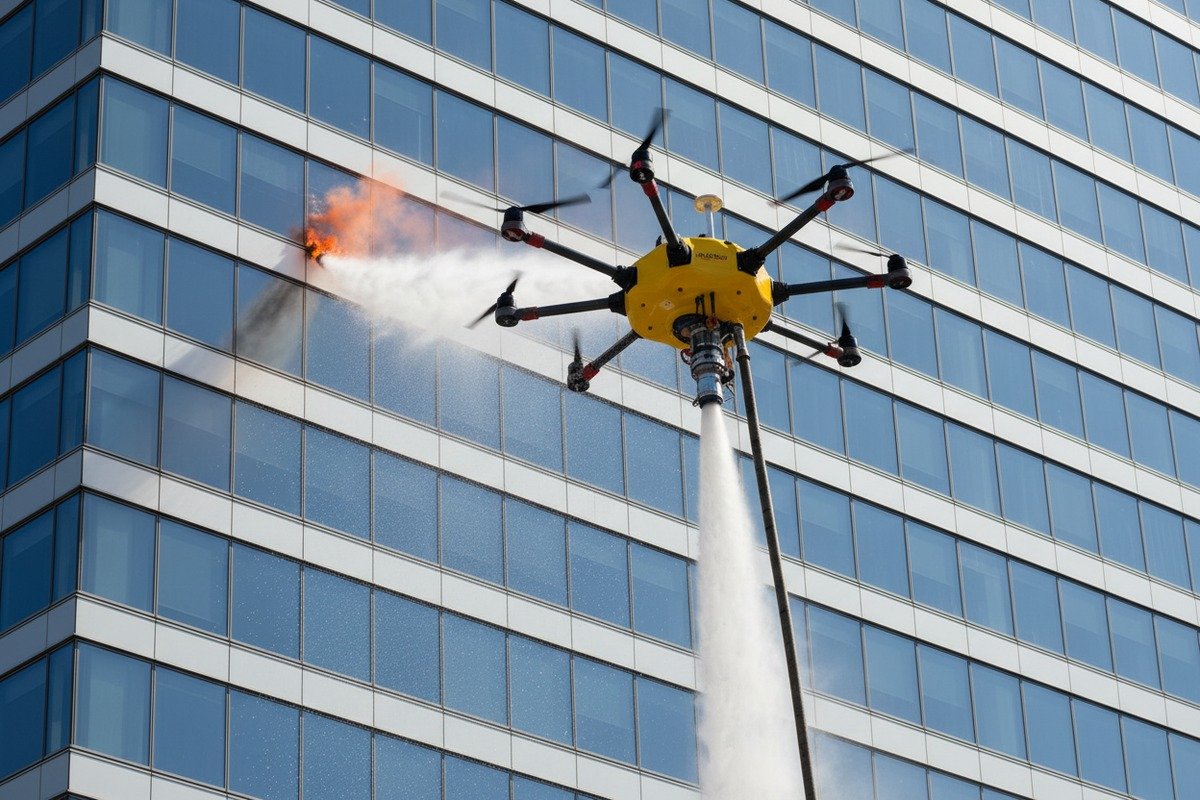
Understanding Pressure Loss in Vertical Operations
Pressure loss happens for two main reasons. First, gravity works against the water column. Second, friction inside the hose reduces flow. Our production tests show that a 150-meter hose run can lose 75-100 PSI before water reaches the nozzle.
The YSF-150 system we manufacture achieves delivery rates exceeding 1900 L/min with a 20-meter nozzle range at heights up to 150 meters. This performance requires ground-based pump systems delivering 250+ PSI at the source.
Pressure Requirements by Building Height
| Building Height | Minimum Source Pressure | Recommended Nozzle Pressure | Typical Flow Rate Needed |
|---|---|---|---|
| 0-50 meters | 150 PSI | 100 PSI | 800-1200 L/min |
| 50-100 meters | 200 PSI | 120 PSI | 1200-1500 L/min |
| 100-150 meters | 250 PSI | 150 PSI | 1500-1900+ L/min |
| 150-300 meters | 300+ PSI | 180 PSI | 1900+ L/min |
Matching Pressure to Fire Type
Different fires need different approaches. A small office fire on the 20th floor requires less pressure than a fully involved warehouse blaze. Our engineers recommend discussing your specific scenarios with suppliers before finalizing specifications.
Structural fires typically need sustained high-volume delivery. Industrial fires may require foam agents at different pressure settings. Wildland fires often need wider coverage patterns rather than maximum pressure.
Calculating Your Actual Requirements
Start with your tallest target building. Add the maximum horizontal distance from drone position to fire location. Factor in wind conditions that may deflect the water stream. Then add your safety margin.
For example, a 100-meter building with 15-meter horizontal reach in moderate wind needs approximately 180 PSI at the nozzle. Working backward through typical pressure losses, the ground pump must deliver around 260 PSI.
What should I look for to ensure the spray range remains stable during long-duration flights?
During extended test flights at our Xi'an facility, we discovered that spray range degradation often occurs after 15-20 minutes of continuous operation. Battery drain, pump heating, and hose pressure fluctuations all contribute to performance decline.
Stable spray range during long flights requires three elements: redundant power management systems maintaining consistent pump pressure, thermal management preventing pump efficiency loss, and real-time pressure monitoring with automatic compensation. Request endurance test data showing range consistency over your required operational duration.

Power System Impact on Spray Performance
Battery-powered pump systems lose efficiency as charge depletes. A pump drawing 2000W may produce 180 PSI at full charge but drop to 140 PSI at 40% battery. This directly affects spray range.
The HZH SF50 addresses this with 75-minute endurance ratings and intelligent power management. However, buyers should request actual performance curves showing pressure maintenance throughout the flight envelope.
Thermal Management Considerations
Continuous pump operation generates heat. Without proper cooling, pump efficiency drops and seals may degrade. Our production line includes thermal sensors that alert operators before performance degradation occurs.
Look for these thermal management 4 features:
- Active cooling systems for pump motors
- Temperature-resistant seals and gaskets
- Automatic duty cycle management
- Heat dissipation design in pump housing
Real-Time Monitoring Systems
Modern firefighting drones should include pressure sensors at multiple points. At minimum, monitor source pressure, mid-hose pressure, and nozzle outlet pressure. The S300 system includes telemetry displaying all three values to ground operators.
| Monitoring Point | Objetivo | Alert Threshold |
|---|---|---|
| Source Pressure | Verify fire truck output | Below 90% of required |
| Mid-Hose Pressure | Detect blockages or leaks | Drop >15% from expected |
| Nozzle Pressure | Confirm delivery performance | Below minimum effective |
| Pump Temperature | Prevent thermal failure | Above 85°C |
| Battery Voltage | Predict pressure decline | Below 60% charge |
Environmental Factors Affecting Stability
Wind speed above 15 km/h can deflect water streams, reducing effective range by 20-30%. Temperature extremes affect both water viscosity and pump performance. Smoke and heat near fire scenes create unpredictable air currents.
When we ship to customers in the Middle East versus Scandinavia, we adjust specifications accordingly. Operating temperatures of -20°C to 60°C are standard, but sustained operation at temperature extremes requires additional considerations.
Maintenance Protocols for Consistent Performance
Regular maintenance prevents performance degradation. After each operation, flush systems with clean water. Inspect hoses for wear or damage. Check pump seals monthly. Replace filters according to manufacturer schedules.
Our warranty claims data shows that 70% of range stability issues trace back to inadequate maintenance rather than equipment defects. We now include detailed maintenance checklists with every shipment.
Can I request custom nozzle configurations to optimize the pressure for my specific liquid payloads?
Our OEM partners frequently request modified nozzle designs for specialized applications. custom nozzle configurations 5 A foam concentrate requires different atomization than plain water. Gel-based retardants need larger orifices to prevent clogging.
Yes, reputable manufacturers offer custom nozzle configurations including adjustable orifice sizes, multiple spray patterns, and agent-specific designs. Specify your liquid payload viscosity, required droplet size, coverage pattern, and operating pressure range. Engineering teams can design optimized solutions within 4-8 weeks for most applications.
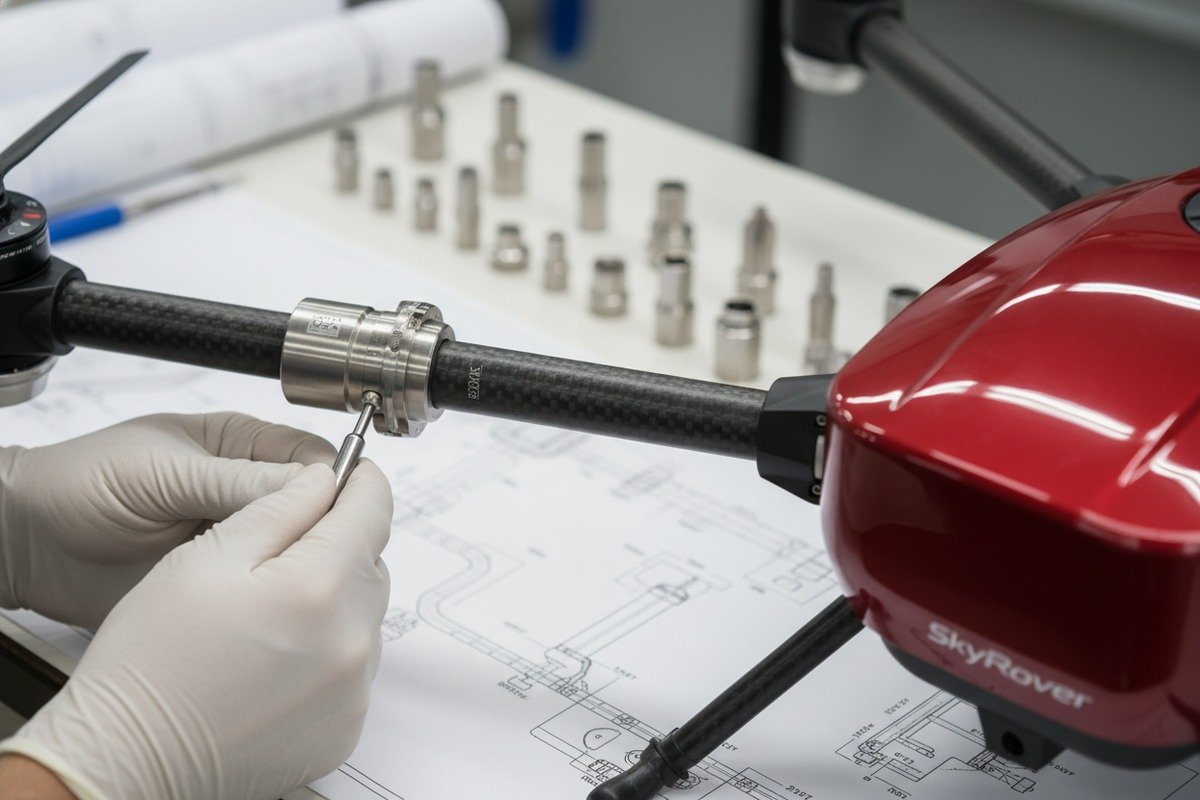
Understanding Nozzle Design Variables
Nozzle performance depends on four primary factors: orifice diameter, internal geometry, spray angle, and material compatibility. Each factor affects pressure-to-range conversion differently.
Smaller orifices increase pressure but reduce flow rate. Wider spray angles cover more area but reduce penetration depth. Some agents degrade certain materials over time.
Common Custom Configuration Requests
| Application | Typical Orifice Size | Spray Pattern | Special Requirements |
|---|---|---|---|
| Water suppression | 8-12mm | Straight stream | High velocity penetration |
| Foam application | 10-15mm | Wide cone | Air entrainment design |
| Gel retardant | 15-20mm | Fan spray | Anti-clog features |
| Dry chemical | 20-25mm | Dispersal | Pressure-activated release |
| Water mist | 2-4mm | Ultra-fine | High pressure required |
Droplet Size Optimization
Fire type determines ideal droplet size 6. Small droplets (under 200 microns) excel at cooling and blocking radiant heat. They work well for surface fires and smoke reduction. However, they evaporate quickly and wind deflects them easily.
Large droplets (over 500 microns) penetrate deeper into burning materials. They reach the seat of deep-seated fires more effectively. Our engineers help customers select appropriate configurations based on their primary fire scenarios.
Agent Compatibility Testing
Before committing to custom nozzles, request compatibility testing. Some foam concentrates contain chemicals that corrode standard brass fittings. Gel-based agents may require stainless steel or specialized polymers.
We maintain a testing facility specifically for agent compatibility verification. Customers can send samples for evaluation before finalizing specifications. This prevents costly failures in the field.
Lead Times and Minimum Orders
Custom nozzle work requires engineering time and tooling investment. Expect 4-8 weeks for design and prototyping. Production tooling adds another 2-4 weeks. Minimum orders typically start at 50-100 units to justify setup costs.
For smaller quantities, consider modular nozzle systems with interchangeable tips. Several of our platforms support quick-change nozzle heads that allow field adjustment without system modification.
Integration with Existing Systems
Custom nozzles must integrate with your chosen drone platform. Mounting interfaces, flow connections, and control signals all require matching. Provide complete system specifications when requesting custom work.
Our engineering team reviews integration requirements before accepting custom orders. This ensures compatibility and prevents installation problems during deployment.
How can I verify the manufacturer's range and pressure claims to avoid receiving substandard equipment?
When our quality control team audits incoming components, we use standardized testing protocols 7 that match real-world conditions. Unfortunately, many manufacturers publish specifications measured under ideal laboratory conditions that cannot be replicated in field operations.
Verify manufacturer claims by requesting third-party test certifications, demanding on-site demonstrations under realistic conditions, reviewing performance data from existing customers, and including penalty clauses in purchase agreements for specification failures. Legitimate manufacturers welcome verification requests and provide detailed test documentation.
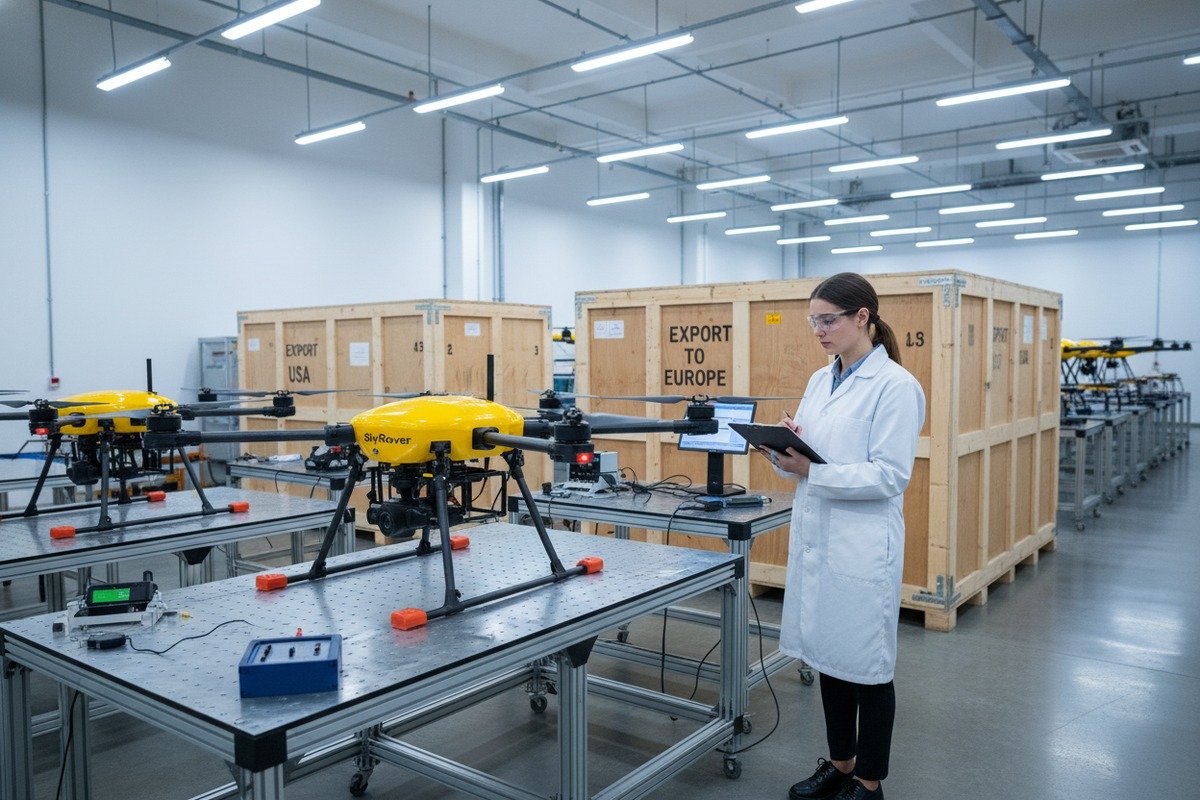
Third-Party Certification Requirements
Independent testing laboratories provide unbiased performance verification. Look for certifications from recognized bodies like TÜV, SGS, or equivalent regional authorities. These organizations test to standardized protocols and publish detailed results.
Request the complete test report, not just the certification summary. Reports should include test conditions, measurement methods, sample sizes, and statistical confidence intervals. Vague or missing details suggest unreliable testing.
On-Site Demonstration Protocols
Before finalizing large orders, arrange factory visits or field demonstrations. Specify test conditions that match your operational requirements. Bring your own measurement equipment if possible.
Effective demonstrations should include:
- Full payload operation at rated altitude
- Extended duration tests matching your operational needs
- Environmental condition simulation when feasible
- Multiple test runs for consistency verification
Customer Reference Verification
Request contact information for existing customers operating similar systems. Legitimate manufacturers maintain relationships with satisfied clients willing to share experiences.
| Verification Method | What It Reveals | Reliability Level |
|---|---|---|
| Third-party certification | Lab performance | Alto |
| Factory demonstration | Controlled performance | Medium-High |
| Customer references | Real-world performance | Alto |
| Video documentation | General capability | Bajo |
| Marketing materials | Aspirational claims | Very Low |
Contractual Protection Measures
Include specific performance requirements in purchase agreements. Define acceptable tolerance ranges for key specifications. Establish testing protocols for delivery acceptance. Include remedy provisions for specification failures.
Sample contract language might specify: "Delivered systems shall achieve minimum 85% of specified nozzle range when tested at rated altitude with full payload under wind conditions not exceeding 10 km/h."
Warning Signs of Unreliable Claims
Watch for these indicators of potentially inflated specifications:
- Reluctance to provide test documentation
- Specifications significantly exceeding industry norms
- No customer references available
- Demonstration restrictions or delays
- Vague or inconsistent technical responses
Post-Delivery Verification Testing
Conduct acceptance testing upon delivery. Compare measured performance against contractual specifications. Document any discrepancies immediately. Many procurement contracts include acceptance testing provisions with rejection rights.
Our standard delivery process includes customer-witnessed performance verification. We document all test results and provide copies for customer records. This transparency builds trust and ensures accountability.
Building Long-Term Supplier Relationships
Verification should not be adversarial. Reliable manufacturers view verification as quality assurance partnership. We welcome customer inspection of our Xi'an production facility and maintain open communication throughout the procurement process.
Long-term relationships benefit both parties. Customers gain reliable supply and technical support. Manufacturers gain stable demand and improvement feedback. Initial verification investment pays dividends over years of partnership.
Conclusión
Evaluating firefighting drone water spray systems 8 requires attention to pump pressure calculations, flight stability factors, nozzle customization options, and rigorous specification verification. Work with manufacturers who welcome transparency and provide comprehensive documentation for informed procurement decisions.
Notas al pie
1. Explains the definition and significance of pump pressure ratings in fluid systems. ↩︎
2. Details the definition, causes, and factors influencing pressure loss in fluid networks. ↩︎
3. Offers strategies and tactics for effective high-rise fire suppression. ↩︎
4. Describes thermal management systems, their importance, and various cooling techniques. ↩︎
5. Discusses the design and customization of industrial nozzles for specific applications. ↩︎
6. Explains the impact of droplet size and spray pattern on fire extinguishing effectiveness. ↩︎
7. Provides a general definition and overview of standardized testing methods and their purpose. ↩︎
8. Provides an overview of firefighting drones and their water/fire retardant delivery systems. ↩︎

 English
  Spanish
  German
  French
  Dutch
Dutch  Arabic
