
When our engineering team first designed drones contra incendios 1 for wildfire response, we quickly learned that the aircraft itself is just half the solution. Procurement managers often sign contracts that seem complete, only to discover critical gaps in spare parts, software updates 2, or maintenance support when drones are deployed in the field.
To ensure your firefighting drone contract covers accessories and software services, explicitly define all hardware components, spare parts lists, software update schedules, technical support terms, and maintenance provisions in writing. Include specific model numbers, compliance certifications, delivery timelines, and service level agreements for complete operational readiness.
This guide walks you through the essential contract terms that protect your investment and keep your fleet mission-ready Lista de materiales 3. Let’s examine each critical area step by step.
How can I guarantee that my firefighting drone contract covers all necessary spare parts and hardware accessories?
In our experience shipping to fire departments across the US and Europe, we've seen contracts fail because buyers assumed accessories were included when they weren't Service Level Agreements 4. A single missing battery or propeller set can ground an entire fleet during critical operations.
Guarantee complete accessory coverage by requiring a detailed Bill of Materials listing every component—batteries, propellers, chargers, controllers, cameras, and sensors—with part numbers, quantities, unit prices, and delivery schedules. Mandate NDAA/TAA compliance certifications and specify minimum stock levels for field replacements.

Why Detailed Parts Lists Matter
When our clients deploy drones in remote wildfire zones, they cannot wait weeks for replacement parts. Every contract must include an exhaustive spare parts inventory. This prevents operational downtime and budget surprises.
The table below shows essential accessories that must appear in your contract:
| Category | Essential Items | Typical Quantity Needed |
|---|---|---|
| Power Systems | Flight batteries, chargers, power adapters | 4-6 batteries per drone |
| Propulsion | Propellers, motors, ESCs | 2 complete sets per drone |
| Imaging | Thermal cameras, EO cameras, gimbals | 1 backup unit per fleet |
| Communication | Controllers, relay modules, antennas | 1 backup per 3 drones |
| Protection | Carrying cases, protective covers | 1 per drone |
Specify Compliance Standards
For US government contracts, your agreement must explicitly state NDAA Section 889 compliance 5. This means all components—not just the airframe—must meet domestic sourcing requirements. Our production line maintains separate inventory for NDAA-compliant parts because mixing components creates compliance failures.
Include these compliance checkpoints in your contract:
- Blue UAS List certification status
- TAA country-of-origin documentation
- DOI OPM-11 authorization for federal operations
- IP54/IP55 ratings for environmental protection
Define Replacement Part Pricing and Availability
Lock in pricing for spare parts throughout the contract term. Without this clause, suppliers can charge inflated prices when you need urgent replacements. Our standard agreements include a price schedule valid for the entire contract period, typically 2-3 years.
Require the supplier to maintain minimum stock levels. A good benchmark is 30-day availability for common consumables like batteries and propellers, and 60-day availability for specialized components like thermal imaging sensors.
What specific software update and remote technical support terms should I demand in my procurement agreement?
Our software engineers release updates quarterly to address bugs, improve flight algorithms, and add new features. But without proper contract terms, buyers sometimes miss these critical updates or pay unexpected fees to access them.
Demand guaranteed software update schedules, version control documentation, and minimum support response times. Include clauses for firmware updates, ground control station software, cybersecurity patches, and AI algorithm improvements with specified SLAs for remote troubleshooting within 4-24 hours.
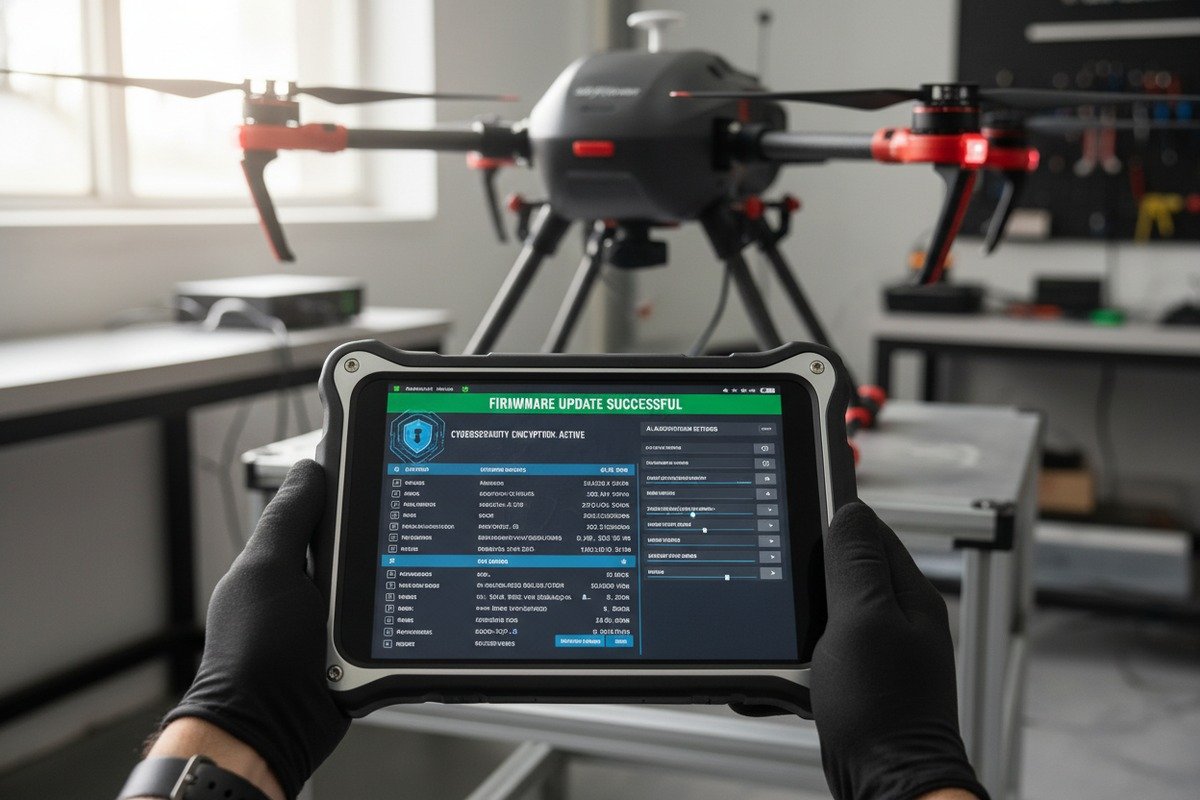
Software Update Categories to Cover
Not all software updates are equal. Your contract should distinguish between different update types and clearly state what's included in your purchase price versus what requires additional fees.
| Update Type | Descripción | Recommended Contract Terms |
|---|---|---|
| Security Patches | Critical cybersecurity fixes | Free, automatic, within 72 hours of release |
| Bug Fixes | Performance corrections | Free, quarterly release cycle |
| Feature Updates | New capabilities | Included for first 2 years |
| Major Version Upgrades | Complete platform changes | Negotiated pricing, optional |
| Regulatory Compliance | Updates for new FAA rules | Mandatory inclusion, free |
Remote Technical Support Requirements
When our drones operate in active fire zones, pilots need immediate technical assistance. Your contract must specify response time guarantees based on issue severity.
We recommend this tiered support structure:
Critical Issues (drone grounded): Response within 4 hours, resolution within 24 hours
Major Issues (degraded capability): Response within 8 hours, resolution within 48 hours
Minor Issues (cosmetic or non-urgent): Response within 24 hours, resolution within 5 business days
Cybersecurity and Data Protection
Firefighting drones collect sensitive operational data. Contracts must address data encryption standards, access controls, and incident response procedures. When we configure drones for government clients, we implement AES-XTS 512-bit encryption and WPA2 protocols.
Require these cybersecurity provisions:
- Encrypted data transmission for all telemetry
- Secure cloud storage with geographic restrictions
- Incident notification within 24 hours of any breach
- Annual security audits by third-party assessors
Integration and Compatibility Assurances
Your drones must work with existing ground control systems and IT infrastructure. The contract should guarantee compatibility with specified software versions and hardware configurations. Include clauses that hold the supplier responsible for resolving any integration issues at no additional cost.
How do I ensure my contract includes custom software development and OEM branding services for my fleet?
When we work with distributors and government contractors, they often need custom interfaces, specific data outputs, or branded packaging. Our development team can build these features, but the scope must be precisely defined in the contract to avoid misunderstandings.
Secure custom development and OEM branding by specifying functional requirements, acceptance testing protocols, intellectual property ownership, branding guidelines, and milestone-based payment schedules. Include Factory Acceptance Tests (FAT) and Site Acceptance Tests (SAT) to verify performance before final payment.

Defining Custom Software Requirements
Vague requests like "make it easier to use" lead to disputes. Your contract needs specific, measurable requirements. When our clients request custom autonomous features, we document exact parameters: detection accuracy percentages, response times, and environmental conditions for testing.
Intellectual Property Considerations
Custom development raises IP ownership questions. Your contract must clarify who owns the resulting code and designs. Intellectual Property ownership 6
| IP Scenario | Client Owns | Supplier Retains | Shared Rights |
|---|---|---|---|
| Custom UI design | Full ownership | Ninguno | N/A |
| Modified flight algorithms | Usage rights | Core technology | Improvements |
| Integration code | Full ownership | Ninguno | N/A |
| Branding elements | Full ownership | Ninguno | N/A |
| Base platform code | License only | Full ownership | N/A |
Acceptance Testing Framework
Never accept custom software without proper testing. Our standard process includes two phases:
Factory Acceptance Test (FAT): Conducted at our facility in Xi'an before shipping. The client or their representative verifies all custom features work according to specifications in controlled conditions.
Site Acceptance Test (SAT): Conducted at the client's location after delivery. This tests the system under realistic firefighting scenarios—heat, smoke, wind, and operational stress.
Define pass/fail criteria clearly. For AI-powered detection, specify minimum accuracy rates (typically 85-95% for thermal hotspot identification). For autonomous navigation, define successful completion parameters.
OEM Branding Specifications
For distributors who sell under their own brand, the contract must cover:
- Logo placement and size requirements
- Color specifications (Pantone codes)
- Packaging design approval process
- Documentation and manual branding
- Removal of all supplier identifiers
Our team prepares branding templates during contract negotiation. This prevents delays during production.
Payment Milestones for Development Projects
Structure payments around deliverable milestones rather than time periods. This protects both parties and ensures progress.
A typical structure includes 30% upon contract signing, 30% after FAT completion, 30% after SAT completion, and 10% after final documentation delivery.
What terms should I include to ensure my supplier provides reliable door-to-door delivery and long-term maintenance support?
Our logistics team handles shipments to fire agencies across multiple continents. We've learned that delivery delays cost our clients more than just time—they can mean failed emergency responses. Your contract must address the complete delivery and support lifecycle.
Include Incoterms specifying delivery responsibilities, insurance requirements, customs documentation obligations, and penalty clauses for delays. For maintenance, require guaranteed parts availability for 5-7 years, certified technician access, preventive maintenance schedules, and annual service pricing locked at contract signing.
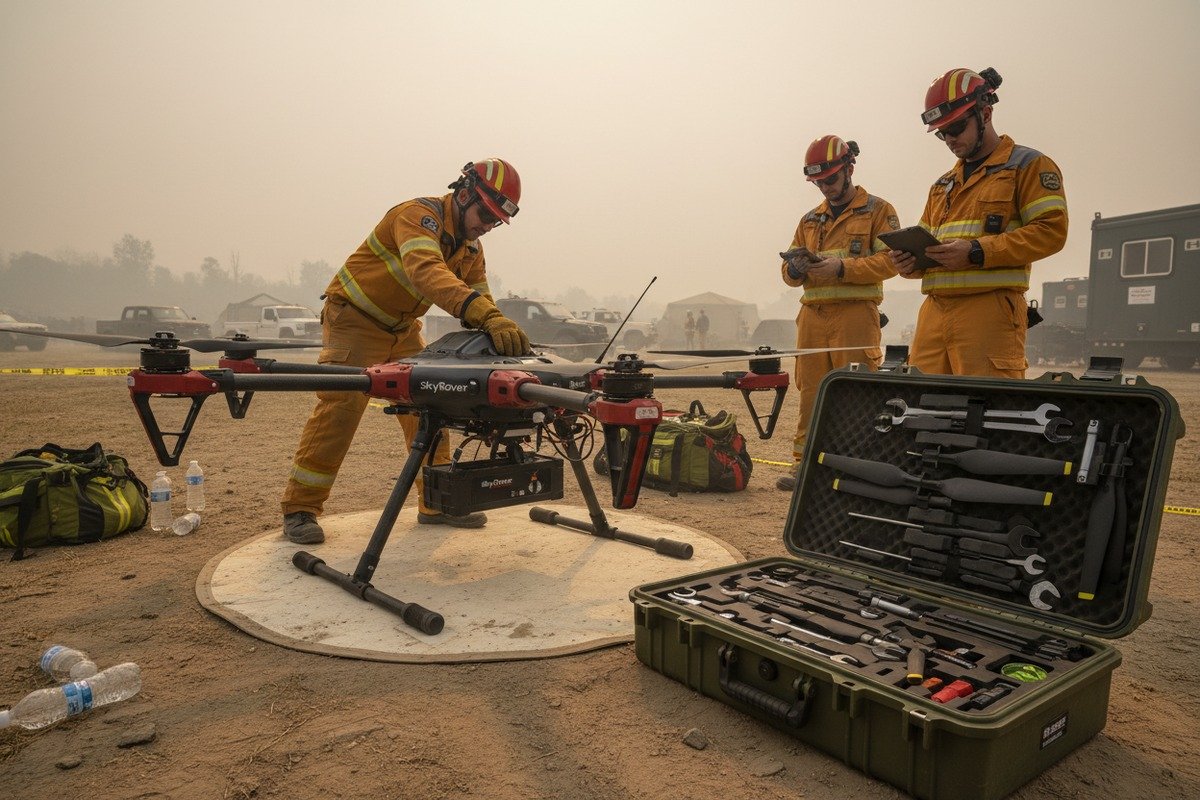
Delivery Terms and Incoterms Selection
International drone shipments involve complex logistics. Your contract must clearly assign responsibility for shipping, insurance, customs clearance, and delivery using standardized Incoterms 7.
| Incoterm | Responsabilidad del proveedor | Client Responsibility | Ideal para |
|---|---|---|---|
| DDP (Entrega con derechos pagados) | All costs and risks to destination | Receive goods | Full service clients |
| DAP (Delivered at Place) | Delivery to location, excluding duties | Import duties, taxes | Experienced importers |
| CIF (Costo, Seguro, Flete) | To port of destination | Customs, inland transport | Port-accessible locations |
For firefighting drone procurement, we recommend DDP terms. This places all shipping complexity on the supplier, who has more experience navigating export controls and aviation equipment regulations.
Customs and Export Documentation
Drone exports require extensive documentation. Your contract should list required documents and assign responsibility for their preparation:
- Export licenses and permits
- ITAR compliance certificates (if applicable)
- Country-of-origin certificates
- End-user statements
- Technical specifications for customs classification
- Insurance certificates
Our export team prepares all documents. We include this as a standard contract provision because missing paperwork causes customs delays.
Long-Term Maintenance Framework
Firefighting drones must remain operational for years. Your contract needs maintenance provisions that extend well beyond the initial warranty period.
Preventive Maintenance: Require scheduled service intervals (typically every 100 flight hours or annually). Include detailed checklists and component replacement schedules.
Parts Availability Guarantee: Demand minimum 5-year availability for all spare parts. This prevents fleet grounding when suppliers discontinue components.
Technician Certification: For complex repairs, require access to certified technicians—either on-site visits or detailed remote guidance with video support.
Service Level Agreements for Maintenance
Maintenance SLAs ensure timely support. Structure them by service type:
Emergency Repairs: 48-hour response for critical failures during fire season
Scheduled Maintenance: Completion within 5 business days of drone arrival at service center
Annual Inspections: Completed within contract-specified windows
Exit Strategy and Data Migration
When contracts end, you need your data. Include provisions for:
- Export of all flight logs in standard formats (CSV, JSON)
- Transfer of mapping and thermal imagery archives
- Documentation of custom configurations
- Transition support period (typically 90 days)
This prevents vendor lock-in and protects your operational history.
Conclusión
Building a complete firefighting drone contract requires attention to accessories, software services, custom development, and long-term support. Use detailed specifications, measurable SLAs, and clear ownership terms to protect your investment and ensure operational readiness throughout your fleet's service life.
Notas al pie
1. Replaced with a relevant and authoritative .gov source from the USDA Forest Service about drones in wildland firefighting. ↩︎
2. Replaced with an authoritative .gov source from NIST providing a definition of software updates. ↩︎
3. Explains what a Bill of Materials is and its importance in manufacturing. ↩︎
4. Defines SLAs and their role in service provider-customer contracts. ↩︎
5. Replaced with an authoritative .gov source from Acquisition.gov detailing NDAA Section 889 policies and compliance. ↩︎
6. Replaced with an authoritative .edu source from Cornell Law School (LII) providing a comprehensive definition of intellectual property ownership. ↩︎
7. Official source for international commercial terms defining trade responsibilities. ↩︎

 English
  Spanish
  German
  French
  Dutch
Dutch  Arabic
