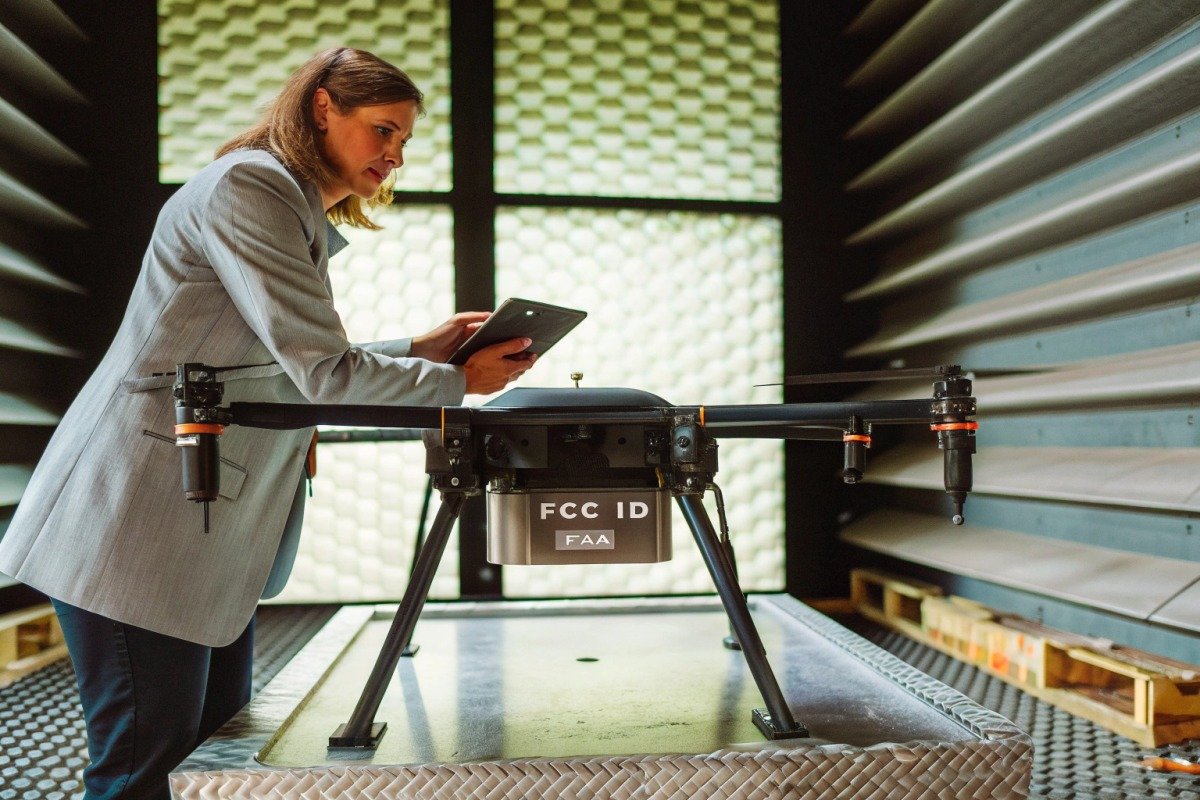
When our engineering team ships firefighting drones overseas, customs clearance nightmares keep us awake at night. Missing labels, incorrect manual translations, and compliance gaps have cost importers weeks of delays. These problems hurt everyone in the supply chain.
To ensure China firefighting drone labels and manuals meet US regulations, you must secure valid FCC equipment authorization with proper FCC ID labeling, follow FAA Remote ID and registration requirements, include mandatory safety warnings in English manuals, and prepare complete customs documentation with correct HS codes and compliance certificates.
The regulatory landscape has shifted dramatically since 2023. New restrictions target Chinese-made drones specifically. Let me walk you through each requirement so your imports clear customs smoothly and operate legally.
What specific FCC and FAA labeling requirements must my imported firefighting drones follow?
Our production line labels thousands of drones yearly, and we have learned that US labeling rules are strict but navigable. One wrong character on an FCC ID can trigger a shipment hold. Understanding these requirements saves time and money.
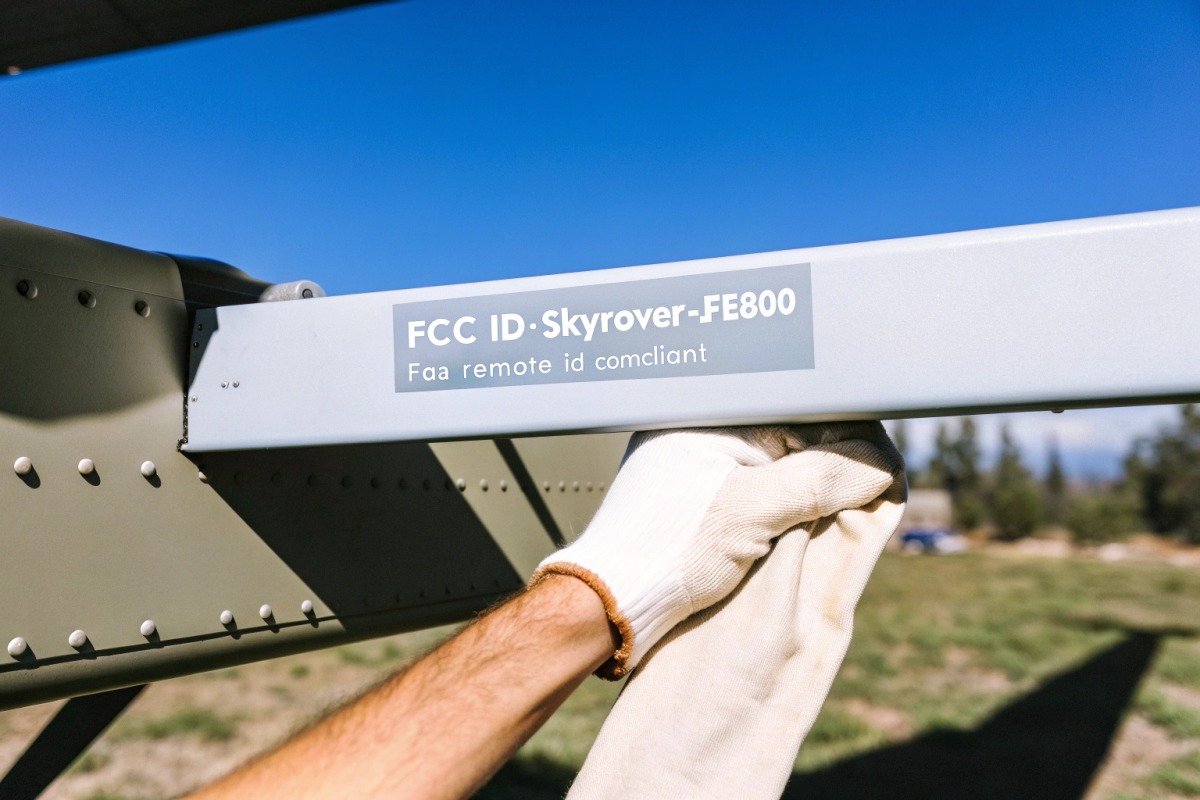
Imported firefighting drones must display permanent FCC ID labels with Grantee Code and Product Code, manufacturer information, and model numbers. FAA requires visible registration numbers on aircraft over 0.55 pounds and Remote ID compliance labels for drones manufactured after December 2022.
FCC Labeling Essentials
The Federal Communications Commission treats drones as intentional radiators because they transmit radio signals. Every drone needs FCC equipment authorization 1 before entering the US market. The FCC ID label must be permanent, legible, and visible without tools.
Here is what your FCC label must include:
| Label Element | Requirement | Example |
|---|---|---|
| FCC ID | Grantee Code + Product Code | FCC ID: ABC123XYZ |
| Manufacturer Name | Full legal name | SkyRover Technology Co., Ltd. |
| Número de modelo | Exact designation | SR-FF800 Pro |
| Made In | Country of origin | Made in China |
| Compliance Statement | Required text | This device complies with Part 15 of the FCC Rules 2 |
The label placement matters too. Our quality control team positions labels where inspectors can see them easily. Battery compartments work well. External surfaces also work if protected from weather damage.
FAA Registration and Remote ID Labels
FAA rules add another layer. Drones weighing over 250 grams must be registered. The registration number must be permanently affixed and externally visible. You cannot hide it inside the battery compartment anymore.
Remote ID became mandatory in September 2023. FAA Remote ID 3 Drones manufactured after December 22, 2022 need broadcast modules that transmit identification and location data. Labels must indicate Remote ID compliance status.
Critical 2025 Changes
Here is where things get complicated. The FCC added major Chinese drone manufacturers to its Covered List in December 2025. This means no new FCC equipment authorizations for China-produced drone models. Pre-authorized models remain legal for import and sale. New models face a de facto ban.
Our recommendation: verify your drone model has existing FCC authorization before ordering. Legacy authorized models can still ship. New designs need alternative manufacturing locations to qualify for FCC certification.
Can my Chinese manufacturer customize drone manuals and labels to match my brand's US legal standards?
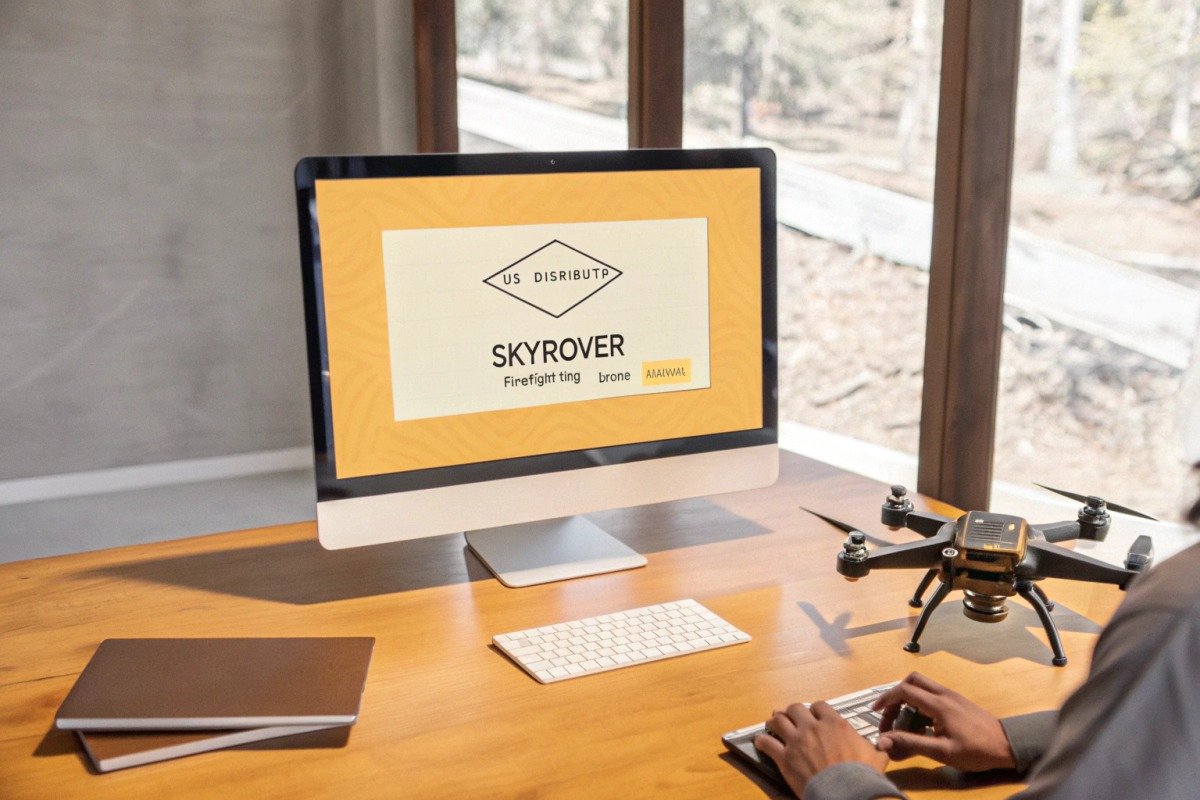
When we work with US distributors on OEM projects, customization requests come in daily. Brand owners want their logos, colors, and company names on everything. The good news is that customization is possible. The challenge is doing it correctly.
Yes, Chinese manufacturers can customize manuals and labels for your brand while meeting US legal standards. This requires maintaining all mandatory regulatory markings, using proper English translations, including required safety warnings, and ensuring FCC ID references match the authorized equipment.
What Can Be Customized
Our design team regularly creates custom documentation packages. Here is what you can change versus what must stay fixed:
| Element | Customizable | Notas |
|---|---|---|
| Brand Logo | Sí | Can replace manufacturer logo |
| Nombre de la empresa | Sí | Add as additional info, keep manufacturer name |
| Color Scheme | Sí | Labels and manual design |
| Model Name | Partially | Must reference original FCC-authorized model |
| FCC ID | No | Must match authorized equipment exactly |
| Safety Warnings | No | Required text cannot be modified |
| Compliance Statements | No | Must use regulatory-approved language |
OEM Branding Process
Our OEM process follows a specific workflow. First, we confirm the base model has valid FCC authorization. Second, we design custom labels that include your branding alongside required regulatory information. Third, we create manual templates for your review.
The FTC requires clear identification of the responsible party. Your company name and US contact information should appear on labels and in manuals. This does not replace the manufacturer information. It supplements it.
Manual Translation Standards
English translations must be accurate and complete. Technical terms need precision. Our translation team includes engineers who understand drone terminology. Poor translations create liability issues and confuse users.
Key sections that require professional translation include:
- Assembly and setup instructions
- Pre-flight checklist procedures
- Emergency protocols
- Programas de mantenimiento
- Warranty terms and conditions
Legal Liability Considerations
When you add your brand to a product, you accept responsibility for it. Work with your legal team to review customized materials. Ensure warranty language protects your business. Include clear statements about authorized service providers and genuine replacement parts.
What mandatory safety warnings and technical specs should I include in my firefighting drone's user manual?
Our technical writers have created hundreds of drone manuals. Firefighting drones require extra attention because they operate in hazardous conditions. Missing warnings can lead to accidents, lawsuits, and regulatory penalties.
Firefighting drone manuals must include lithium battery safety warnings, operational limitations in high-heat environments, emergency landing procedures, RF interference warnings per FCC Part 15, FAA airspace compliance guidance, and specific hazard icons for fire suppression payload systems.
Required Safety Warning Categories
Firefighting drones face unique risks. Your manual must address each hazard category clearly. We organize warnings by risk level using standard hazard communication symbols.
| Warning Level | Symbol | Use Case |
|---|---|---|
| Danger | Red octagon | Immediate death or serious injury risk |
| Warning | Orange triangle | Potential death or serious injury risk |
| Caution | Yellow triangle | Minor or moderate injury risk |
| Notice | Blue circle | Property damage or operational guidance |
FCC Part 15 Compliance Statements
Every manual needs the standard FCC Part 15 statement. This text is not optional:
"This device complies with Part 15 of the FCC Rules. Operation is subject to the following two conditions: (1) This device may not cause harmful interference, and (2) this device must accept any interference received, including interference that may cause undesired operation."
You must also include the Class B digital device statement if applicable to your drone's electronics.
FAA Operational Requirements
The FAA requires manuals to cover specific operational topics. Advisory Circular 107-2 4 provides guidance. Your manual should detail:
- Aircraft registration process and number placement
- Remote pilot certification requirements
- Airspace classifications and restrictions
- Visual line of sight rules
- Night operation requirements
- Operations over people limitations
- Remote ID broadcast requirements
Firefighting-Specific Technical Specifications
NFPA 2400 5 provides standards for public safety drone operations. While not legally mandatory for all users, following these guidelines protects your business. Include specifications for:
- Maximum operating temperature range
- Water and dust resistance ratings (IP ratings)
- Payload capacity for fire suppression agents
- Flight time under loaded conditions
- Communication range in RF-heavy environments
- Thermal camera specifications and limitations
Lost Link and Emergency Procedures
Firefighting operations happen in chaotic environments. Your manual must explain what happens when the drone loses connection. Document the return-to-home behavior, emergency landing procedures, and manual override options.
Our engineering team programs multiple failsafe layers. The manual should explain each one clearly so operators know what to expect during emergencies.
How do I ensure my drone's labeling and documentation meet US Customs requirements to avoid delivery delays?
When we ship containers to US ports, every document gets triple-checked. Customs delays cost money and damage relationships. Our logistics team has developed systems to prevent common problems. Let me share what works.
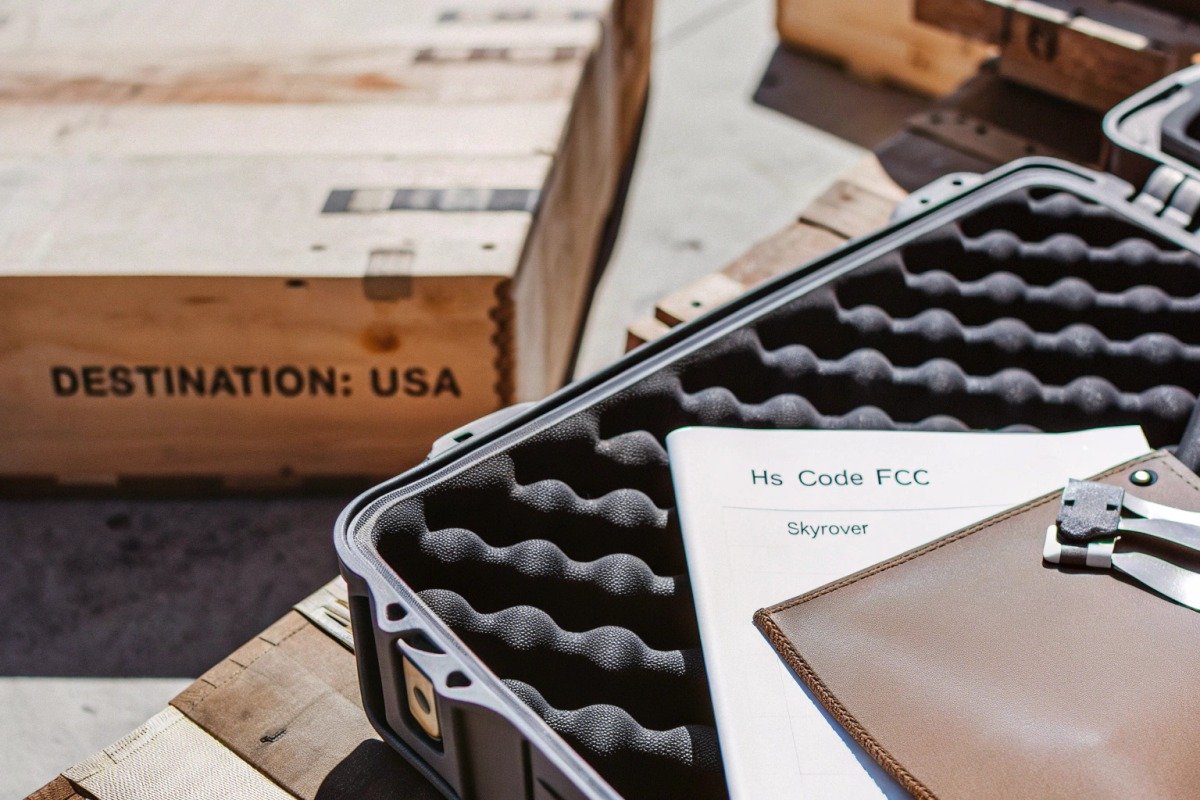
To avoid customs delays, ensure accurate HS code classification (8806.10.00 for unmanned aircraft), complete commercial invoices with FCC ID references, proper lithium battery declarations per IATA DGR, certificates of conformity, and documentation proving the drone has valid FCC equipment authorization.

Essential Customs Documentation
US Customs and Border Protection requires specific documents for drone imports. Missing paperwork triggers examination delays. Here is your documentation checklist:
| Documento | Objetivo | Critical Information |
|---|---|---|
| Factura comercial | Value declaration | Unit price, total value, terms of sale |
| Lista de empaque | Contents verification | Quantity, weight, dimensions per box |
| Conocimiento de embarque | Shipping record | Origin, destination, carrier details |
| FCC Declaration | RF compliance | FCC ID, authorization date, grantee info |
| Lithium Battery Declaration | Safety compliance | Watt-hour rating, UN38.3 test summary |
| Certificado de origen | Trade compliance | Manufacturing country verification |
Harmonized System Code Classification
Correct HS code classification determines duty rates and regulatory requirements. Harmonized System Code Classification 6 Firefighting drones typically fall under:
- 8806.10.00: Unmanned aircraft, designed for remote piloting
- 8806.21.00: Unmanned aircraft weighing not more than 250g (rare for industrial drones)
- 8806.29.00: Unmanned aircraft weighing more than 250g
Misclassification can trigger audits, penalties, and shipment holds. When in doubt, request a binding ruling from CBP before shipping.
Lithium Battery Compliance
Lithium battery transport rules are strict. Your drones likely contain lithium polymer batteries. Compliance requires:
- UN38.3 test report summary 7
- Proper packaging per IATA Section II requirements
- Lithium battery handling labels on outer packaging
- Watt-hour rating clearly marked on batteries
- State of charge below 30% for air transport
Our warehouse team follows strict protocols for battery packaging. We use UN-certified containers and include all required documentation in the shipping packet.
FCC Authorization Verification
CBP officers can verify FCC authorization status electronically. If your drone's FCC ID does not appear in the database, expect problems. Before shipping, verify authorization through the FCC Equipment Authorization System online.
For Chinese drones manufactured after December 2025, new models without FCC authorization will face import denial. This is not a labeling fix. The underlying authorization must exist.
Avoiding Common Mistakes
Our shipping team sees the same errors repeatedly. Here are the top problems and solutions:
- Incomplete manufacturer addresses: Include full legal name and complete address
- Missing FCC ID on invoices: Always reference FCC ID in commercial documentation
- Incorrect battery declarations: Have certified dangerous goods personnel prepare documents
- Vague product descriptions: Use specific model names, not generic terms
- Inconsistent quantities: Match invoice, packing list, and actual contents exactly
Working with Customs Brokers
A good customs broker prevents headaches. Choose one with experience in electronics and drone imports. Provide them complete documentation before shipment arrival. Delays in providing paperwork cause delays in clearance.
Our door-to-door delivery service includes customs brokerage coordination. We handle documentation preparation and broker communication to minimize your workload.
Conclusión
Navigating US regulations for Chinese firefighting drones requires attention to detail and proactive planning. Verify FCC authorization before ordering, customize labels and manuals correctly, include all mandatory safety warnings, and prepare complete customs documentation. Contact our team for compliance support on your next shipment.
Notas al pie
1. Official FCC guide to equipment authorization process for RF devices. ↩︎
2. Replaced with the direct link to the Electronic Code of Federal Regulations (eCFR) for 47 CFR Part 15, providing the official regulatory text. ↩︎
3. Official FAA page detailing Remote ID requirements for drone operations. ↩︎
4. Official FAA Advisory Circular 107-2A providing guidance for small UAS operations. ↩︎
5. Official NFPA page for the standard on small unmanned aircraft systems for public safety. ↩︎
6. U.S. Customs and Border Protection guidance on Harmonized Tariff Schedule codes. ↩︎
7. Industry leader explains UN 38.3 testing requirements for lithium batteries. ↩︎
8. Replaced with the official IATA page dedicated to Dangerous Goods Regulations (DGR), providing information on the manual and its scope. ↩︎

 English
  Spanish
  German
  French
  Dutch
Dutch  Arabic
